Country room
Australia
The landscape is not a background; it is the film's opponent.
Why would a country be afraid of its own land?
Seventy per cent of Australia is desert or semi-desert.
In its films, those who go there mostly do not come back.
In 1975 a film was made and it did not end.
In Picnic at Hanging Rock three girls and a teacher climb a rock and vanish. The film does not say what happened. Nobody is found, nobody explains, and when it ends they are still somewhere up there.
Read more
That gap became the founding gesture of Australian cinema.
The landscape in this country is not beautiful. It is large, dry, red and uneasy. The films take a camera out there and the camera does not come back.
In Walkabout two children are left in the desert. In Wake in Fright a teacher gets stuck in a town and cannot leave. In Mad Max civilisation is long over and only the road remains. Wolf Creek, Rabbit-Proof Fence, Tracks, Sweet Country — all of them look at the same place.
In the American western the land is conquered. Here the land waits.
And there is the question of whose land it is.
People have lived in Australia for sixty thousand years, and those who arrived in 1788 declared it belonging to no one. That legal fiction held until 1992.
Indigenous directors carry their own vein in this room. Warwick Thornton, Ivan Sen, Tracey Moffatt — they film the same landscape, but for them it is not empty.
The films here come from two lines: the New Wave of the seventies and genre cinema.
One is about vanishing, the other about being hunted. Both happen in the same desert.
The Chain

Wake in Fright
A teacher on his way to a holiday gets stranded in a mining town. It screened at Cannes, then disappeared — the negative was found in 2002 in Pittsburgh, in a box marked for destruction.

Walkabout
Two English children are left in the desert and an Aboriginal boy guides them. Roeg was English, but the film is taken as the opening of Australian cinema — nobody had filmed this landscape this way before.
Picnic at Hanging Rock
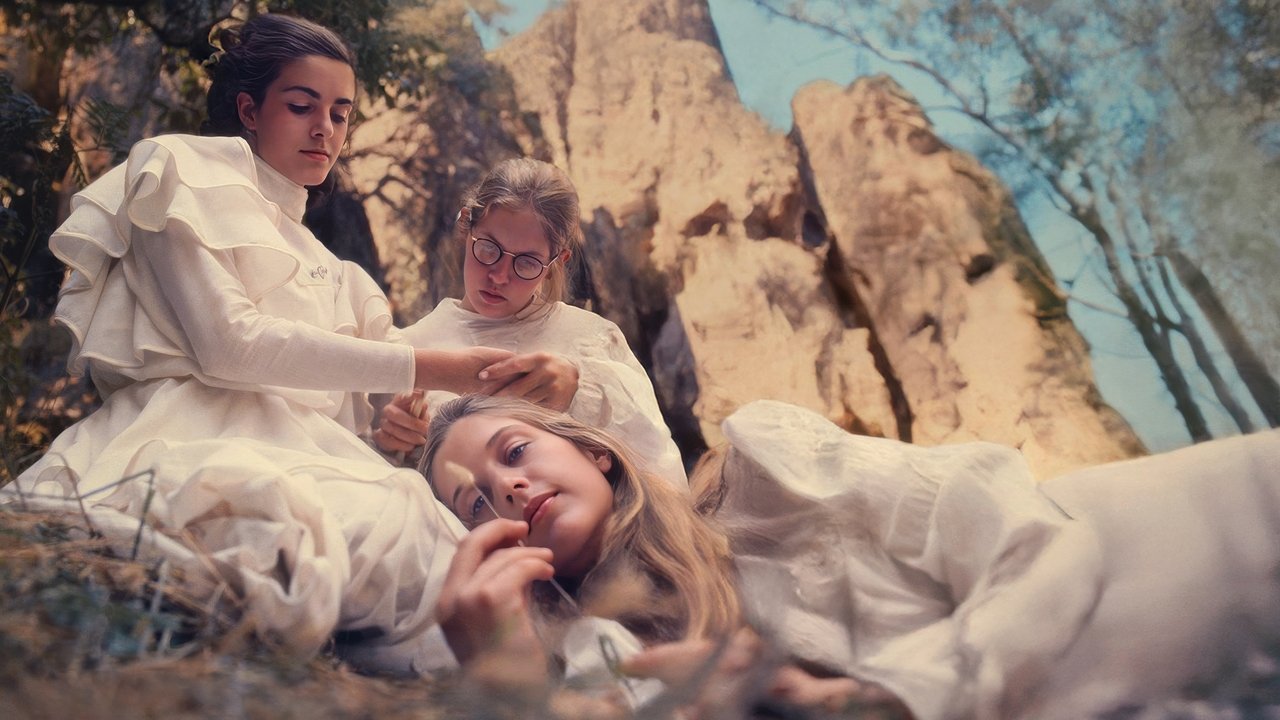
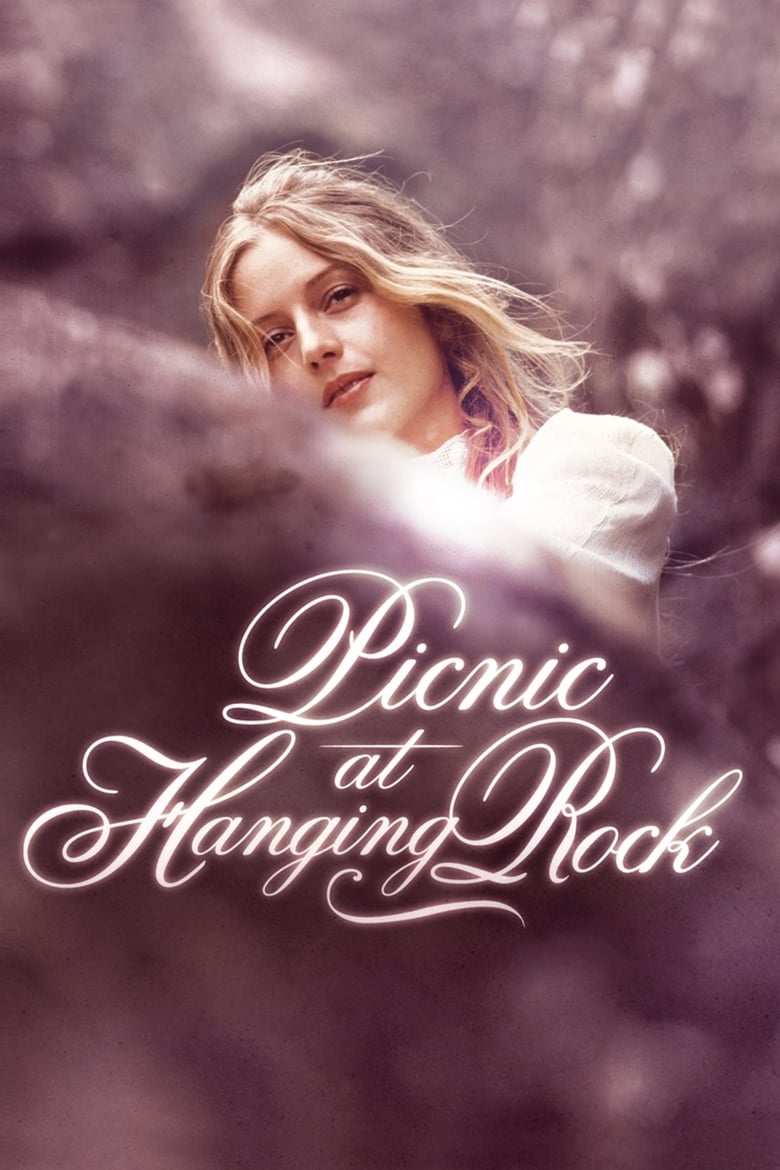
Valentine's Day 1900, a rock, four people missing. Weir shot it through a bridal veil — he stretched gauze over the lens and every frame is slightly soft. There is no answer, and it is clear from the start there will not be one.

The Chant of Jimmie Blacksmith
A mixed-race Aboriginal man tries to find a place in white society and, failing, kills. Based on a real case. Australia ignored this film for a long time.

My Brilliant Career
At the end of the nineteenth century a girl wants to be a writer and refuses to marry. Armstrong was the first woman to direct a feature in Australia since the 1930s.

Mad Max
Miller was an emergency doctor and saw people die in road accidents. He made the film with his own money, on the highway, without permits. The budget was four hundred thousand dollars.

Breaker Morant
Three Australian soldiers are court-martialled by the British during the Boer War. The film was read as Australia's reckoning with England.

Gallipoli
Two young runners go to war and arrive at Gallipoli. The film's last frame is a freeze, and for Australia that image became national.

Sweetie
Two sisters and the unravelling of one of them. Campion is a New Zealander but made this in Australia, with Australian money — her first feature.

Muriel's Wedding
A girl collects wedding photographs and listens to ABBA. It starts as comedy and goes somewhere else — the sharpest film about Australian suburban shame.

Rabbit-Proof Fence
In 1931 three girls taken from their families walk two thousand four hundred kilometres home. A true story, and one of those girls speaks at the end of the film.

Ten Canoes
The first feature made in a Yolngu language. De Heer made it together with the community and they chose the story. It won a special prize at Cannes.

Samson and Delilah
Two Aboriginal teenagers run from a settlement. There is almost no dialogue. Thornton wrote, directed and shot it himself; it won the Caméra d'Or at Cannes.

Animal Kingdom
A criminal family in Melbourne and a boy who falls among them. Michôd's first film and the contemporary face of Australian genre cinema.

Mad Max: Fury Road
Miller returned to Mad Max thirty-six years later, aged seventy. The film was made almost entirely with real vehicles, in the Namib desert. It won six Oscars.

Sweet Country
In 1929 an Aboriginal stockman kills a white man in self-defence and runs. Thornton turns the western inside out — the hunted is in the right, the hunter is not.
Directors in this room