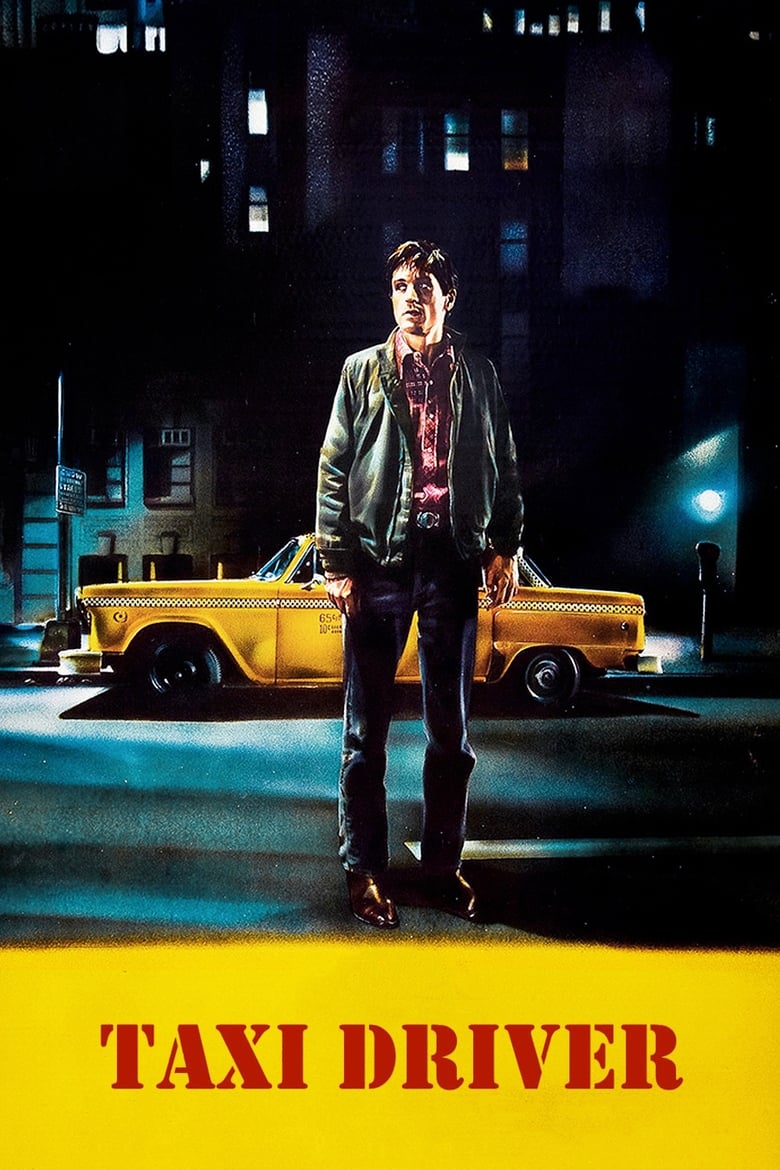
Issue 2
JUSTICE
JUSTICE
Justice does not always give us what we deserve. Sometimes it only settles the score.
Cinema loves that gap. In the courtroom, in a jury room, on a small town's dusty main street, it keeps asking the same thing: when the rule runs out, what is left?
Nobody in this issue gives a clean answer. Judges get it wrong, killers pass their own sentences, some cases never close. We follow them anyway.
Films in this issue

Clint Eastwood · 1992

Krzysztof Kieślowski · 1988

Martin Scorsese · 1991

Bong Joon-ho · 2003

Asghar Farhadi · 2011

Justine Triet · 2023
Clint Eastwood · 1992
Krzysztof Kieślowski · 1988
Martin Scorsese · 1991
Bong Joon-ho · 2003
Asghar Farhadi · 2011
Justine Triet · 2023
THE COURTROOM
One room, a few chairs, a decision. Courtroom films set out to find the truth, but more often we only learn who tells it better. In these seven films the courtroom becomes a stage, and the audience, like it or not, takes the jury's seat.


WHEN THE LAW FALLS SHORT
The court comes so far and then closes the door. The people in these films don't wait outside it. They pass their own sentence, and spend the rest of the film paying for it.





THE UNSOLVED
Some files stay open. The killer isn't found, or is found and not caught, or is caught and nothing changes. These films are not about the answer but about what living without one does to people.



THE SYSTEM
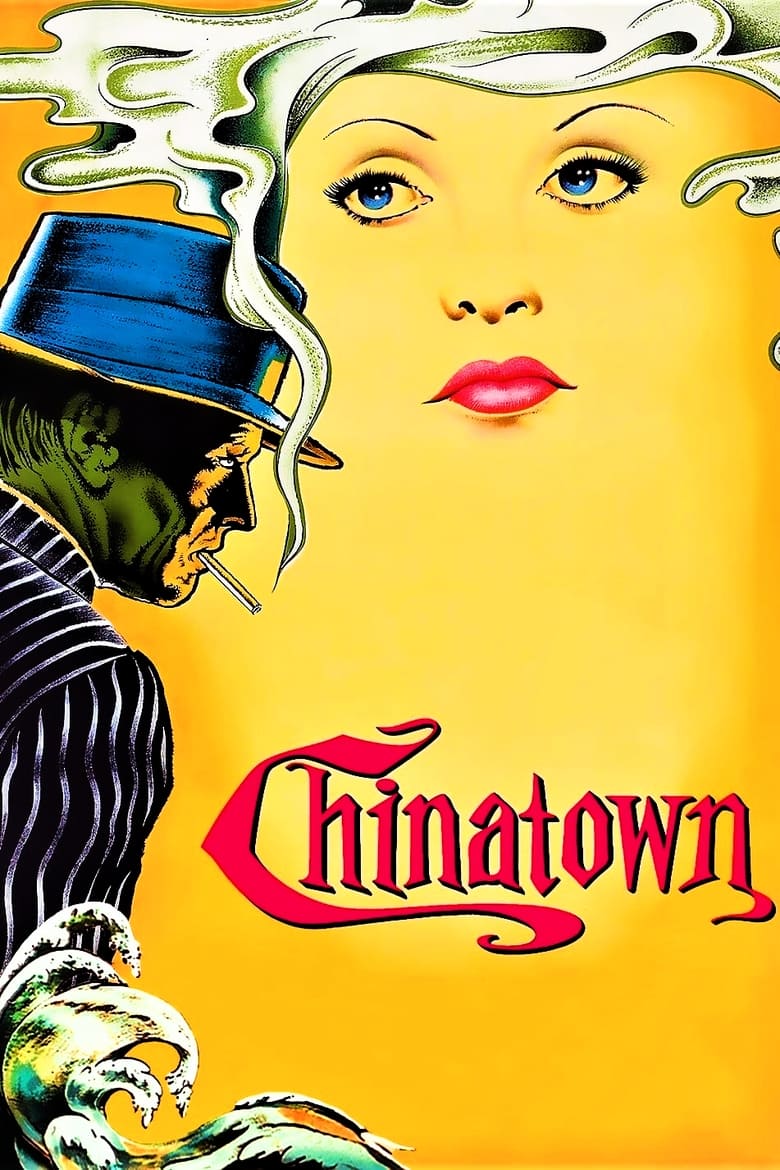
Sometimes the culprit is not a person but an order. A church, an army, a police department, a corporation, a town hall. In these films one person stands against the whole structure, and most of the time the structure wins.


CONSCIENCE
The court's verdict is one thing; the verdict a person reaches inside is another. In these films the crime is clear, and usually so is who did it. What isn't clear is how we are supposed to feel about it.



THE FRONTIER
Places the law hasn't reached yet, or has long since left. The sheriff is far away, the court a day's ride off. Here justice depends on whose gun is faster that day. The issue closes here too, in the wind and the dust.




VENGEANCE
In the rest of the issue, justice is sought. In this room it isn't sought, it's taken. Six films showing that revenge is never as clean as it is told.


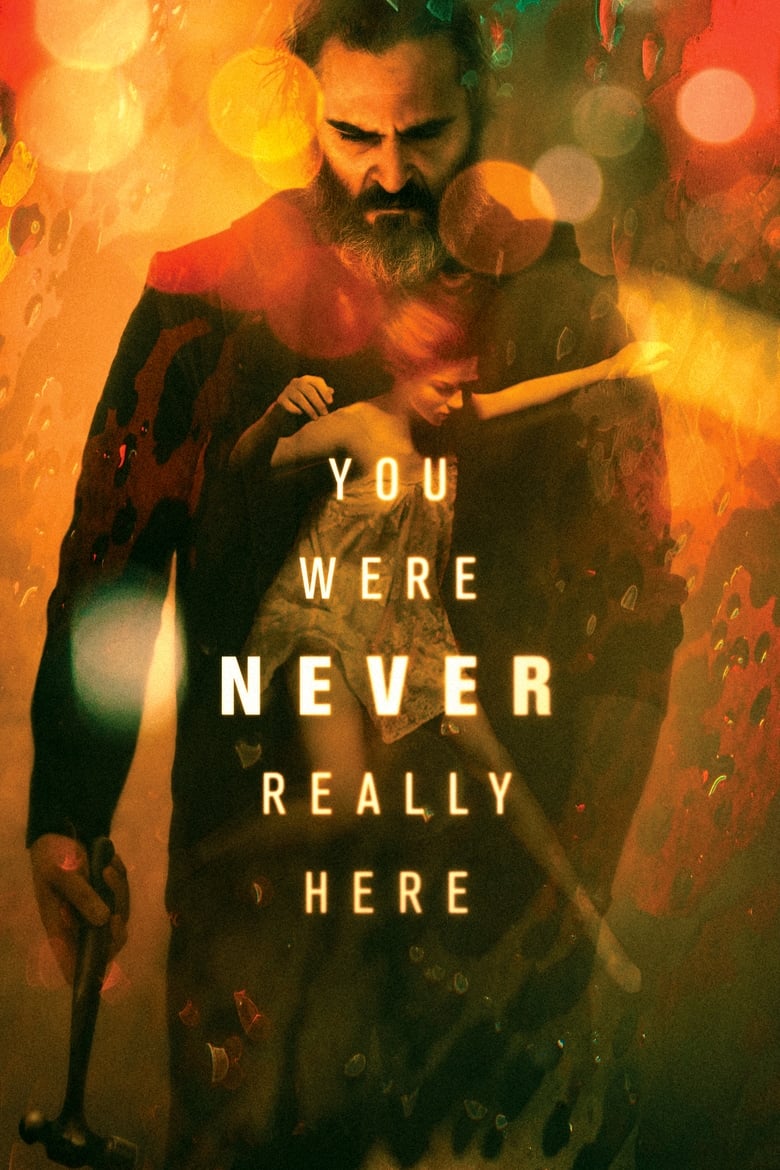


Directors in this issue

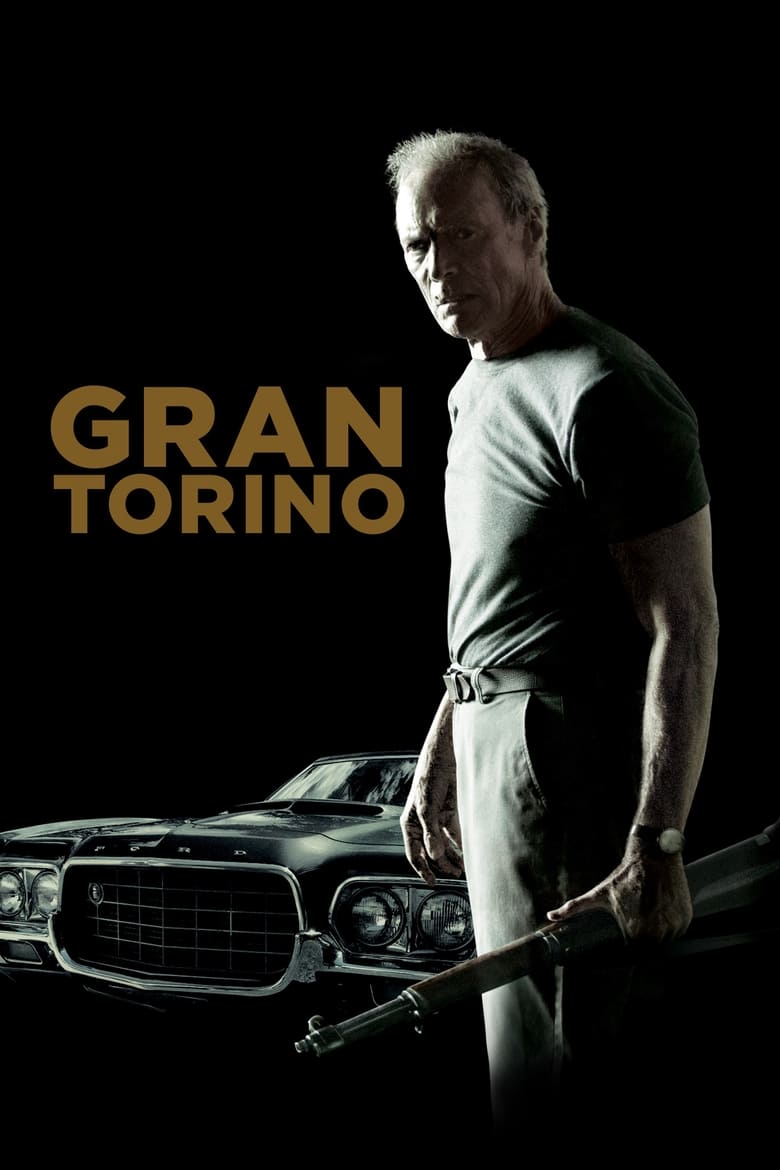
Clint Eastwood
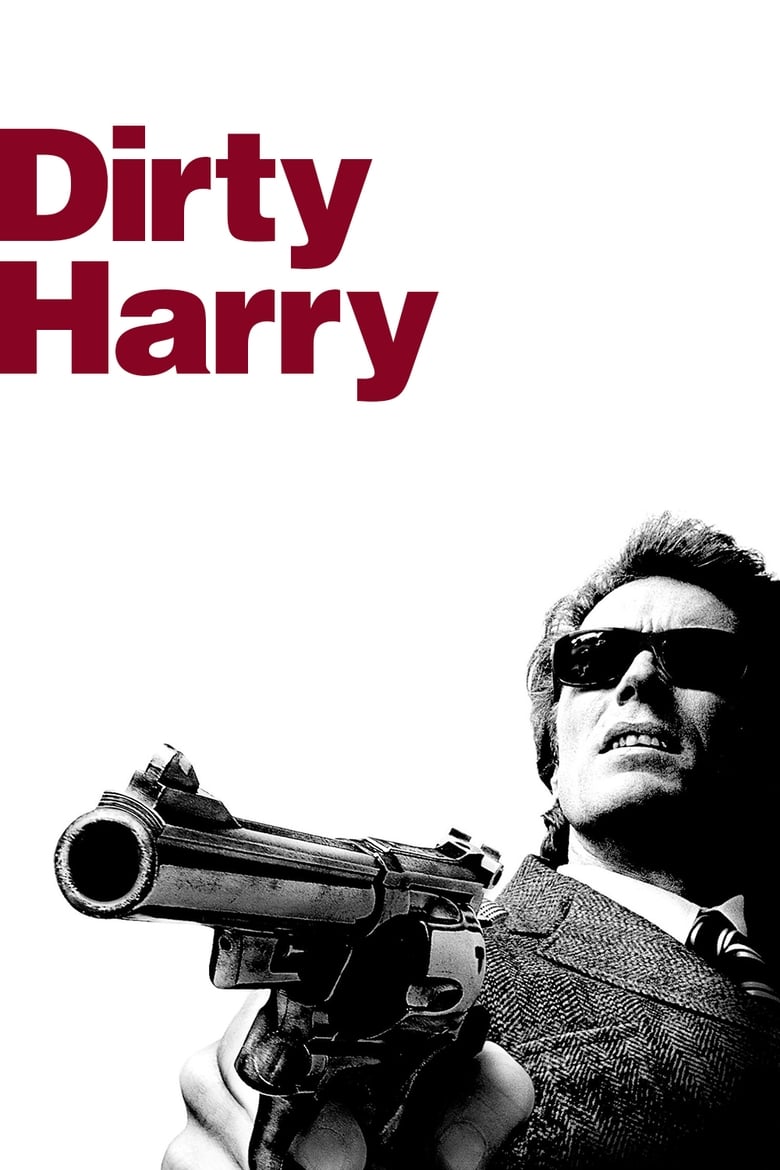
First he played the man who broke the rule. Dirty Harry's inspector made his own call where the law was too slow, and audiences cheered him on. Eastwood carried that applause for years.
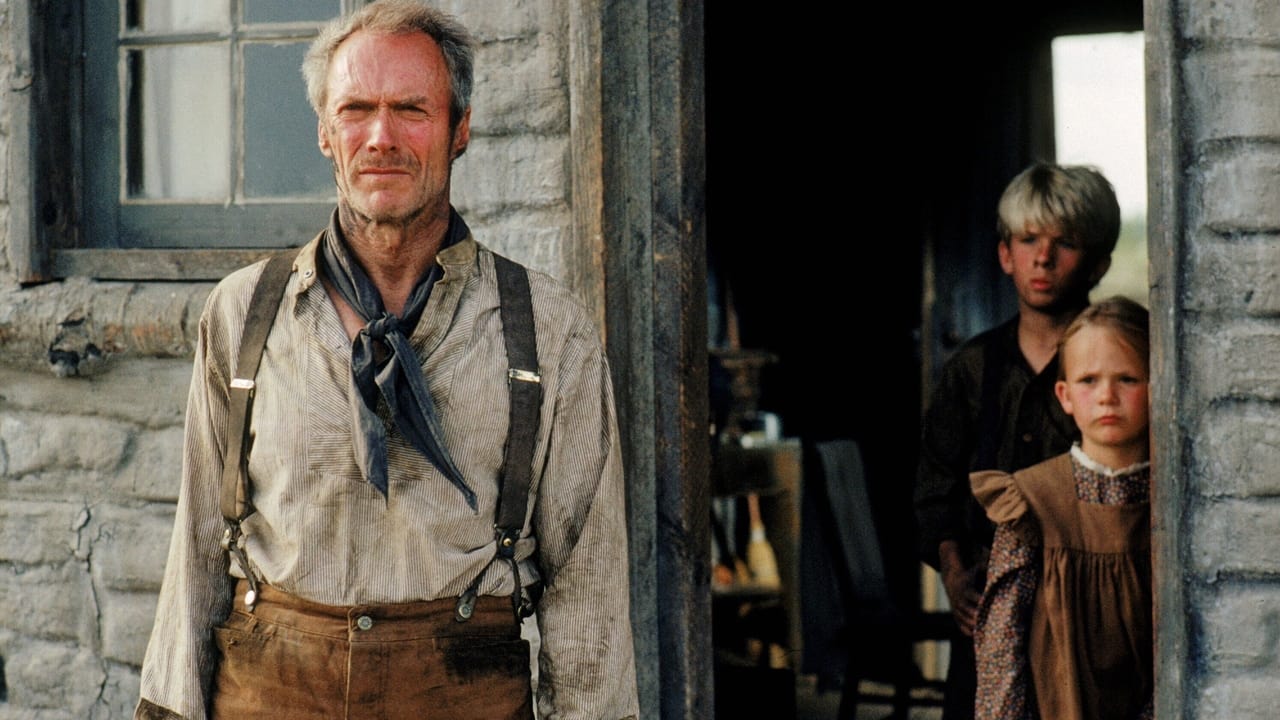
Then, behind the camera, he started asking the same question in reverse. In Unforgiven killing had weight, in Mystic River a wrong verdict could not be undone, in Changeling the state got it wrong. In Juror #2 the question turned back on a juror's own conscience. The legend he built as an actor, he took apart as a director.



Martin Scorsese
He grew up on the streets of Little Italy, with the church on one corner and crime on the other. All his films are full of people moving between those two corners: people who sin, seek penance, and don't know whether they can save themselves.
Cape Fear is that question at its darkest. Remaking an older film, he made the good man less good and the bad man more justified. How far are the things lawyer Sam Bowden does to protect his family from the things Max Cady does? Scorsese doesn't answer; he leaves it in the middle of the river.