Country room
Hungary
The camera is in no hurry.
If a shot runs ten minutes, what does the viewer do?
One Jancsó film has twelve shots and runs eighty minutes.
Tarr's Sátántangó is seven hours and is made of about a hundred and fifty shots.
A shot begins and does not end.
The camera walks behind a man, circles a courtyard, moves away, comes back. Meanwhile a conversation happens, a horse passes, someone is shot. No cut comes.
Read more
This is the signature of Hungarian cinema, and it was established in the sixties.
Miklós Jancsó used it as a political instrument.
In The Round-Up there is a prison on a plain, and who is being questioned and who is released keeps changing. The camera turns, and as it turns we see who is above and who is below. Because there is no cut there is no escape either — the viewer cannot leave that plain.
Jancsó filmed the revolution of 1919, the year 1848, and the fifties. But every film tells the same thing: power changes hands and the method does not.
Twenty years later Béla Tarr used the same shot for something else.
There is no politics in Tarr, there is decay. Sátántangó runs seven hours and a collective farm falls apart while nobody does anything. It rains, people walk, cows stand in mud.
Here the long take is not an argument but a condition: time passes and nothing improves.
There is a third line and it is less known.
In 1975 Márta Mészáros won the Golden Bear in Berlin — the first woman to do so. Her films are about women's lives: adoption, the factory, prison, becoming a mother.
Forty-two years later Ildikó Enyedi won the same prize. In between no other Hungarian woman came near it.
There are thirty-seven films in this room and in most of them the cutting is sparse.
But patience is not a style. This country's history did not move quickly, and neither did its films.
The Chain

Merry-Go-Round
Two young people at a village fair and an arranged engagement. The film came out months before the 1956 revolution and screened at Cannes; after the uprising Fábri's name went unmentioned for a while.

The Round-Up
A prison on a plain, and who is guilty is never learned. Jancsó established the long take here — the camera walks and power shifts along with it.
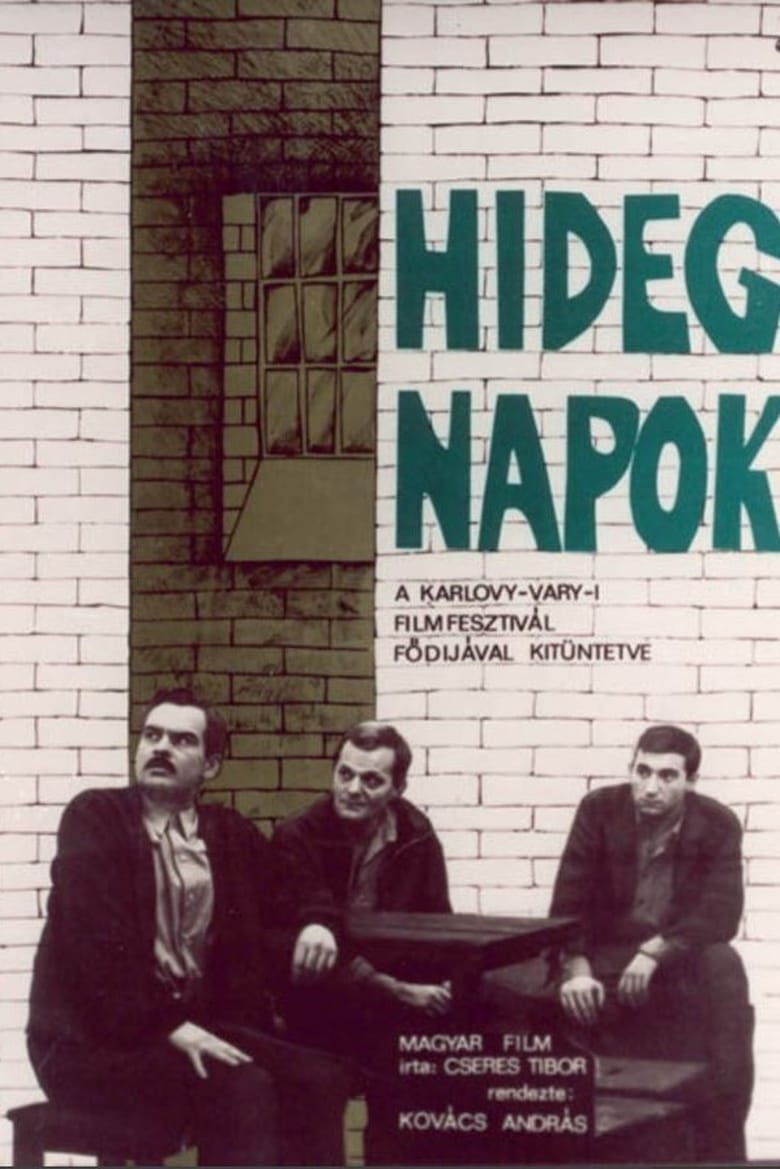
Cold Days
Four men in a cell recounting what happened at Novi Sad in 1942. Each minimises his own part, and the film does not say which of them is telling the truth.

The Red and the White
Civil war in Russia in 1919, with the sides constantly changing. It was made with Soviet money and the Soviets did not like it — nobody in it is a hero.

Love
An old woman believes her son is making films in America. He is in fact in prison, and his wife writes false letters. It won the jury prize at Cannes.

Red Psalm
Twenty-six shots and eighty-eight minutes. A farm strike, songs, dances, bullets. Jancsó won best director at Cannes.
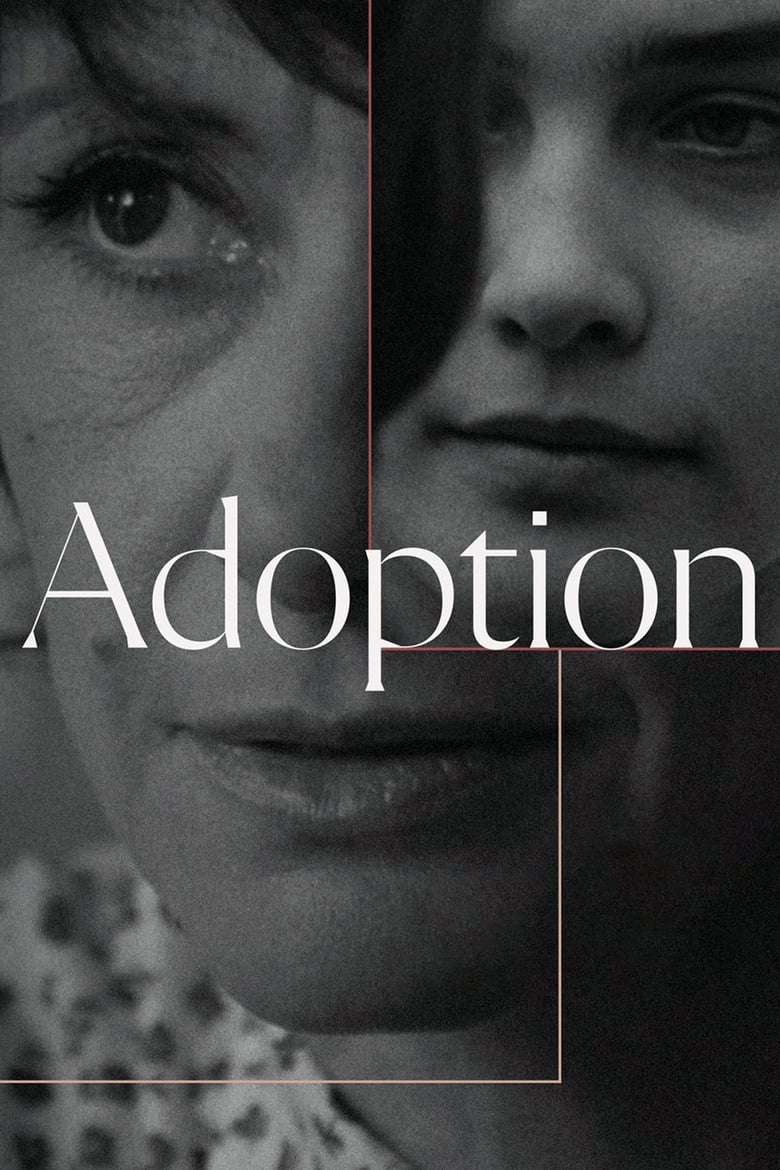
Adoption
A forty-three-year-old woman wants a child and meets a girl from an orphanage. Mészáros won the Golden Bear in Berlin with this film — the first woman to do so.

Mephisto
A stage actor rises in Nazi Germany, giving something up at every step. Hungary's first Oscar for a feature film.

Diary for My Children
In the fifties a girl returns from Moscow to Budapest. Mészáros told her own life — her father had been arrested in the Soviet Union and never seen again.

Damnation
The film where Tarr's style was formed. Rain, mud, walls. After this he never filmed in colour again.

My Twentieth Century
On one night Edison invents the light bulb and twins are born in Budapest. Enyedi's first film, and it won the Caméra d'Or at Cannes.

Satantango
Seven hours and twelve minutes, twelve parts, about a hundred and fifty shots. A collective farm falls apart and nobody does anything. It rains through three quarters of the film.

Werckmeister Harmonies
A circus comes to a town with a dead whale inside it. Thirty-nine shots, a hundred and forty-five minutes. The opening scene stages an eclipse in a tavern.
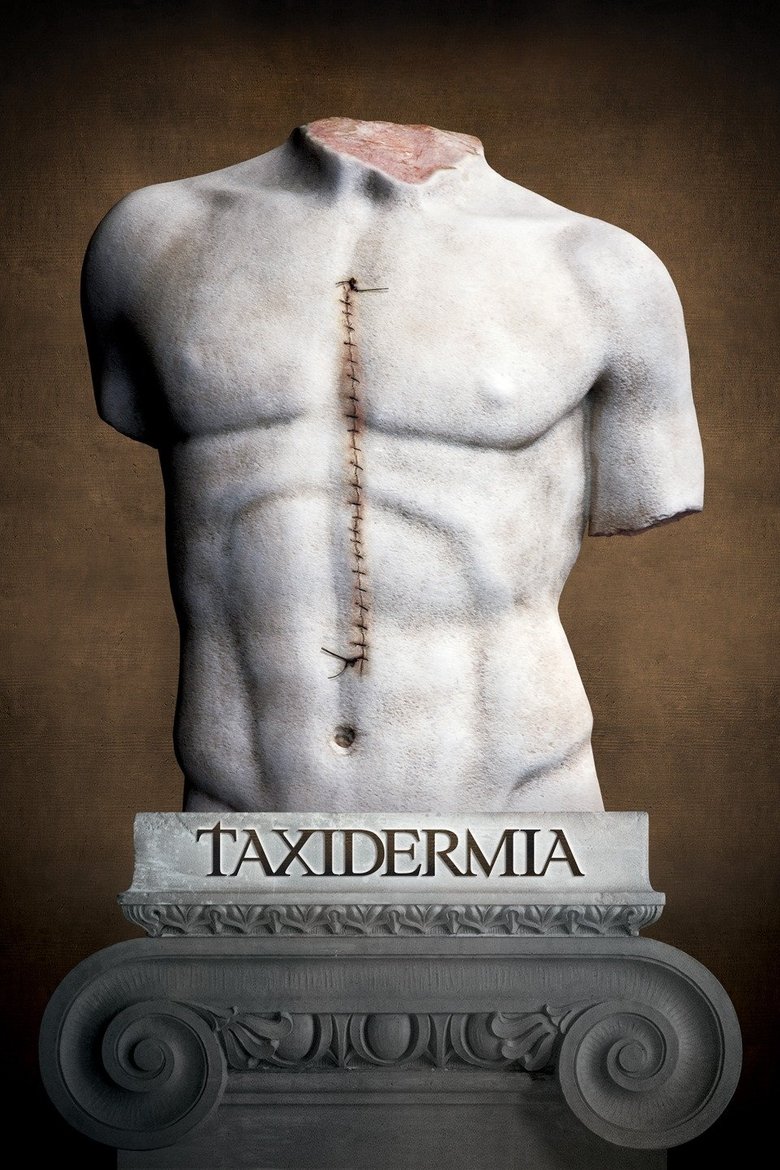
Taxidermia
Three generations: a soldier, a competitive eater, a taxidermist. Pálfi uses the body as a history and softens nothing.
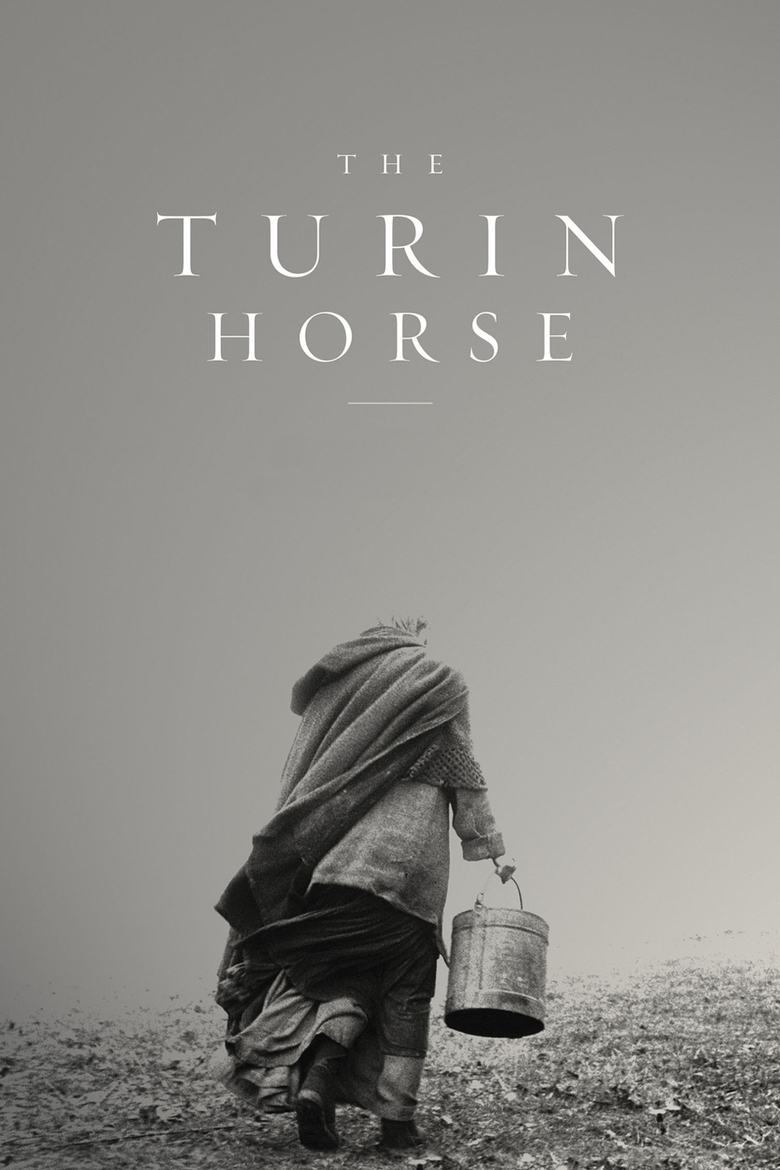
The Turin Horse
A father, a daughter and a horse. For six days the same things happen: water is drawn, potatoes are boiled, the wind blows. Tarr said this would be his last film, and it was.

Son of Saul
At Auschwitz a member of the Sonderkommando wants to bury a boy. The camera never leaves his face and what happens behind him stays out of focus. The Grand Prix at Cannes, then the Oscar.
Directors in this room


