Country room
Iceland
Iceland's population is under four hundred thousand, and its cinema does not behave like that of a country that size. About ten features are made a year, and per head of population it produces more than four times as many films as Norway and close to seven times as many as Denmark. Yet sixteen of the twenty-eight films in this room belong to just four directors.
How does a country of four hundred thousand keep its own cinema going?
1991 → 2022

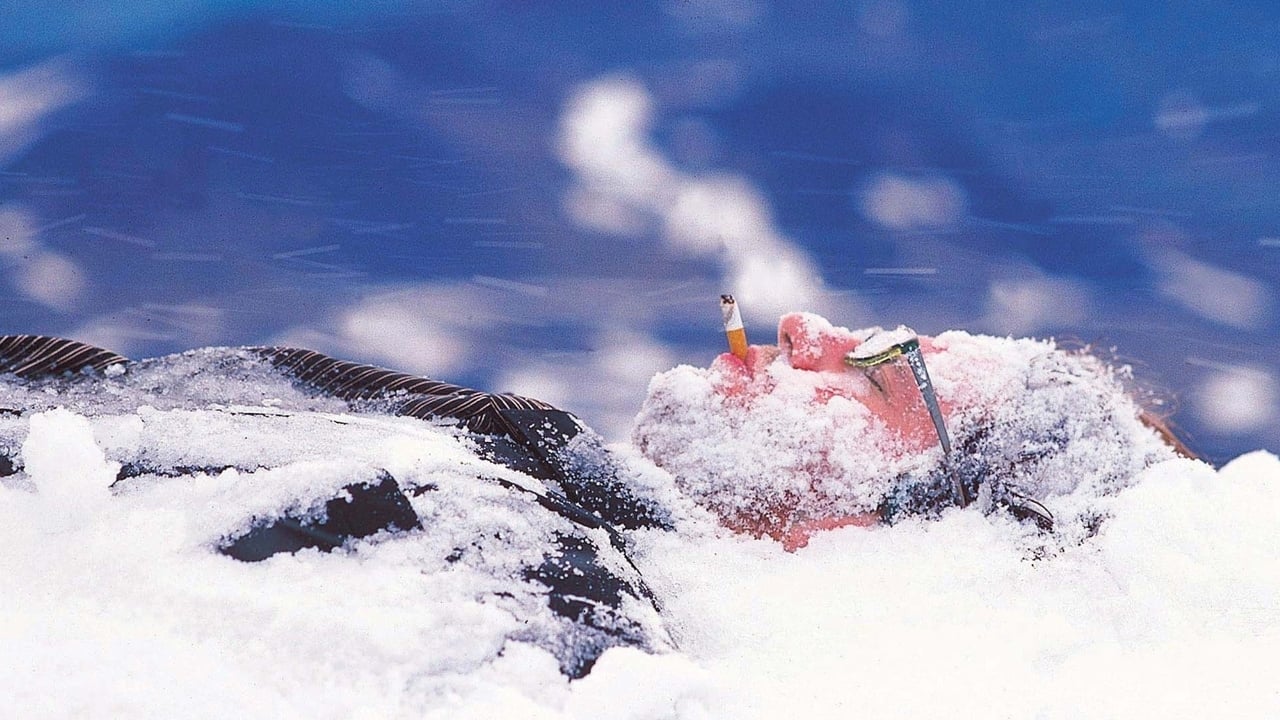
Children of Nature
The fund came in 1978, this film arrived thirteen years later, and it became the country's only Oscar nomination. An elderly couple escape a retirement home and try to reach their village in the western fjords. Five years later the same director turns to the Reykjavík of the fifties.

Devil's Island
The American army left, its barracks stayed, and people moved in. A film in which Iceland brought its own recent past to the screen. Four years later a postcode becomes the country's new face.

101 Reykjavik
Hlynur, thirty, lives with his mother and nothing happens in his life. Kormákur's first film showed Iceland abroad as a contemporary place. The same year the camera enters an asylum and mocks nobody.

Angels of the Universe
Nobody can say when Páll became ill. Friðriksson filmed mental illness not as an event but as a slow drift. Three years later, in a fjord closed by winter, a seventeen-year-old plans to escape.

Noi the Albino
Kári's first film and one of Iceland's most widely shown works abroad. All of Nói's plans hit the same mountain. Three years later a thriller gets into the country's genetic records.

Jar City
In Iceland everyone's descent is on file, and the entire plot of this film is built on that record. This is how the thriller becomes possible in a small country. Five years later a man retires and does not know what to do at home.

Volcano
Rúnarsson's first feature, and its subject is a closeness arrived at too late. Hannes kept his distance all his life and now has no choice. The next year a man swims for hours in freezing sea and nobody can explain why he lived.

The Deep
From a real event that the scientists could not explain. Kormákur filmed it not as heroism but as an oddity. The next year the camera looks at a valley and opens its chapters in the eyes of horses.

Of Horses and Men
Every house in the valley sees every other and everyone has binoculars. Erlingsson showed the countryside not as a place of privacy but as an open system of surveillance. In the same year, on a farm, black metal becomes a form of rebellion.

Metalhead
Hera takes over her dead brother's records, jacket and guitar. The village does not forgive it, and the music is not a style but a form of solitude. Two years later two brothers who have not spoken in forty years meet the same disease.

Rams
It won the Un Certain Regard prize at Cannes and made Icelandic cinema visible abroad again. Two farms side by side, and two men communicating through a dog. The same year a forty-two-year-old dances for the first time.

Virgin Mountain
Fúsi handles luggage at the airport and lives with his mother. It took the Golden Shell at San Sebastián — one of Iceland's largest main-competition prizes. Two years later two gardens go to war over a shadow.
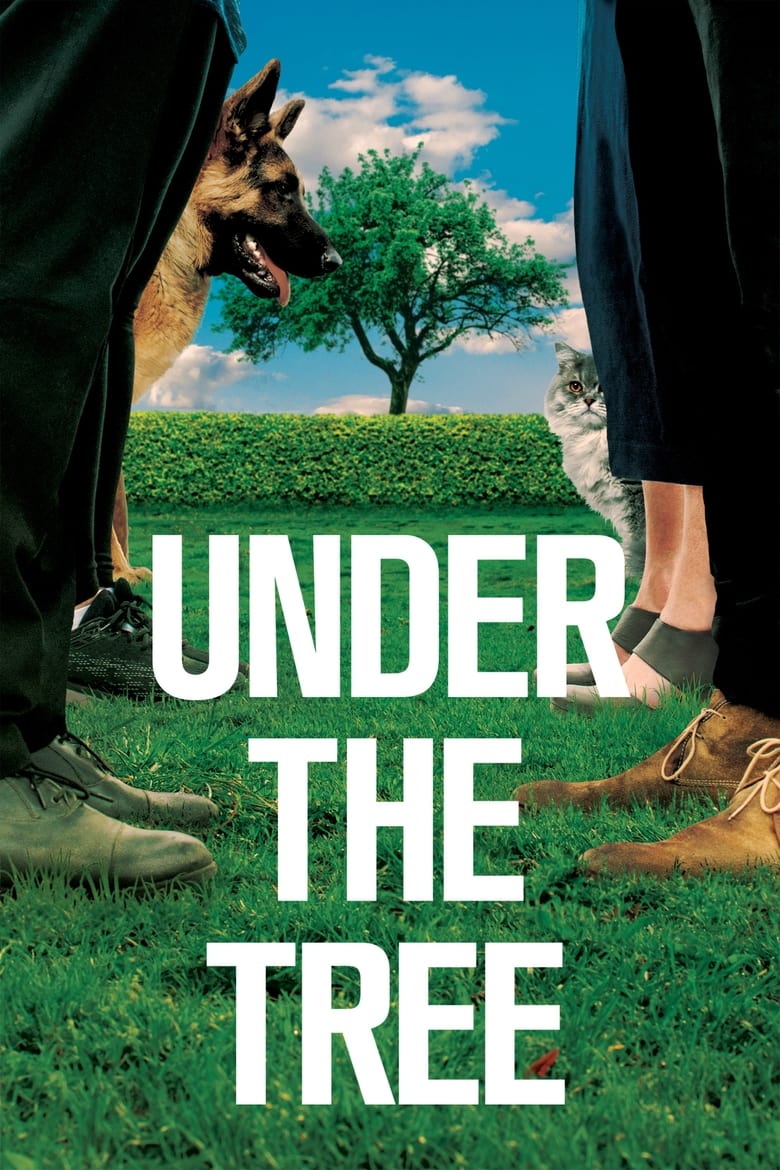
Under the Tree
The quarrel escalates step by step and no single step stops being reasonable on its own. The harshest example of Icelandic humour. The next year a choir conductor declares a one-woman war on the aluminium industry.

Woman at War
Halla hides in the highland while the musicians play inside the frame. All of the film's humour comes out of that visible band. Three years later, on a farm, what is found is taken indoors without question.

Lamb
The film never explains what is possible and uses no music. This is what saga logic looks like carried onto a contemporary farm. The next year a priest walks from south to north and does not complete the crossing.

Godland
One nomination, 1992, and never again. Children of Nature was nominated for international film, and since then the country has not made the list.