Country room
Cambodia
Between 1960 and 1975 hundreds of films were made in this country, and only two of them are in this room. The Khmer Rouge destroyed the cinemas, the prints and the filmmakers; the cinema that remained was built on that loss. Eight of the twenty films are by one director, and that director put clay figures in place of the missing footage.
How is something with no image told?
There are four stops in this room. The first is loss and rebirth: the two films left from the golden age and the first works that came after the destruction. The second is Rithy Panh — eight of the twenty films are his and in all of them he asks the same question. The third is the new generation: directors arriving in the two-thousands who film not the genocide but the present. The last is today.
Read more
There are three women directors in this room and each has one film.
1966 → 2024

Apsara
A dancer and an officer in the palace circle. The country's king made the film, and in that period cinema was the state's way of showing itself. Two years later a folk epic is filmed in forests and caves.

Puthisen and Lady Kong Rey
An epic from the Khmer tale tradition and a narrative advancing by its own rules. This is the second of two films left from the golden age in this room — seven years later this cinema was destroyed. Nineteen years later somebody rebuilds the camp as fiction.

Shadow of Darkness
A family, a labour camp, and a film made eight years after the regime fell. In the twenty years between, very few films could be made in this country. Seven years later a family tries to get through a single rice season.

Rice People
The father falls ill and the field waits for nobody. Panh built his first feature not on the genocide but on the land's cycle, and entered this room here. Four years later a demobilised soldier tries to return to peace.
- One Evening After the War
One Evening After the War
The war is over but the city makes no room for him. Panh filmed peace not as a resolution but as the start of another difficulty. Five years later former guards are taken back into an emptied prison.

S21: The Khmer Rouge Killing Machine
The guards perform their work again in those cells and nobody acts. Panh set the documentary's boundary here — memory is drawn out of bodies. Eight years later somebody searches for a lost film industry.

Golden Slumbers
Nearly four hundred films, a few posters, and a few people who remember. Davy Chou recorded the golden age's loss as a documentary and had no films to show. Two years later three families live what development does in the countryside.

A River Changes Course
The river no longer gives as it did and three families look for other ways. Mam is this room's first woman director and added no comment to her documentary. The same year somebody puts clay figures in place of the missing image.
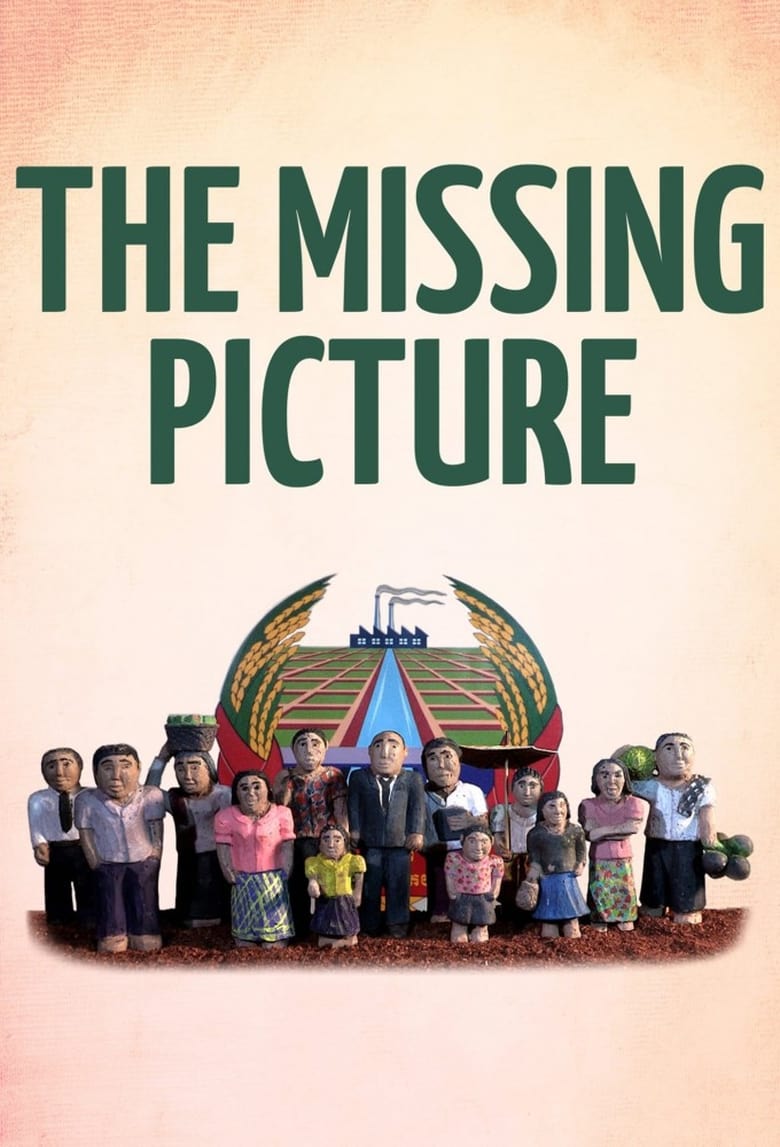
The Missing Picture
Hundreds of motionless figures and a childhood never filmed. Panh made what was missing out of clay and took the top prize of Un Certain Regard at Cannes. The next year a woman finds her mother in the storeroom of an old cinema.
- The Last Reel
The Last Reel
A film reel, a family secret, and a box opened forty years later. Sotho tied the golden age's loss to a family story. Two years later a luxury island rises at the city's edge.

Diamond Island
The young people working on the site are not the island's customers but its labour. Chou filmed the new Phnom Penh not as a promise but as a division of class. The same year a director films exile inside his own room.

Exile
A room, a bed, and revolutionary texts read aloud. Panh built exile not as a change of place but as an interior that cannot be left. Three years later a director tells his mother's story in drawing.

Funan
1975, an emptied city, and a family walking. Do used animation not as a children's form but as the only form for a history with no record. The same year an apartment block is cleared and the neighbours move out.

Last Night I Saw You Smiling
A building put up in the sixties, a few months, and a demolition order. Neang filmed his neighbours as they moved out, and the building really was demolished. Two years later the same director films the same building, this time as fiction.

White Building
A young man who wants to dance and a ground pulled from under his feet. Neang built the coming-of-age film on a building that really was demolished. Three years later a prepared country is shown to three journalists.
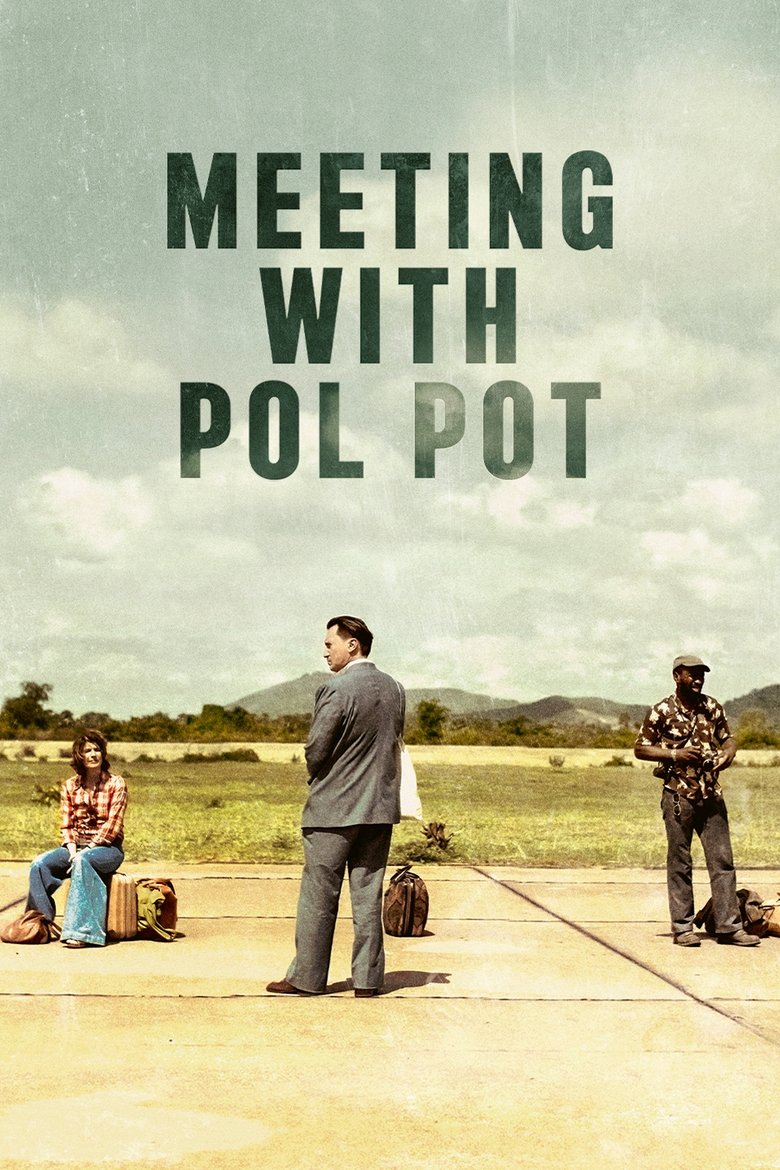
Meeting with Pol Pot
1978, three French journalists, and a tour in which only prepared villages are shown. The chain began in 1966 with a film made by a king and ends fifty-eight years later with how a regime showed itself — in between, this country's cinema was destroyed once and built again once.
Directors in this room
