Country room
Lebanon
The civil war in Lebanon ended thirty-six years ago and the cinema has not got out of it. Eleven of the twenty-four films in this room concern the war — set in it or remembering it. Only two describe what came before; memory works not backwards but towards those fifteen years.
When does a country's cinema come out of a war that is over?
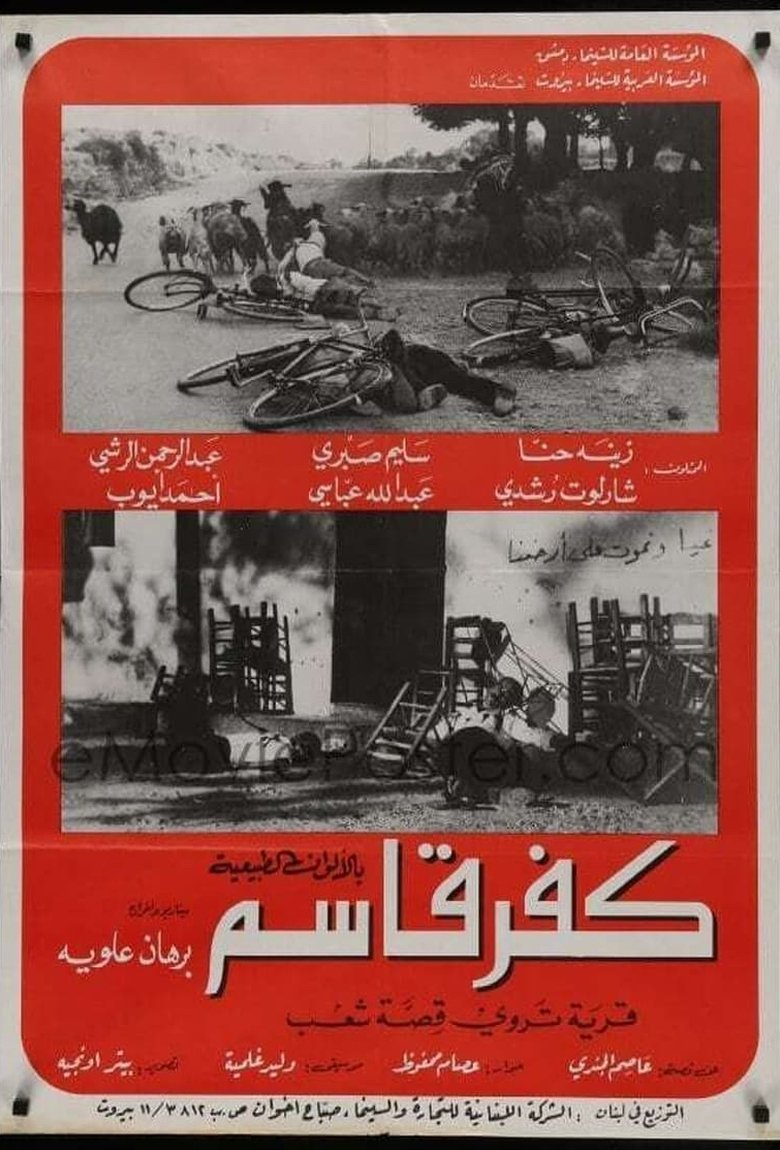
Kafr Kassem
Made in the second year of the Lebanese civil war, its subject a massacre in another country. Alaouié gave his first film not to his own war but to his neighbour's. Four years later the camera finally turns to Beirut and the city is split in two.

Beirut: The Encounter
Two old friends try to meet and cannot cross the city. Shot while the war was still going, it consists of two recorded monologues. The next year a group of young men arm themselves and do not know why they are fighting.

Little Wars
The war's seventh year, and Bagdadi films it not as a struggle but as a habit. Nobody chooses a side; everyone was born on one. Nine years later the war ends and the same director makes a film set in a basement.

Out of Life
Made a year after the war ended, its subject a hostage-taking. It took the jury prize at Cannes — Lebanese cinema's first major response abroad. Four years later two women go into the archive looking for the pre-war city.

Once Upon a Time in Beirut
Jocelyne Saab cut fragments from every old Lebanese film she could find and rebuilt a lost city at the editing table. That city had survived nowhere else. Three years later somebody films his own childhood, beginning on the war's first day.

West Beirut
13 April 1975, and for two boys the war is at first a holiday. Doueiri came back after working in America and restarted Lebanese cinema with his first film. Six years later the camera enters a house and finds the war in the kitchen.

In the Battlefields
Danielle Arbid filmed the war not in the street but inside the family. What twelve-year-old Lina learns is not politics but how hardness is passed on. A year later, in a beauty salon, the war is not mentioned at all.

Caramel
Nadine Labaki's first film, and there is not a single war scene in it. With this film Lebanese cinema became known abroad with a different face. In the same year a crew goes south immediately after the ceasefire.

Under the Bombs
There was no script and the people they met played themselves. Made after the 2006 war, this film showed how thin the line between fiction and documentary is in Lebanon. The next year a French actress asks to go south and the camera follows.

I Want to See
Catherine Deneuve plays herself and along the road we do not know how much was planned. Hadjithomas and Joreige turned that uncertainty into a method. Three years later the women of a village try to keep the men away from a fight.

Where Do We Go Now?
She chose to tell a sectarian quarrel as comedy, and it became one of the biggest ticket-sellers in Lebanon. The women break the television, hide the newspaper and finally change religion. The next year a forgotten rocket programme comes out of the archive.

The Lebanese Rocket Society
In the sixties a university club in Beirut sent rockets into space and the country forgot it entirely. The most concrete record of pre-war Lebanon is in this documentary. Five years later an argument over a drainpipe splits the country in two.

The Insult
A two-word insult becomes a court case and the case becomes a national argument. The first Lebanese film nominated for an Oscar. The next year a twelve-year-old takes his parents to court.
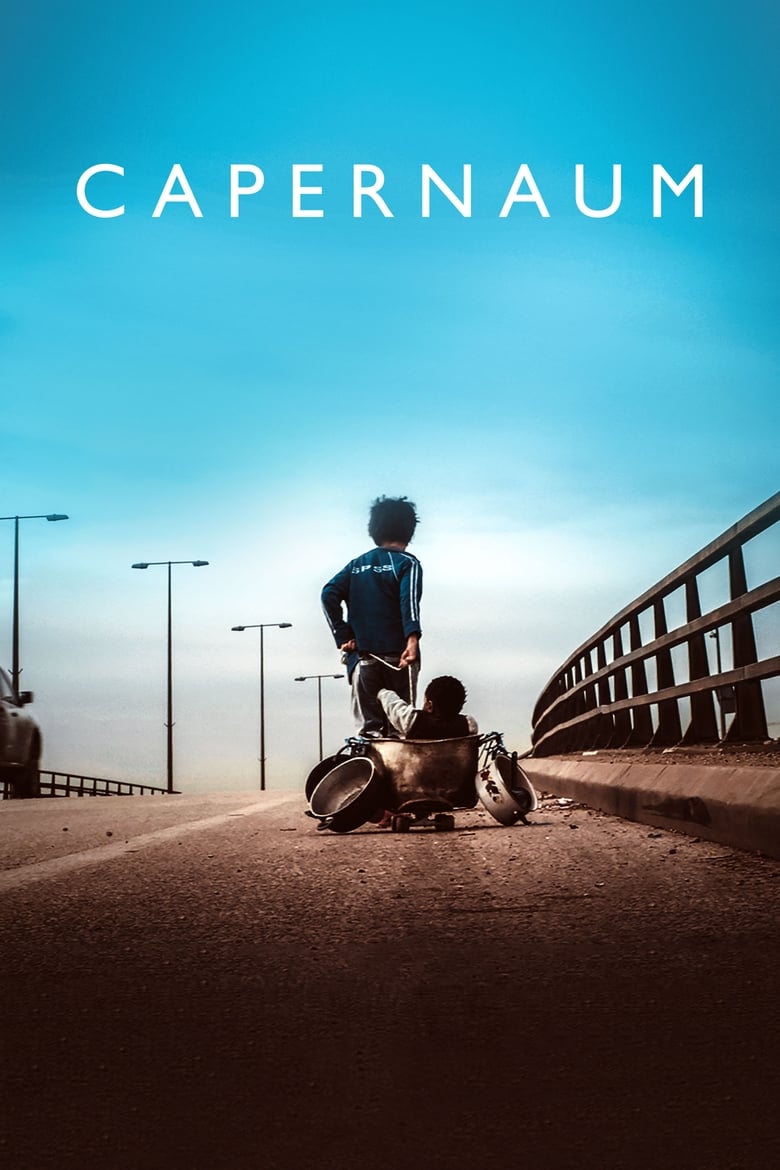
Capernaum
The boy playing Zain was a Syrian refugee actually living on the streets of Beirut. It took the jury prize at Cannes and became Lebanese cinema's largest success abroad. Two years later, the last day of term at a school, and planes in the distance.

1982
One of the war's heaviest days is told through a child's love letter. The next year a box arrives in Montreal containing the years a mother never described.

Memory Box
A daughter learns her mother's war years from notebooks. The chain began in 1977 with a massacre in another country and ends forty-four years later inside a box — Lebanese cinema always looks at the war a generation late.


