Country room
Morocco
Seventeen of the eighteen films in this room were made after the two-thousands. The country became independent in 1956, and between that date and 2000 only one film enters this room — a concert documentary from 1982. Does a country's cinema begin forty years late, or are its first forty years lost: that is what this room asks.
Where do a cinema's first forty years go?
There are four stops in this room. The first is the founding: a concert documentary and the three films that followed it, this cinema's first step outward. The second is the new wave — a generation putting form first, playing with genre, filming the silence of the provinces. The third is the woman's voice: five of this room's ten directors are women, the highest proportion in the region. The last is the present.
Read more
Seventeen of the eighteen films here are co-productions, and in almost all of them the partner is France.
1982 → 2025
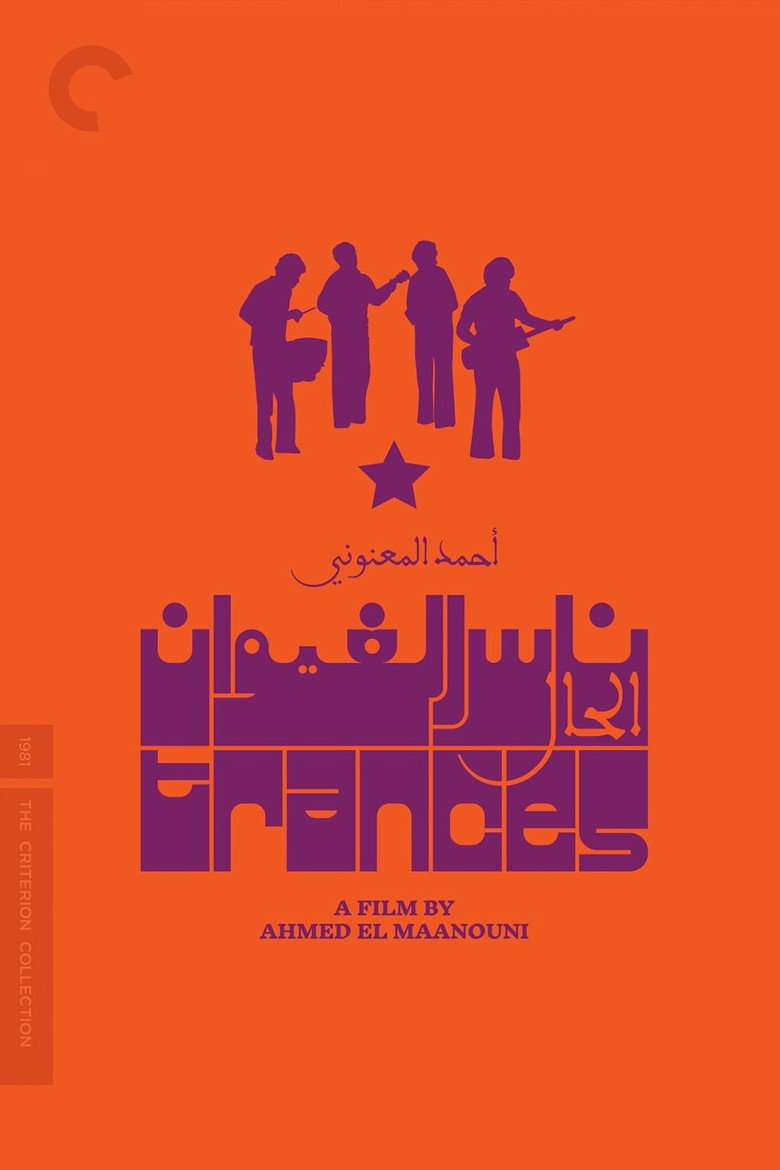
Trances
Nass El Ghiwane play on stage and the audience sings along. The oldest film in this room, and its only documentary opening — a country's cinema is counted to begin here. Eighteen years pass and the camera goes down to Casablanca's port.

Ali Zaoua
Street children promise to bury their dead friend in the sea. Ayouch made the film with real street children, and this cinema was widely seen abroad for the first time. Three years later the camera goes up into the Atlas and does not move.

A Thousand Months
A boy whose father is in prison and a family that does not tell him. Bensaïdi worked in fixed frames and carried the political weight of the provinces through silence. Two years later Casablanca's wealthy young people reach the screen.

Marock
The closeness between a Muslim girl and a Jewish boy sets both families against them. Marrakchi is this room's first woman director, and the film caused argument at home. Six years later, in Tangier, two factory girls act like somebody else at night.

On the Edge
Two girls working in a shrimp factory and the lights visible across the strait. Kilani made this film with purely Moroccan money — the only case in this room. Two years later the childhood of two brothers in a shanty quarter is told.

Horses of God
Two boys growing up in Sidi Moumen reach the attacks of 2003. Ayouch filmed not the terror but the fifteen years leading to it, and explained nothing anywhere. Two years later a night of four women in Marrakesh is filmed and the film is banned at home.

Much Loved
Ayouch neither pitied nor defended them; he only showed their days. The film was banned in Morocco and its lead actress left the country after receiving threats. Four years later a baker opens her door to a pregnant stranger.

Adam
Two women in the same house and the distance between them slowly closing. Touzani made her first film, and this room's wave of women directors began here. The next year a shrine is built over money buried in the south.
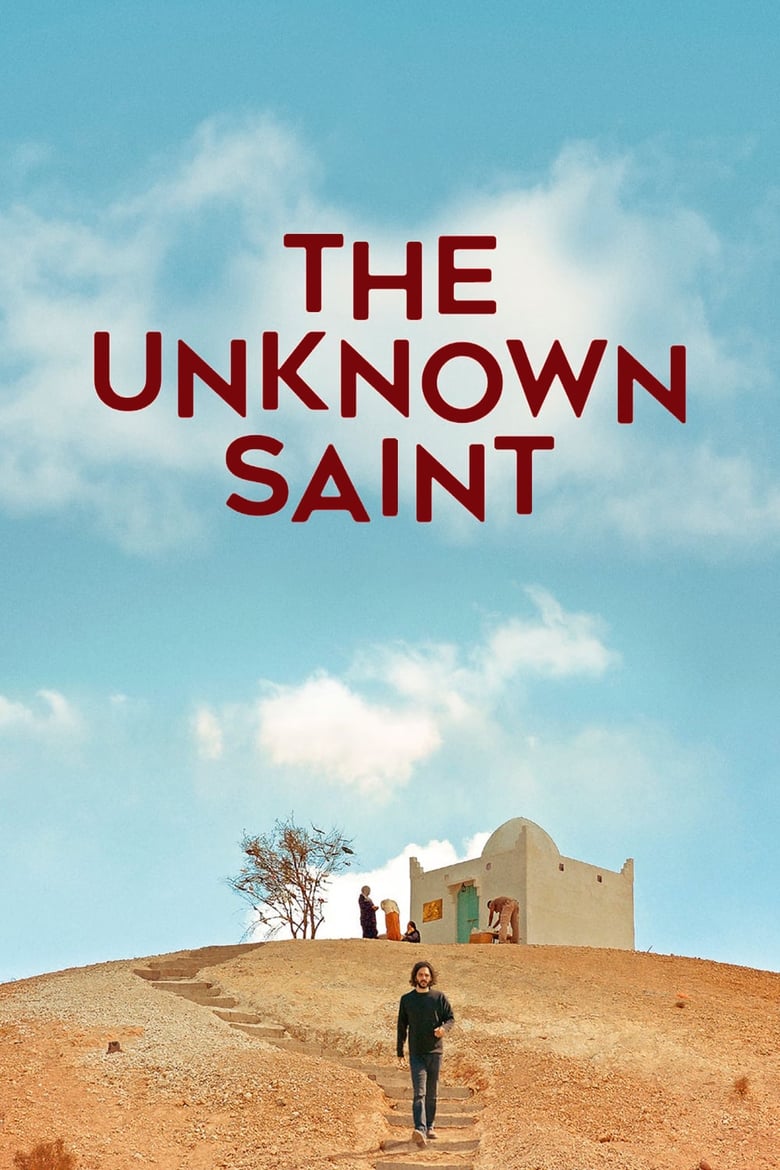
The Unknown Saint
When the thief comes out, a village has been built on top of his money. Aljem made his first film in deadpan and showed the economy around belief without blaming anybody. The next year, in a cultural centre on the city's edge, young people begin to write.

Casablanca Beats
Real students write their own words and the neighbourhood answers them. The film entered the main competition at Cannes — one of the few from this country to do so. The next year, in the medina of Salé, a caftan is sewn by hand.

The Blue Caftan
The master tailor, his wife and the young apprentice in the same workshop, and nobody says anything. The film became the first Moroccan film to reach the Oscar shortlist. The next year two debt collectors in the desert cannot collect.

Deserts
Two men shrink inside the landscape and halfway the film turns into something else. Twenty years on, Bensaïdi applied the same method in the desert. The same year, in the provinces, a bride is left alone with an event in the sky.

Animalia
A woman treated as an outsider on a wealthy farm and an event that cannot be explained. Alaoui joined class drama to science fiction and left neither half-finished. The same year a director rebuilds her own neighbourhood as a model.

The Mother of All Lies
There is not one photograph in the family and nobody will say what happened in the 1981 bread riots. El Moudir made clay figures, and before the model those who did not speak began to. The next year a folk singer tries to exist through her voice.

Everybody Loves Touda
A woman singing in the sheikha tradition is at once exalted and demeaned. Ayouch did not resolve that doubleness and vindicated Touda nowhere. The next year, in Tangier, a woman refuses to leave her home.

Calle Malaga
Her daughter has sold the flat and she will not leave. The chain began in 1982 with a concert documentary and ends forty-three years later with a woman refusing to go — and in between, every film that enters this room is from the two-thousands.


