
Germany · 1892–1947
Ernst Lubitsch
He told the most important scene without showing it; the method was a door, a glance and a cut at the right moment.
THE WORLD OF Ernst Lubitsch
In Lubitsch's films the most important things happen behind closed doors. The camera waits in the corridor, a door opens and closes, someone has forgotten his hat, and the audience completes the rest on its own. This elegant art of implication came to be called the "Lubitsch touch", and no one in Hollywood could quite imitate it.
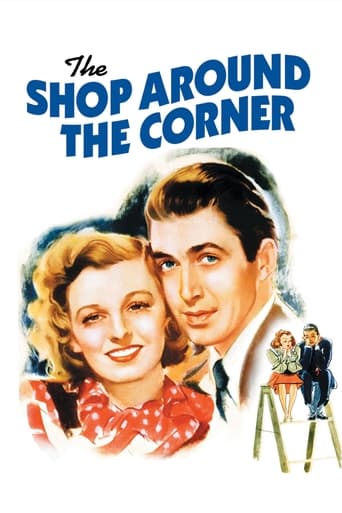
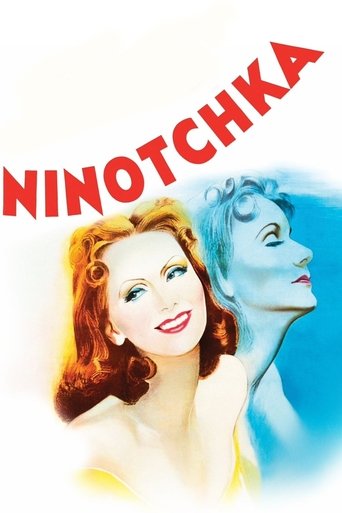
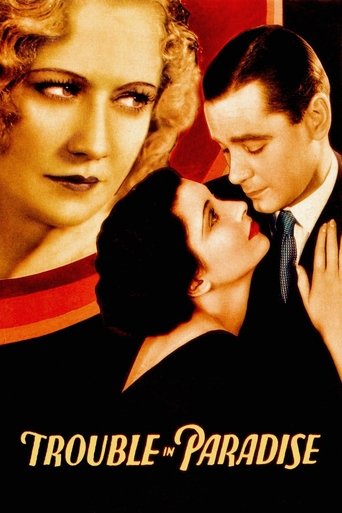
He began in Berlin with grand historical spectacles and, arriving in Hollywood, grew smaller and finer. In Trouble in Paradise two elegant thieves fall in love while robbing each other. In Ninotchka a stern Soviet official learns to laugh in Paris. In The Shop Around the Corner two clerks who can't stand each other work in the same shop without knowing they have fallen in love through anonymous letters to one another.
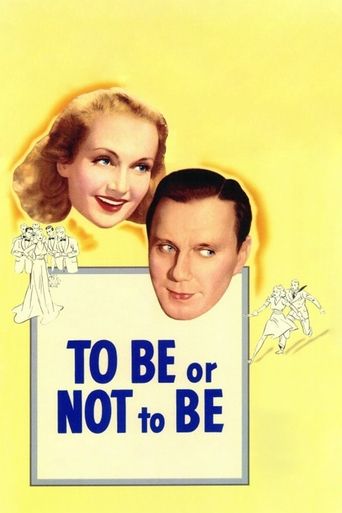
He made To Be or Not to Be in the middle of the war: in Warsaw a theatre troupe fools the Nazis with its own performances. Laughing at fascism took courage in those years. Lubitsch did it, once again, with the lightness of doors, misunderstandings and a line delivered exactly on time.



Awards
- Best DirectingAcademy Awards · 1943 · nominated · Heaven Can Wait
- Best DirectorAcademy Awards · 1930 · nominated · The Love Parade
- Best DirectorAcademy Awards · 1929 · nominated · The Patriot
- Writing (Original Story)Academy Awards · 1927 · nominated · The Last Command


