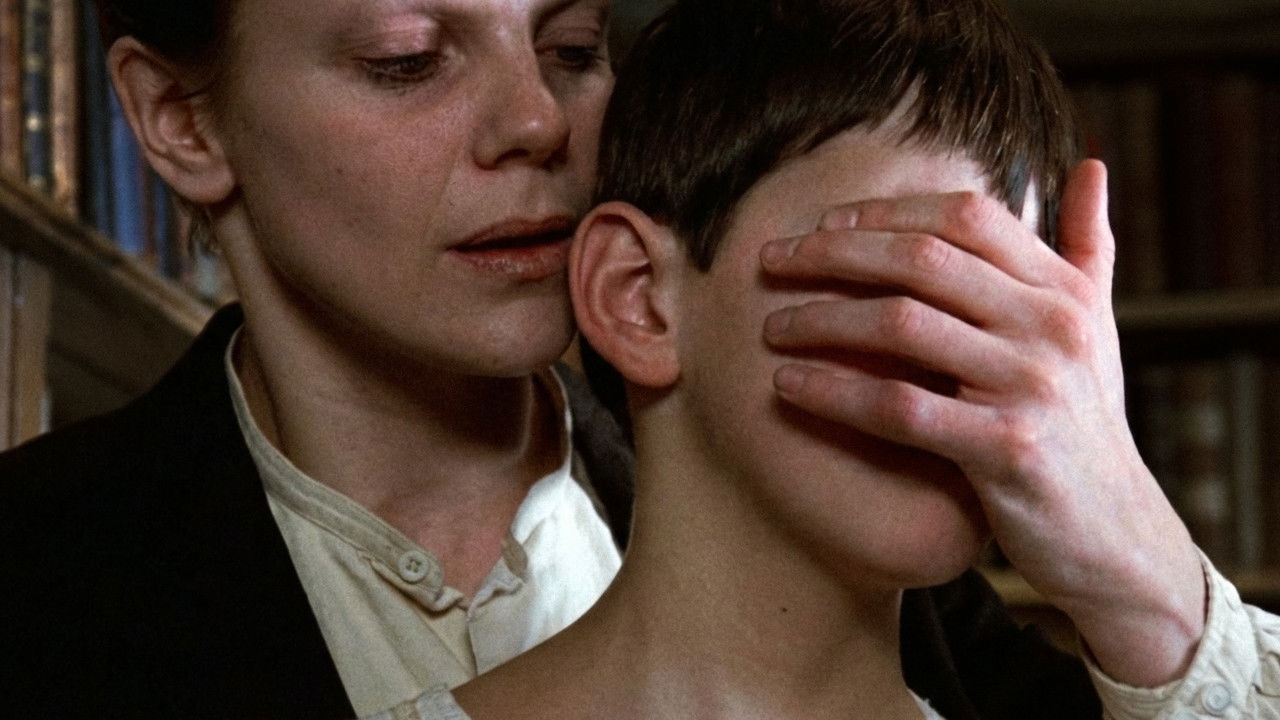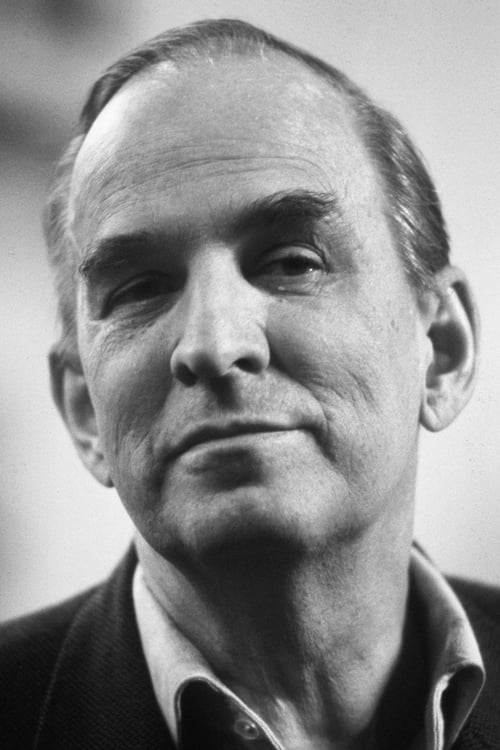
Sweden · 1918–2007
Ingmar Bergman
He shot on an island in summer and directed theatre with the same actors in winter; both jobs were done with the same faces.
“Film as dream, film as music. No art passes our conscience in the way film does.”
Bergman'ın kendi yazısı (Laterna Magica / Dört Senaryo önsözü)
The Director Who Filmed the Soul
Ingmar Bergman added nothing to cinema. He took everything away from it — the sets, the music, the explanations, the consolations — until nothing was left but the human face. And in that face he saw what no other director had seen.
He was born in 1918, the son of a Protestant pastor. The silence of God, guilt and the fear of death: these were the wounds he carried out of childhood. But Bergman did not hide them. He put them on the screen, looked the viewer in the eye and said: you feel this too, don't you?
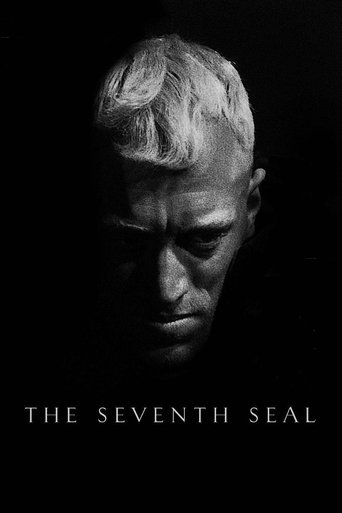
When Det sjunde inseglet — The Seventh Seal — came out in 1957, the history of cinema split in two. A knight was playing chess with death. The image was so strong that it has never left us.
Across sixty years Bergman made more than forty films. In every one of them he asked the same question: what does it mean to be human? He never answered it. But he built such a beautiful place in which to ask that no viewer ever stopped looking for the answer.
**The island of Fårö — out in the Baltic, cold and bare — became his home.** He spent his last years there. Forest, stone, sea. Far from the city, from Hollywood, from praise. Perhaps it was only there, in that silence, that he found what he had been looking for in his films.
THE WORLD OF Ingmar Bergman
Bergman films the human face as if it were a landscape. His camera moves in on a woman's eye and stays there, because for him the real drama is not outside but in the quiet collapse behind that face. Priests losing their faith in a universe where God has gone silent, women turning into one another, knights playing chess with death — Bergman's characters always stand at the same edge: is there meaning, or are we the only ones looking for it? His films are not afraid to ask, and when they refuse to answer they do so out of honesty.
Sweden's cold light, its long winters, its Lutheran guilt are the texture of his cinema. But what makes Bergman universal is that what he drew from this very private well belongs to everyone: loneliness, the fear of death, the thin crack between loving and going unloved. He learned staging from the theatre, the face from painting, and silence from his own darkness. Watching a Bergman film is like being left alone with someone else's soul — uncomfortable, naked, and unforgettable for exactly that reason.
Where to start
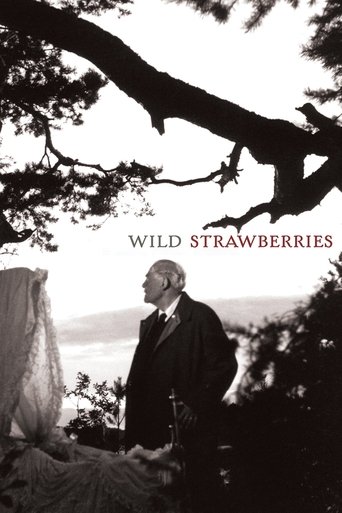
 Wild Strawberries 1957
Yaşlı bir adamın tek günlük yolculuğu. Geçmiş, pişmanlık ve barış — üç saatte bir ömür.
 The Seventh Seal 1957
Ölümle satranç. Bergman'ın imzası.
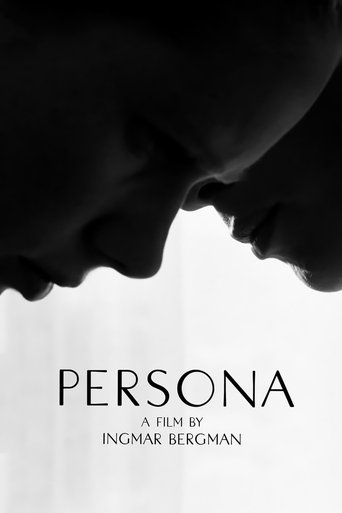
 Persona 1966
Sinema tarihinin en cesur deneyi.
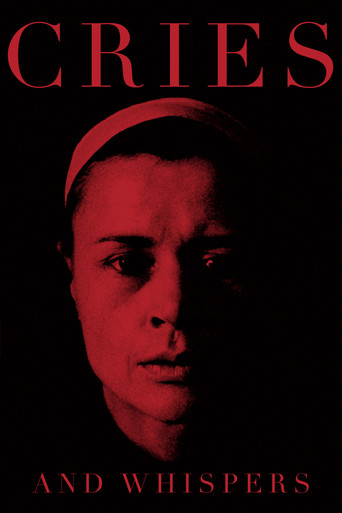
 Cries and Whispers 1972
Kırmızı odalar, ölüm, kardeşlik.
 Fanny and Alexander 1982
Bergman'ın son filmi. Otobiyografik, epik.
Canon films

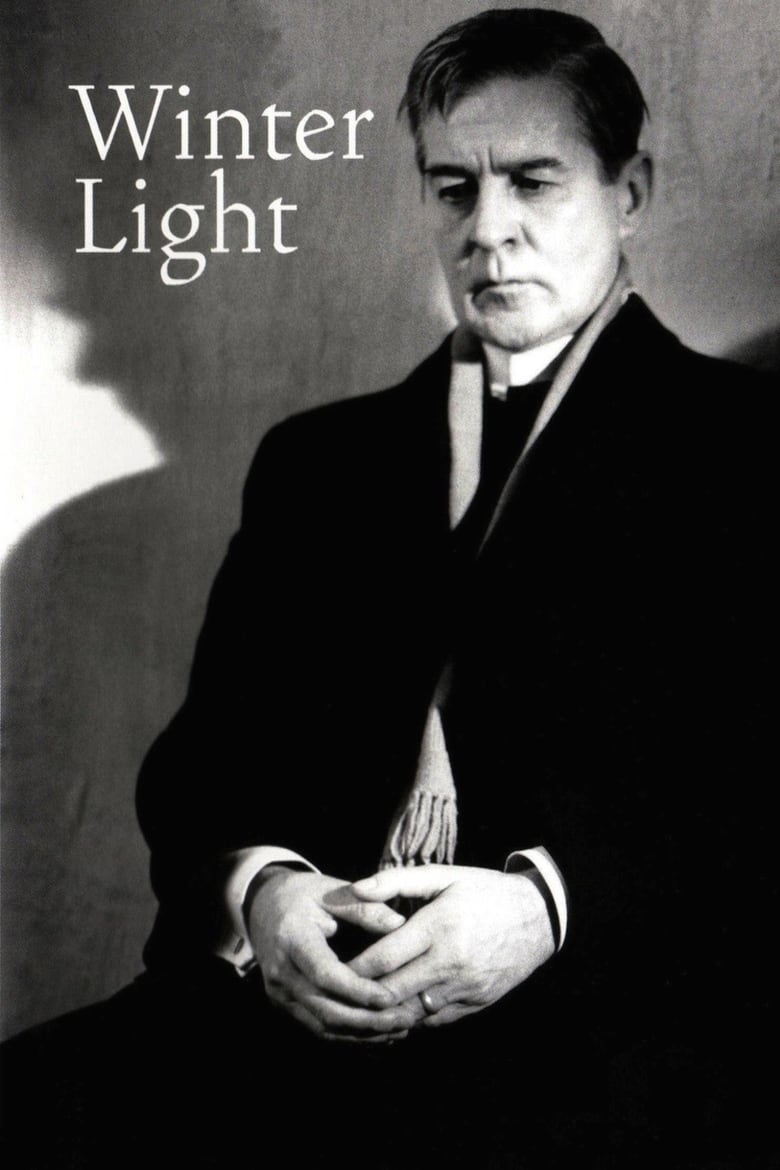


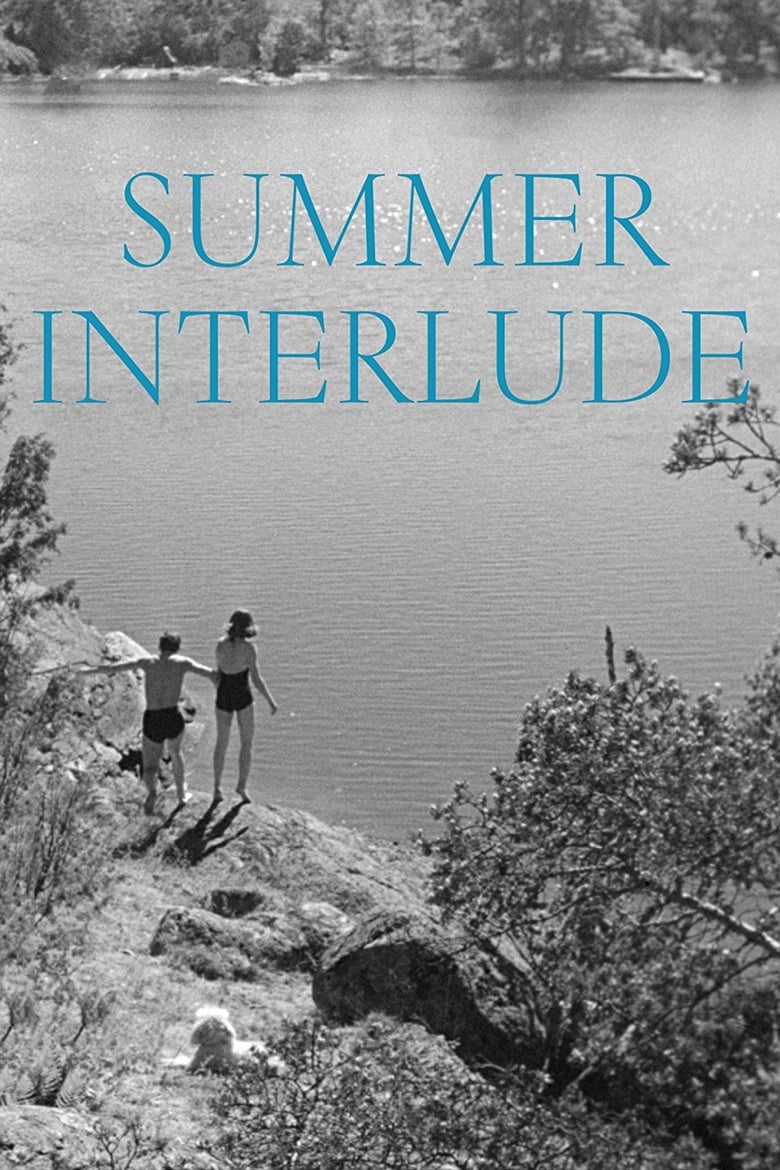


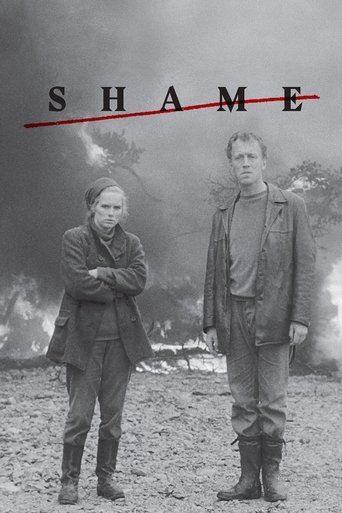
Filmography

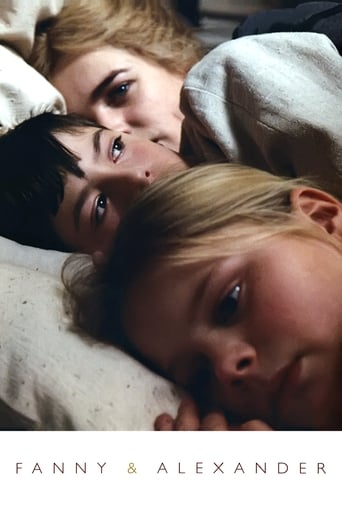
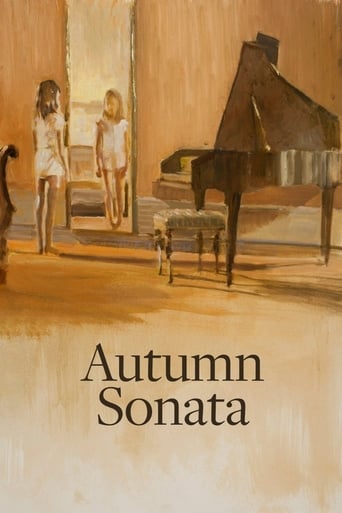
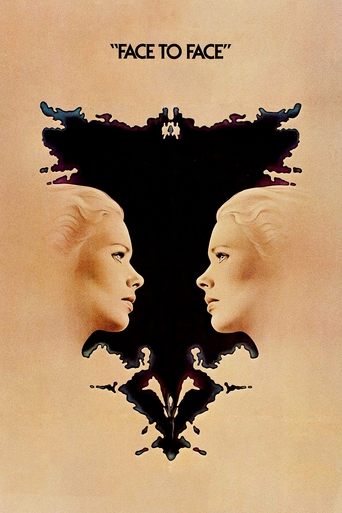
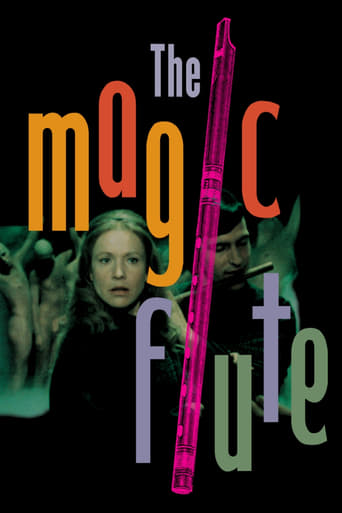

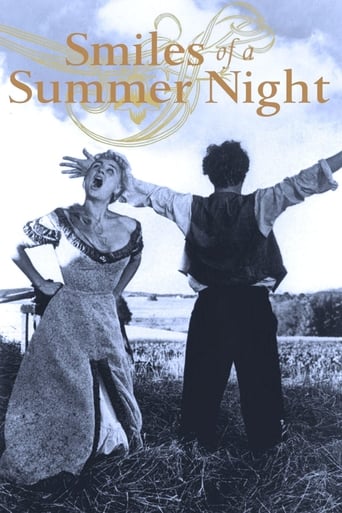
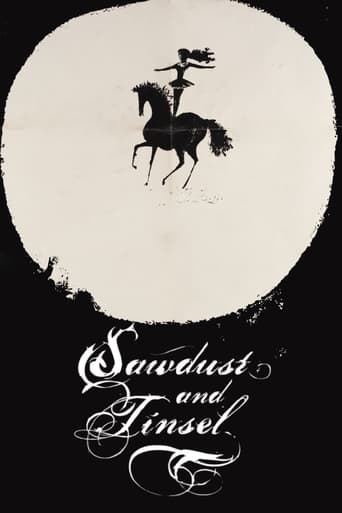

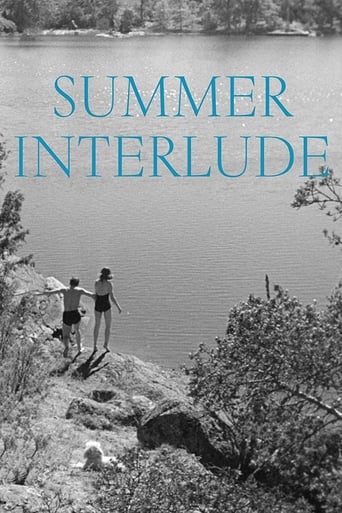
Awards
- Academy Awards · 1983 · won · Fanny and Alexander
- David di Donatello · 1983 · won · Fanny e Alexander
- David di Donatello · 1983 · won · Fanny e Alexander
- DirectingAcademy Awards · 1983 · nominated · Fanny and Alexander
- Writing (Screenplay Written Directly for the Screen)Academy Awards · 1983 · nominated · Fanny and Alexander
- Writing (Screenplay Written Directly for the Screen)Academy Awards · 1978 · nominated · Autumn Sonata
- Best DirectingAcademy Awards · 1976 · nominated · Face to Face
- David di Donatello · 1973 · won · Sussurri e grida
See all · 18
- Best DirectingAcademy Awards · 1973 · nominated · Cries and Whispers
- Writing (Story and Screenplay – Based on Factual Material or Material Not Previously Published or Produced)Academy Awards · 1973 · nominated · Cries and Whispers
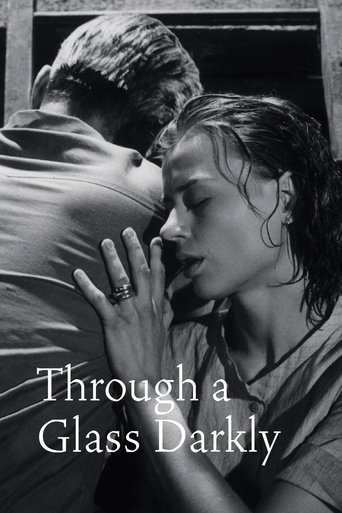
- Writing (Story and Screenplay – Written Directly for the Screen)Academy Awards · 1962 · nominated · Through a Glass Darkly
- Academy Awards · 1961 · won · Through a Glass Darkly
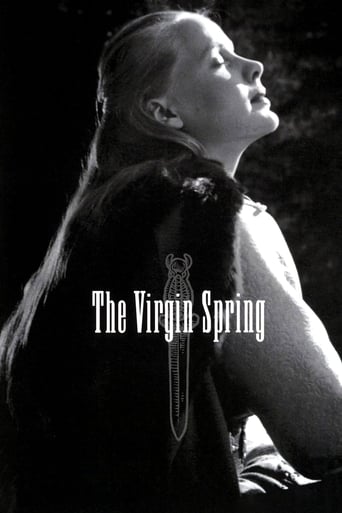
- Academy Awards · 1960 · won · The Virgin Spring
- Writing (Story and Screenplay – Written Directly for the Screen)Academy Awards · 1959 · nominated · Wild Strawberries
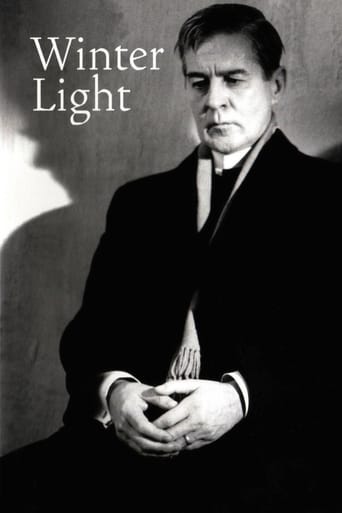
- Valladolid International Film Festival (Seminci) · 1966 · won · Winter Light
- Valladolid International Film Festival (Seminci) · 1961 · won · The Virgin Spring
- Valladolid International Film Festival (Seminci) · 1960 · won · The Seventh Seal
- Berlin International Film Festival · 1958 · won · Wild Strawberries
Interviews
- Interview Archive
- ITN (1990)