Sri Lanka
Lester James Peries
He took the camera out of the studio and into the village; Sinhala cinema starts there.
When Peries started making films, the pictures shot in Sri Lanka followed a South Indian template: studio sets, songs, fight scenes, an artificial way of speaking. The island had no cinema of its own; it was watching a copy of somebody else's.
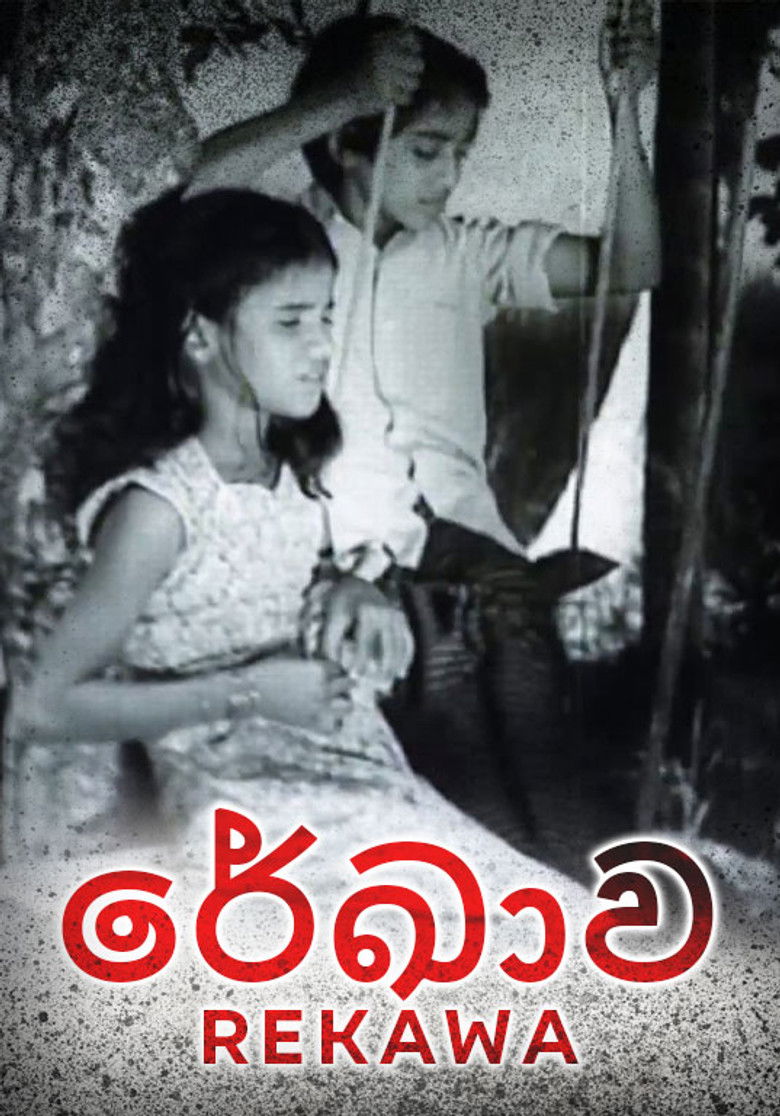
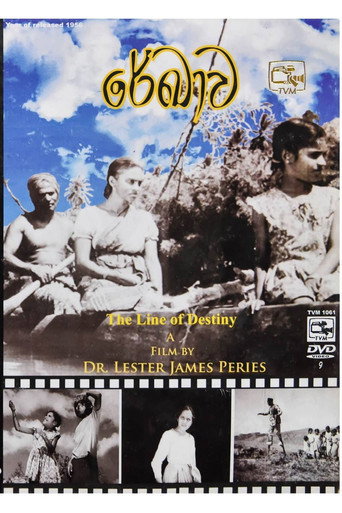
He shot his first feature entirely outdoors, in real villages. The performers were local, the language everyday, the story that of a village boy and the beliefs placed on him. A country that had never appeared on screen appeared for the first time.
It didn't work commercially — audiences couldn't find what they were used to. But the film was noticed abroad and opened a road in Sinhala cinema; those who came after walked down it.
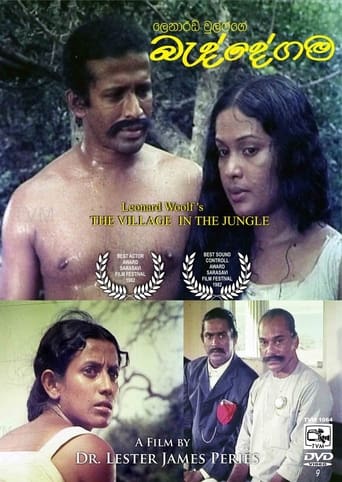
In the films that followed he added something to the realism. The slow time of the countryside, how a difference in class ends a love, a family quietly coming apart as it loses its land. In his darkest film he looked at where the search for a treasure takes a man — there realism gives way to an anatomy of the mind.
- CameraReal villages, natural light — no studio sets.
- SoundEveryday speech and few songs — the expected musical pattern is broken.
- SignatureA country seeing its own face on screen for the first time.