Ireland
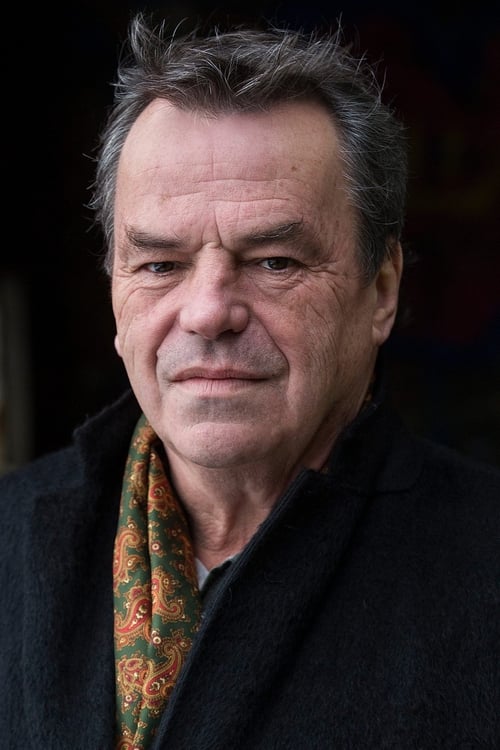
Neil Jordan
Everyone has a secret, and once it's out nobody is who they were.
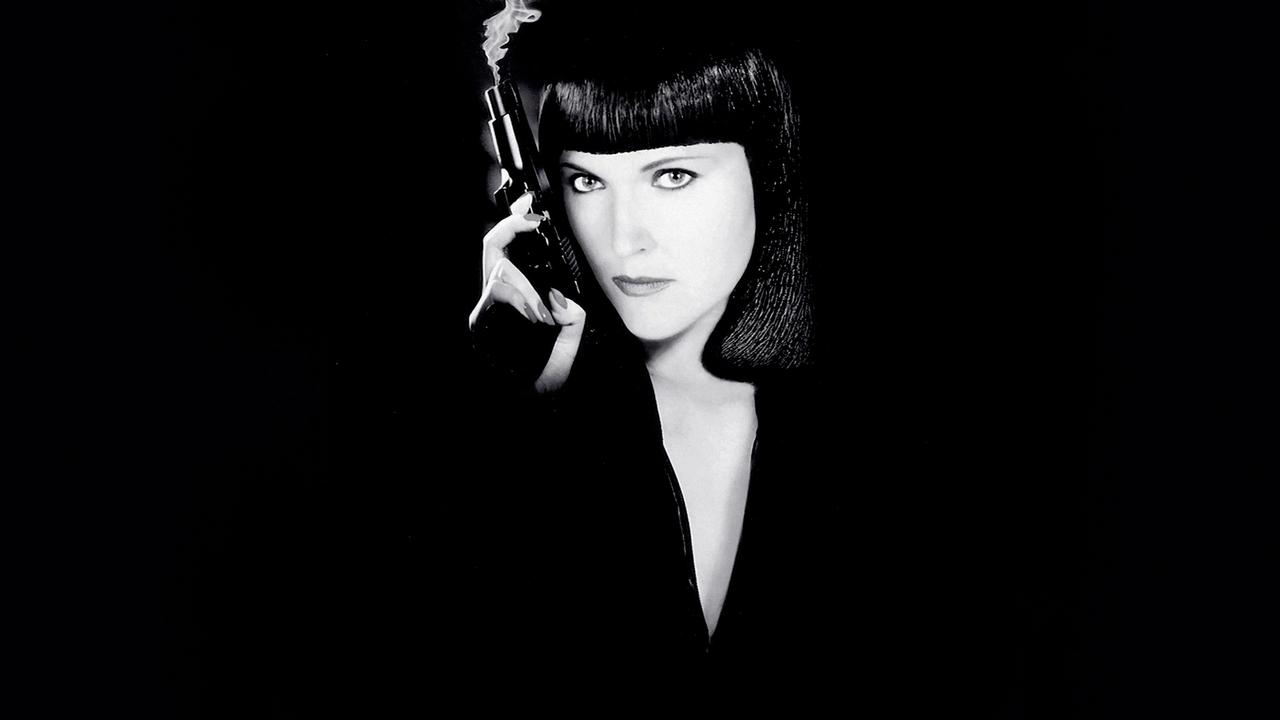
Jordan's films look for a moment of transformation. Someone hides a thing, someone else falls in love with that thing, then the cover comes off — and from that point the film becomes another film. The genre set up in the first half collapses in the second.
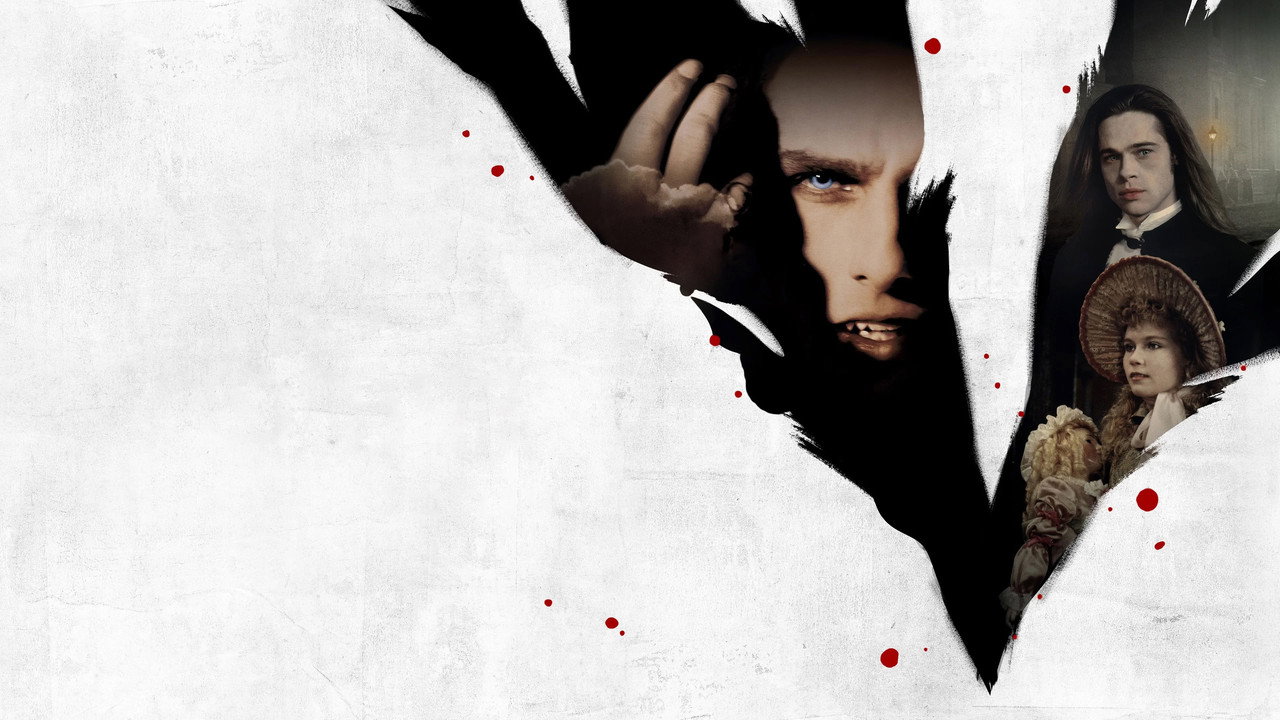
He keeps fairy tale and violence in the same sentence. A wolf story turns into a fear of adolescence, a vampire story into a confession of loneliness. Ireland's own violence enters on the same logic: the politics are never explained, they are felt through a house, a street, a child.
His characters are usually people left outside — at the edge of a class, a gender, a country. Jordan doesn't try to fix them. He shows how hard it is to belong anywhere, and leaves them there.
- CameraClose-up and secret — the face carries what isn't said.
- SoundA song cuts in; music is used like a confession.
- SignatureThe genre collapses midway: you don't finish the film you started.




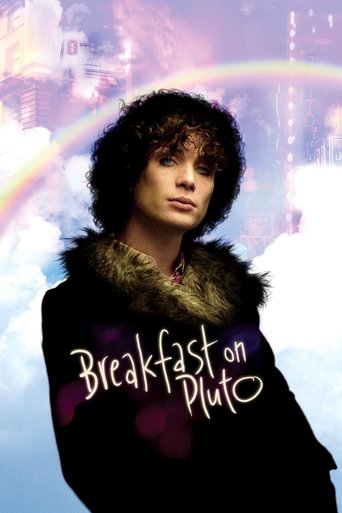

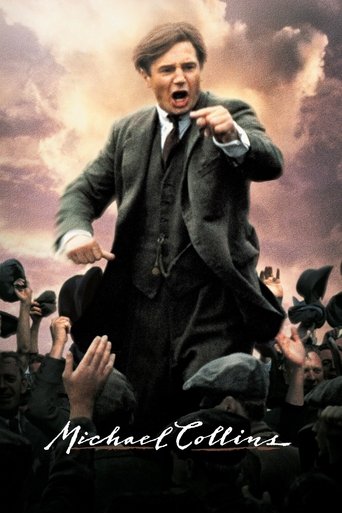
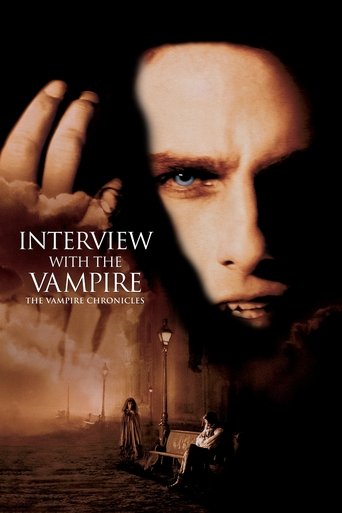
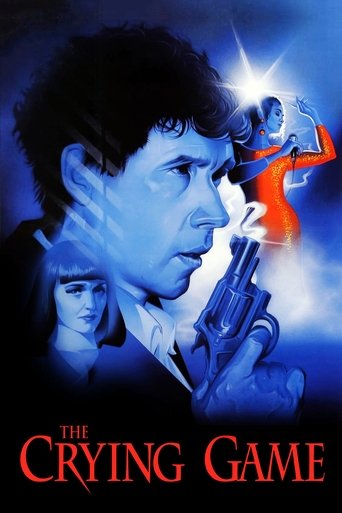
Awards
- BAFTA · 1999 · won · The End of the Affair
- Best DirectionBAFTA · 1999 · nominated · The End of the Affair
- Academy Awards · 1992 · won · The Crying Game
- Best DirectingAcademy Awards · 1992 · nominated · The Crying Game
- Best DirectionBAFTA · 1992 · nominated · The Crying Game
- Best Original ScreenplayBAFTA · 1992 · nominated · The Crying Game
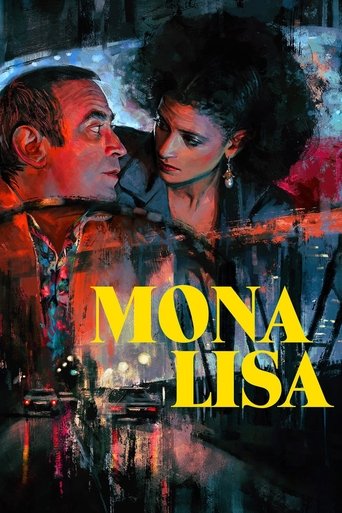
- Best DirectionBAFTA · 1986 · nominated · Mona Lisa
- Best Original ScreenplayBAFTA · 1986 · nominated · Mona Lisa
See all · 11
- Venice Film Festival · 1996 · won · Michael Collins
- Valladolid International Film Festival (Seminci) · 1986 · won · Mona Lisa
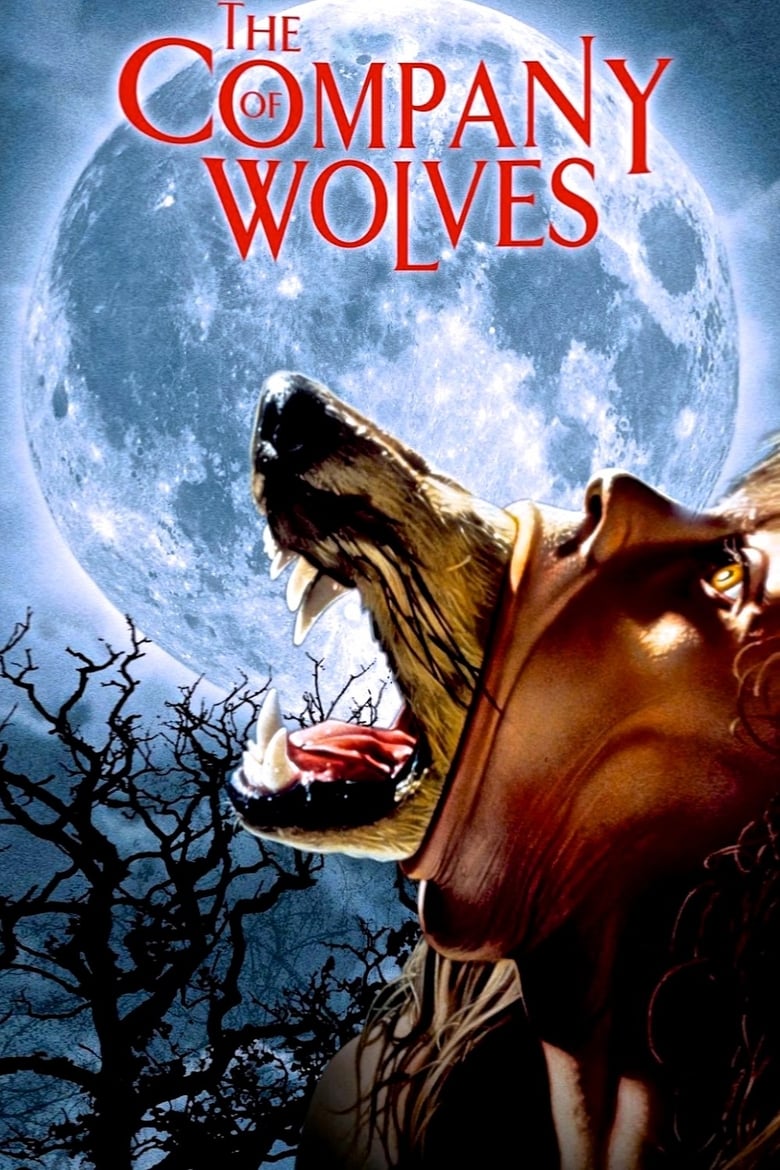
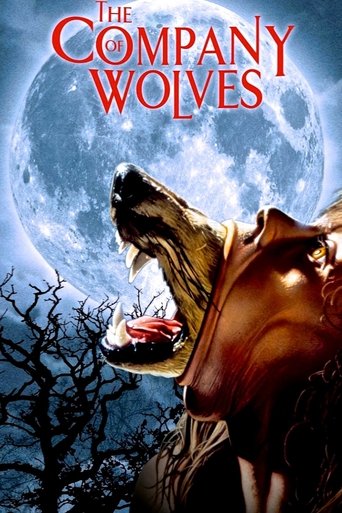
- Sitges Film Festival · 1984 · won · The Company of Wolves