Chile · 1976
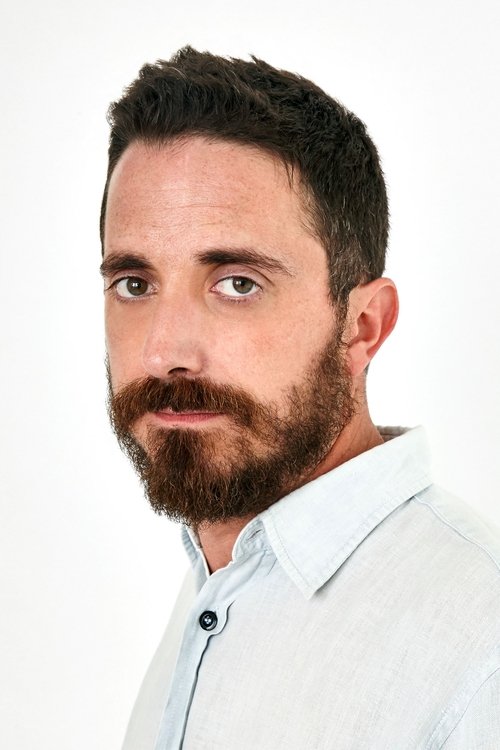
Pablo Larraín
He shot period on old cameras with the flawed image of the period itself, refusing to hand over a clean past.
THE WORLD OF Pablo Larraín
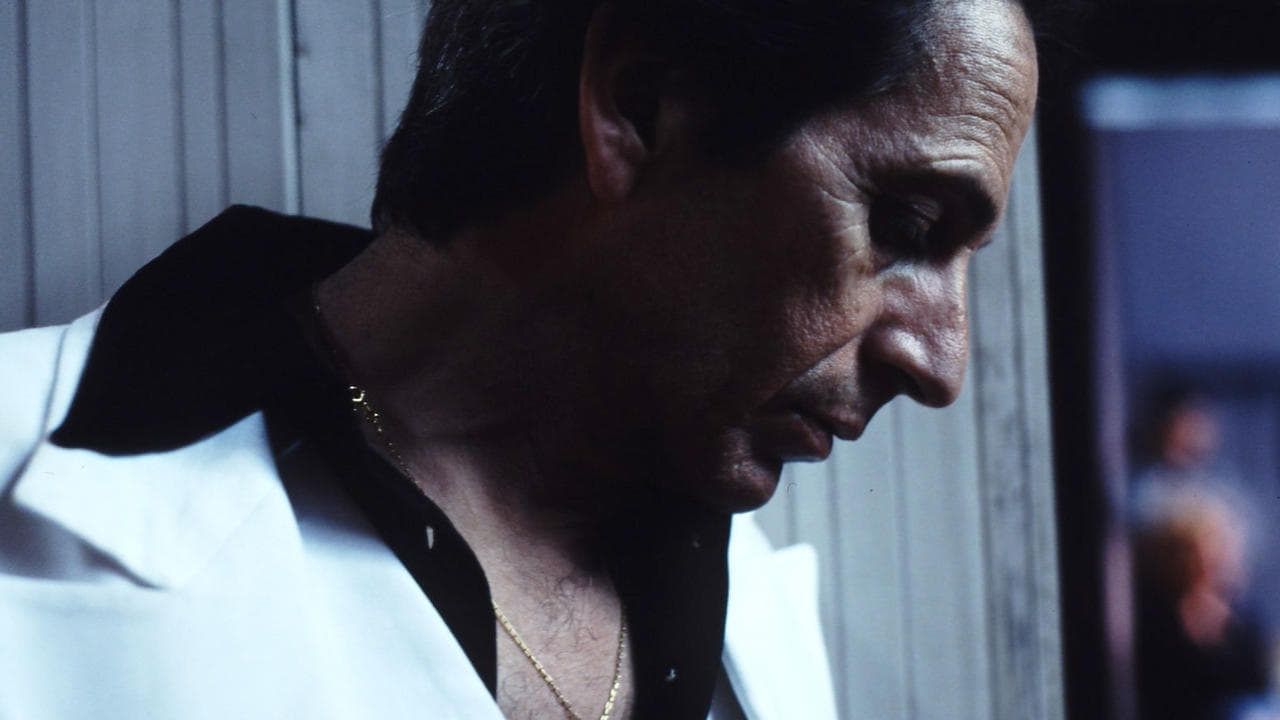
Larraín grew up in the shadow of Chile's dictatorship years and never left that shadow behind. In Tony Manero a man in Pinochet-era Santiago, obsessed with Travolta in Saturday Night Fever, kills to become like him. The country and the character share the same emptiness.
In No he told the story of the 1988 referendum: in the vote that would decide whether Pinochet stayed, an adman preparing the opposition's television campaign decides to sell joy instead of anger. Larraín shot the film on the old video cameras of those years; the archive footage and his own images become impossible to tell apart.
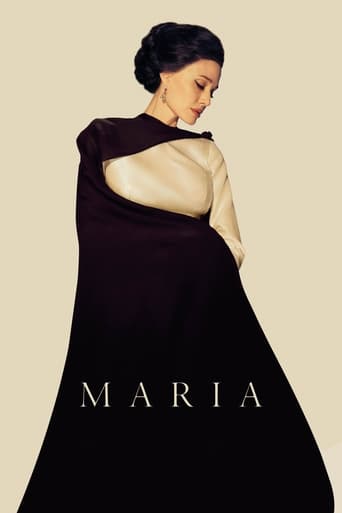
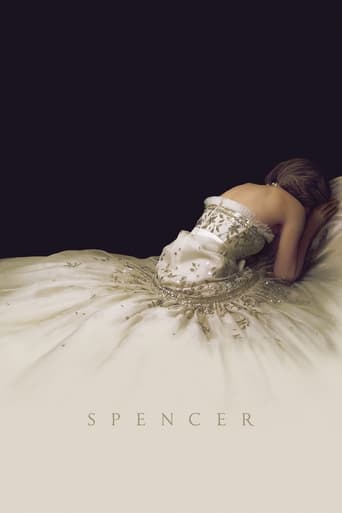
Then he turned to some of the world's most famous women and showed them at their most fragile: Jackie Kennedy in the days after the assassination, Princess Diana over a Christmas holiday, Maria Callas in her final days. For Larraín, history is told not through crowds but through people left alone in rooms.
- CameraToo close to the face; close enough to hear the breath.
- SoundScraping strings, a tape recorder, the hum of a crowd.
- SignatureA background that never settles; the woman is left alone in it.
Where to start


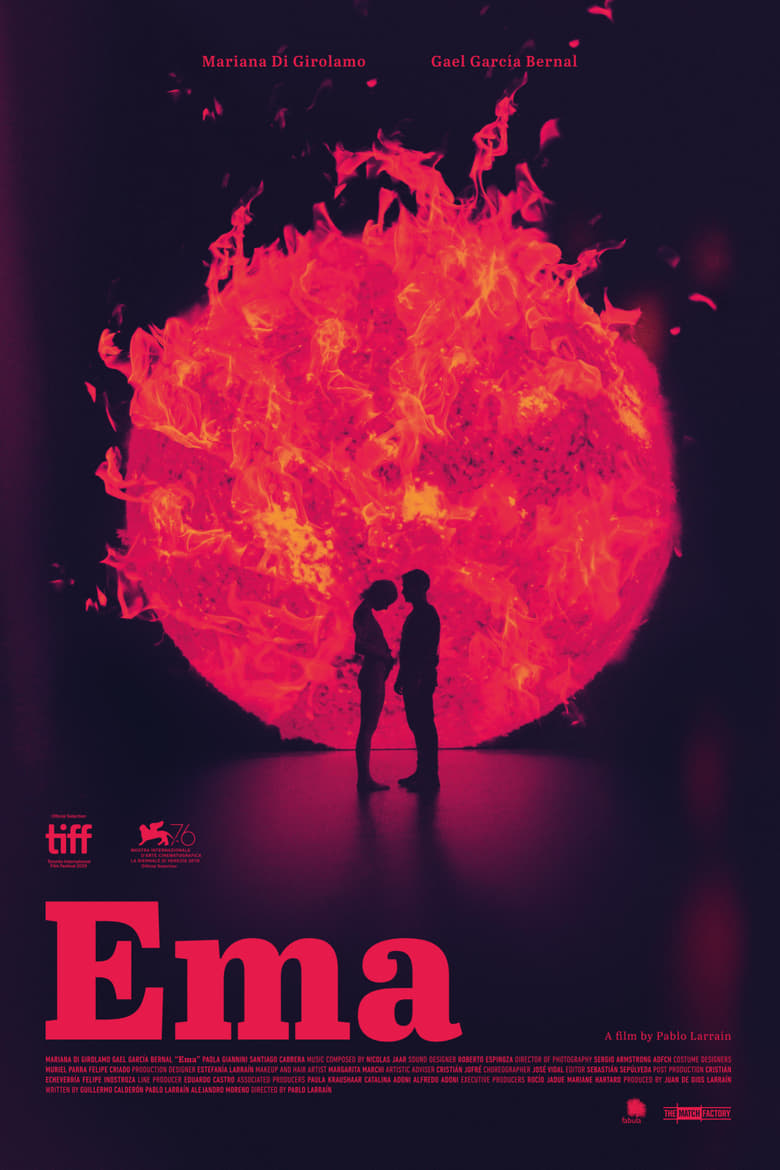




Awards
- Best Foreign Language FilmAcademy Awards · 2012 · nominated · No
- Venice Film FestivalVenice Film Festival · 2023 · nominated · El Conde
- Venice Film FestivalVenice Film Festival · 2021 · nominated · Spencer
- Venice Film FestivalVenice Film Festival · 2016 · nominated · Jackie
- İstanbul Film Festival · 2009 · won · Tony Manero