Directors/Terry Gilliam

United Kingdom
Terry Gilliam
The one who dreams is called mad; the film takes their side.
Gilliam's world is crowded, tangled and airless. Something is happening in every corner of the frame, wide lenses distort the faces, the camera tilts. An orderly image is almost absent, because the world he describes isn't orderly.
Bureaucracy is his real enemy. Forms, ducts, approval stamps, endless corridors — the system is stupid and unbeatable. The hero doesn't fight it; he gets lost inside it.
Imagination stands as the only way out. The character escapes, invents, builds another world. Gilliam won't say whether it works; he only shows that the escape is necessary. His endings are often uncertain, and the uncertainty is deliberate.
- CameraWide lenses, tilted frames, corners full of detail.
- SoundLayered noise — the system's sound drowns the speech.
- SignatureBureaucracy can't be beaten; imagination is the only escape.
Canon films

Monty Python and the Holy Grail
Terry Gilliam · 1975
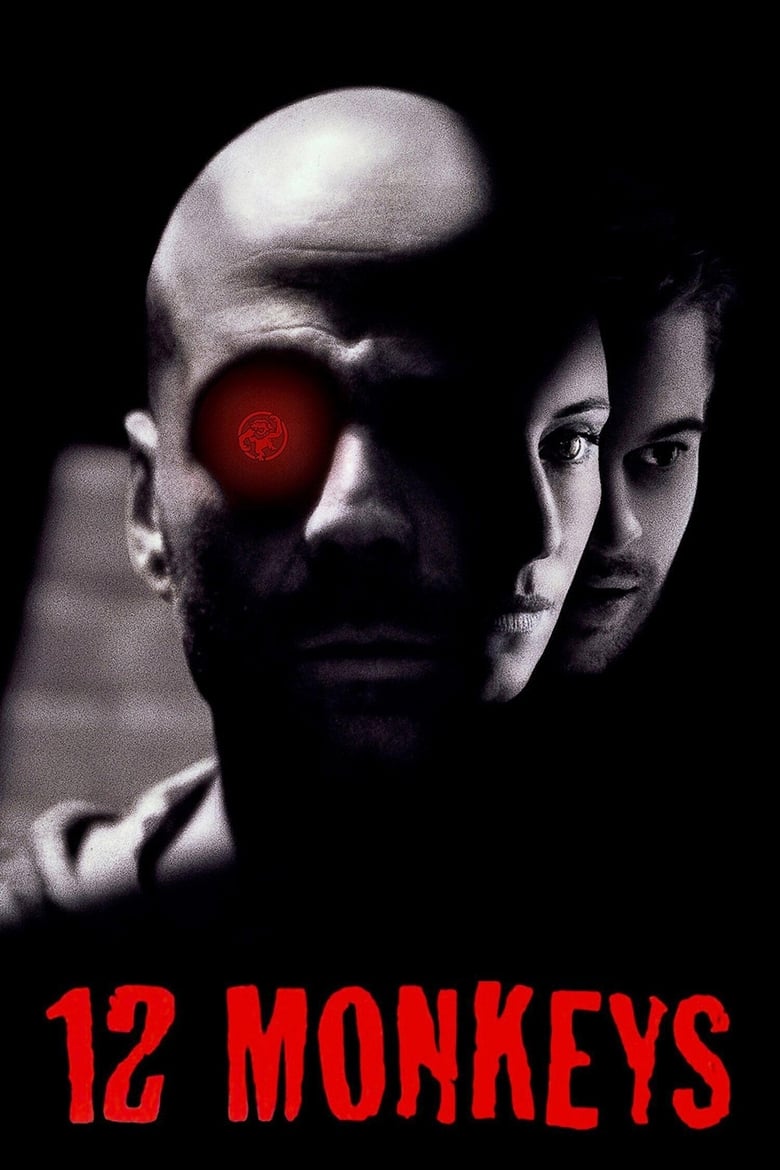
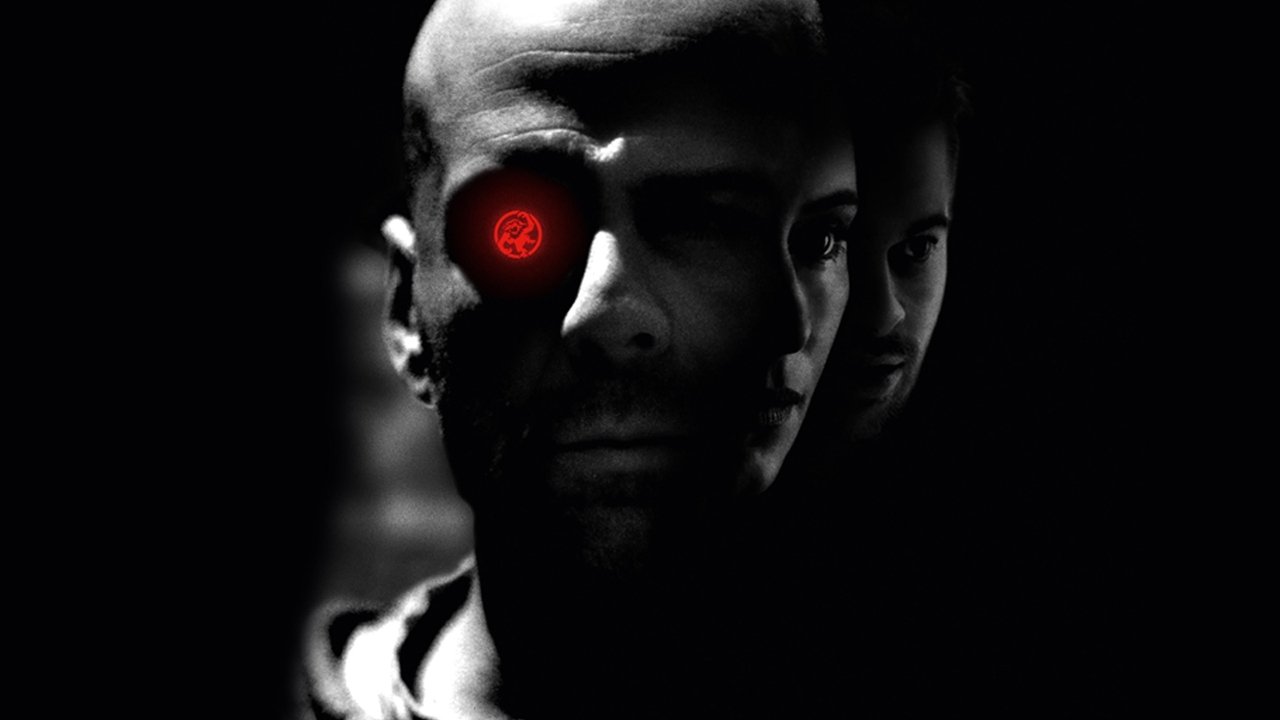
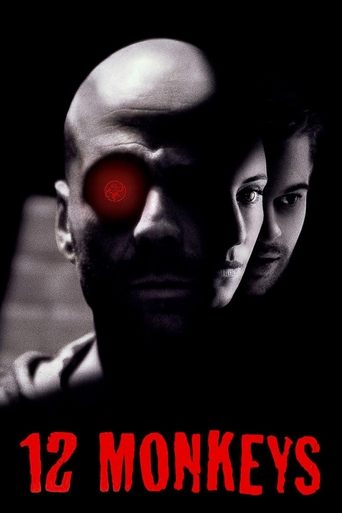
12 Monkeys
Terry Gilliam · 1995

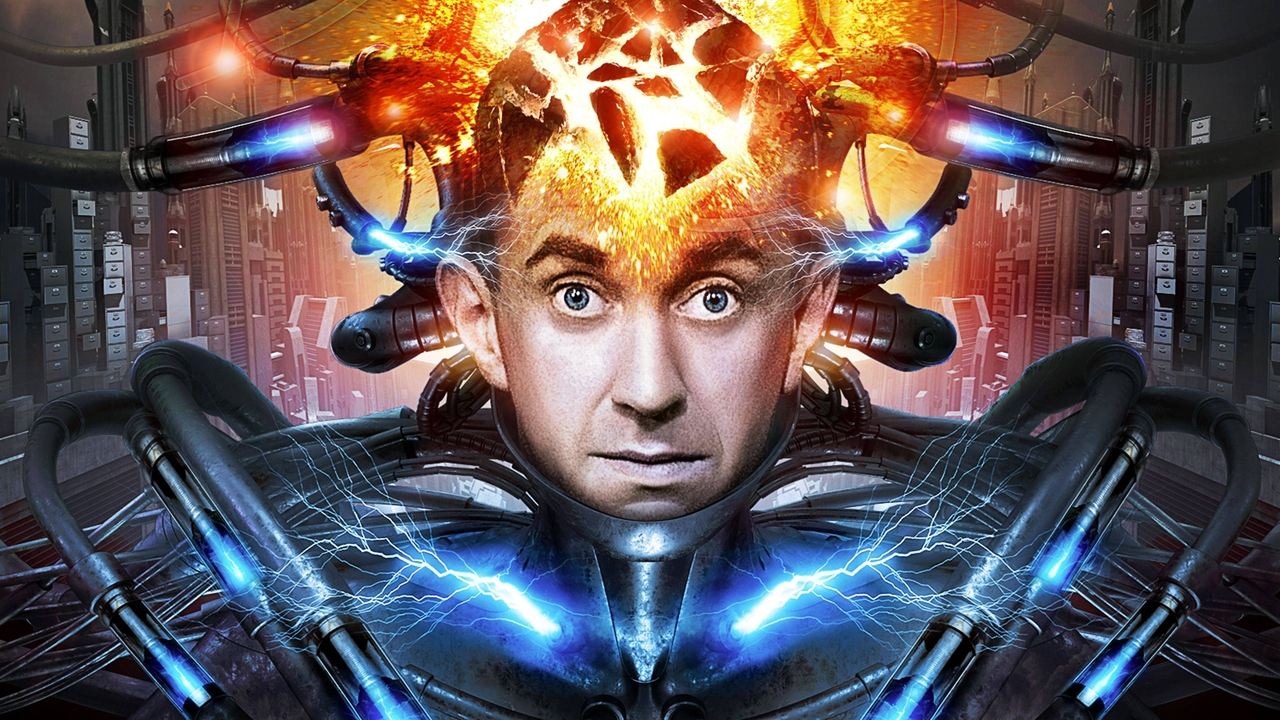
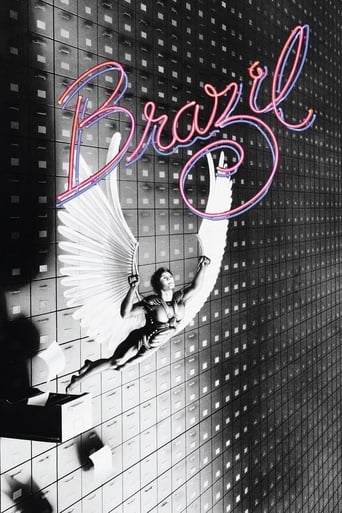
Brazil
Terry Gilliam · 1985
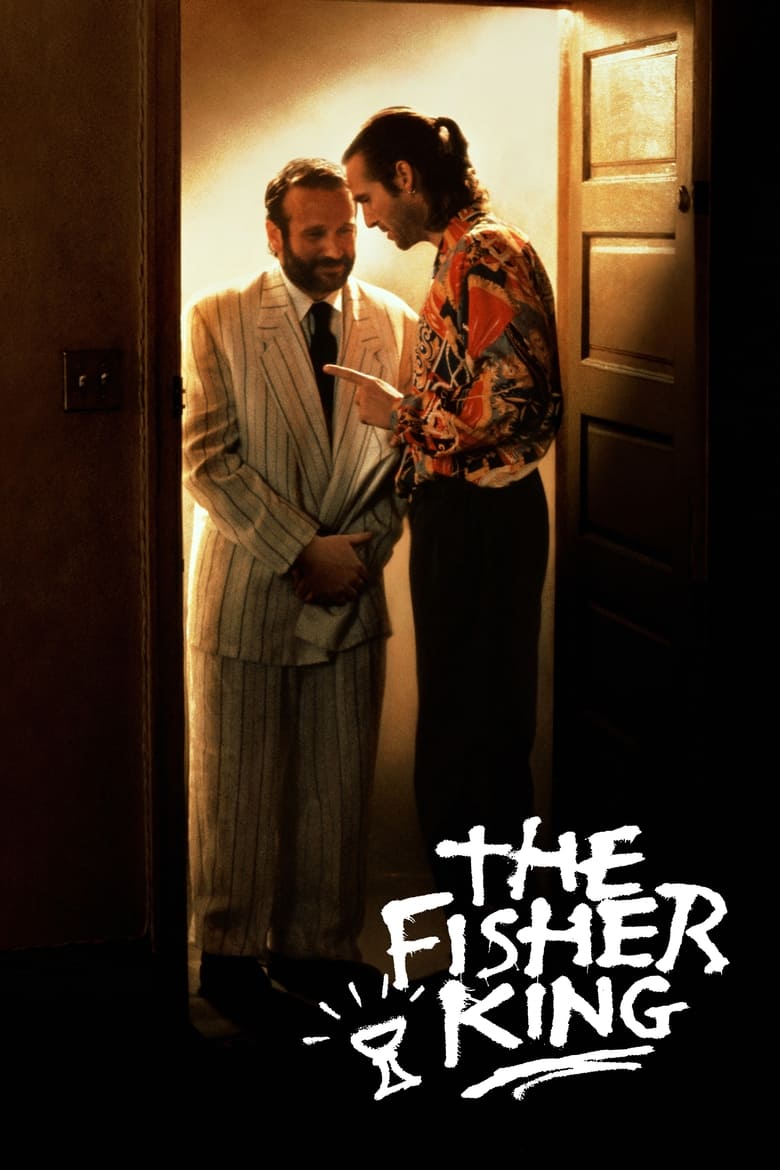
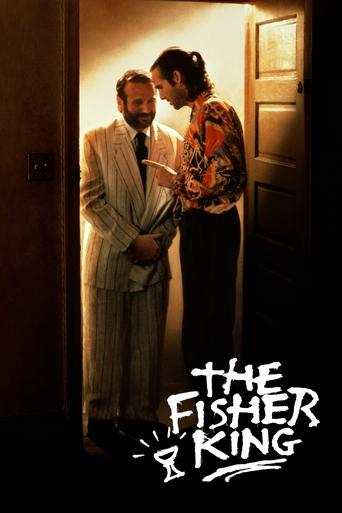
The Fisher King
Terry Gilliam · 1991

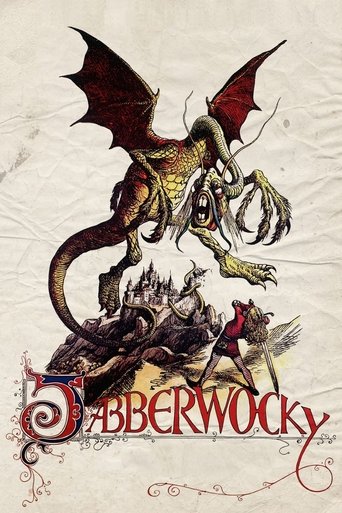
Jabberwocky
Terry Gilliam · 1977

Time Bandits
Terry Gilliam · 1981

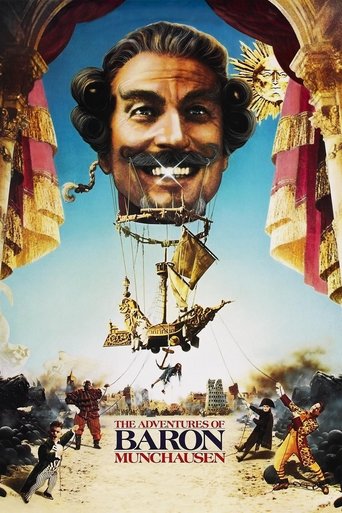
The Adventures of Baron Munchausen
Terry Gilliam · 1988

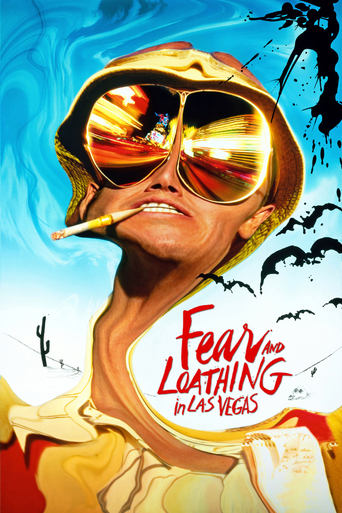
Fear and Loathing in Las Vegas
Terry Gilliam · 1998


Awards
- Writing (Screenplay Written Directly for the Screen)Academy Awards · 1985 · nominated · Brazil
- Toronto International Film Festival · 1991 · won · The Fisher King