Forms
Documentary
What happens when a camera chooses to record rather than construct? The films here side with the real, yet none of them is neutral.
Recorded in Music
Concert, rehearsal, studio; documentaries where sound directs the image.
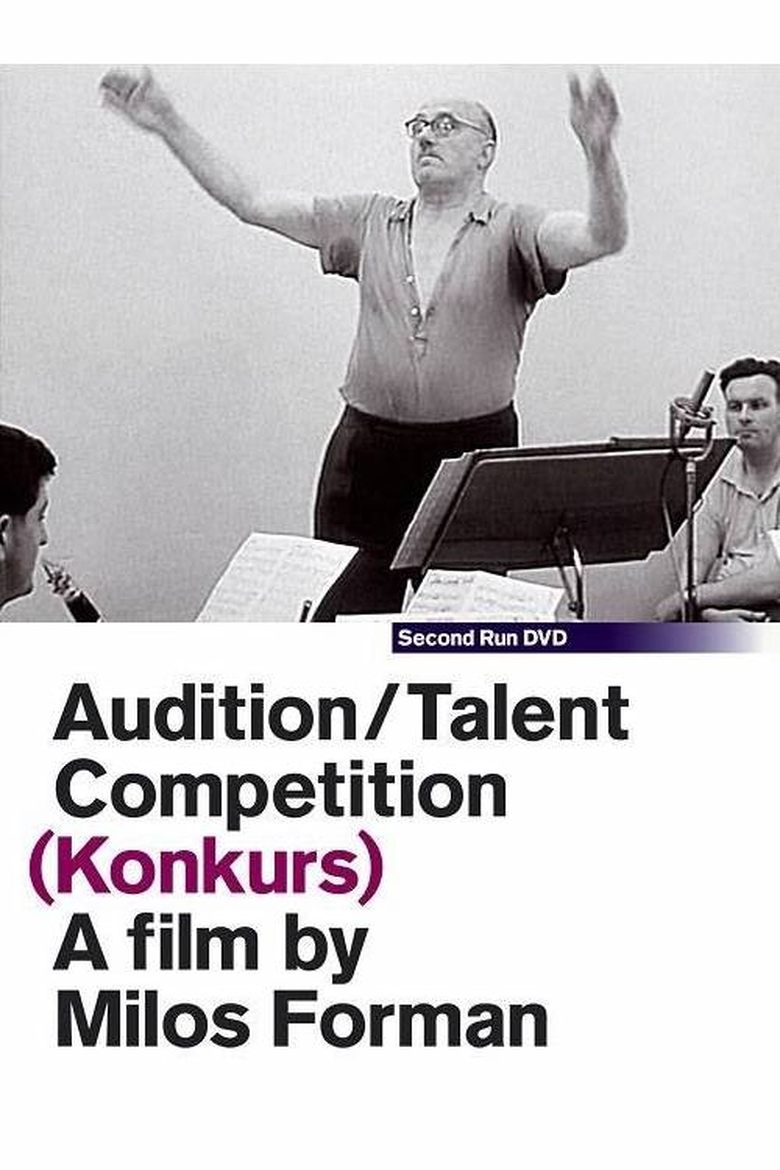
Young hopefuls are auditioned one by one; Forman puts the camera not in the jury's seat but among those waiting.

Summer festivals in rural Portugal; while the documentary is being shot, the film slides quietly into fiction.
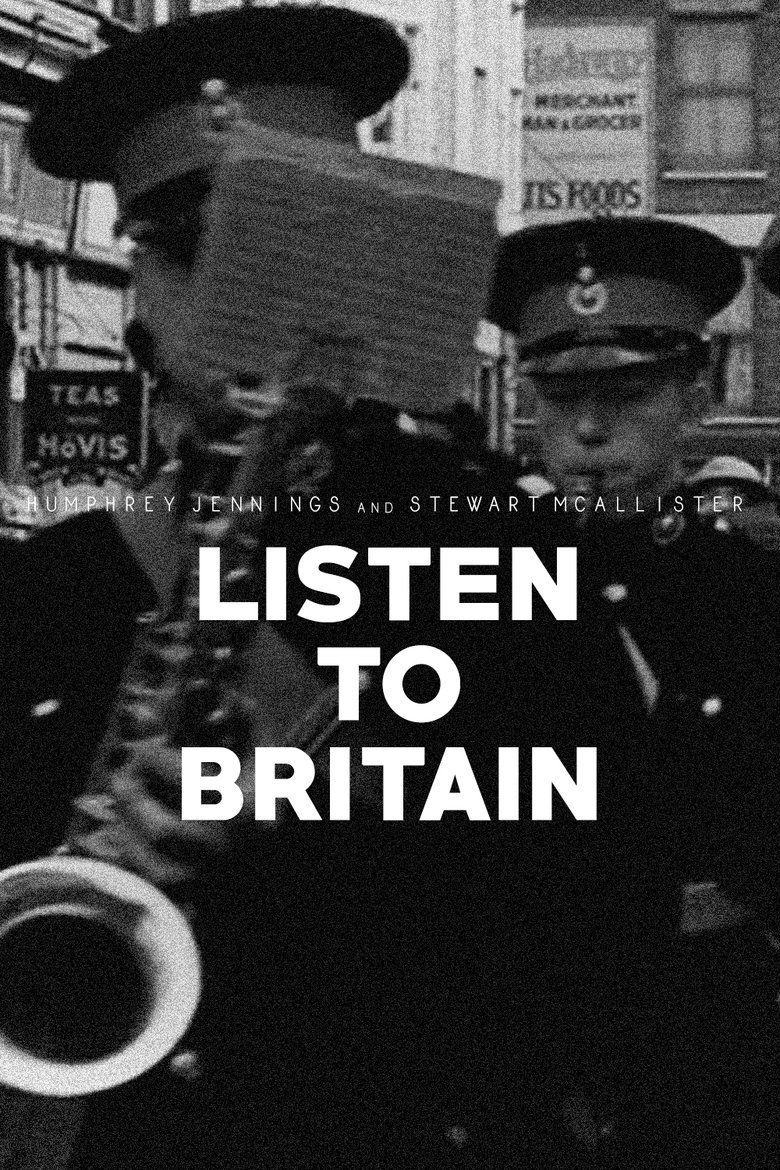
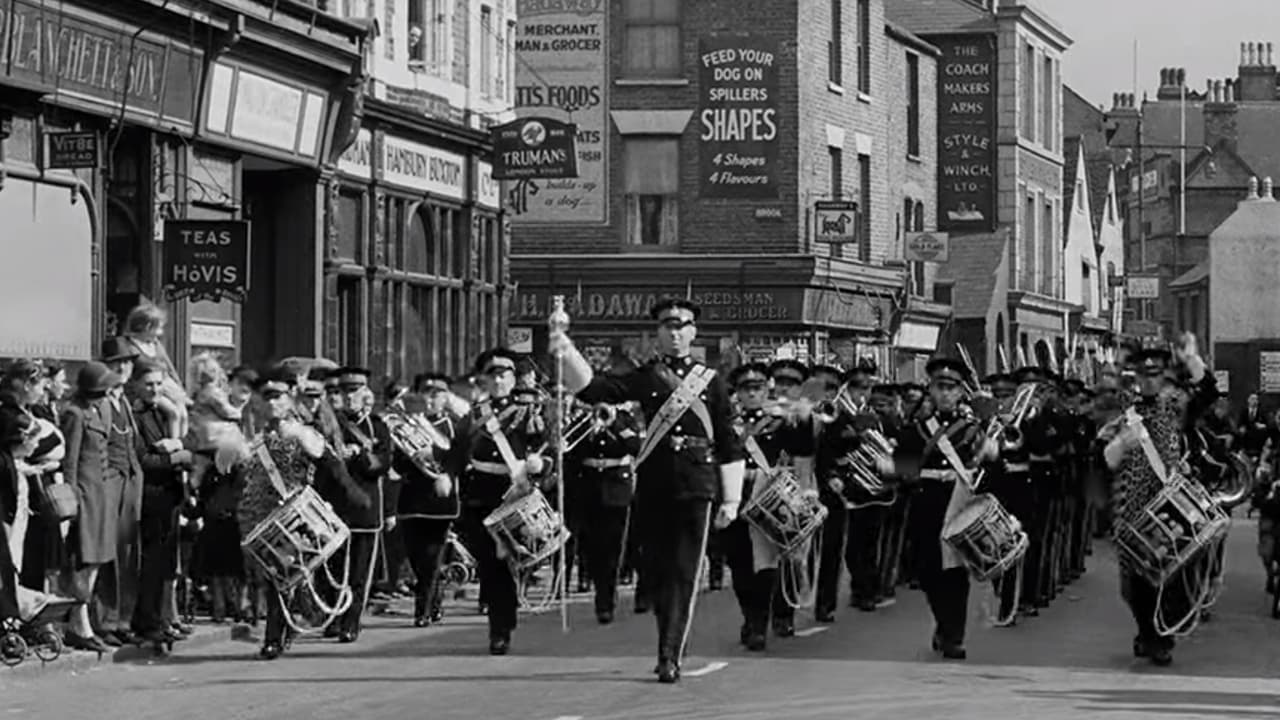
The sounds of a country at war: factory, dance hall, concert. No narrator, only sound.

Two years around a recording studio; it looks less at the sessions than at the people around them.

The man at the piano and the man offstage; the camera keeps the distance between them.
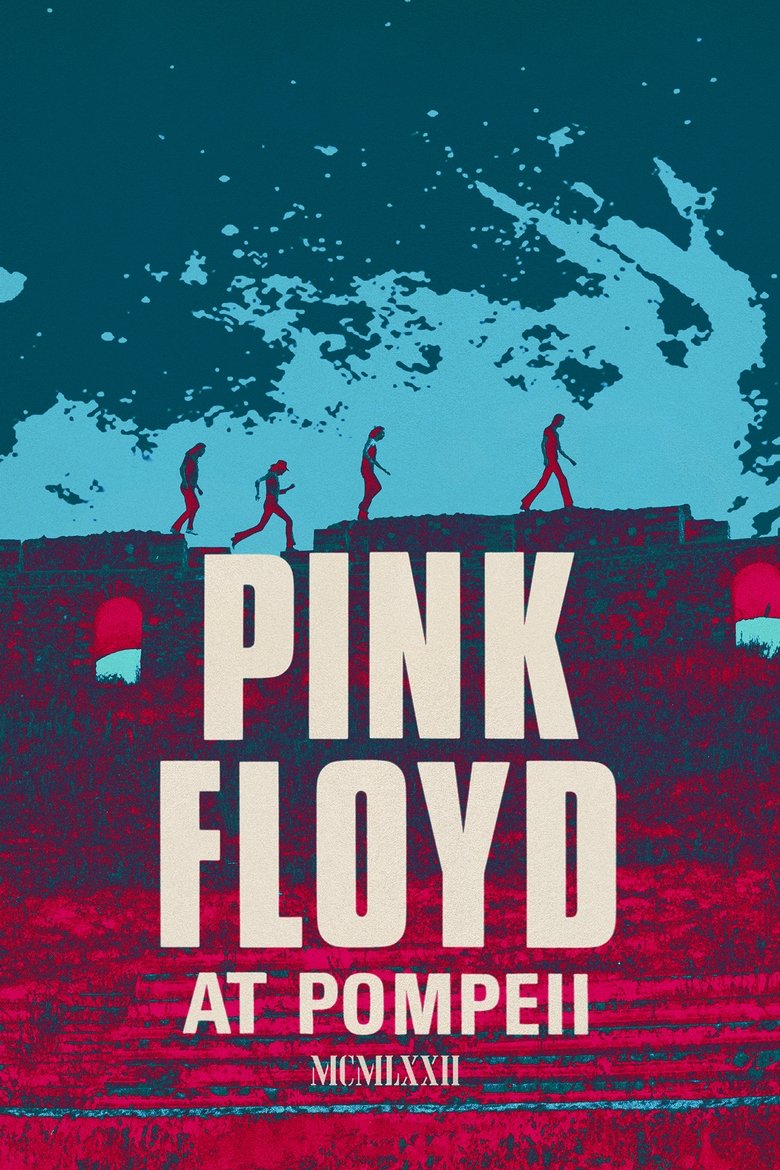
A concert without an audience in an empty ancient amphitheatre. With no applause, the music is heard differently.

Elderly Cuban musicians come together again; the songs double as the story of a generation.

A band's farewell concert; the camera records the backstage exhaustion more than the stage.

A concert film ends up witnessing a killing; the camera does not try to solve it, only to watch it again and again.

A touring singer's rooms, corridors and journalists; backstage is recorded as fully as the stage.
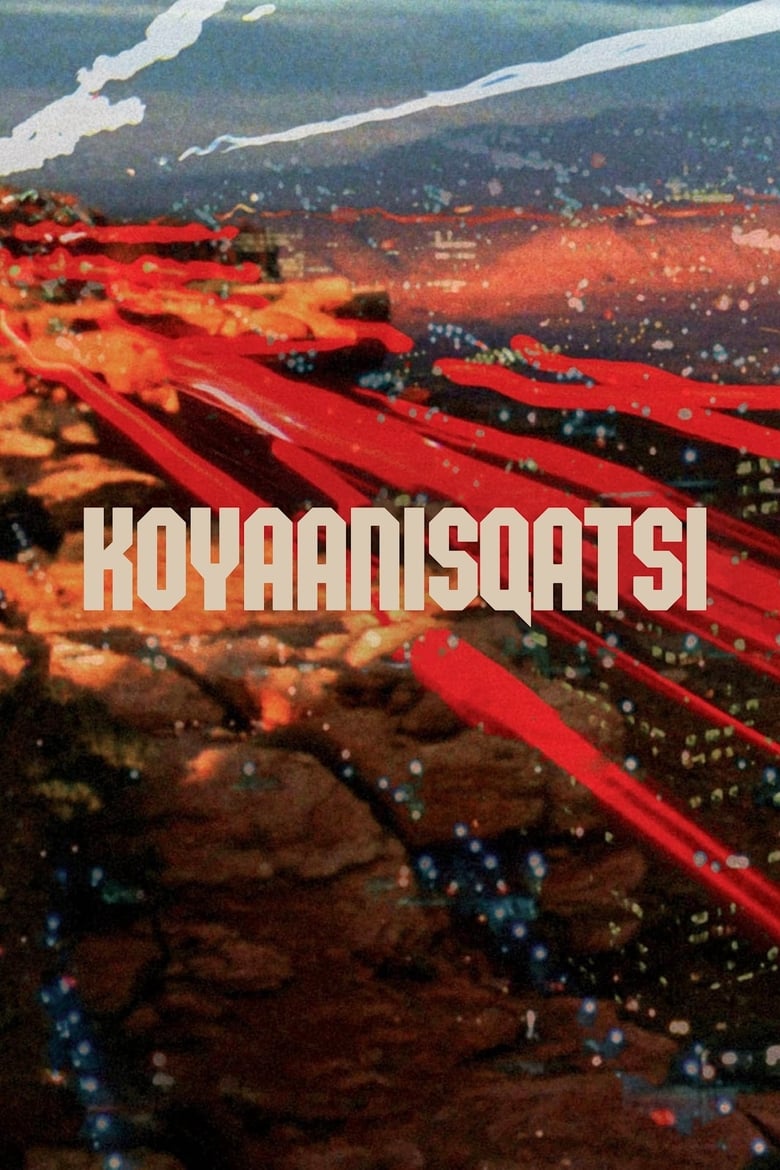
No dialogue, no narrator; image and music are built as a single flow.

A band told through the experimental film language of its era; the documentary's form imitates its subject.

No interviews, no experts; only archive and the voice itself.
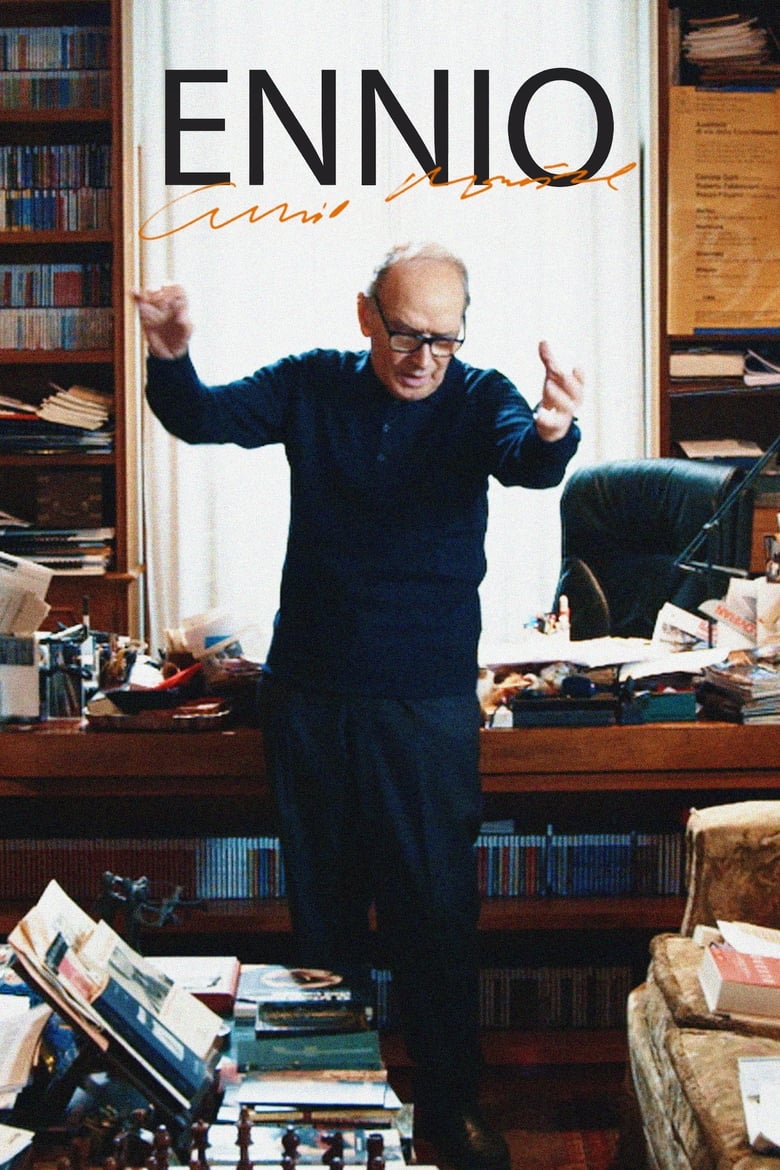
While telling the story of a film composer, the films themselves do the talking; composer and scene are placed side by side.

Home videos, phone recordings and concerts; how fame gets recorded is the film's real subject.
The City and Nature
Two things that go on without us; the camera's two oldest subjects.

Twin brothers living alone in the forest; staying away from civilisation is shown as a choice.
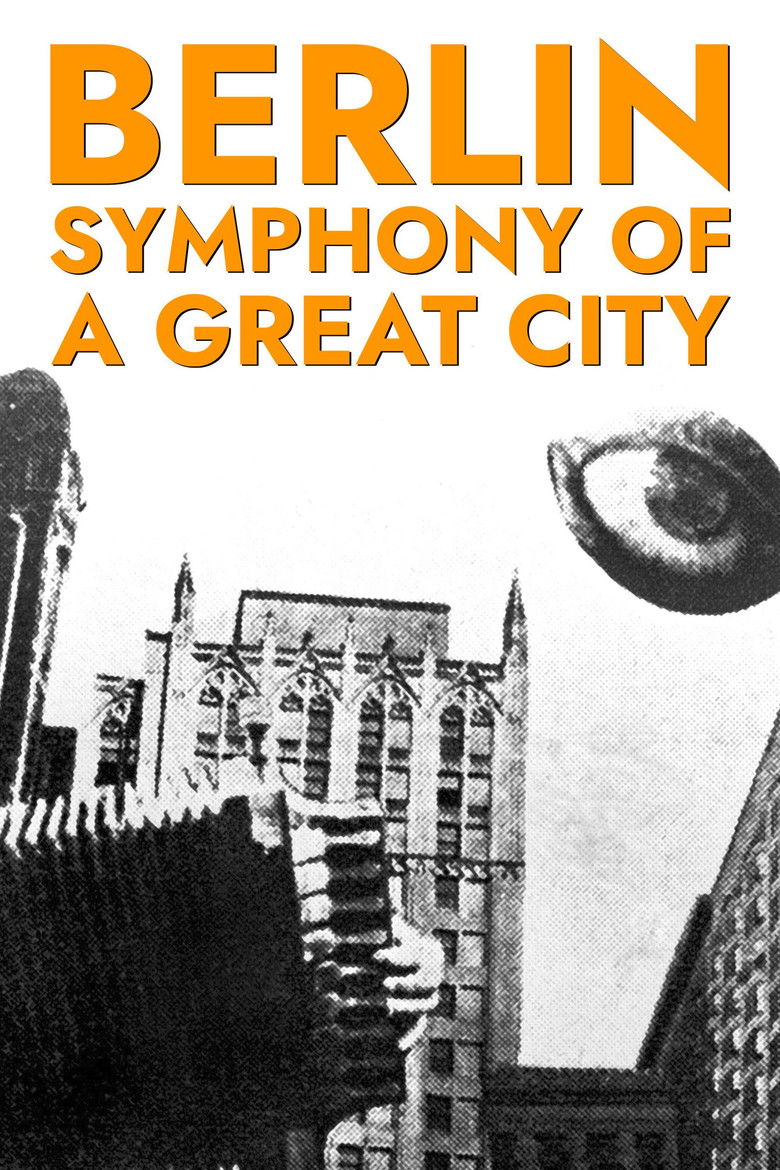
One day in a city, from morning to night. No hero, no event — only rhythm.
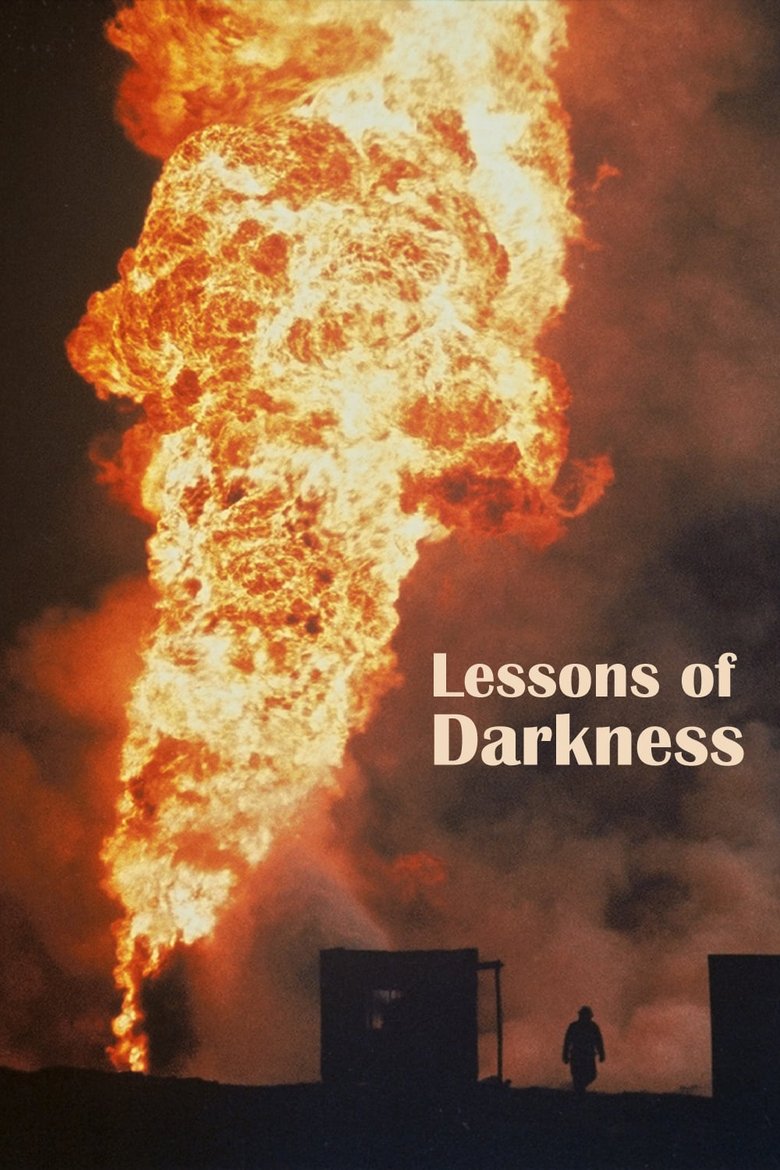
Burning oil wells are filmed as if seen from another planet; Herzog turns catastrophe into landscape.

An Arctic hunter's days. Documentary's first great example and first great argument: the scenes were staged.

The underwater world in colour for the first time; the same film also holds scenes that disturb us today.
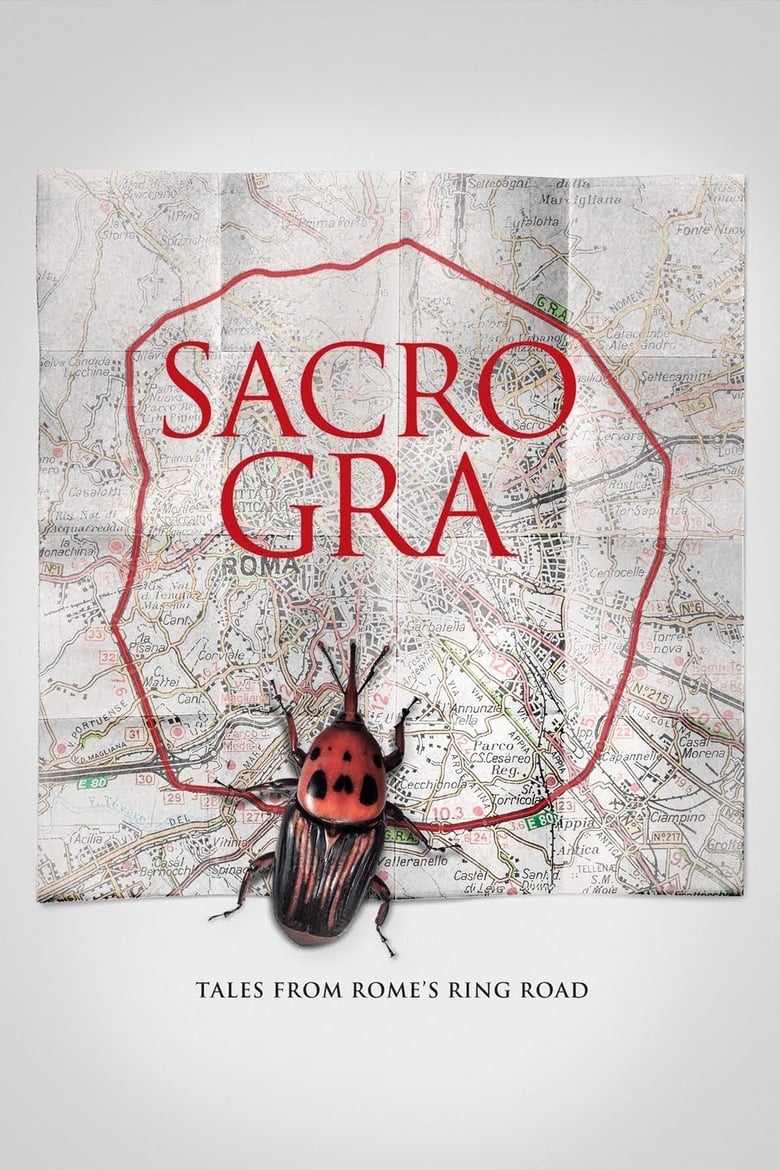
The people living alongside Rome's ring road; the film never enters the city centre.

A camel that rejects her calf and the herding family trying to persuade her. Nature here is both a problem and a ritual.

A retired boxer's Lisbon; the city as he tells it blurs with the city as it is.

A youth club in London; the camera moves between dancing and arguing, and never comments.

Found letters and student protests; the city is seen through a love story.
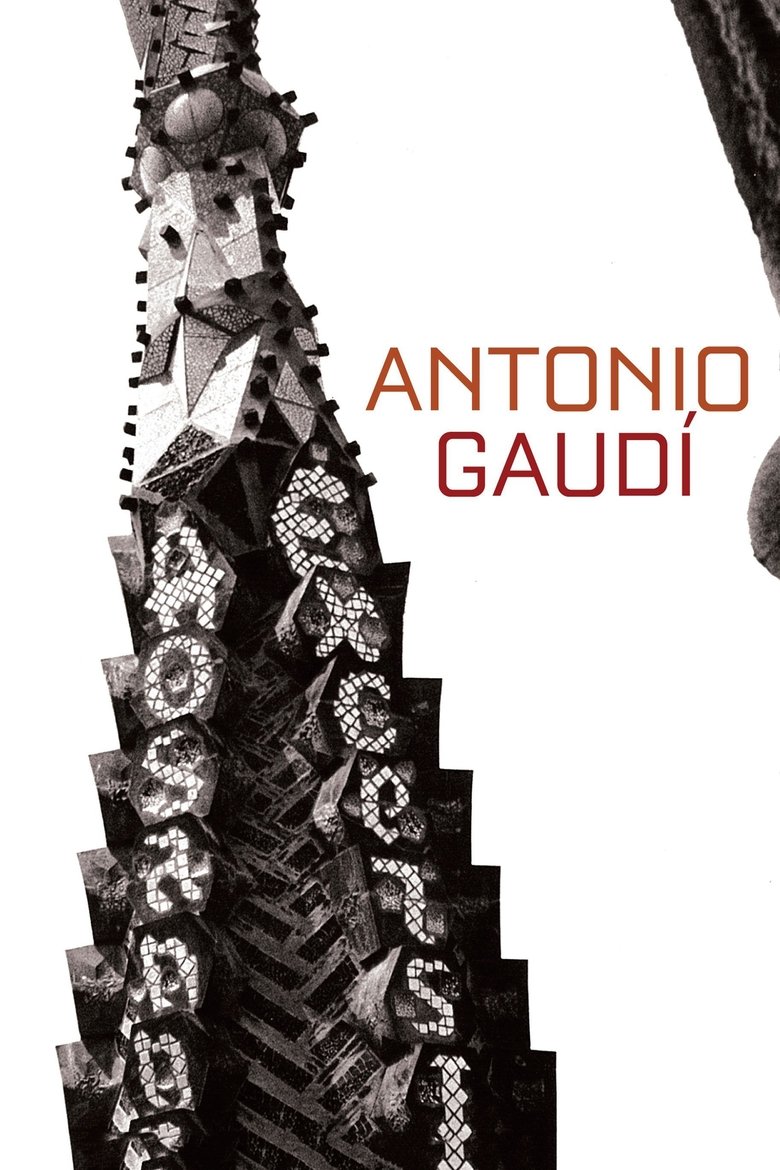
Almost nothing is said in front of the buildings; the camera does not explain the architecture, it wanders through it.
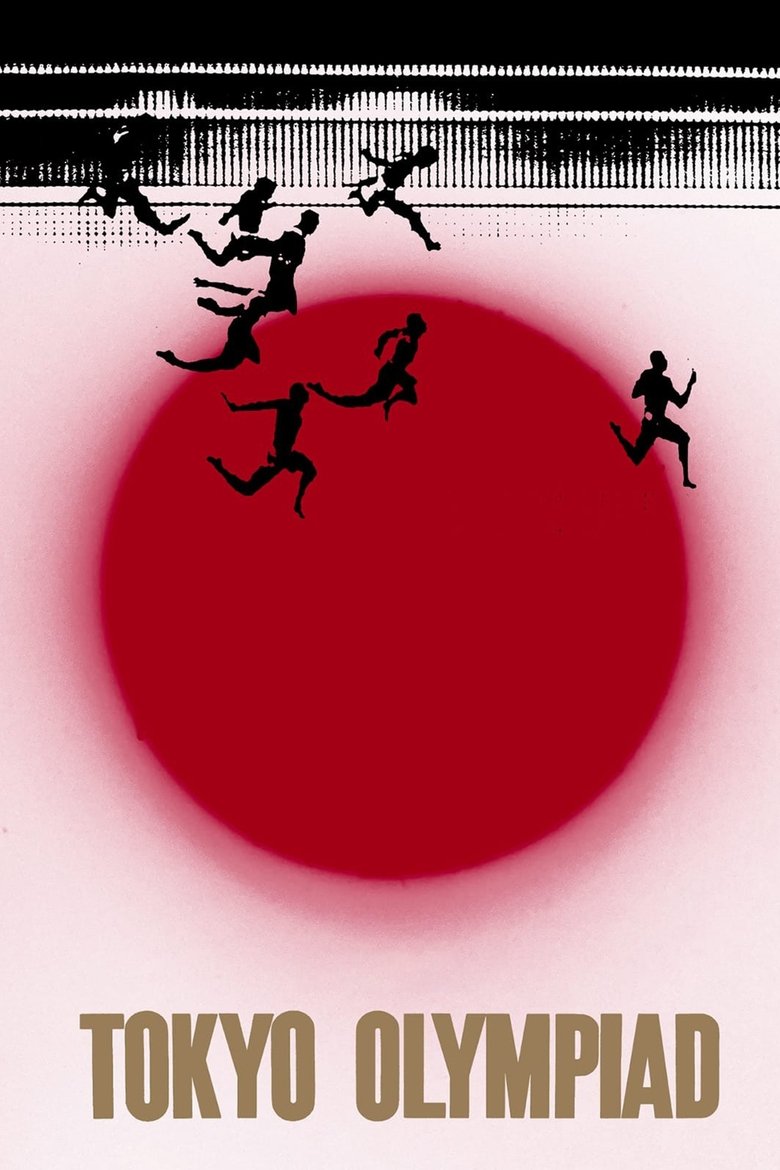
The Olympics filmed for faces rather than results; the state expected a report and got an art film.

A sow, a few cows, one hen; no music, no narration, only black-and-white waiting.

One man talking for twelve hours in a single room; the camera never leaves.
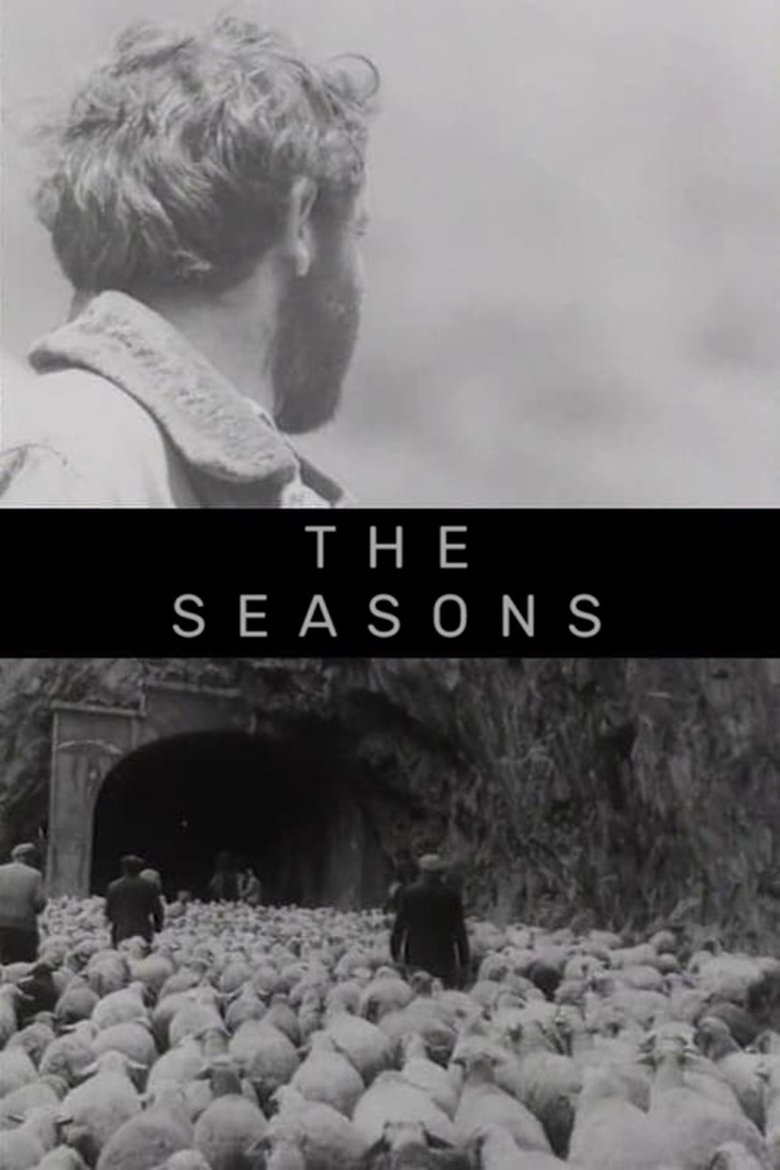
Shepherds and sheep on a mountain; the same images return again and again to build a rhythm.

A boy in the bayou and the oil derrick that arrives; nature and industry in one frame.
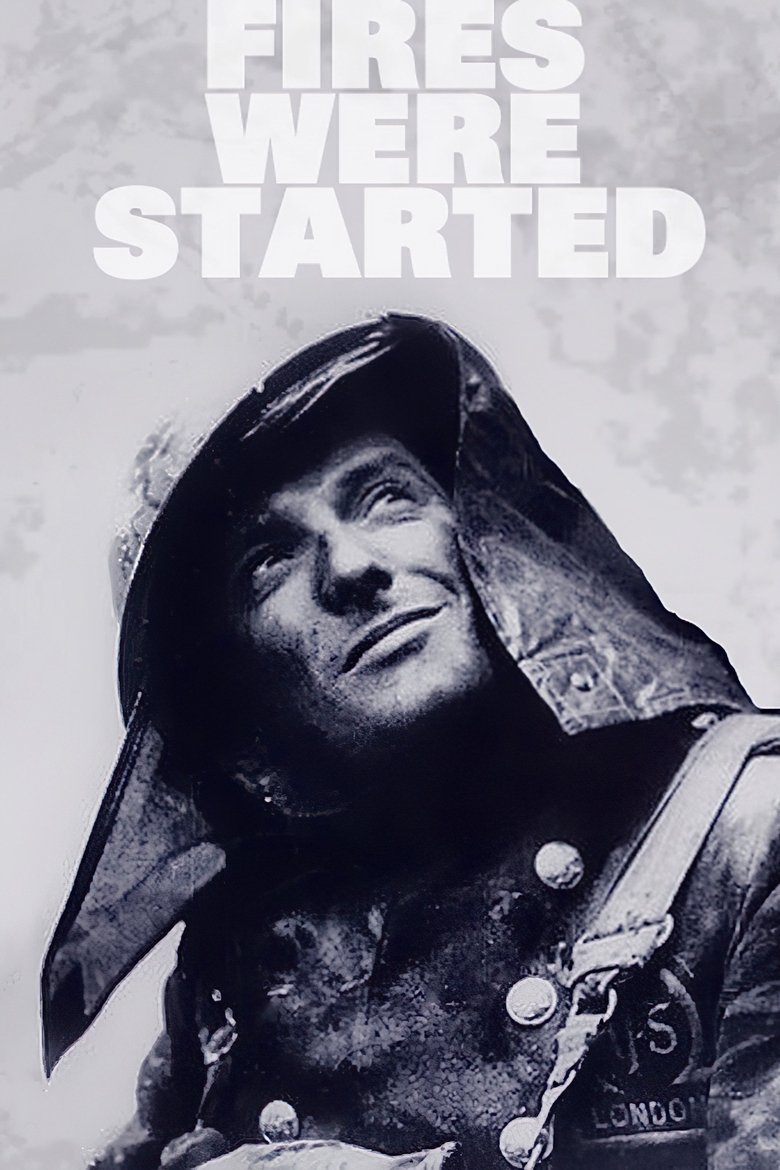
London firefighters play themselves; filmed during the war, from inside it.

A woman keeping bees alone in the mountains and the neighbours who arrive; filmed over three years.

A day in a meadow at insect scale; macro photography turns nature into another planet.

The making of a film shot in the jungle; the real subject is a director's obstinacy and the forest's resistance.
Observation
The camera does not intervene or comment; it simply stays and watches.

A director watched at work; the moments of decision on set are recorded without a cut.

A gorilla learning sign language and the researcher training her; the camera leaves it unclear who is studying whom.
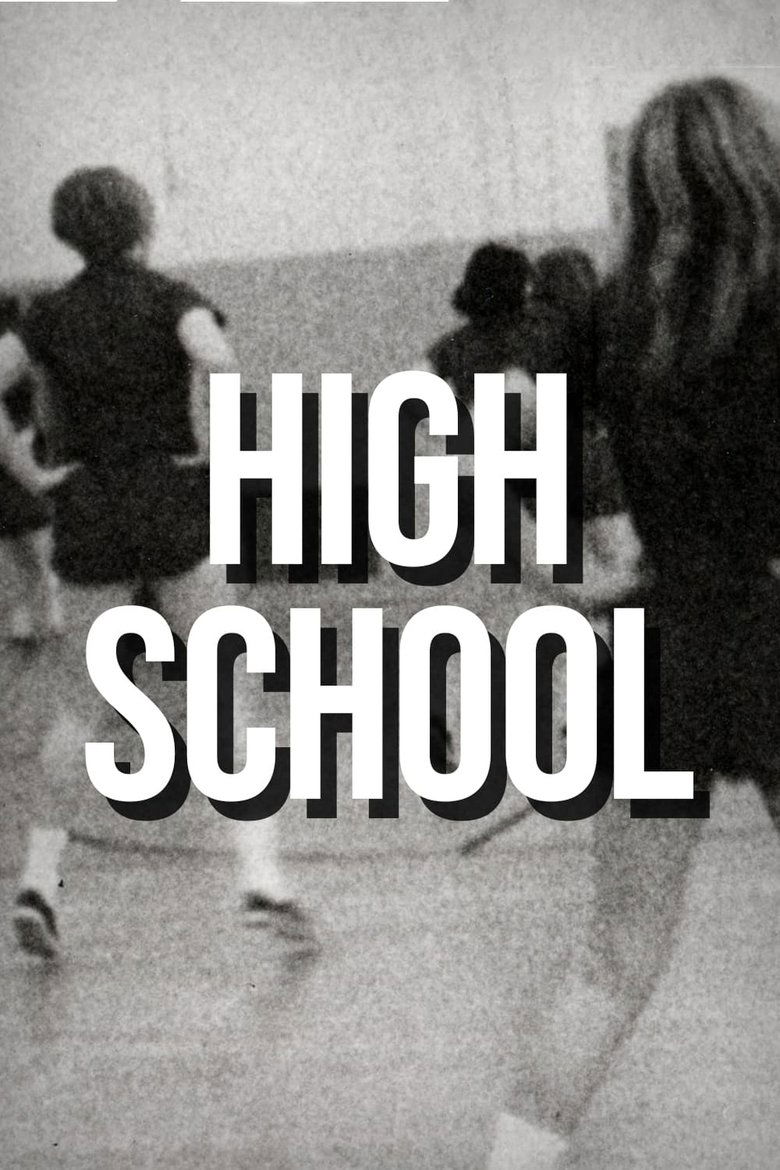
Days in the corridors of a school; no music, no narrator, the institution shows itself.

What was left over from footage shot years earlier; the same two women, the same house, this time closer.

A dictator wants to direct his own film; the more the camera lets him, the more the portrait exposes him.

Two years in a closing industrial district; factories, rails and dormitories watched for hours.

A single room in a neighbourhood being demolished; the director stays there for years with a small camera.

A filmmaker banned from directing spends a day at home; the ban determines the film's form.

A director looking for his actors after an earthquake; documentary and fiction blur along the road.

After a fire, journalists investigate the hospital system; the camera stays in the room where it happens.

Three skateboarding friends filmed across twelve years; as they grow, the play turns into family violence.
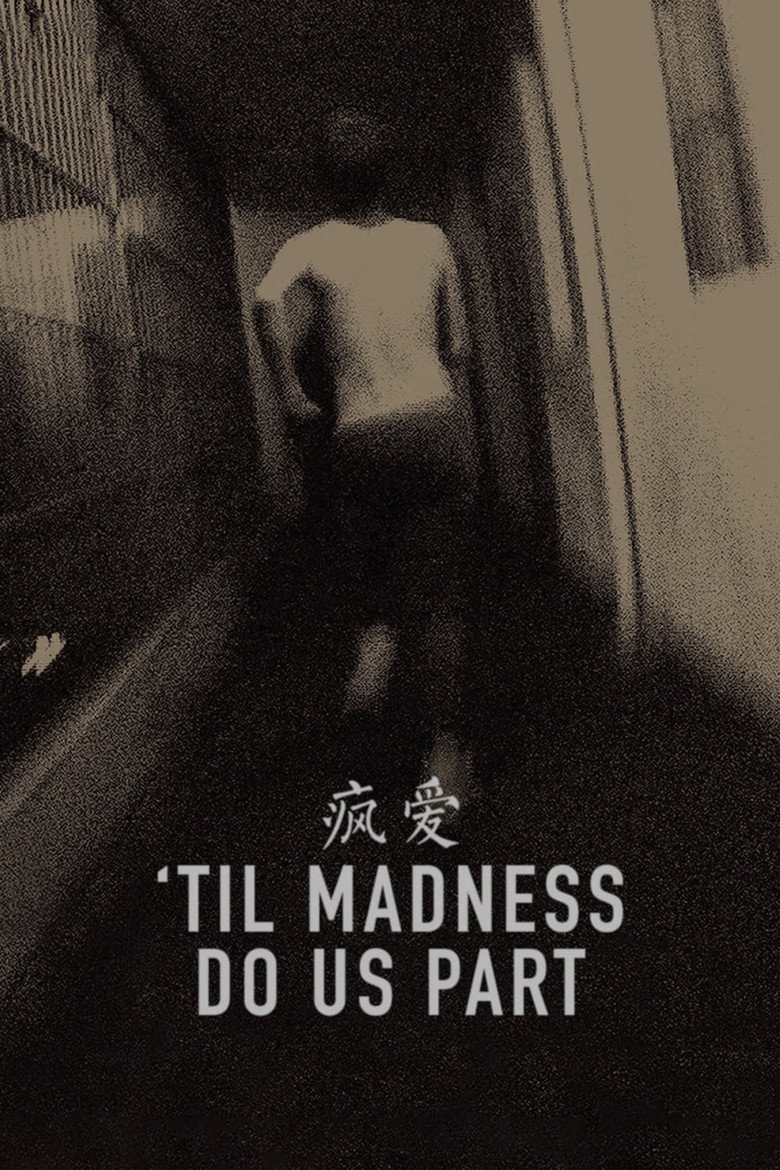
Four hours in a psychiatric ward; the camera goes in and never comes back out.

A man setting out to make a historical documentary ends up filming his own life; the plan falls apart along the way.

The owners of a pet cemetery talk; Morris asks nothing, he simply lets them.

Recordings spread across a writer's years; the closeness makes the camera invisible.

Months inside a campaign headquarters; the camera is in the room while the decisions are made.

A year in a one-room village school; the teacher's patience matches the rhythm of observation.

Following those who gather what is left over; the director puts her own hand and ageing into the frame.

Two separate lives on one island: a fisherman's boy and those reaching the shore; the camera never joins them.

One of the earliest and harshest applications of the method: the camera works alongside the patrol and no intervention is explained afterwards. The gap between scenes forces the viewer to form his own judgement.

The twentieth take of the same pose is among the clearest demonstrations of this branch's argument: the moment labour becomes visible, the result turns ordinary.

The difference between the courtesy of the sales floor and the language of the boardroom is established by editing alone, with no commentary added. Two floors of the same institution operate like two different societies.

Here the institution is not a building but a town; with the method unchanged, the line between those serving and those served draws itself.

The meeting scenes left uncut are the branch's best illustration: an institution's crisis appears not at the moment of decision but in the hours of language that prepare it.

The institution here is not an official structure but a neighbourhood's attempt to govern itself. Association meetings and conversations outside shops carry equal weight.

The late form of the method: the language of governance at the desk and its counterpart in the street take equal time in the same film. The state appears here not as a will but as work being kept up.

The one example here that is not set inside an institution, and precisely for that reason it belongs: a man trying to change the rules of football is in fact speaking the language of a bureaucracy. Porumboiu listens with a fixed camera and draws the humour from the seriousness never breaking.
The Poetic Documentary
Not conveying the real but extracting an image from it; where documentary meets art cinema.

From island to island in Japan's inland sea; the narration is less a travel note than a stream of thought.
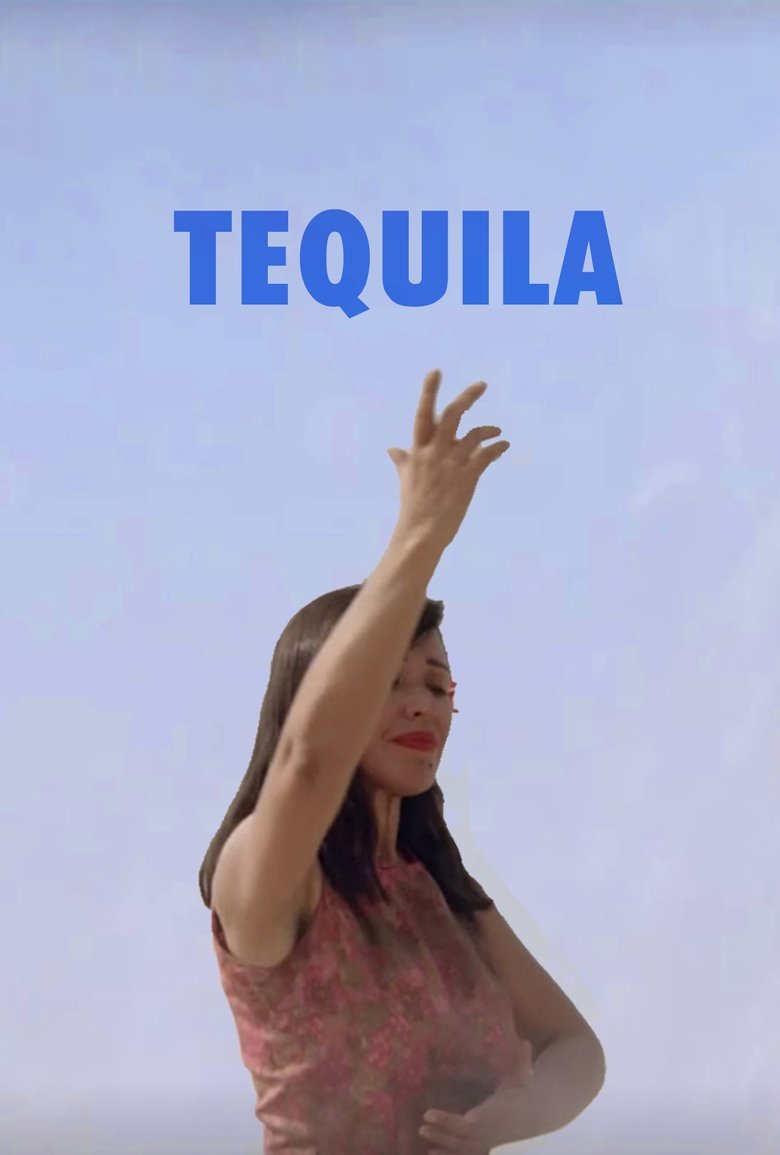
The making of a drink filmed like a ceremony; less a documentary than a poem of images.

A director talks on his own island; his silences are recorded as carefully as his words.

A film built from decaying film stock; the real subject is the image's own death.
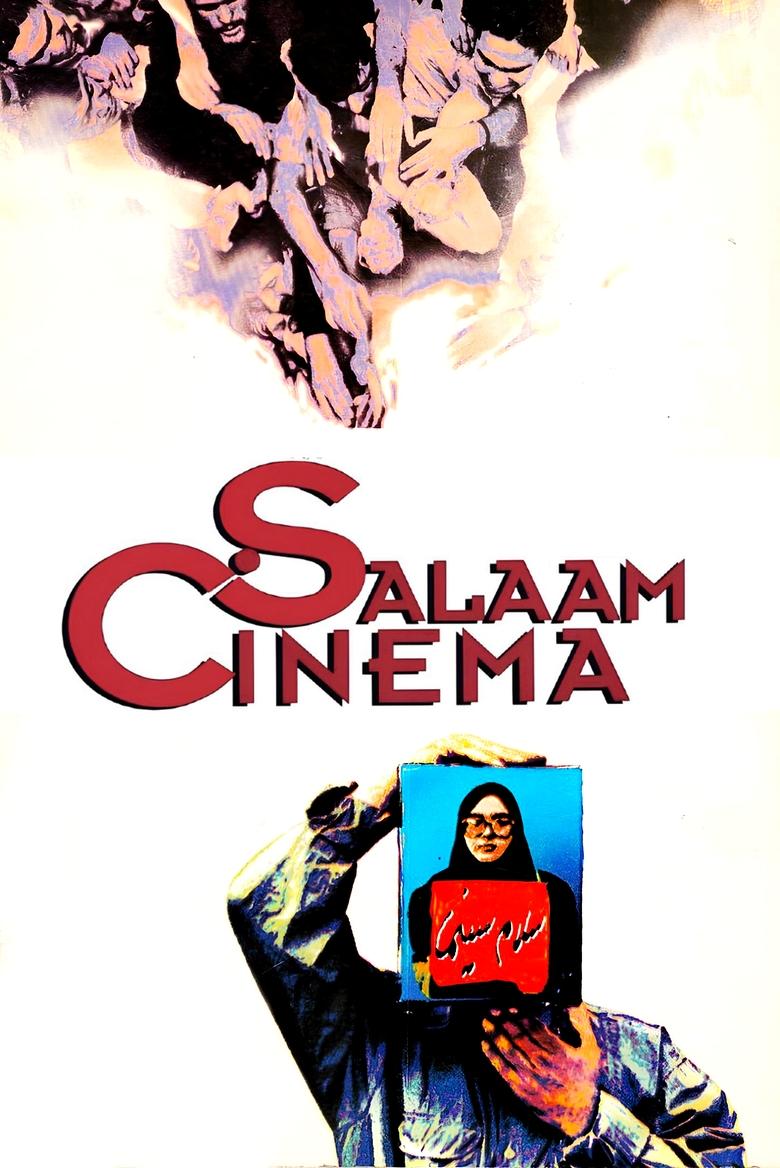
Hundreds arrive for an audition; the selection process becomes the film itself.

Years in the lives of two young men in Alabama; no events are told, moments are gathered.

A cinematographer's leftover footage from years of work; she questions the ethics of her own profession.
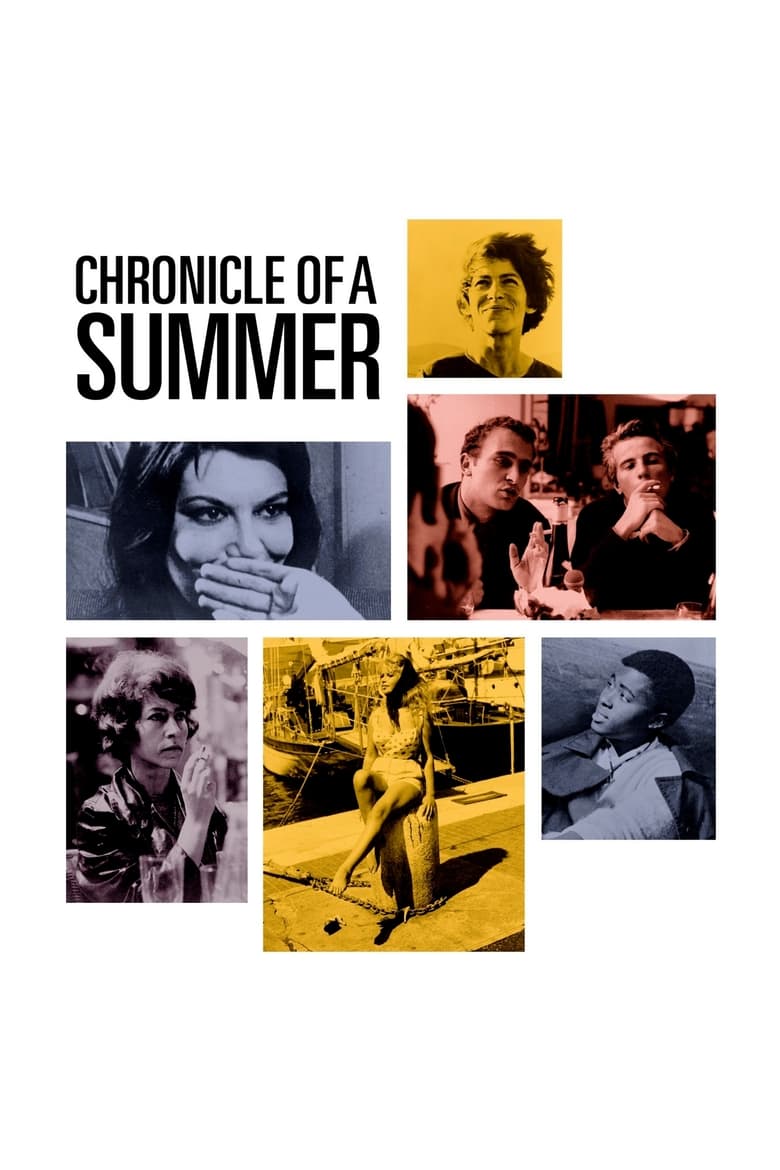
Parisians on the street are asked if they are happy; then they are shown the footage of themselves.
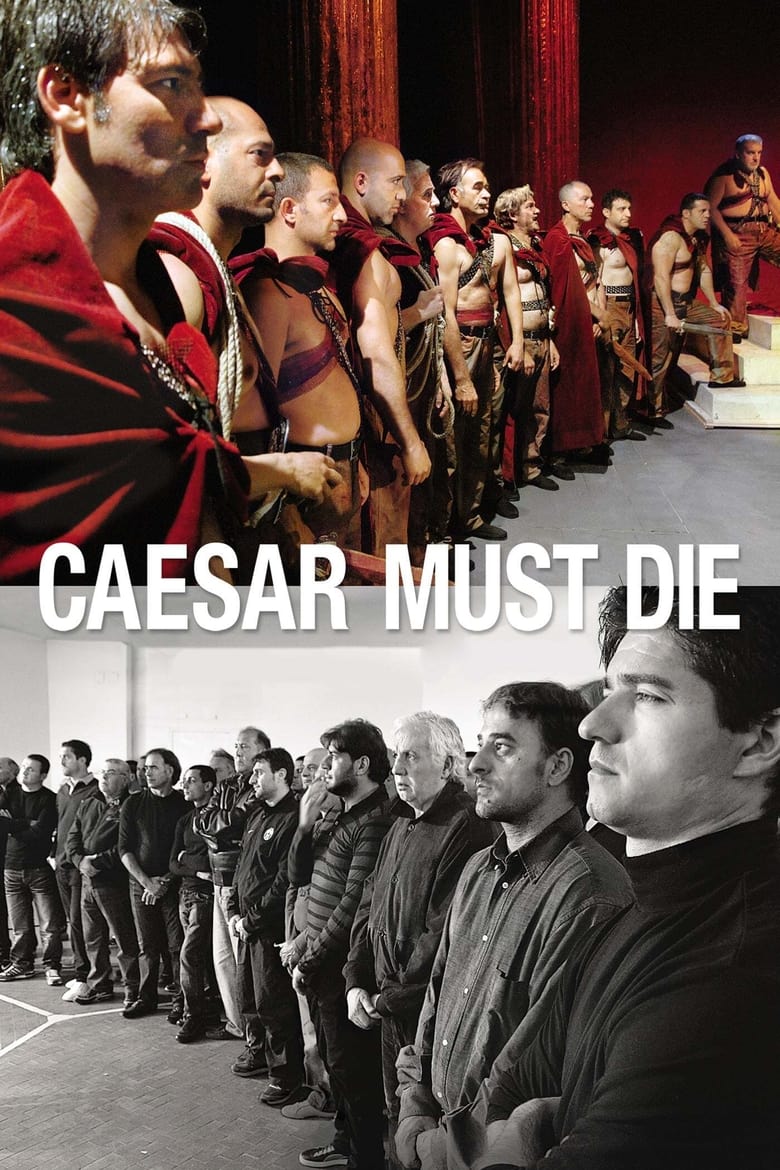
A Shakespeare rehearsal in prison; as the inmates play their parts they also play their own lives.

A photographer's life and her campaign told together; both stories draw on the same anger.

Family members tell the same event differently; the director does not find her family's truth, she multiplies it.

Tokyo, Africa and memory by way of letters; a film that arrives nowhere and travels everywhere.

Industrial noise edited like music; sound itself becomes the material.
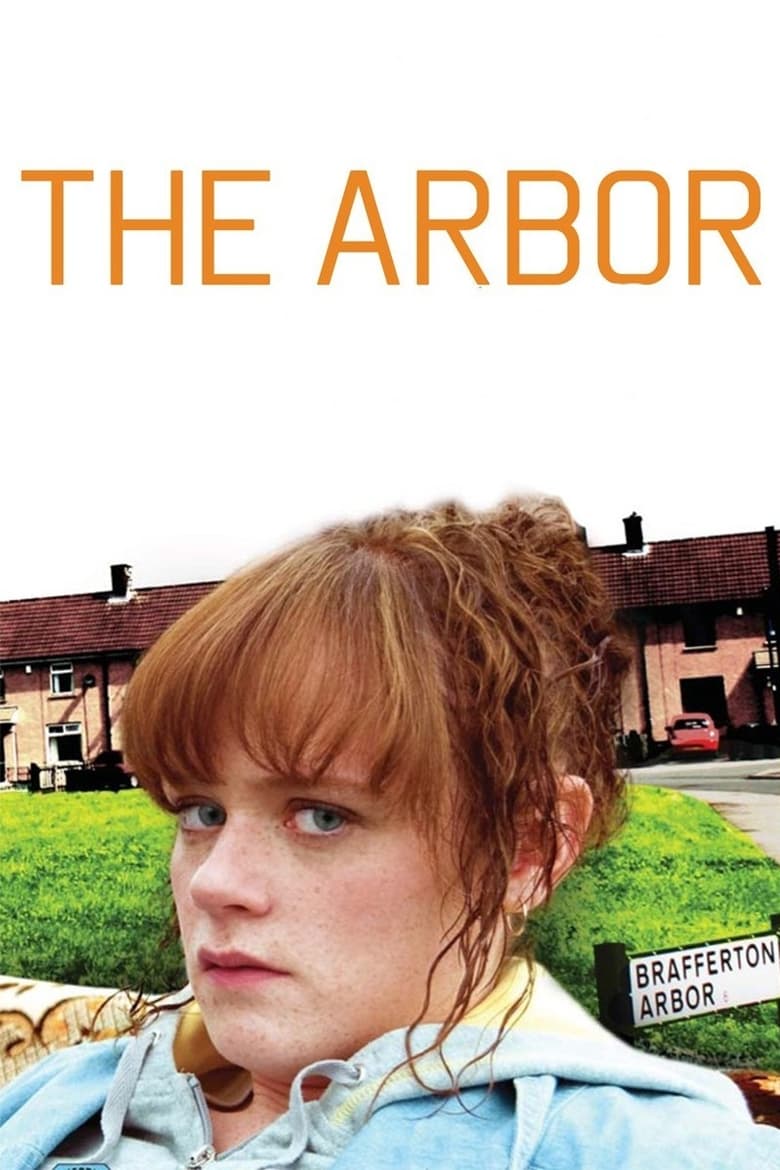
Real audio recordings lip-synced by actors; documentary and staging fold into each other.
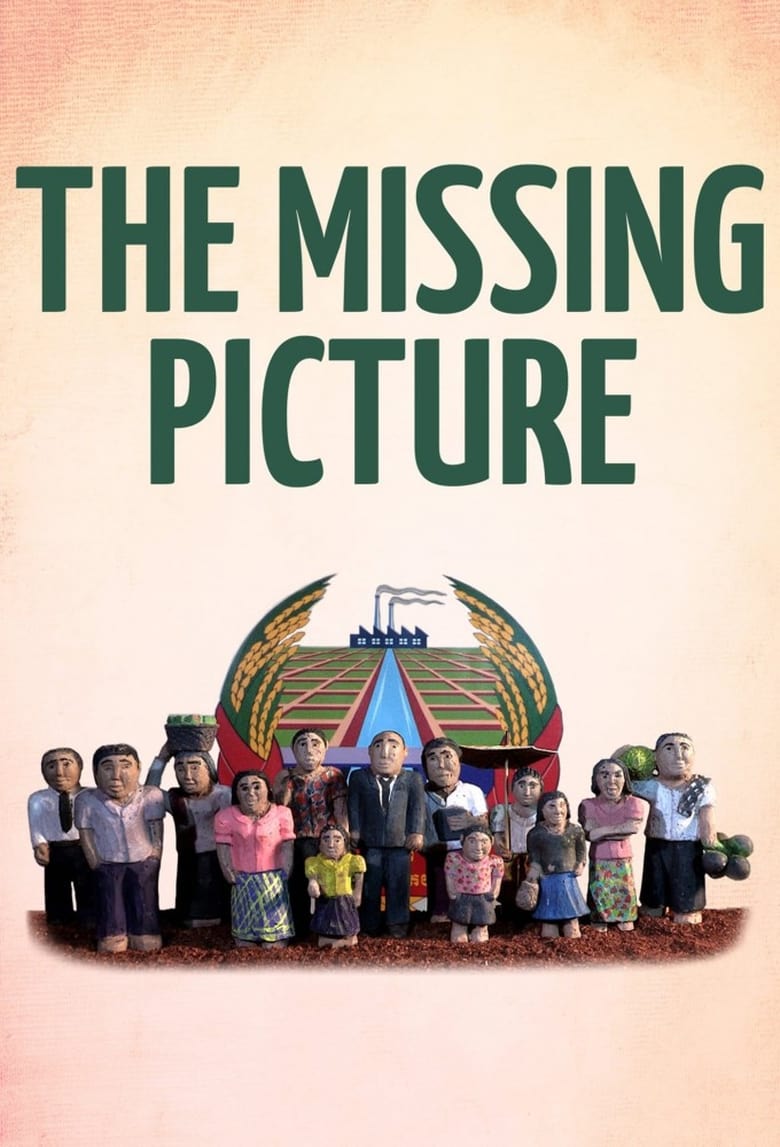
A genocide with no surviving footage told with clay figures; the missing record is remade.

Twenty minutes in a leper colony; the director, a poet, reads her own verse over the images.

The participants play themselves but the scenes are staged; the boundary is left deliberately unclear.
Testimony
A person speaking and a memory put on record; where documentary comes closest to a courtroom.

Children growing up amid war in northern Cameroon; fear is told as part of everyday life.

The director restages something that happened to her with actors, and films the restaging too.

A veteran pursuing war crimes; the camera follows his interrogations without ever stopping him.

The months leading to a coup filmed as they happen; the crew had to smuggle the footage out of the country.

Her own diaries, letters and home movies; the life is told by her, not about her.
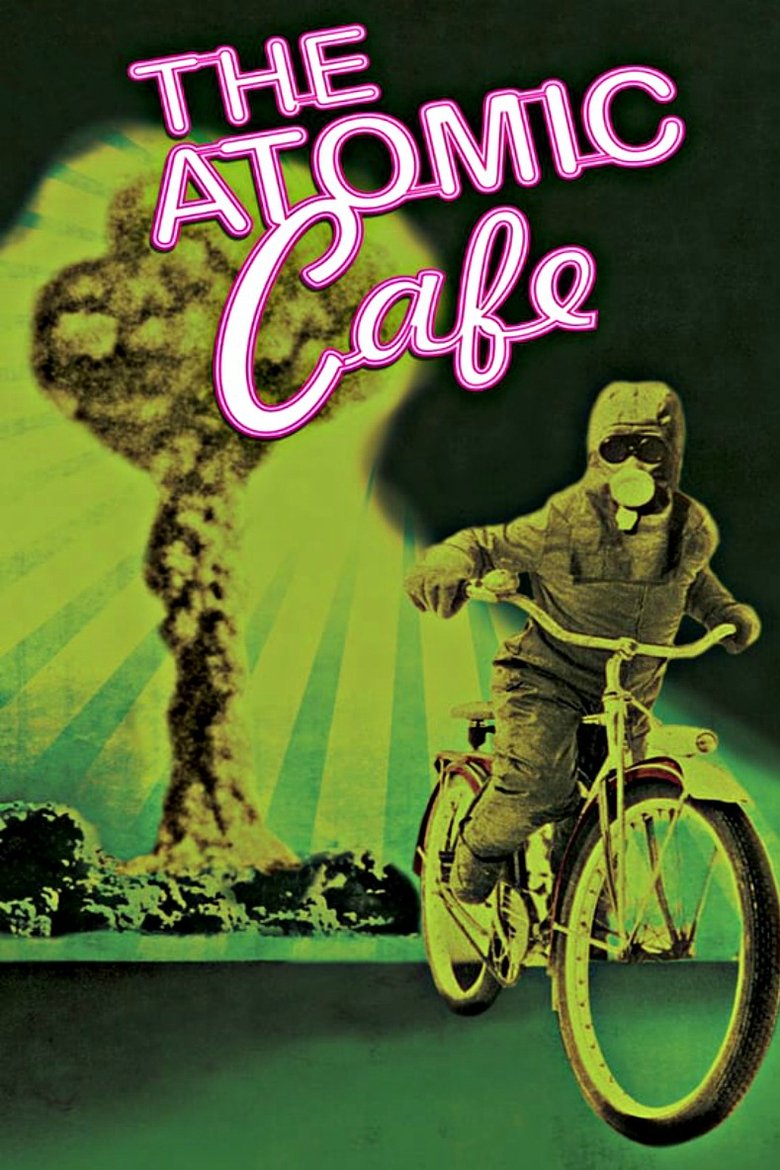
Official instructional films of the nuclear age placed side by side; the horror emerges with no commentary added.

Those who defend the war and those who lived it speak one after another; the editing takes its side that way.
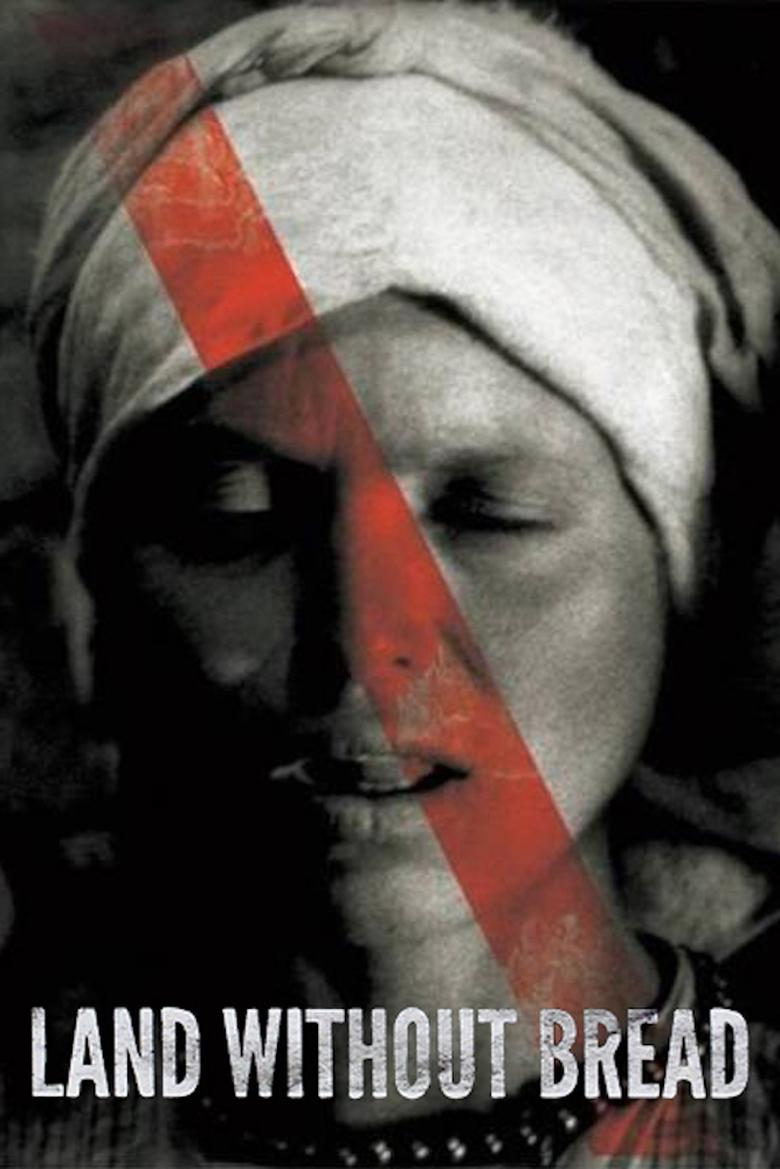
Spain's poorest region; the distance between the narrator's cold voice and the images is deliberate.

A man sits face to face with his brother's killers; the questions are calm, the answers are calm, the scene is unbearable.

A film built around a real phone recording; the sound is documentary, the image is reconstruction.
What remains of the camps is walked through as it is today; archive and present are placed one after the other.

A defence secretary accounts for his life; eleven lessons are listed, none of them absolves him.
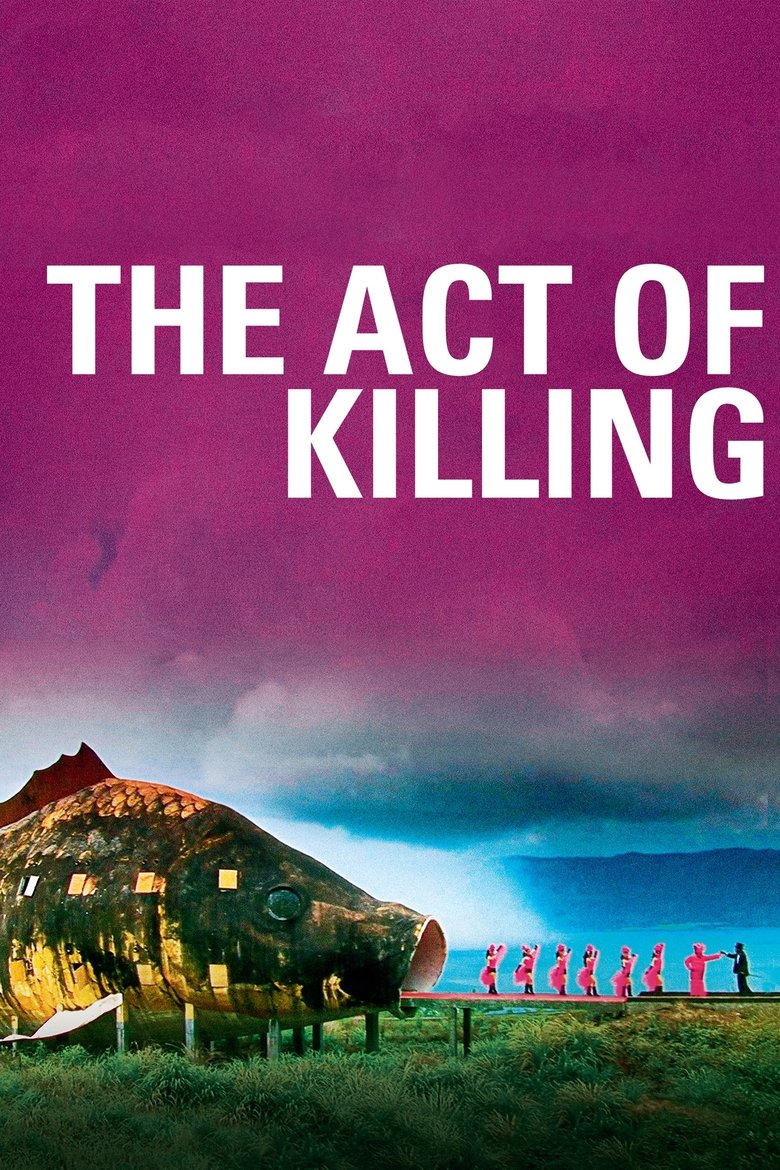
Killers restage their murders in film genres of their own choosing; the method exposes the horror.

Starting from a dog's death it reaches mourning, surveillance and a mother; the narrator never stops.

Footage from the Moon missions assembled as a single voyage; the astronauts narrate from outside it.

The record of the last press team left in a besieged city; the tension between filming and helping is inside the film.

A refugee's story told in animation so his identity stays hidden; the form is the protection itself.

A war night that cannot be remembered is searched for in animation; in the final scene the form is abandoned.