Journal
Blown Up
Some things, as they grow, don't just become more visible — they make everything else invisible.
Picture a photographer.
All day, printing strangers' happiest moments.
Birthdays.
Vacations.
First steps.
Then one day he prints two of the same photo.
One for the customer.
One for himself.
What Sy does in One Hour Photo looks at first like a small theft.
But every time I think about the film, a different detail catches me.
Not that he steals the photos.
That he enlarges them.
Because some things, as they grow, don't just become more visible.
They make everything else invisible.
We tend to think the close-up exists to show emotion.
A tear.
A trembling lip.
A clenched fist.
But when it comes to obsession, the close-up does something else.
It doesn't tell you what to look at.
It tells you what you won't be able to stop looking at.
The difference seems slight.
But it changes everything.
Watch closely.
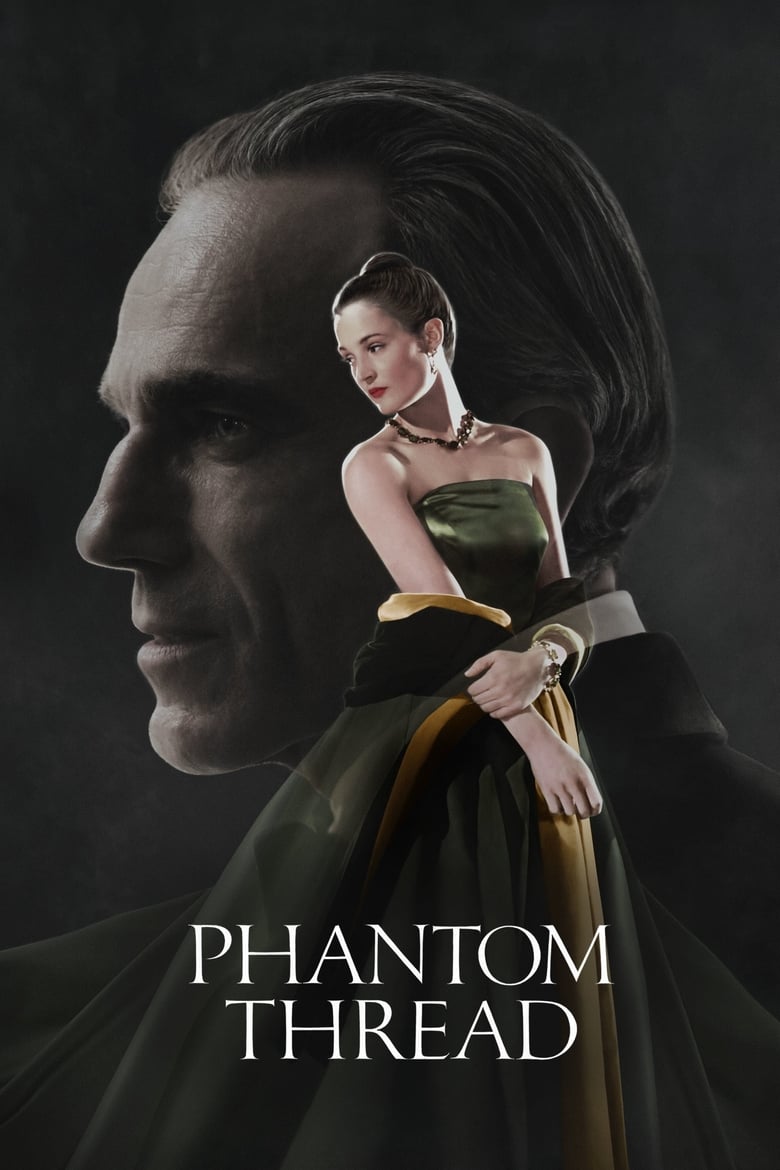
In Phantom Thread, a single stitch can matter more than everyone in the room.
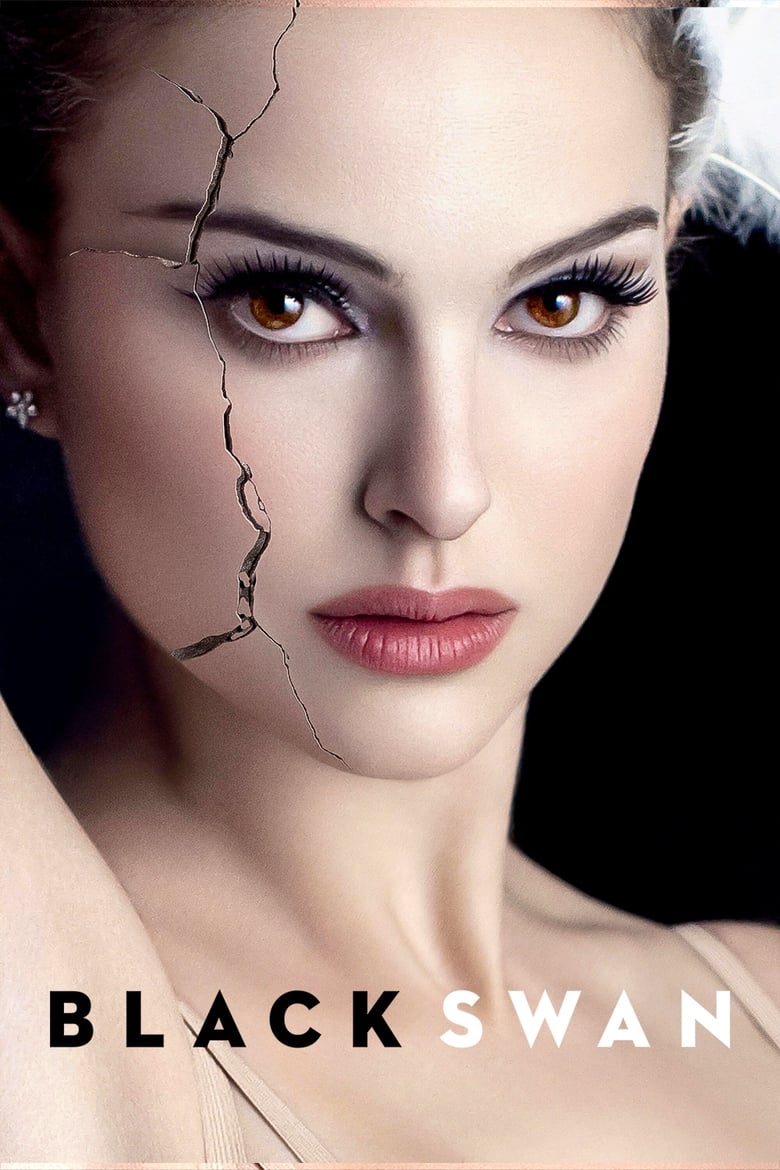
In Black Swan, a fingernail eclipses the whole performance.
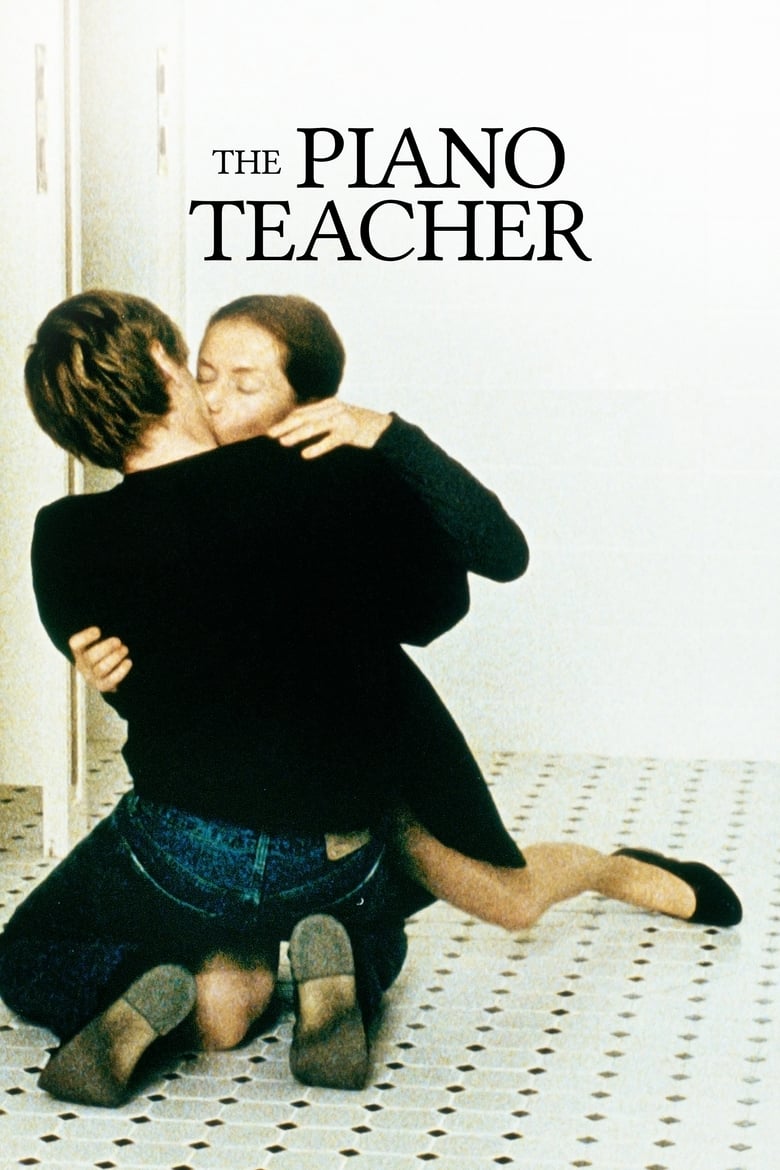
In The Piano Teacher, a razor blade becomes the loudest sound on screen.
The camera isn't just moving closer.
It's narrowing the world.
Leaving a single detail behind.
And for a few seconds, we start to look the way the character looks.
This is one of the things that moves me most in cinema.
The director doesn't explain what the character feels.
He lends us their gaze, for a moment.
I thought for a long time about why this works so well.
Then I realized it might have nothing to do with cinema.
This is already how we see.
In a moment of anxiety, seeing nothing but the phone screen.
In an argument, fixating on a single word the other person said.
In a wait, unable to look away from the elevator's floor number.
The brain makes close-ups too.
And it does so without asking our permission.
Maybe cinema teaches us nothing new.
It only makes visible how the mind already works.
One scene always comes back to me here.
Blow-Up.
A photograph is enlarged.
Then a little more.
A little more.
Until people are no longer looking at the photograph.
They're looking at grain.
And here's the strange part:
The image doesn't get clearer.
It gets blurrier.
Sometimes we don't get closer to the truth.
We only think we do.
Maybe this is obsession's most insidious trick.
It promises that the closer you get, the more you'll see.
When usually it only makes you lose everything else.
Near the end of One Hour Photo, we see Sy's wall.
Covered, edge to edge, with photographs of the same family.
At first it's disturbing.
Then you pause.
Because that wall slowly stops feeling foreign.
I thought about the galleries on our phones.
The same faces.
The same people.
The same moments.
Images we return to, again and again.
Of course we're not like Sy.
But our way of looking may not be as different as we'd like to think.
Maybe that's where the close-up's real power lies.
Not in enlarging one thing.
But in quietly pushing everything else out of frame.
Maybe obsessions begin this way too.
Life doesn't shrink.
We do — without noticing — until we fit into a single thing.