Journal
Doubt
Building doubt — cinema's hardest craft
Picture a scene.
A man says something.
Do you believe him?
That's the whole matter, really.
The hardest thing in cinema isn't a gunshot.
Nor a tear.
The hardest thing is to leave a small doubt inside the viewer.
A doubt so stubborn...
that it keeps arguing with you long after the film ends.
Most films don't want this.
They tell you who to believe.
The music comes in.
The camera holds the right face a little longer.
One glance looks a little warmer than the other.
The decision has already been made.
You only confirm it.
Anatomy of a Fall does the opposite.
There's a woman.
Her husband is dead.
Maybe he fell.
Maybe he was pushed.
Watching Sandra Hüller's performance, something strange happens.
Every gesture carries two meanings.
If she cries...
maybe she's innocent.
Maybe she's acting.
If she's silent...
maybe she's strong.
Maybe she feels nothing.
The film chooses none of them.
And it doesn't force us to choose either.
Maybe that's its bravest quality.
Then you realize.
The film doesn't do this with acting alone.
The screenplay never enters her mind.
The editing never turns back to say "here's the truth."
All the easiest exits have been deliberately closed.
The doubt doesn't happen by chance.
It's built.
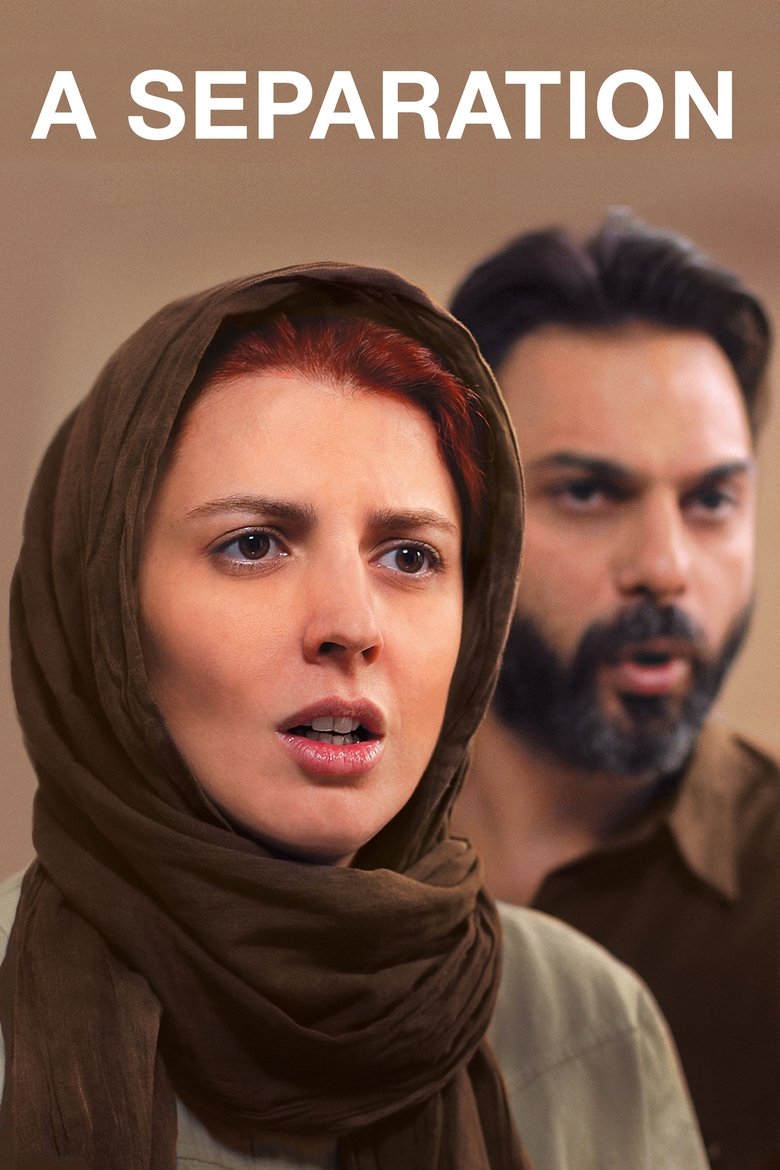
A Separation chooses another path.
Watching Farhadi's films, I realize I've never been good at taking sides.
Just as I decide someone's right.
A new scene arrives.
My mind changes.
Then another.
After a while I stop looking for who's right.
I watch how people slowly begin to misunderstand each other.
Maybe that's the film's real achievement.
Instead of growing the doubt...
it confuses the empathy.
The Hunt does something else entirely.
This time we know the truth.
The town doesn't.
At first I thought that would make it easier.
It doesn't.
Because knowing the truth doesn't bring relief.
The opposite.
You begin to carry the weight of convincing no one.
As the film goes on, the town's suspicion becomes not theirs...
but your burden.
Three films.
Three separate paths.
But the same courage.
Not deciding for the viewer.
Maybe that's the hardest craft in cinema today.
Not creating a culprit.
Keeping the doubt alive.
Because the day the answer is found, the argument ends.
And doubt sometimes outlives the film.