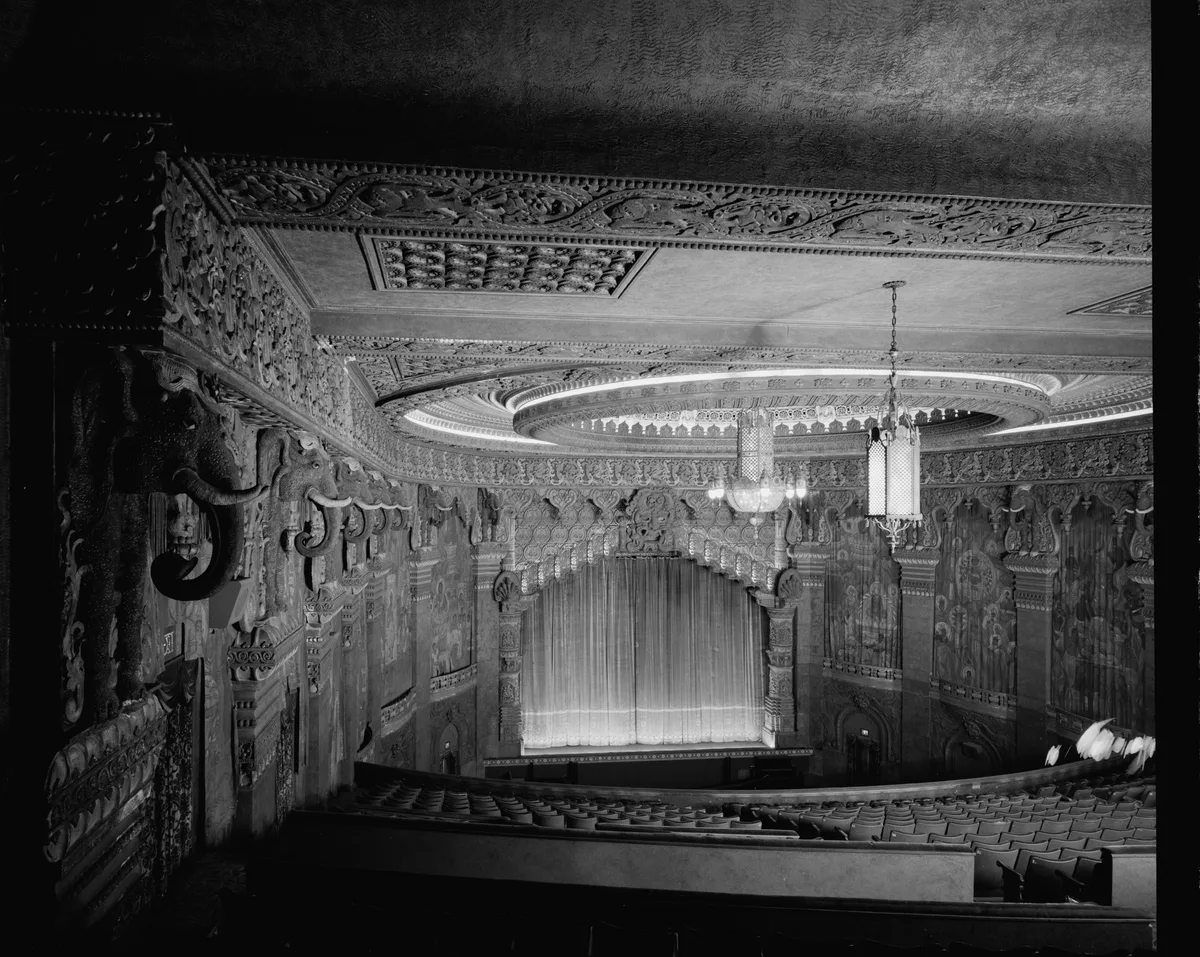
Bir davulcu çalıyor. Elleri kanıyor. Zil seslerinin arasında bandajı çözüyor, tekrar sarıyor, yeniden başlıyor.
A drummer is playing. His hands are bleeding. Between the cymbals he unwraps the bandage, wraps it again, starts over.
Un baterista toca. Le sangran las manos. Entre los platillos deshace la venda, la vuelve a atar, empieza de nuevo.
Whiplash.
Whiplash.
Whiplash.
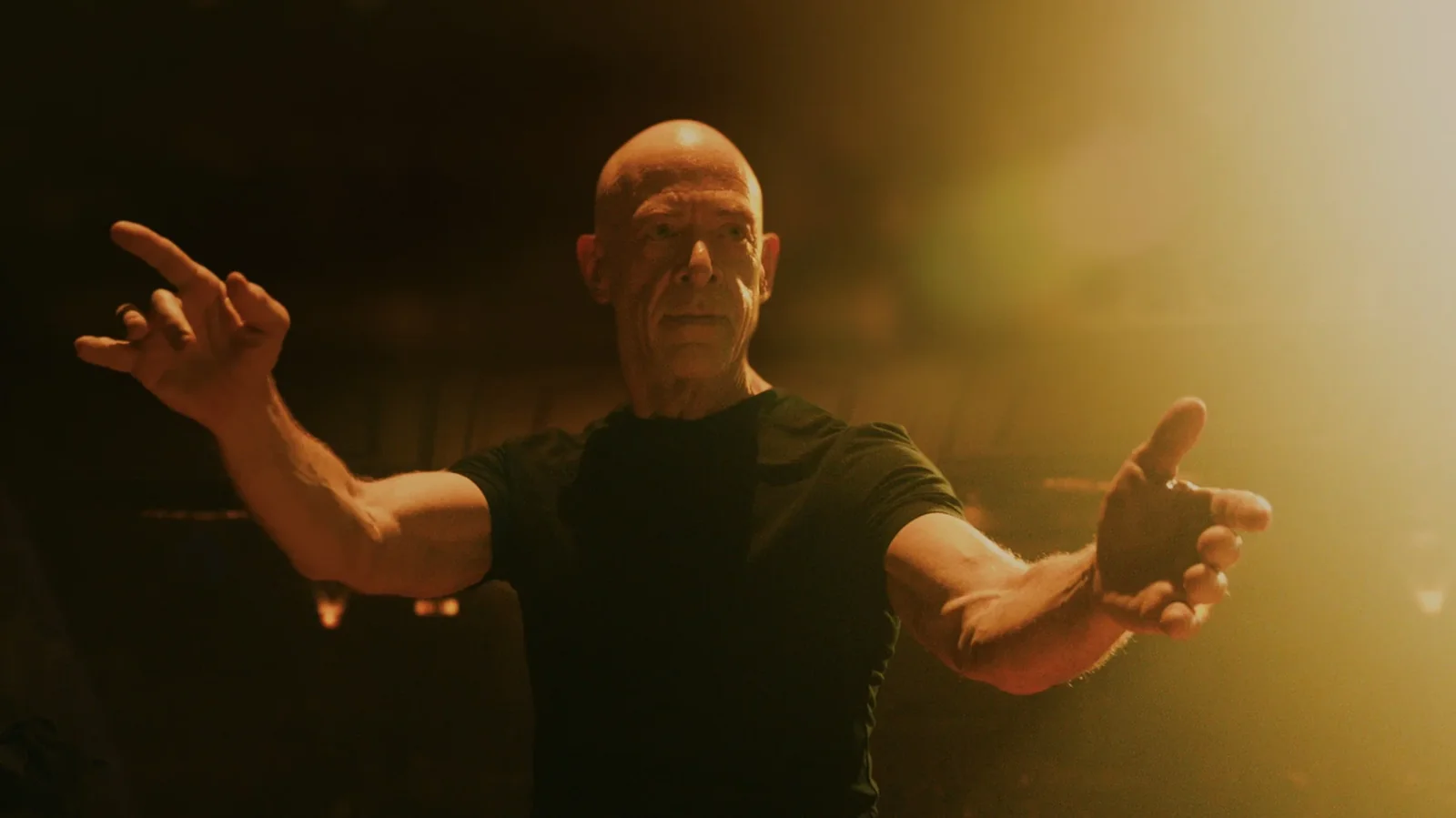
İlk izlediğimde çıkışta tuhaf bir şey hissettim. Etkilenmiştim, evet. Ama bir yanım da rahatsızdı. Çünkü film bana bir şey itiraf ettirmişti.
The first time I saw it, I felt something strange on the way out. I was moved, yes. But part of me was uneasy. Because the film had made me confess something.
La primera vez que la vi, sentí algo extraño al salir. Me había conmovido, sí. Pero una parte de mí estaba incómoda. Porque la película me había hecho confesar algo.
O sahnede bir yanım "dur, bu kadarı fazla" diyordu.
In that scene, part of me was saying "stop, this is too much."
En esa escena, una parte de mí decía "para, esto es demasiado."
Öbür yanım merak ediyordu.
The other part was curious.
La otra parte tenía curiosidad.
Gerçekten büyük olacak mı?
Will he really become great?
¿De verdad llegará a ser grande?
İşte beni asıl rahatsız eden o ikinci sesti. Kendi içimdeki o ses.
That second voice was what unsettled me most. That voice inside me.
Esa segunda voz fue lo que más me perturbó. Esa voz dentro de mí.
Film aslında tek bir soru soruyor. Ama cevabını vermiyor. Büyüklük, ne pahasına?
The film really asks a single question. But it doesn't answer it. Greatness, at what cost?
La película en realidad hace una sola pregunta. Pero no la responde. La grandeza, ¿a qué precio?
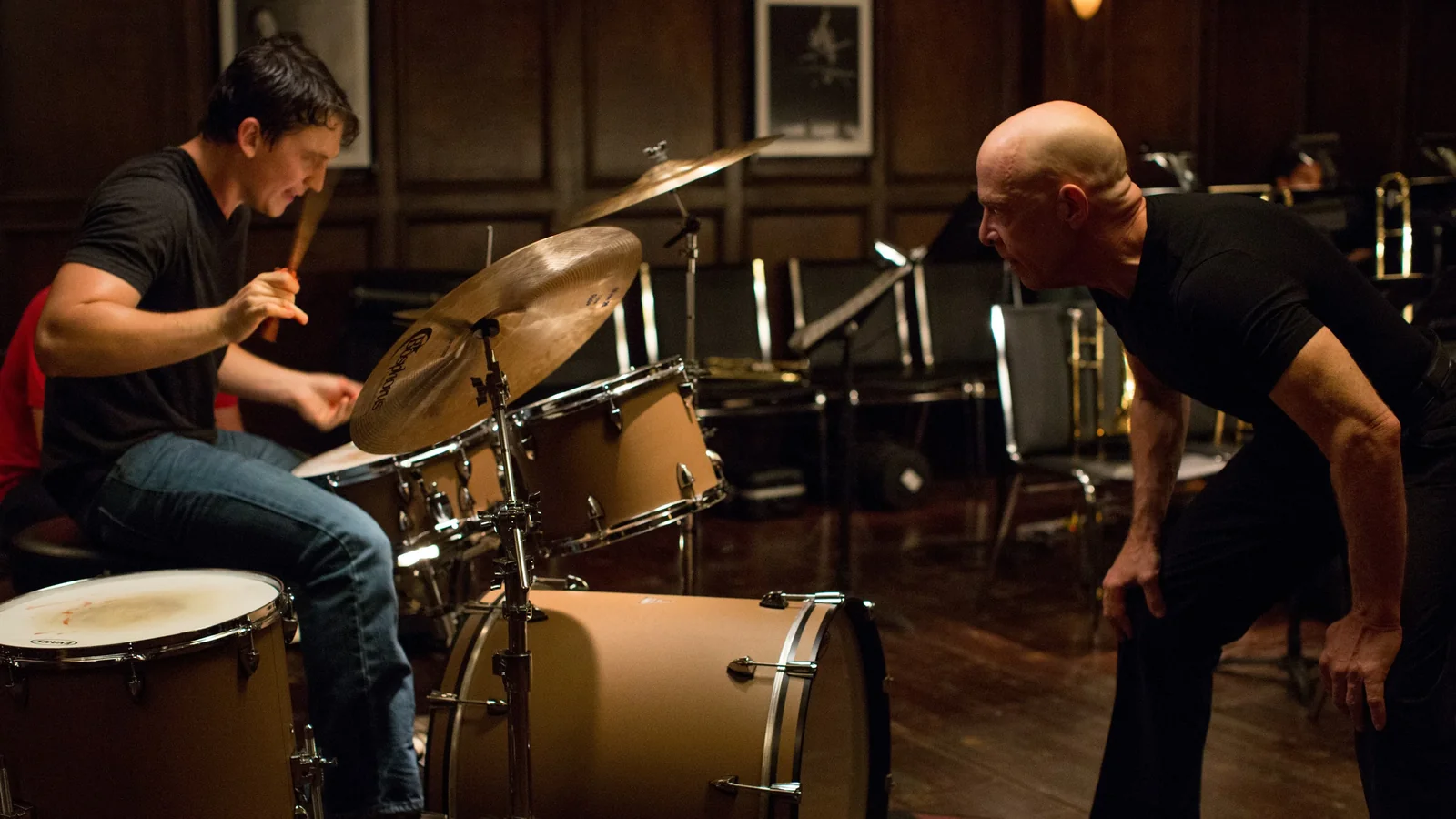
Fletcher'a göre bir insanı büyütmenin tek yolu onu kırmak. Film bittiğinde Andrew inanılmaz çalıyor. Ama biz bilmiyoruz — kazandı mı, yoksa bir şeyi sonsuza kadar mı kaybetti? Film söylemiyor. Söylemeyi reddediyor.
For Fletcher, the only way to make someone great is to break them. When the film ends, Andrew plays incredibly. But we don't know — did he win, or lose something forever? The film doesn't say. It refuses to say.
Para Fletcher, la única forma de hacer grande a alguien es quebrarlo. Cuando la película termina, Andrew toca de forma increíble. Pero no lo sabemos — ¿ganó, o perdió algo para siempre? La película no lo dice. Se niega a decirlo.
Gücü de orada zaten.
That's exactly where its power is.
Ahí está justamente su fuerza.
Şunu düşünüyorum uzun zamandır. İyi işlerin çoğunun arkasında bir bedel var. Ama görünmüyor.
I've been thinking this for a long time. Behind most good work there's a price. But it doesn't show.
Hace mucho que pienso esto. Detrás de casi todo buen trabajo hay un precio. Pero no se ve.
Bir kitap. Arkasında yıllarca süren bir yalnızlık.
A book. Behind it, years of loneliness.
Un libro. Detrás, años de soledad.
Bir şirket. Arkasında dağılmış bir aile.
A company. Behind it, a broken family.
Una empresa. Detrás, una familia rota.
Bir performans. Arkasında yıpranmış bir beden.
A performance. Behind it, a worn-out body.
Una actuación. Detrás, un cuerpo desgastado.
Biz hep sonucu görüyoruz. Alkışlıyoruz. Faturayı görmüyoruz — çünkü fatura sahnenin arkasında kalıyor. Bazen o kişiye çıkıyor. Bazen yanındakilere.
We always see the result. We applaud. We don't see the bill — because the bill stays backstage. Sometimes it goes to that person. Sometimes to the ones beside them.
Siempre vemos el resultado. Aplaudimos. No vemos la cuenta — porque la cuenta se queda entre bastidores. A veces le llega a esa persona. A veces a los que están a su lado.
Neyse.
Anyway.
En fin.
Asıl mesele "bedel var mı" değil. Var. Onu geçelim.
The real point isn't "is there a price." There is. Let's move past that.
Lo importante no es "¿hay un precio?". Lo hay. Dejémoslo.
Asıl soru şu: değer mi?
The real question is: is it worth it?
La verdadera pregunta es: ¿vale la pena?
Ve burada işler karışıyor. Çünkü herkesin cevabı aynı değil. Bir sanatçı için başyapıt her bedele değer. Dışarıdan bakan biri için aynı şey koca bir israf. İkisi de haklı. Belki de bu yüzden soru hiç kapanmıyor — cevabı kişiye göre değişen sorular hiç kapanmaz.
And here things get tangled. Because not everyone answers the same. For an artist, a masterpiece is worth any price. For someone looking from outside, the same thing is a huge waste. Both are right. Maybe that's why the question never closes — questions whose answers change from person to person never close.
Y aquí las cosas se enredan. Porque no todos responden igual. Para un artista, una obra maestra vale cualquier precio. Para alguien que mira desde fuera, eso mismo es un enorme desperdicio. Ambos tienen razón. Quizá por eso la pregunta nunca se cierra — las preguntas cuya respuesta cambia según la persona nunca se cierran.
Bu sayıyı hazırlarken fark ettiğim bir şey oldu.
Something occurred to me while preparing this issue.
Algo se me ocurrió mientras preparaba este número.
Takıntı her zaman yıkım değil.
Obsession isn't always destruction.
La obsesión no siempre es destrucción.
Bunu söylemek tuhaf, biliyorum, çünkü sayı boyunca hep karanlık taraftan konuştuk. Ama doğrusu bu. Aynı şeyin bir yüzü ustalık, öbür yüzü hastalık. Ve aradaki çizgi — o çizgiyi kimse net çizemiyor.
It's strange to say, I know, because all issue long we spoke from the dark side. But it's the truth. One face of the same thing is mastery, the other is illness. And the line between them — no one can draw that line clearly.
Es raro decirlo, lo sé, porque durante todo el número hablamos desde el lado oscuro. Pero es la verdad. Una cara de la misma cosa es maestría, la otra es enfermedad. Y la línea entre ambas — esa línea nadie puede trazarla con claridad.
Bir dansçının aynı hareketi yıllarca tekrarlaması.
A dancer repeating the same movement for years.
Un bailarín repitiendo el mismo movimiento durante años.
Bir yazarın bir cümleyi kırk kez yeniden yazması.
A writer rewriting a single sentence forty times.
Un escritor reescribiendo una sola frase cuarenta veces.
Birinin, herkesin "yeter artık" dediği noktadan çok sonra bile bir işe tutunması.
Someone holding on to a work long after everyone has said "enough."
Alguien que se aferra a un trabajo mucho después de que todos han dicho "ya basta."
Bazen buna saygı duyuyoruz. Bazen üzülüyoruz. Çoğu zaman ikisini aynı anda.
Sometimes we respect this. Sometimes we grieve. Most of the time, both at once.
A veces lo respetamos. A veces nos entristece. La mayoría de las veces, las dos cosas a la vez.
Sayı boyunca dönüp durduğumuz şey buydu aslında. Bırakamamak. Ama şimdi görüyorum ki bu her zaman bir kayıp hikâyesi değil. Bazen bırakamamak en güzel şeyleri yaratıyor.
What we kept circling back to all issue long was this. The inability to let go. But now I see it isn't always a story of loss. Sometimes not being able to let go creates the most beautiful things.
A lo que volvíamos una y otra vez durante todo el número era esto. No poder soltar. Pero ahora veo que no siempre es una historia de pérdida. A veces no poder soltar crea las cosas más hermosas.
Sorun şu ki, aynı şey en çok da onları yaratanı tüketiyor.
The trouble is, the same thing consumes, most of all, the ones who create them.
El problema es que eso mismo consume, sobre todo, a quienes las crean.
...
...
...
Yıllar önce bir film vardı.
Years ago there was a film.
Hace años había una película.
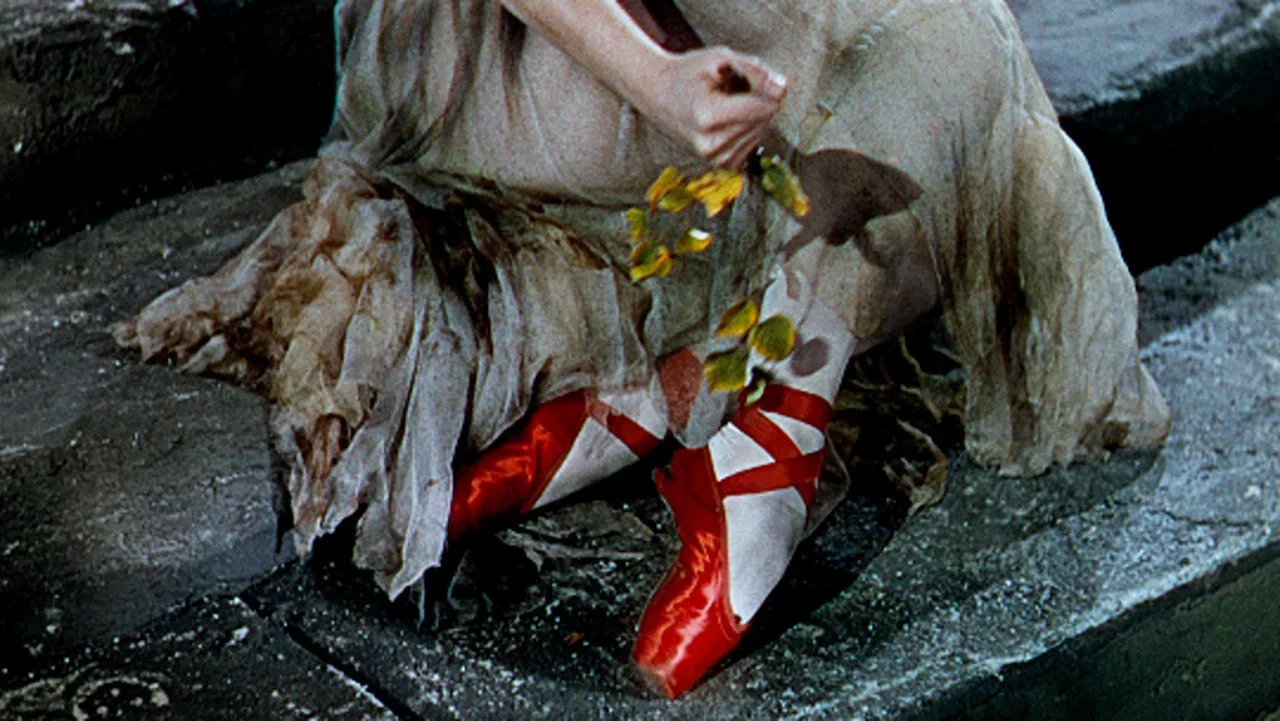
Bir dansçı. Kırmızı ayakkabılar. Ve o ayakkabılar bir türlü dans etmeyi bırakmasına izin vermiyordu. Sonunda onu öldürene kadar.
A dancer. Red shoes. And those shoes would not let her stop dancing. Until they killed her in the end.
Una bailarina. Zapatos rojos. Y esos zapatos no la dejaban parar de bailar. Hasta que al final la mataron.
Film çok eski. Soru hiç eski değil.
The film is very old. The question isn't old at all.
La película es muy vieja. La pregunta no lo es en absoluto.
Sanat için hayatından ne kadarını verirsin? Ve daha zoru — verdiğine sonradan pişman olacağını bilsen, yine verir miydin?
How much of your life will you give for art? And harder still — knowing you'd regret what you gave, would you give it again?
¿Cuánto de tu vida darías por el arte? Y más difícil aún — sabiendo que te arrepentirías de lo que diste, ¿lo darías otra vez?
Bilmiyorum.
I don't know.
No lo sé.
Belki kimse bilmiyor. Belki bir film, bir yazı, bir sayı, cevap vermek için değildir. Sadece soruyu biraz daha uzun açık tutmak içindir.
Maybe no one knows. Maybe a film, an essay, an issue, isn't meant to answer. Only to hold the question open a little longer.
Quizá nadie lo sabe. Quizá una película, un texto, un número, no existe para responder. Solo para mantener la pregunta abierta un poco más.
Whiplash (2014, yön. Damien Chazelle); The Red Shoes (1948, yön. Michael Powell & Emeric Pressburger)
← MakalelerEssaysEnsayos