ADAPTATION
ADAPTATION
ADAPTACIÓN
Eski filmleri yeniden izlerken bazen hikâye değişmez.
Watch an old film again and the story usually holds still.
Al volver a una película antigua, la historia suele quedarse quieta.
Değişen, bizim baktığımız yer olur.
What moves is where you're standing.
Lo que se mueve es el sitio desde donde miras.
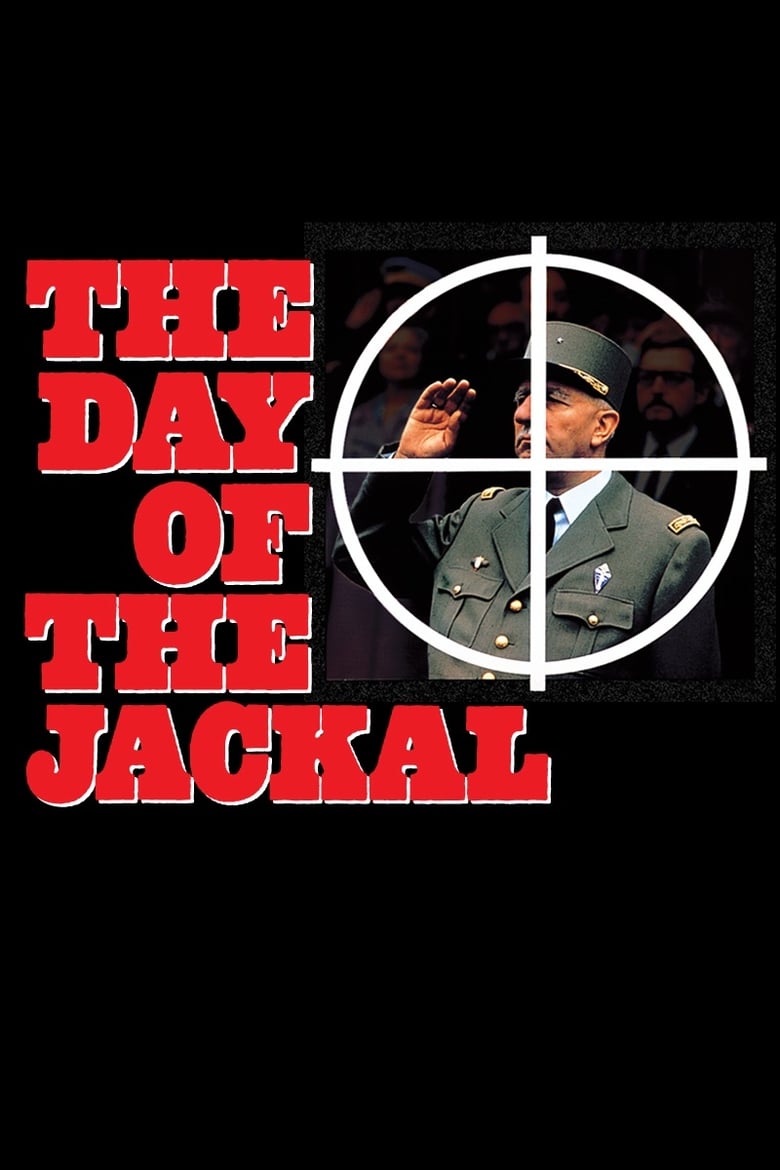
The Day of the Jackal'ı yıllar sonra yeniden izlerken aklıma takılan şey de buydu. Frederick Forsyth'ın aynı romanı neden artık bambaşka biri hakkında yazılmış gibi duruyordu?
That's what caught me when I returned to The Day of the Jackal after years away. Why did the same Frederick Forsyth novel now read as though it had been written about somebody else?
Eso fue lo que me llamó la atención al reencontrarme con Chacal después de años. ¿Por qué la misma novela de Frederick Forsyth parecía ahora escrita sobre otra persona?
Bu yazıda ne 1973 filminin ne de 2024 dizisinin sonunu konuşacağız.
Neither the 1973 film's ending nor the 2024 series' ending will be spoiled here.
Aquí no se cuenta el final de la película de 1973 ni el de la serie de 2024.
Çünkü asıl mesele hikâyenin nasıl bittiği değil.
How the story finishes isn't the point.
Cómo termina la historia no es la cuestión.
Neden artık aynı şekilde okunamadığı.
Why it can no longer be read the same way — that's the point.
Por qué ya no puede leerse igual: eso sí.
⸻
Her şey gerçek bir olayla başladı.
It began with something that actually happened.
Todo empezó con algo que ocurrió de verdad.
22 Ağustos 1962'de, Paris'in Petit-Clamart banliyösünde, Cezayir'in bağımsızlığına karşı çıkan OAS üyeleri, Charles de Gaulle'ün konvoyuna ateş açtı. Araç kurşunlarla delik deşik oldu. De Gaulle ve eşi saldırıdan sağ kurtuldu.
On 22 August 1962, in the Paris suburb of Petit-Clamart, members of the OAS — opposed to Algerian independence — opened fire on Charles de Gaulle's motorcade. The car was riddled with bullets. De Gaulle and his wife walked away.
El 22 de agosto de 1962, en el suburbio parisino de Petit-Clamart, miembros de la OAS —opuestos a la independencia de Argelia— abrieron fuego contra la comitiva de Charles de Gaulle. El coche quedó acribillado. De Gaulle y su mujer salieron con vida.
Bu başarısız suikast, birkaç yıl sonra genç bir gazetecinin zihninde başka bir soruya dönüştü.
Years later, that failed assassination turned into a different question in the mind of a young journalist.
Años después, aquel atentado fallido se convirtió en otra pregunta en la cabeza de un joven periodista.
Frederick Forsyth'ın merakı şuydu:
Frederick Forsyth wondered:
Frederick Forsyth se preguntó:
"Ya bunu ideolojik fanatikler değil de yalnızca işi öldürmek olan gerçek bir profesyonel deneseydi?"
"What if it had been attempted not by ideological fanatics but by a genuine professional whose only business was killing?"
"¿Y si no lo hubieran intentado unos fanáticos ideológicos, sino un profesional de verdad cuyo único oficio fuera matar?"
Roman böyle doğdu.
The novel came out of that.
De ahí nació la novela.
Forsyth kitabı yalnızca otuz beş günde yazdığını anlatır. İlginç olan, romanın bugün bile güncel hissettirmesinin nedeni bu hız değildir.
Forsyth has said he wrote the book in thirty-five days. The curious thing is that the speed isn't why it still feels current.
Forsyth ha contado que la escribió en treinta y cinco días. Lo curioso es que esa rapidez no explica por qué sigue pareciendo actual.
Altındaki tarih eskimedi.
The history underneath it never aged.
La historia que hay debajo no ha envejecido.
Çakal hiçbir zaman boşlukta dolaşan kurmaca bir karakter olmadı. Gerçek dünyanın içine, tam doğru yere yerleştirilmiş bir yabancıydı.
The Jackal was never a fictional character drifting in a void. He was a stranger placed into the real world, at precisely the right spot.
El Chacal nunca fue un personaje de ficción flotando en el vacío. Era un extraño colocado dentro del mundo real, exactamente en el sitio preciso.
Belki de hâlâ bu kadar ikna edici olmasının nedeni bu.
Perhaps that's why he still convinces.
Quizá por eso todavía convence.
⸻
1973 uyarlamasının en büyük yönetmenlik kararı ise senaryoda değildi.
The biggest directorial decision of the 1973 adaptation wasn't in the screenplay.
La mayor decisión de dirección de la adaptación de 1973 no estaba en el guion.
Oyuncu seçimindeydi.
It was in the casting.
Estaba en el reparto.
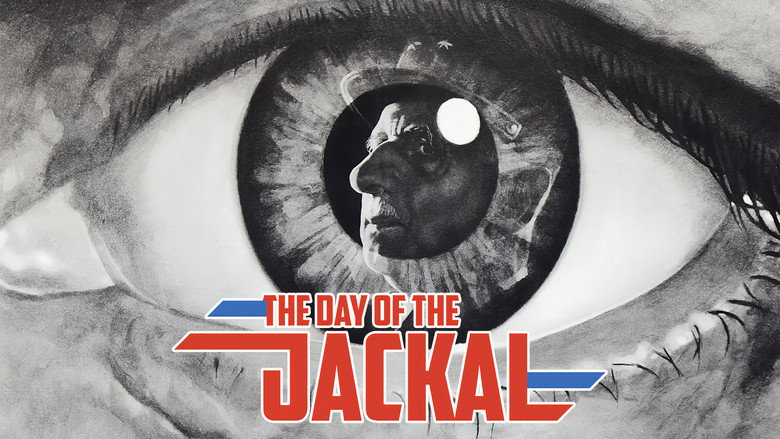
Stüdyo dönemin büyük yıldızlarını istiyordu. Jack Nicholson'ın, Robert Redford'un ve başka birçok tanınmış oyuncunun adı konuşuldu.
The studio wanted the stars of the moment. Jack Nicholson, Robert Redford and several other familiar names were discussed.
El estudio quería a las estrellas del momento. Se habló de Jack Nicholson, de Robert Redford y de otros nombres conocidos.
Fred Zinnemann hepsini reddetti.
Fred Zinnemann turned them all down.
Fred Zinnemann los rechazó a todos.
Yerine, uluslararası izleyicinin neredeyse hiç tanımadığı Edward Fox'u seçti.
He cast Edward Fox instead — a face international audiences barely knew.
En su lugar eligió a Edward Fox, una cara que el público internacional apenas conocía.
Yıllar sonra bu kararı anlatırken üzerinde durduğu ayrıntı ilginçti. Fox'un okuduğu tek bir replikten söz ediyordu:
Years later, describing that decision, the detail he lingered on was odd. He spoke about a single line Fox had read:
Años más tarde, al contar aquella decisión, el detalle en el que se detuvo era extraño. Hablaba de una sola frase que Fox había leído:
"Hiçbir şey asla bir hanımefendinin suçu değildir."
"Nothing is ever a lady's fault."
"Nunca es culpa de una dama."
Ardından şu cümleyi kurmuştu:
Then he said:
Y después dijo:
"Bu repliği inandırıcı söyleyebilen herhangi bir oyuncu beni kazanmıştır."
"Any actor who can deliver that line convincingly has won me over."
"Cualquier actor capaz de decir esa frase de forma convincente ya me ha ganado."
İlk bakışta oyunculuk üzerine söylenmiş sıradan bir övgü gibi duruyor.
It sounds like ordinary praise for an actor.
Suena a elogio corriente sobre un actor.
Aslında filmin bütün estetiği o kararın içinde saklı.
In fact the whole aesthetic of the film is folded into that decision.
En realidad toda la estética de la película cabe dentro de esa decisión.
Çünkü Zinnemann yıldız istemiyordu.
Zinnemann didn't want a star.
Zinnemann no quería una estrella.
Yokluk istiyordu.
He wanted an absence.
Quería una ausencia.
Bir yıldız oyuncu perdeye yalnızca karakterini getirmez; önceki filmlerini, alıştığımız mimiklerini, seyircinin belleğini de yanında taşır.
A star brings more than his character to the screen; he carries his earlier films, the expressions we've grown used to, the audience's memory.
Una estrella no trae solo a su personaje: arrastra sus películas anteriores, los gestos a los que nos hemos acostumbrado, la memoria del espectador.
Çakal'ın ise belleği olmamalıydı.
The Jackal was supposed to have no memory.
El Chacal no debía tener memoria.
Seyircinin zihninde bile.
Not even in ours.
Ni siquiera en la nuestra.
Filmi bitirdiğinde onun gerçek adını hâlâ bilmiyorsun. Çocukluğunu da. Neden böyle biri olduğunu da.
When the film ends you still don't know his real name. Or his childhood. Or why he became this.
Cuando la película termina sigues sin saber su nombre real. Ni su infancia. Ni por qué llegó a ser esto.
Garip olan şu ki, eksik kalan bütün bu parçalar karakteri zayıflatmıyor.
The strange part is that none of those missing pieces weaken him.
Lo raro es que ninguna de esas piezas que faltan lo debilita.
Tam tersine.
Quite the opposite.
Al contrario.
⸻
Roman yayımlandığında Forsyth, okurların Çakal'a sempati duymasına şaşırdığını söylemişti.
When the novel came out, Forsyth said he was surprised that readers felt sympathy for the Jackal.
Cuando se publicó la novela, Forsyth dijo que le sorprendió que los lectores sintieran simpatía por el Chacal.
"O lanet bir katildi."
"He was a bloody murderer."
"Era un maldito asesino."
Gerçekten de öyleydi.
He was, too.
Y lo era.
Yoluna çıkan masum insanları neredeyse hiçbir duygu göstermeden öldüren birinden söz ediyoruz.
We're talking about a man who kills the innocent people in his path with almost no visible feeling.
Hablamos de alguien que mata sin apenas emoción a los inocentes que se cruzan en su camino.
Ama sinema bazen ahlaki reflekslerimizden daha tuhaf çalışıyor.
But cinema works stranger than our moral reflexes.
Pero el cine funciona de forma más rara que nuestros reflejos morales.
Bir karakter hakkında ne kadar az şey bilirsek, zihnimiz o boşlukları kendiliğinden doldurmaya başlıyor.
The less we know about a character, the more readily the mind starts filling in the gaps.
Cuanto menos sabemos de un personaje, antes empieza la mente a rellenar los huecos.
Belki empati her zaman açıklamadan doğmuyor.
Maybe empathy doesn't always come from explanation.
Quizá la empatía no nace siempre de la explicación.
Bazen eksik bırakılmış bir cümlenin içinden geliyor.
Sometimes it comes through a sentence left unfinished.
A veces llega por dentro de una frase dejada a medias.
⸻
Filmi yıllar sonra yeniden izlerken başka bir şeye daha takıldım.
Rewatching it, something else held me.
Al volver a verla me detuvo otra cosa.
Gerilim, hedefe yaklaşmaktan çok işini iyi yapan insanları izlemekten doğuyor.
The tension comes less from closing in on the target than from watching people who are good at their work.
La tensión no viene tanto de acercarse al objetivo como de mirar a gente que hace bien su trabajo.
Sahte pasaport hazırlanışı…
The forged passport.
El pasaporte falso.
Silahın parçalar hâlinde taşınması…
The rifle carried in pieces.
El rifle transportado en piezas.
Polis teşkilatının ağır bürokrasisi…
The heavy bureaucracy of the police.
La pesada burocracia policial.
Bugün yavaş görünen bütün o süreçler…
All those processes that look slow today.
Todos esos procesos que hoy parecen lentos.
Roger Ebert'in filmi "ince işlenmiş bir saat mekanizması"na benzetmesi boşuna değil.
Roger Ebert comparing the film to finely made clockwork wasn't idle.
No es casual que Roger Ebert comparara la película con un mecanismo de relojería bien hecho.
Burada heyecanı yaratan şey hız değil.
What creates the excitement here isn't speed.
Lo que produce la emoción aquí no es la velocidad.
İşleyiş.
It's mechanism.
Es el funcionamiento.
Bu yaklaşımın daha sonra Michael Mann'in suç filmlerinden David Fincher'ın prosedürel anlatılarına kadar uzanan bir damarın erken örneklerinden biri olması da tesadüf sayılmaz.
That this approach turns out to be an early example of a line running from Michael Mann's crime films to David Fincher's procedurals is no coincidence either.
Tampoco es casual que este enfoque resulte ser un ejemplo temprano de una línea que va del cine criminal de Michael Mann a los relatos procedimentales de David Fincher.
⸻
Gerçekçilik yalnızca hikâyede değildi.
The realism wasn't only in the story.
El realismo no estaba solo en la historia.
Kurtuluş Günü geçit töreni sahneleri gerçek tören sırasında çekildi. Kalabalığın önemli bir bölümü bir film setinin içinde olduğunu bilmiyordu.
The Liberation Day parade scenes were shot during the actual parade. A good part of the crowd had no idea it was standing inside a film set.
Las escenas del desfile del Día de la Liberación se rodaron durante el desfile real. Buena parte de la multitud no sabía que estaba dentro de un rodaje.
Bazı seyircilerin oyuncuları gerçekten polis sanarak yardım etmeye çalıştığı anlatılır.
Some in the audience, the story goes, mistook the actors for real police and tried to help.
Se cuenta que algunos espectadores tomaron a los actores por policías de verdad e intentaron ayudar.
Bugün bu ayrıntı hoş bir kamera arkası hikâyesi gibi okunabilir.
Today that reads as a pleasant piece of behind-the-scenes trivia.
Hoy eso se lee como una anécdota simpática de rodaje.
Ama Zinnemann'ın neyin peşinde olduğunu da anlatıyor.
It also tells you what Zinnemann was after.
También dice qué buscaba Zinnemann.
Kurmaca görünmemek.
Not to look like fiction.
No parecer ficción.
⸻
Sonra elli yıl geçti.
Then fifty years passed.
Luego pasaron cincuenta años.

Diziye başladığımda beni en çok şaşırtan şey suikast sahneleri olmadı.
What surprised me most when I started the series wasn't the assassination scenes.
Al empezar la serie, lo que más me sorprendió no fueron las escenas de los atentados.
Eve dönüş sahneleri oldu.
It was the scenes of coming home.
Fueron las de volver a casa.
Yeni Çakal'ın bir evi var.
The new Jackal has a house.
El nuevo Chacal tiene una casa.
Bir eşi var.
A wife.
Una mujer.
Bir çocuğu var.
A child.
Un hijo.
Onun yalnızca nasıl öldürdüğünü değil, nasıl yaşadığını da görüyoruz.
We see not only how he kills but how he lives.
No vemos solo cómo mata, sino cómo vive.
Bir süre sonra tuhaf bir ikilem oluşuyor.
After a while a strange bind forms.
Al rato se forma un apuro extraño.
Yakalanmasını istiyorsun.
You want him caught.
Quieres que lo atrapen.
Ama eve dönmesini de.
And you want him home.
Y quieres que llegue a casa.

1973 filmi böyle bir duygu kurmaya çalışmıyordu.
The 1973 film wasn't trying to build that feeling.
La película de 1973 no intentaba construir ese sentimiento.
Belki de çalışamazdı.
Maybe it couldn't have.
Puede que no pudiera.
Çünkü o dünyanın korkusu başka yerdeydi.
Because the fear of that world sat somewhere else.
Porque el miedo de aquel mundo estaba en otro sitio.
⸻
İnsan dönüp şunu düşünüyor:
You end up thinking:
Uno acaba pensando:
Belki remake dediğimiz şey aynı hikâyeyi yeniden anlatmak değildir.
Perhaps a remake isn't retelling the same story.
Quizá lo que llamamos remake no sea volver a contar la misma historia.
Aynı hikâyenin içinden geçerek başka bir çağı okumaktır.
Perhaps it's reading another age by passing through the same story.
Quizá sea leer otra época atravesando la misma historia.
1973 filmi bugün hâlâ güçlü çünkü kendi döneminin endişelerini dürüstçe taşıyor.
The 1973 film still holds because it carries its own era's anxieties honestly.
La película de 1973 sigue en pie porque carga con honestidad las inquietudes de su tiempo.
2024 dizisi de bunu yapmaya çalışıyor.
The 2024 series is trying to do that too.
La serie de 2024 intenta hacer lo mismo.
Aynı romana bakıyorlar.
They're looking at the same novel.
Miran la misma novela.
Ama aynı dünyaya bakmıyorlar.
They're not looking at the same world.
No miran el mismo mundo.
Filmi kapattıktan sonra dönüp ilk uyarlamayı yeniden açtım.
After I closed the series I went back and opened the first adaptation again.
Cuando terminé la serie volví a abrir la primera adaptación.
İlginç olan şu ki Çakal değişmemişti.
The interesting thing is that the Jackal hadn't changed.
Lo interesante es que el Chacal no había cambiado.
Değişen, ona baktığım yerdi.
What had changed was where I was watching him from.
Lo que había cambiado era el sitio desde el que lo miraba.
The Day of the Jackal — Frederick Forsyth (1971 romanı); The Day of the Jackal (1973, yön. Fred Zinnemann); The Day of the Jackal (2024 dizisi); Roger Ebert incelemeleri; Fred Zinnemann ve Frederick Forsyth söyleşileri
← MakalelerEssaysEnsayos