Tags
2000s

Lonely people signing up for an Italian class in a church hall; nobody had thought the Dogme rules could be applied to a romantic comedy.

A traffic accident ties two families together and nobody can tell anybody the truth; Bier's method was established here.
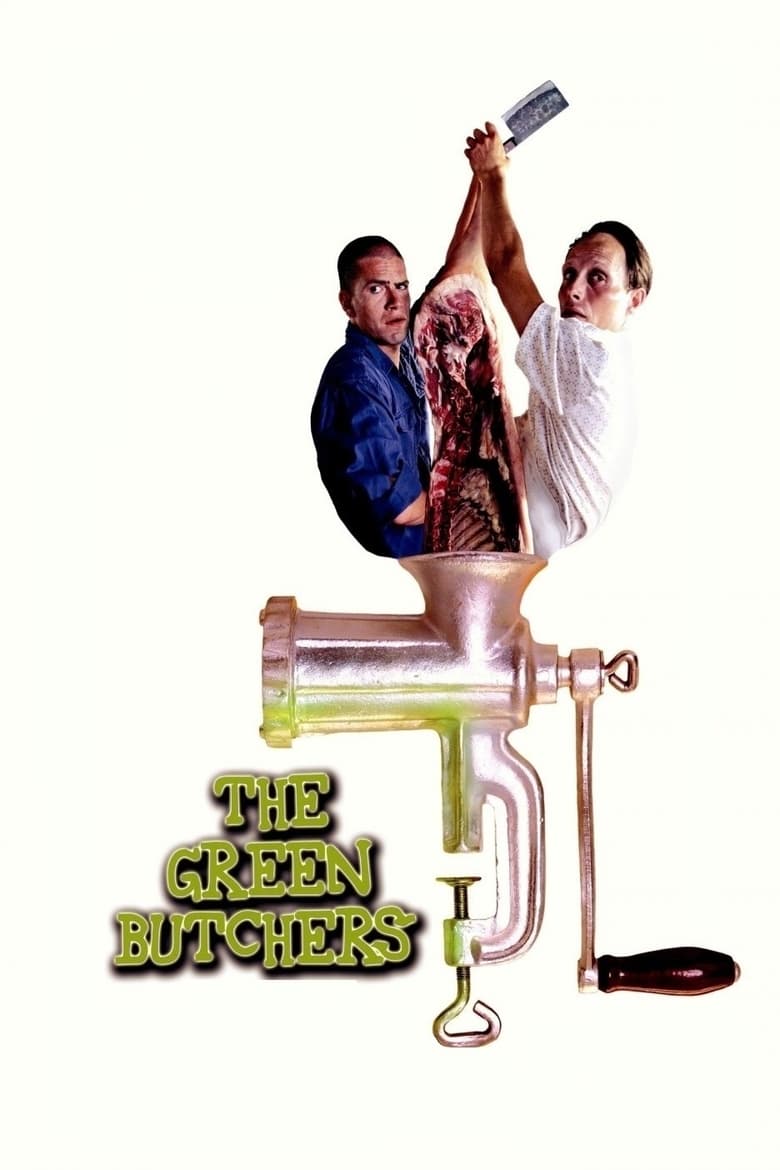
Two butchers accidentally sell human meat and the customers love the taste; nobody is horrified, and neither is the film.
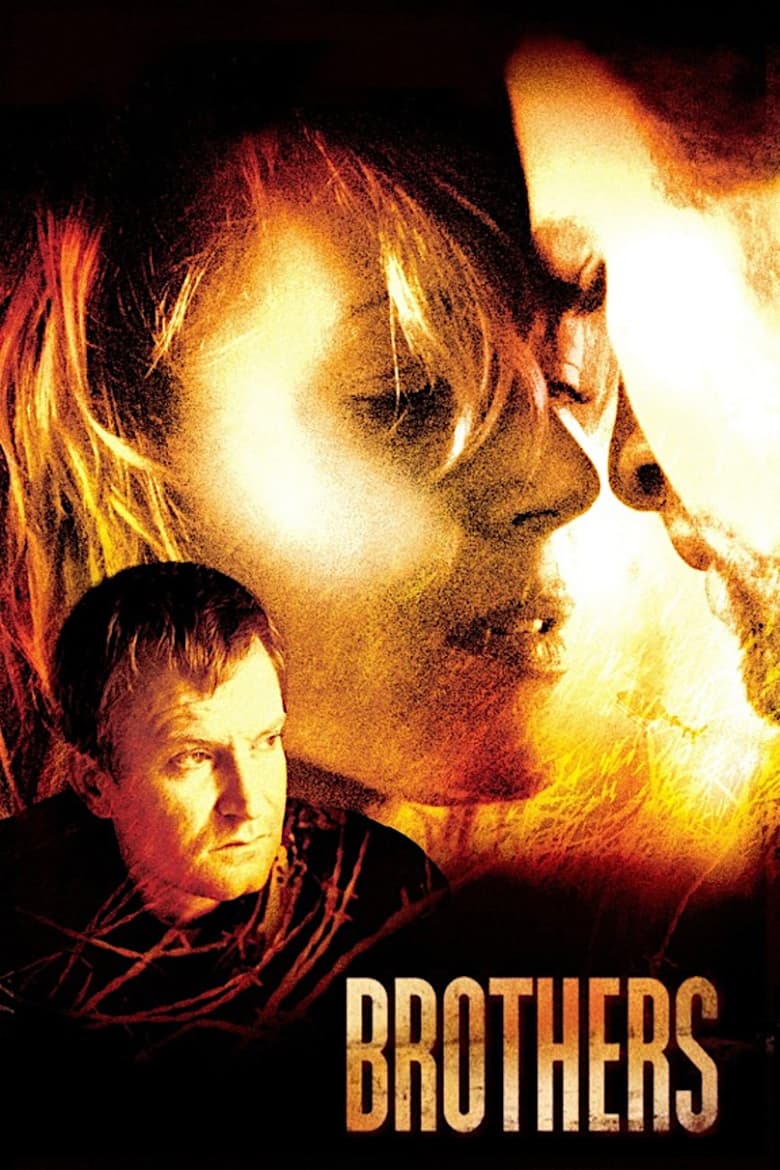
A soldier presumed dead in Afghanistan comes home and finds his brother there; nobody says what happened.
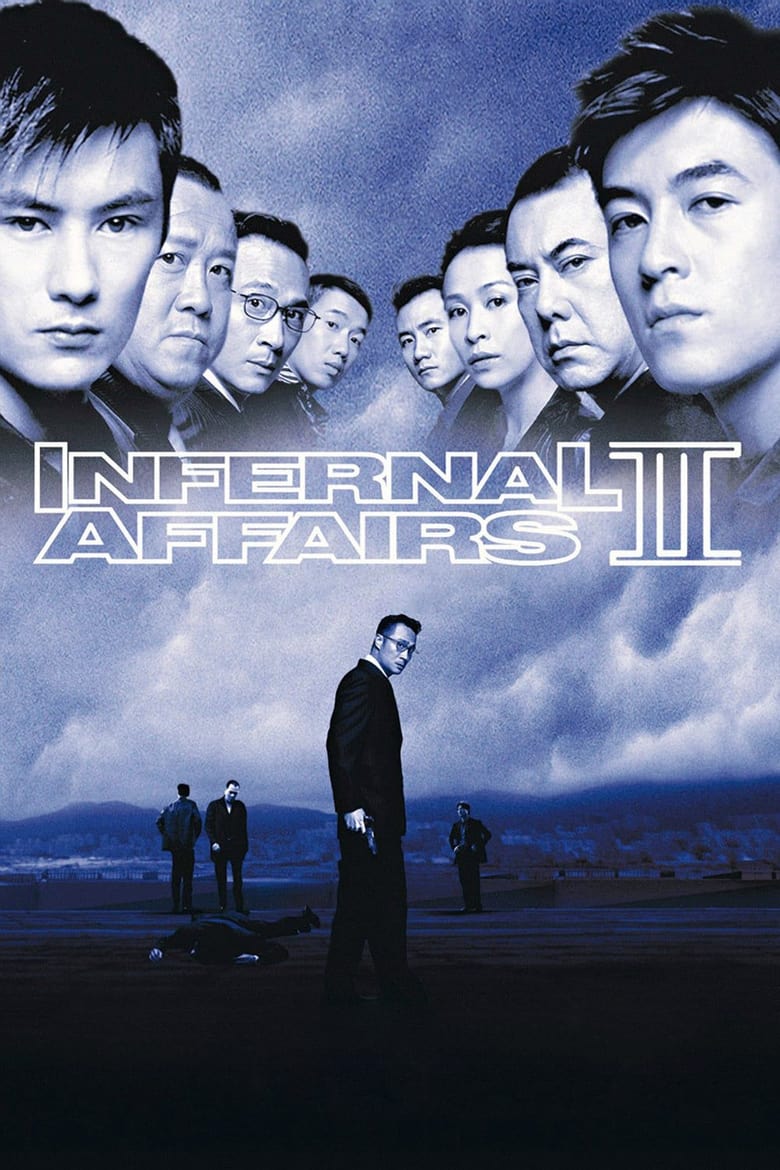
What came before the first film: the two moles are not yet in place, the families still hold together. Not a sequel but the story of the time that was lost.
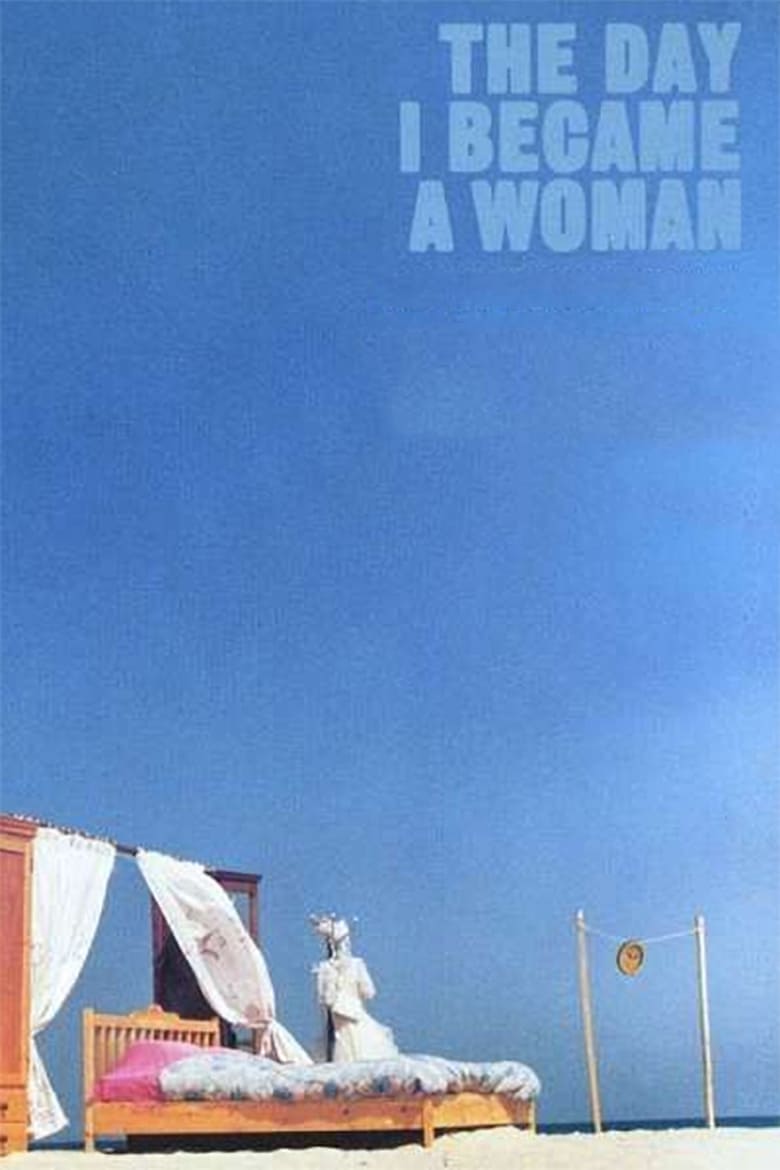
Three stories, three ages: a nine-year-old's last hour of play, a woman in a bicycle race with her husband riding after her, an old woman buying everything she never had, spread out on a beach. Meshkini tells a woman's life in three cuts and explains none of them.
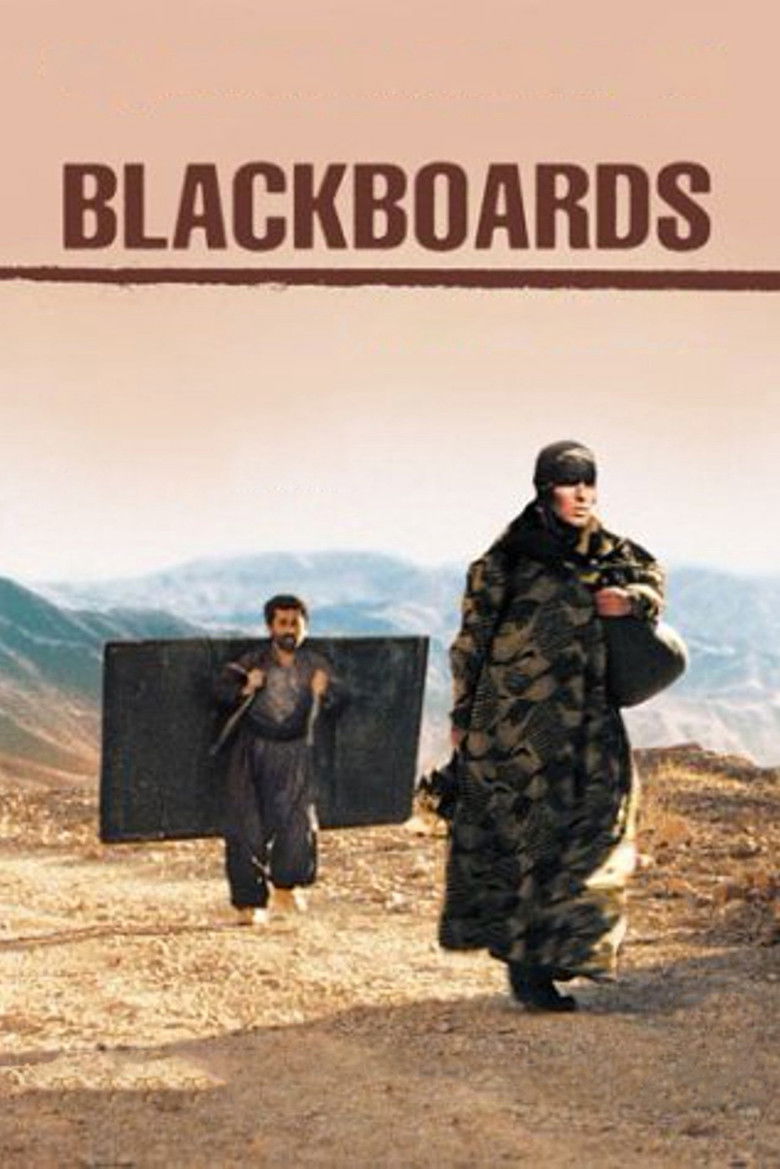
On the Iran-Iraq border travelling teachers carry blackboards on their backs looking for pupils; the board becomes a shield, a stretcher, a dowry. Samira Makhmalbaf was twenty and won the jury prize at Cannes.
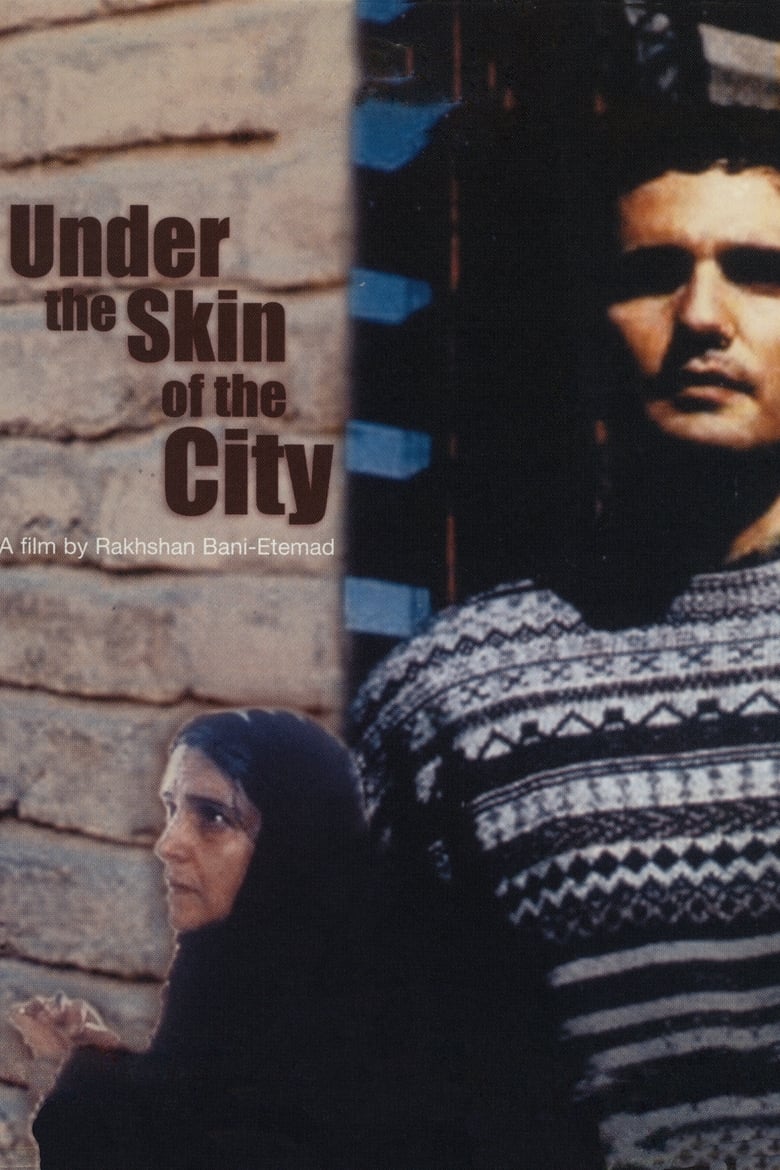
A family coming apart around a woman who works in a textile factory: a beaten pregnant daughter, a son drifting into politics, an elder son trying to sell the house to get abroad. The film is set during an election and nobody is voting for anybody.
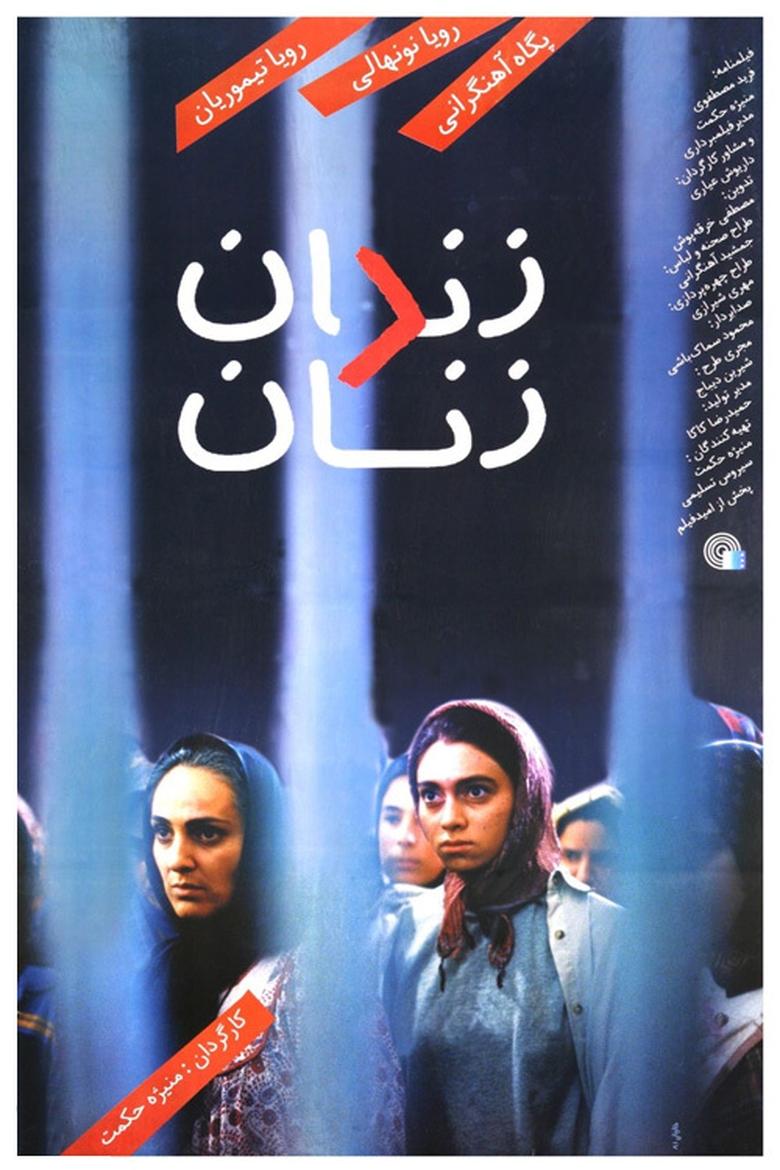
Eighteen years in a women's prison: a strict religious warden and a young midwife serving time for killing her mother's abusive husband. Hekmat shot in a real prison and censorship kept the film unreleased for a long time.
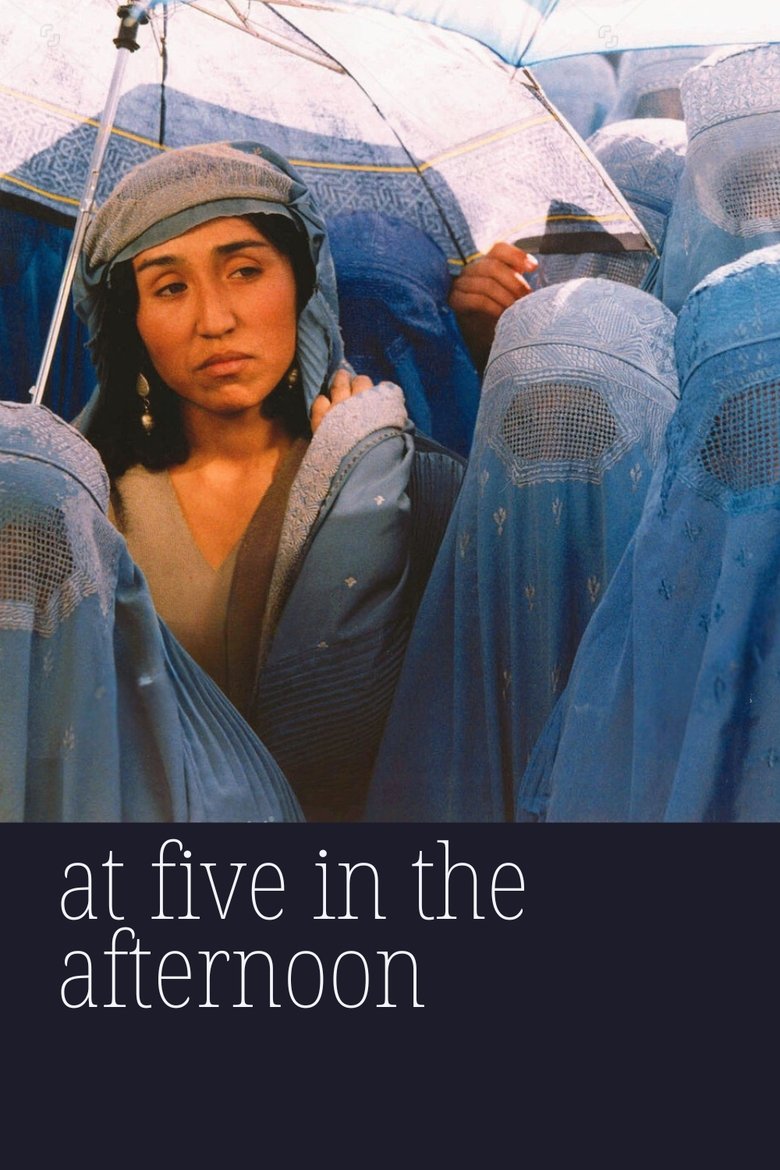
In post-Taliban Kabul a young woman secretly attends school and dreams of becoming president; if her father finds out it ends. The film was shot among ruins and takes its title from a Lorca poem.
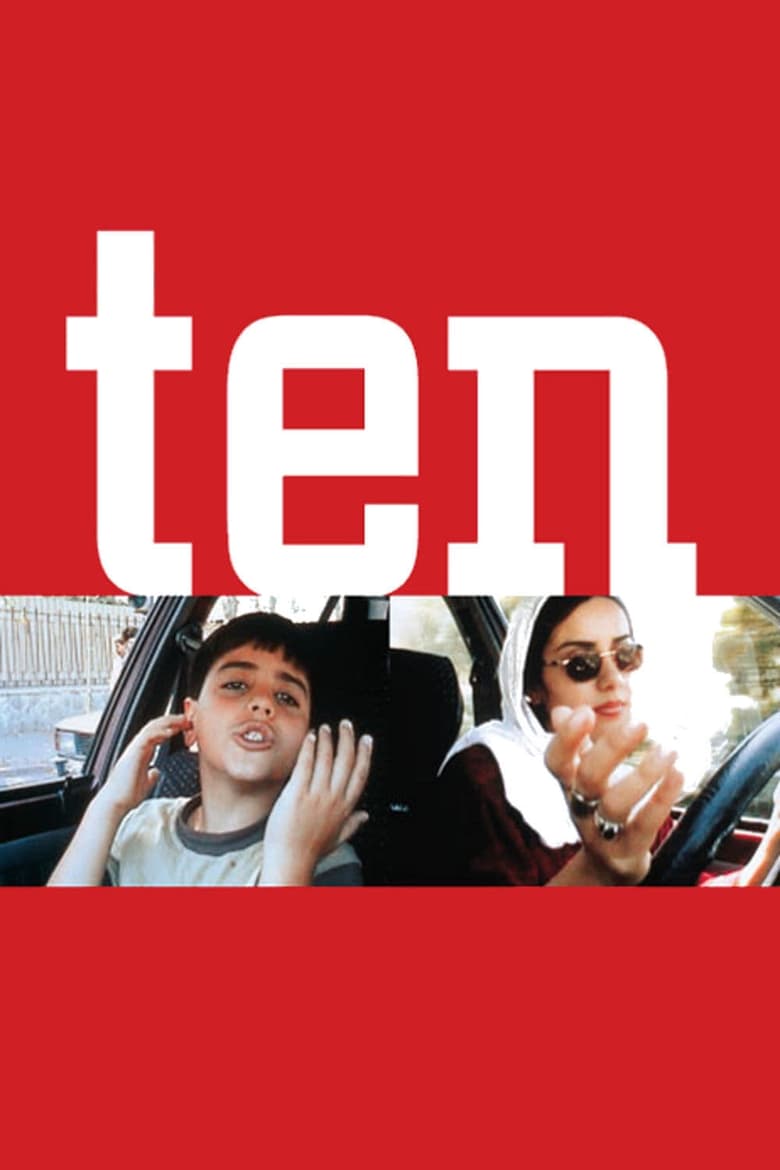
Two cameras were fixed to a car's dashboard, the director was not in the car, and ten conversations were recorded: a woman driving, her son, her sister, a prostitute, a widow, an old woman going to pray. Here Kiarostami gave up directing almost entirely and tested how little cinema needs to remain cinema.
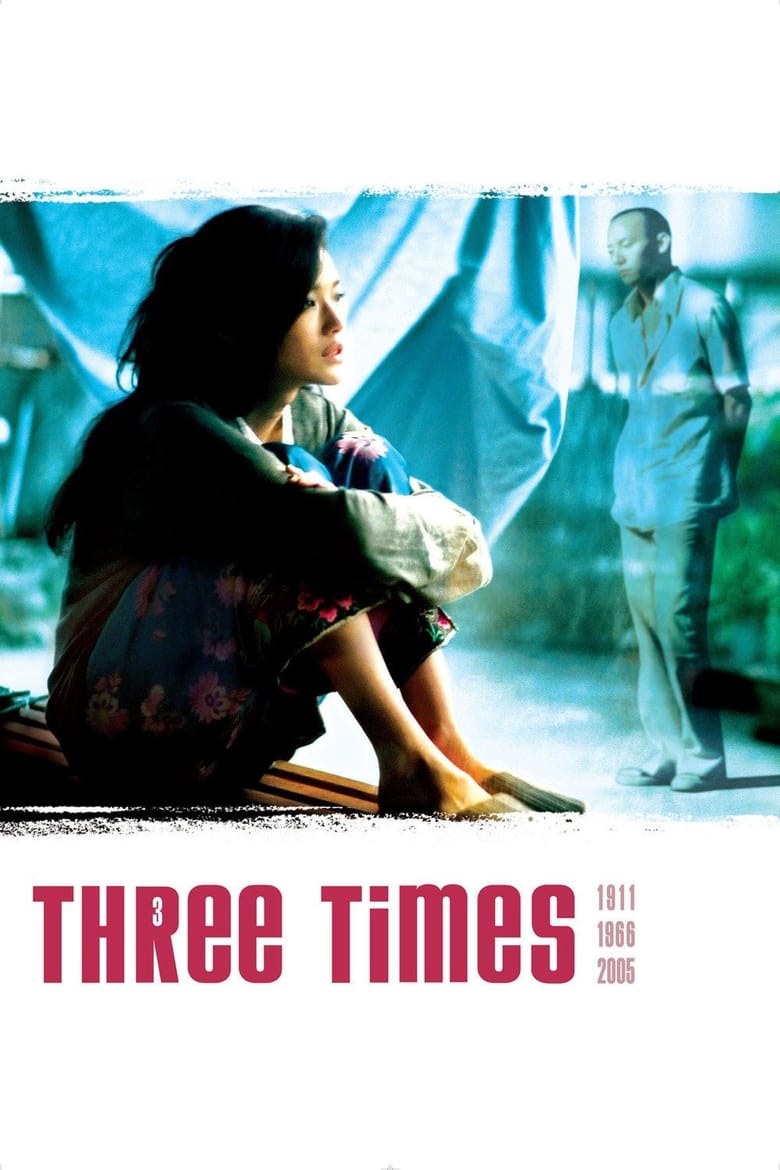
Three love stories, three periods, the same two actors. The 1911 segment is shot like a silent film — intertitles, nobody speaks.
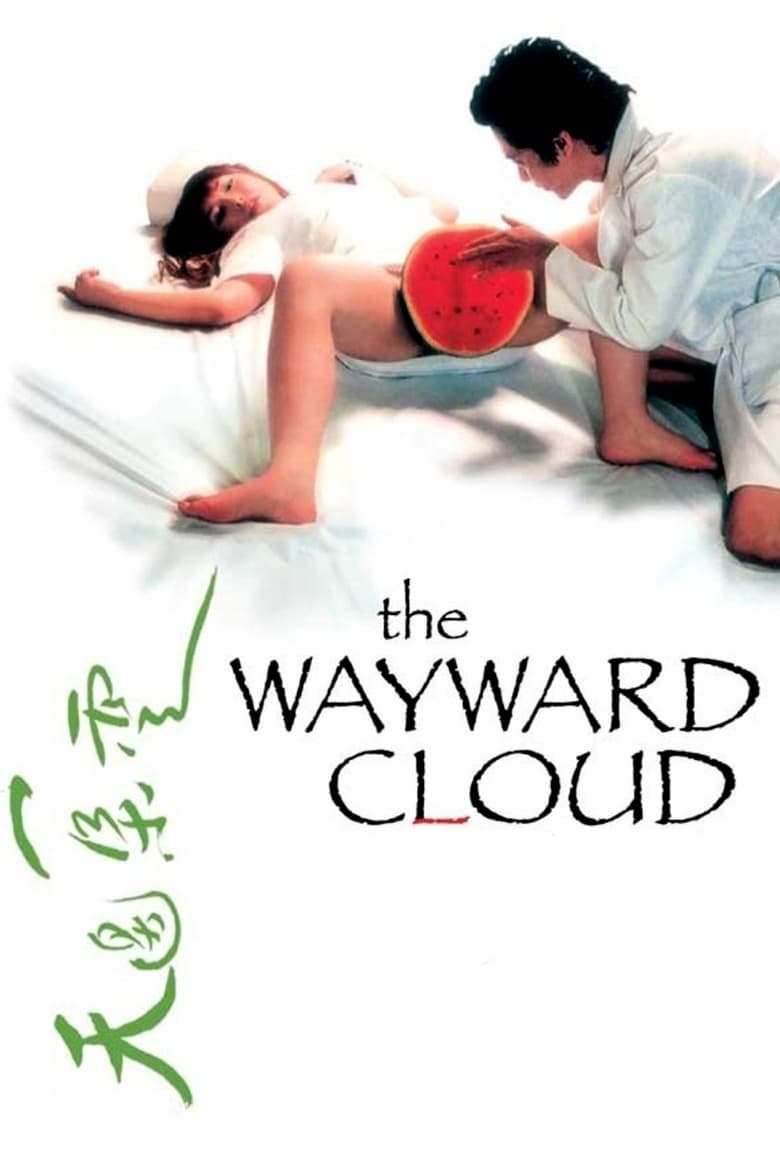
There is a water shortage, everyone drinks watermelon juice, and musical numbers cut in between. It won three prizes at Berlin, and people walked out of the screening.
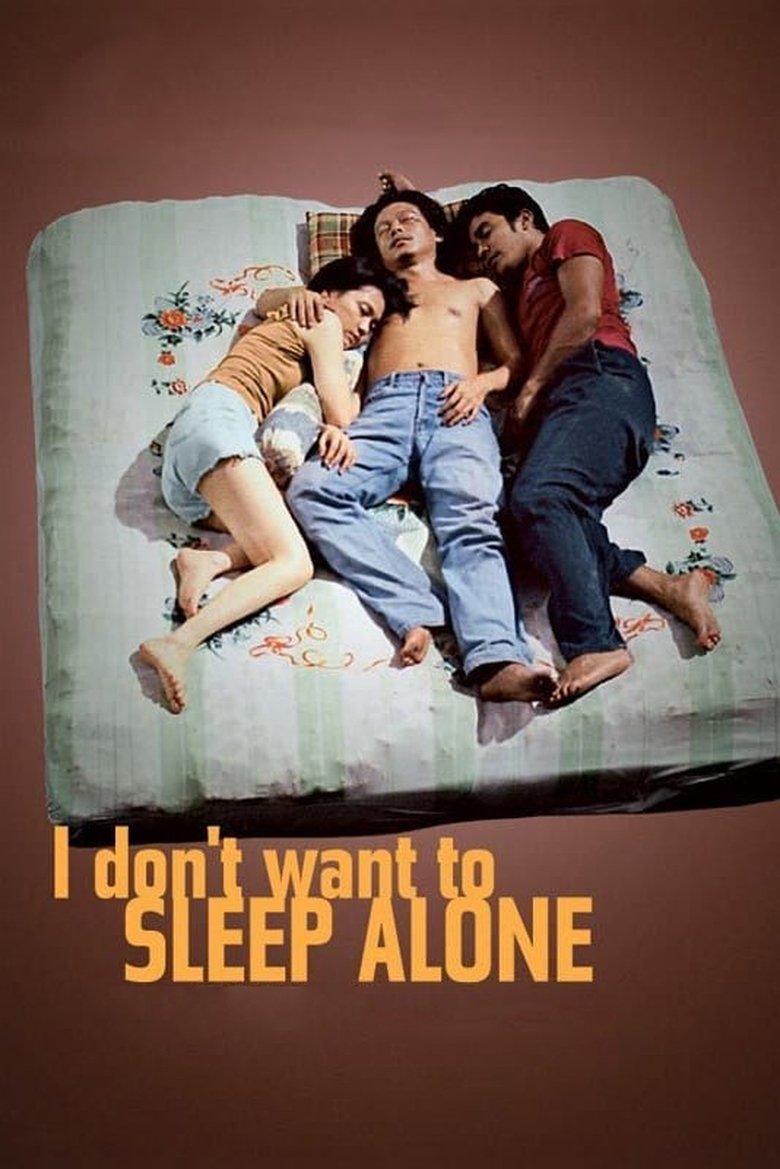
An abandoned building site in Kuala Lumpur with water pooled inside it. Tsai went back to Malaysia, where he was born, and shot there for the first time.
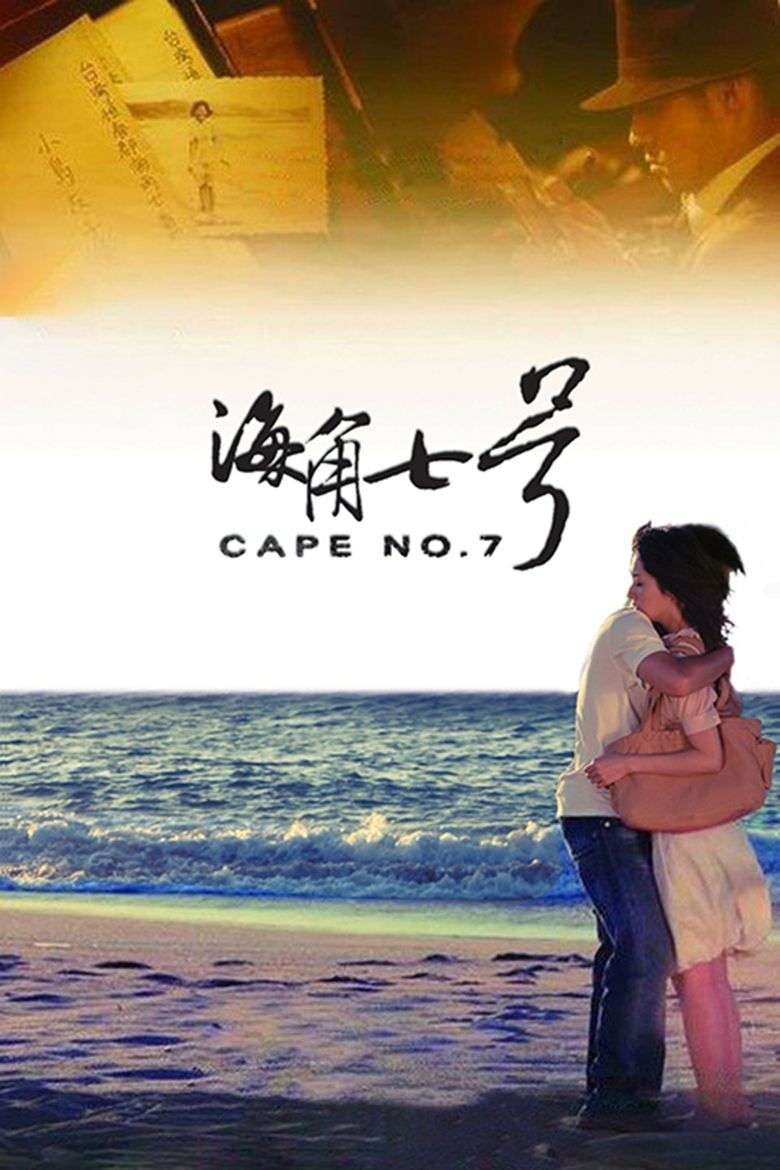
A musician who failed in Taipei goes home and puts a band together. In between, seven letters written sixty years earlier are read aloud. It became the most watched local film in Taiwan up to that point.

A British intelligence translator leaks one memo and sets her freedom against a nation marching to war. A quiet study of conscience versus the state.
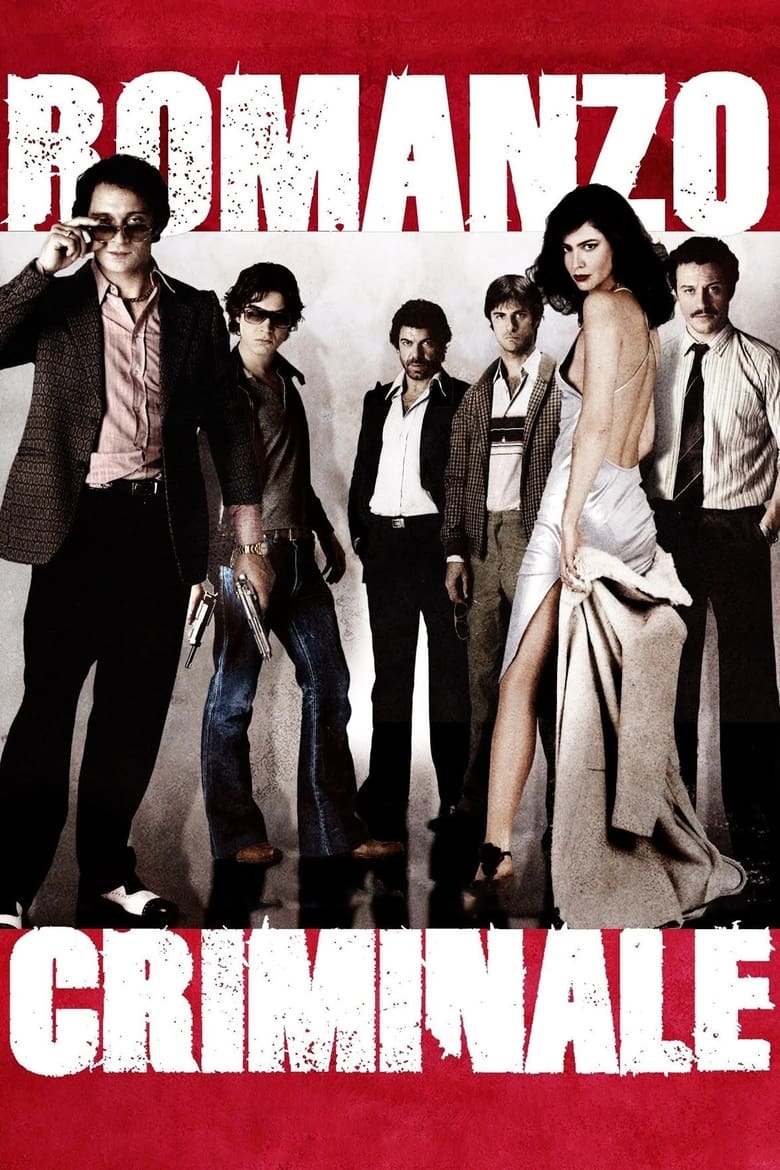
The rise and collapse of a gang that held Rome for years. Crime film and recent history braided together.

A superhero film whose real subject is middle age and family. It criticised the genre a decade early.

There is almost no dialogue in the first forty minutes. On a mountain of rubbish, silent cinema came back.

Money found in an apartment block turns all the neighbours against each other. The tensest of closed-space comedies.