Tags
absurd

Deciding to leave is easy; leaving is not. Matin makes each obstacle slightly more absurd than the last, turning comedy by degrees into a state of being stuck.

Two brothers travel to an island looking for their father and find three more brothers there; the film grows stranger and explains nothing.

A giant balloon found in a village and what the villagers do with it. The boldest allegory in Bulgarian cinema; it was banned.

A firemen's ball turns into a night where everything goes wrong. Forman insisted it wasn't about the regime; nobody believed him and it was banned.
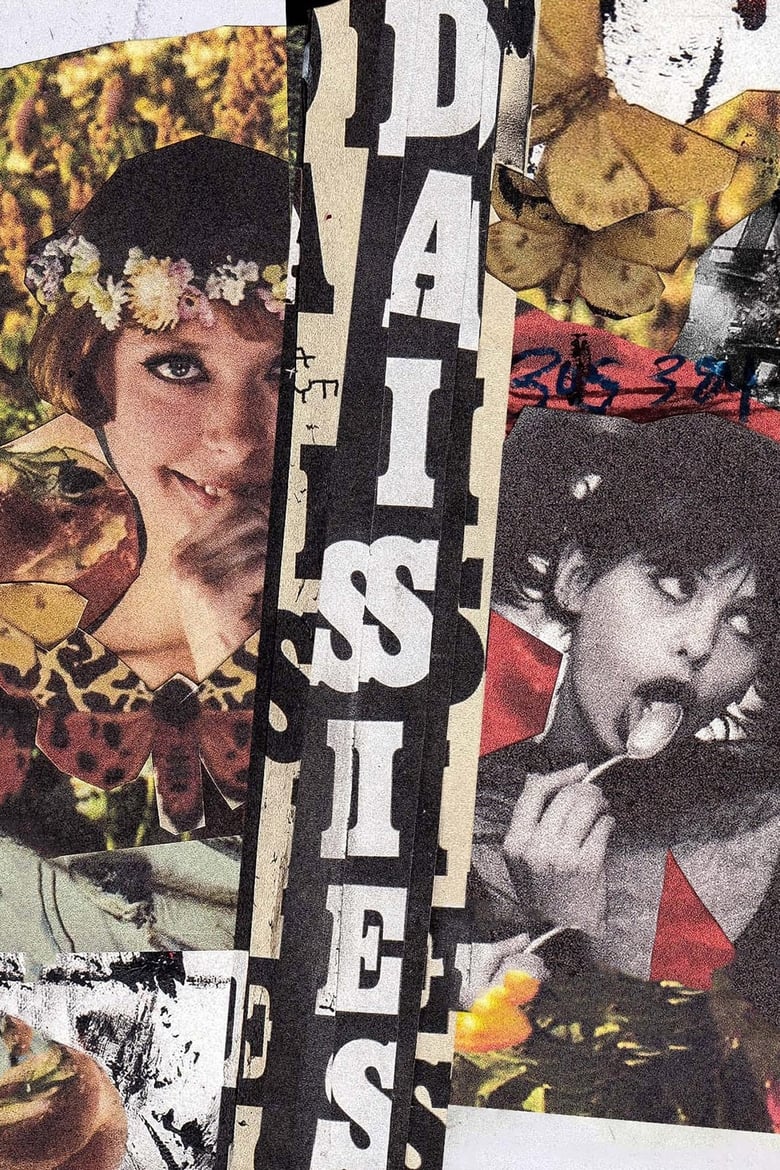
Two young women decide to spoil everything. The most radical film of the Czech New Wave; it was banned and Chytilová couldn't work for years.

Four people and their strange, secret compulsions. Almost no dialogue; Švankmajer tells desire through objects.

A father invades his daughter's corporate life with false teeth and a wig. Ade turns discomfort into comedy; the birthday scene is unforgettable.
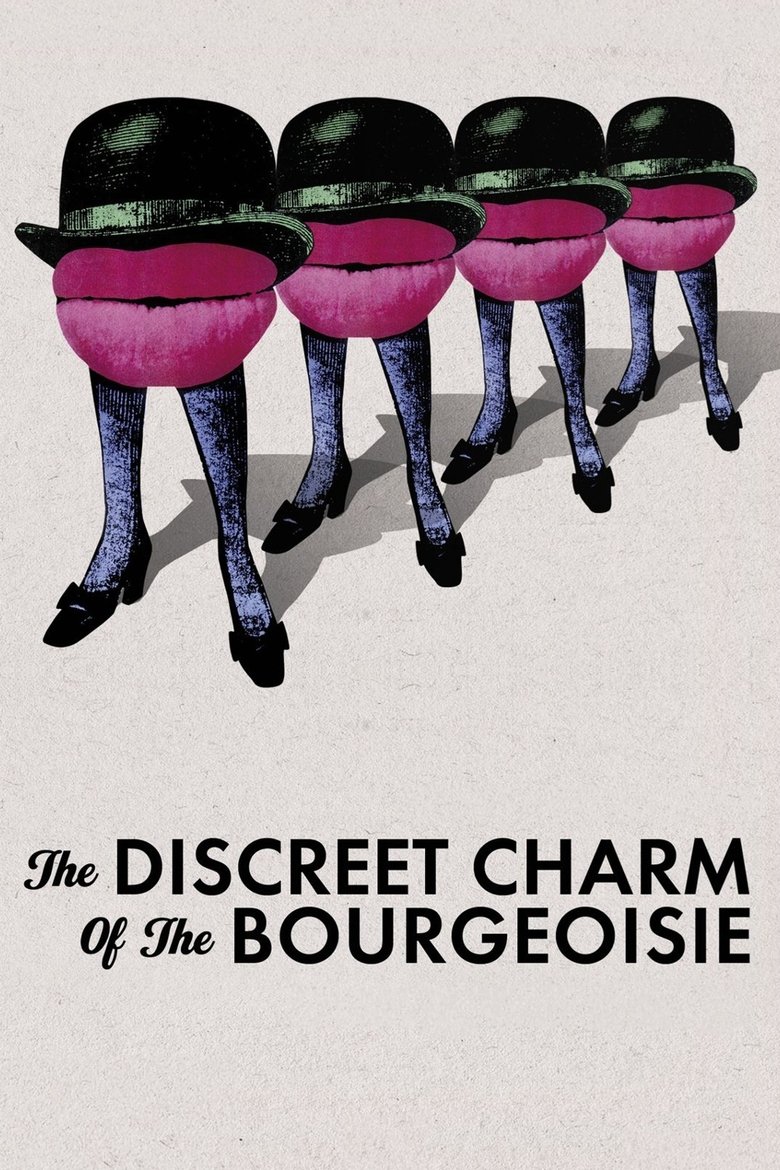
Six bourgeois characters can never manage to eat. Buñuel interrupts the same scene again and again; his allegory has never been this funny.

Two women fight to be a queen's favourite. Lanthimos's most accessible film; Olivia Colman won the Oscar.

In the Russian Civil War the sides keep changing places. Jancsó turns war into a meaningless carousel; nobody is a hero.

A father, a son and a talking crow on the road. Pasolini turns an ideological argument into a fable — odd, funny and bleak.

Two pilgrims on the road to Santiago meeting heresies from every century. Buñuel turns religious history into a road movie.

A man wants to kill, but his victims keep dying for other reasons. The purest example of Buñuel's black humour.

A man from Nazareth, a woman driving to Ramallah and a checkpoint. Suleiman tells politics through silent comedy; he himself never speaks.

Sexual liberation, Reich and communism in Yugoslavia. Makavejev's most provocative film; it was banned at home and he went into exile.

A snowed-in apartment block and the lives inside it. Andersson joins absurdity and hopelessness in static frames.

Thirty-nine static tableaux, each a separate state of being human. Andersson erases the distance between the comic and the tragic.

Two salesmen, death and the absurd. The last film in Andersson's trilogy; it won the Golden Lion in Venice.

A catalogue of existence assembled from brief scenes. Andersson's most abstract and shortest film; every frame is a painting.

Two men abduct a pharma CEO, certain she's an alien wrecking the planet. A duel that turns paranoia into comedy and comedy into unease.

