Tags
allegory

An order built underground defines old age as a resource problem, and a family has to argue it out in its own kitchen. Altın keeps the science fiction free of spectacle: the subject is not the future but how a decision gets legitimised inside a household.
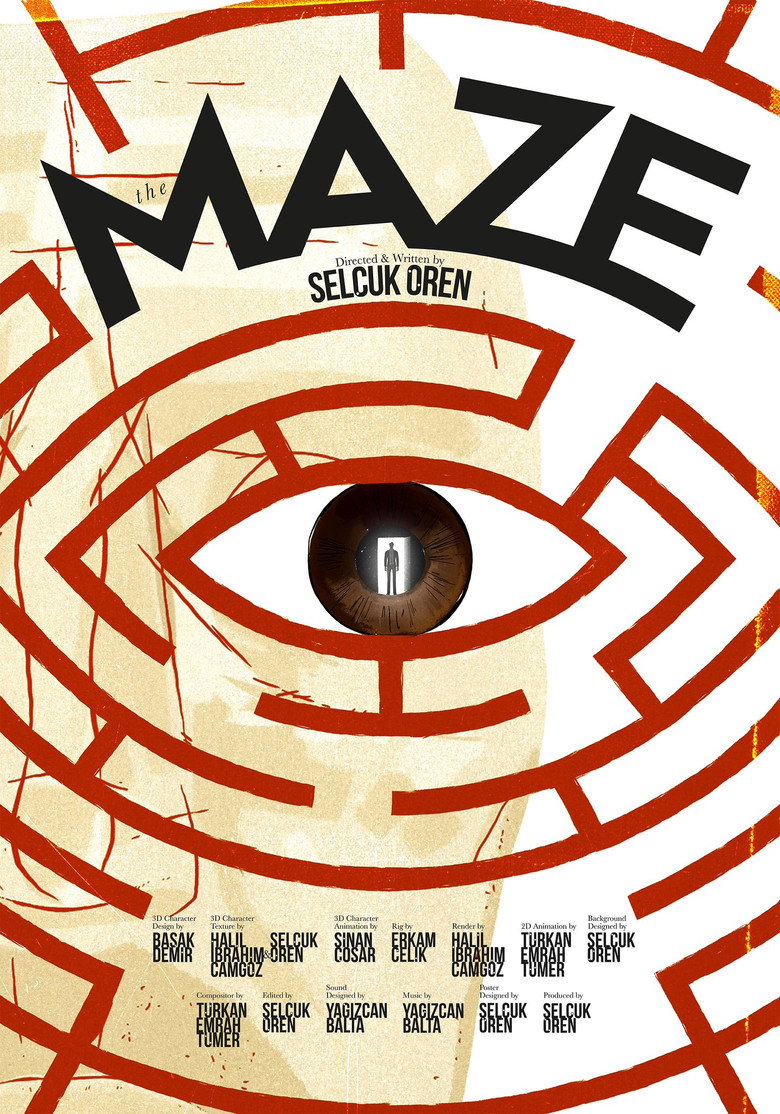
While an exit from the labyrinth is being sought, the cracks in the wall open onto the past. Ören uses space as a psychological map: the longer the corridor grows, the clearer it becomes that what is being fled is inside rather than outside.

The erasure of one belief system by another is told through an animal allegory in a magical-realist register. Rather than arguing a thesis in five minutes, Yentür works a single image, and the harshness of the telling comes from that indirectness.

The distance between the two meanings of the word "game" is fitted into four minutes.

The apartment block is not a dwelling but a device; the moment the broadcast enters, the architecture turns hostile. Behram attaches the tools of genre directly to an allegory of control and builds the fear out of fluid and silence.

An island emptied by the expectation of an earthquake, a half-abandoned house, a few people sheltering inside it. Erdem builds tension out of waiting rather than incident; nobody explains anything and the film declines to explain either.

A life turns into a tale in the mouth of the nephew telling it, and the factual side slips into second place. Pirselimoğlu builds the short on the narrator's credibility: is what we are hearing a memory or a legend.

A folk legend: the seventh son becomes a werewolf. Argentina's most-watched film, in which Favio turns folklore into melodrama.

A giant balloon found in a village and what the villagers do with it. The boldest allegory in Bulgarian cinema; it was banned.

A couple, a prophet and a bandit in the drought-stricken sertão. Rocha's Cinema Novo manifesto, a revolution narrated in folk song.

The cangaço legend rendered in colour and myth. Rocha's most visual film, where Brazilian folklore and revolution share the frame.
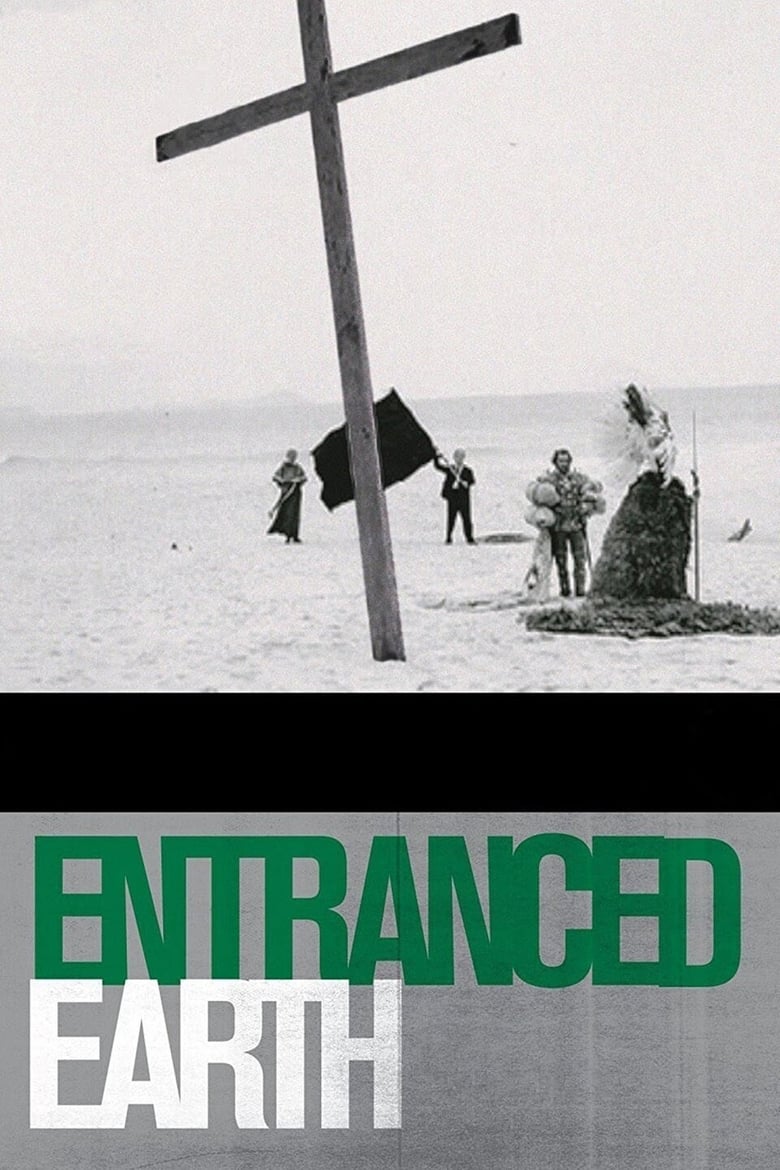
A coup in an imaginary country and a poet's betrayal. Rocha turns politics into operatic chaos; it won at Cannes.

A Frenchman is captured by a cannibal tribe and fattened for six months. The wittiest satire of colonialism ever made; Brazilian censors missed the point.

A theatre troupe stages a Passion play and it spills into their lives. Arcand goes looking for modern sanctity.

A firemen's ball turns into a night where everything goes wrong. Forman insisted it wasn't about the regime; nobody believed him and it was banned.

Adam and Eve retold in a holiday resort. Chytilová makes colour and form the subject; not an easy film.

Four men go rabbit hunting under Franco. Saura lets violence accumulate in the sun; the allegory slipped past the censors.
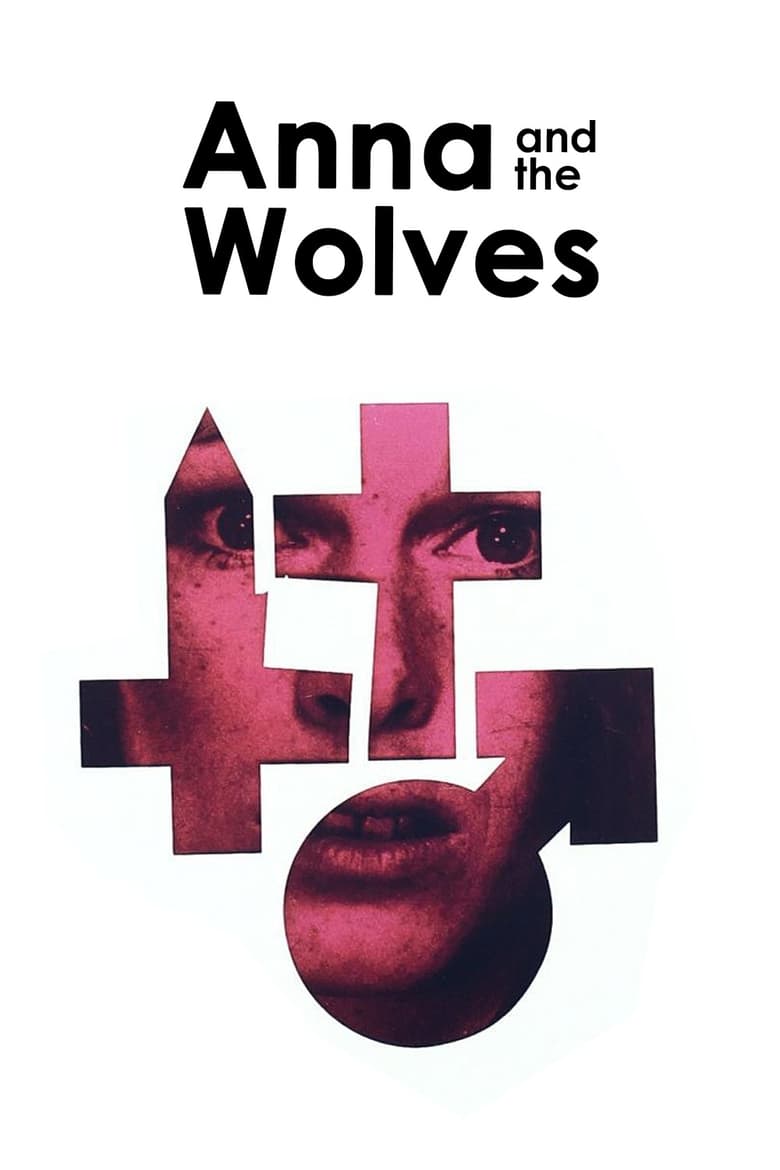
A family rotting in a country house. Saura's Francoist Spain: every character is an institution, every relationship a disease.

Psychological torture in a prison camp in the 1860s. Jancsó's long takes move like choreography across the bare plain; the most abstract portrait of power.

In the Russian Civil War the sides keep changing places. Jancsó turns war into a meaningless carousel; nobody is a hero.
