Tags
Character Study

What comes after the first sale: the man learns how much he lost, and with that knowledge a shovel ends up in his hand. Özcan presents obsession not as a character trait but as a business plan; the longer the tunnels grow, the further the family recedes, until what lies underground feels more real than anything above it.

The obstacles in front of a woman are neither dramatic nor one-off: a signature, an appointment, a phone call, an ex-husband's manner. Reyhan lets them accumulate and makes the viewer share the same fatigue, until it becomes hard to notice where the decision was actually made.

The funeral is not an ending but a calendar: everything the man has been avoiding gathers in one house for three days. Atabey uses comedy not to cover the grief but to show how someone unripe defends himself.

A briefcase, money belonging to nobody in particular, and the market value of honesty. Erdem keeps raising the tempo until moral hesitation becomes a physical chase; the further the man runs, the less of his own measure he keeps. Money is present in nearly every scene, which makes this less a crime story than a study of appetite.
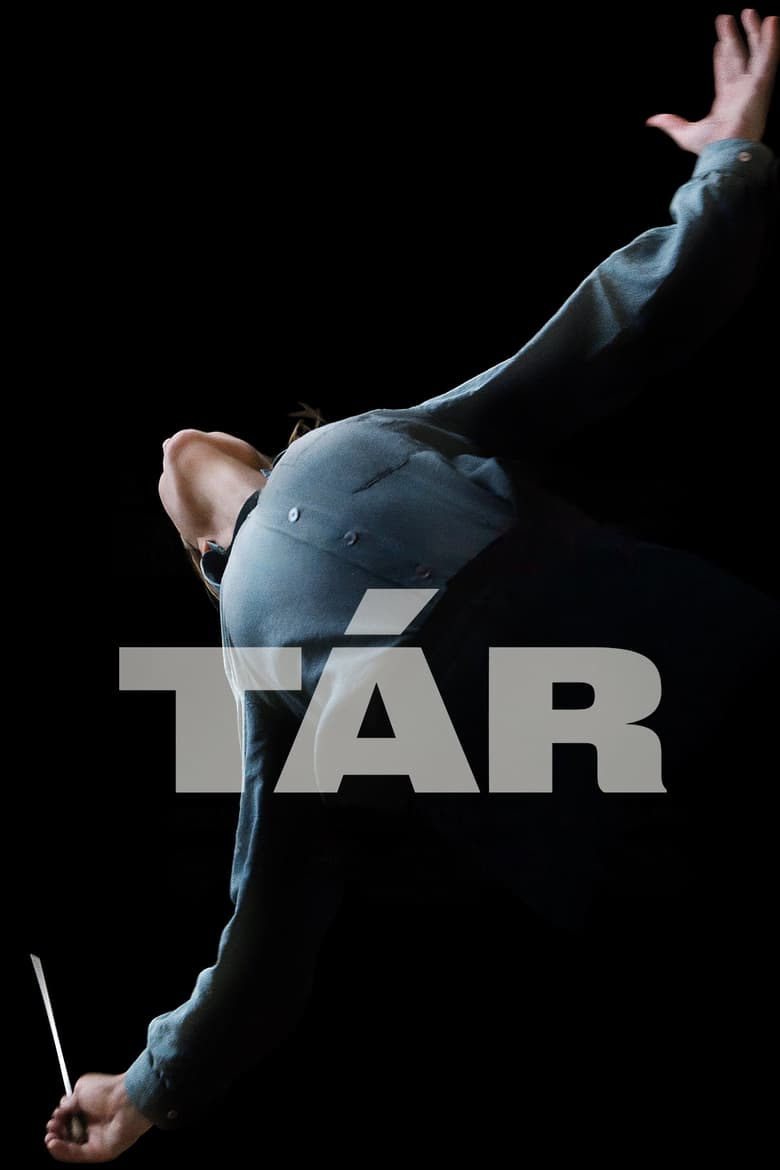
A famous conductor's power and downfall. A shattering, sharp tour-de-force from Cate Blanchett.

A man manages his life's collapse by phone over one car journey. One space, one actor, breathless.

A bartender, a puppy and the neighbourhood's debts. Tom Hardy's quietest performance and James Gandolfini's last film.

A concert pianist plays in a bar while his past follows him. Truffaut toys with genre — noir, comedy and grief in the same scene.

A woman dies on the road and the film moves backwards to find her. Varda offers no pity and no explanation — only the cost of freedom.

A legless orca trainer and a street fighter. Audiard films the body and tenderness at once; Cotillard's bravest performance.

A portrait of Giulio Andreotti. Sorrentino films the politician like a ghost — motionless, expressionless, untouchable.

A dog groomer and the neighbourhood bully. Garrone accumulates violence quietly; Marcello Fonte's face carries the film.

A man and the gun he carries, across three hours. Puiu renders murder ordinary; the motive is never explained.

Scorsese's own neighbourhood. In Little Italy crime isn't a career but a habit — and Keitel's conscience never stops bleeding.

Chandler's Marlowe dropped into the seventies. Altman leaves his hero tired, scruffy and out of time — and takes the genre apart.

The rise and fall of the porn industry told as a family story. Here PTA learns Scorsese and finds his own voice.

Three sisters between two Thanksgivings. Allen's closest approach to Chekhov; Michael Caine's silent love is the film's heart.

Tarantino's most mature and quietest film. Pam Grier's weary heroine is less about the escape plan than about growing old.

The last twenty-four hours before prison. Spike Lee's post-9/11 New York; Edward Norton's mirror monologue is unforgettable.

A hitman and his driver across one Los Angeles night. Mann shot the city on digital — the lights smear, the distance stays cold.


