Tags
Class
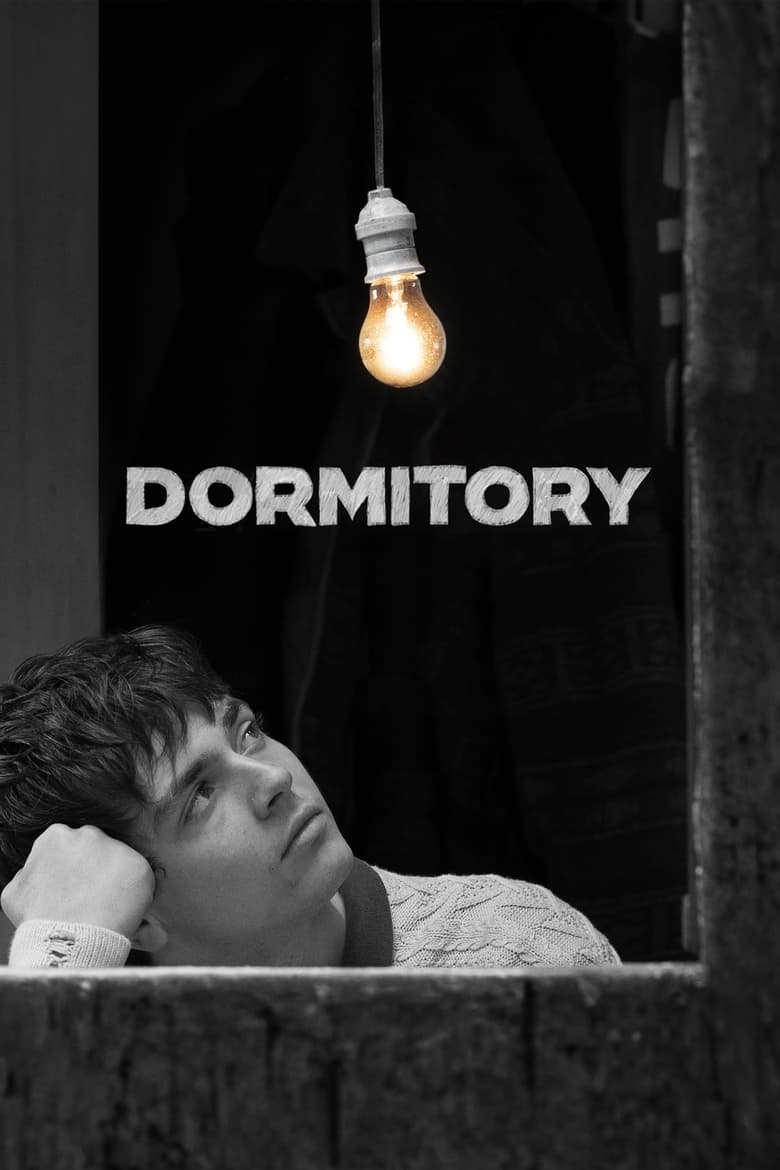
A boy has to learn the rules of two separate orders every day, and neither will have him. Tuna films the dormitory not as an apparatus of oppression but as a closed world with its own logic; the tension comes less from faith than from a child not knowing which language to speak.
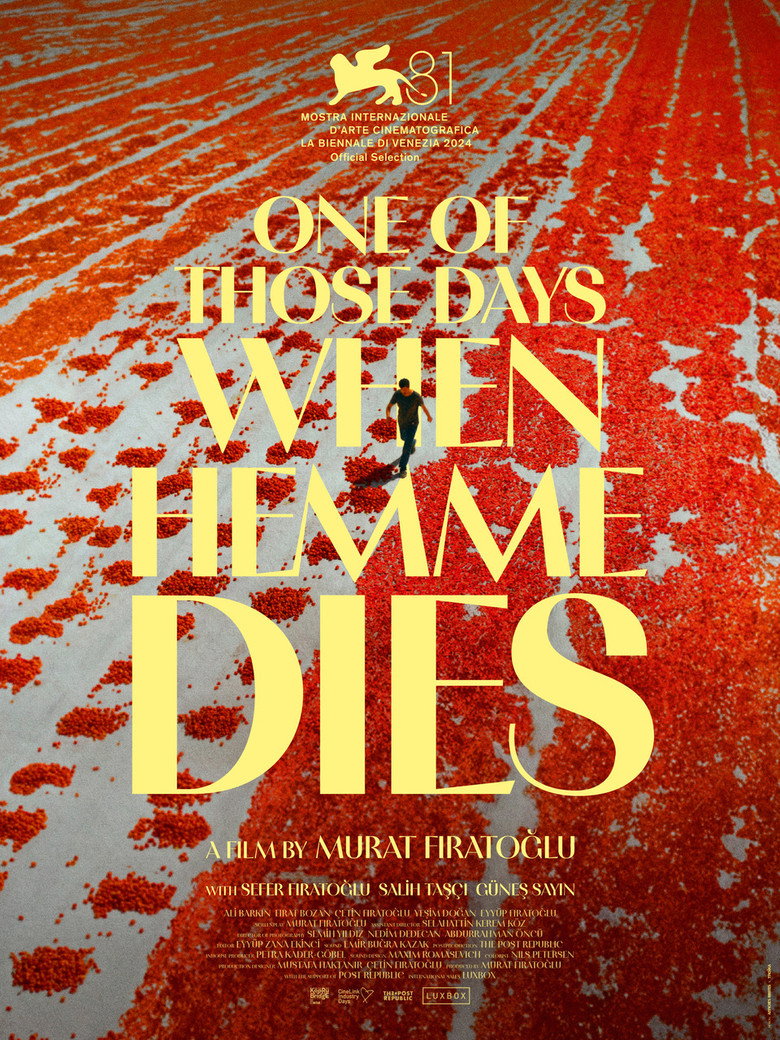
The anger is there and the decision is made; what remains is a day spent walking around with it. Fıratoğlu does not delay the violence for effect — the delay is the subject: everyone met along the way is both an obstacle and a rest. Heat, day-wages and distance belong to the same equation.
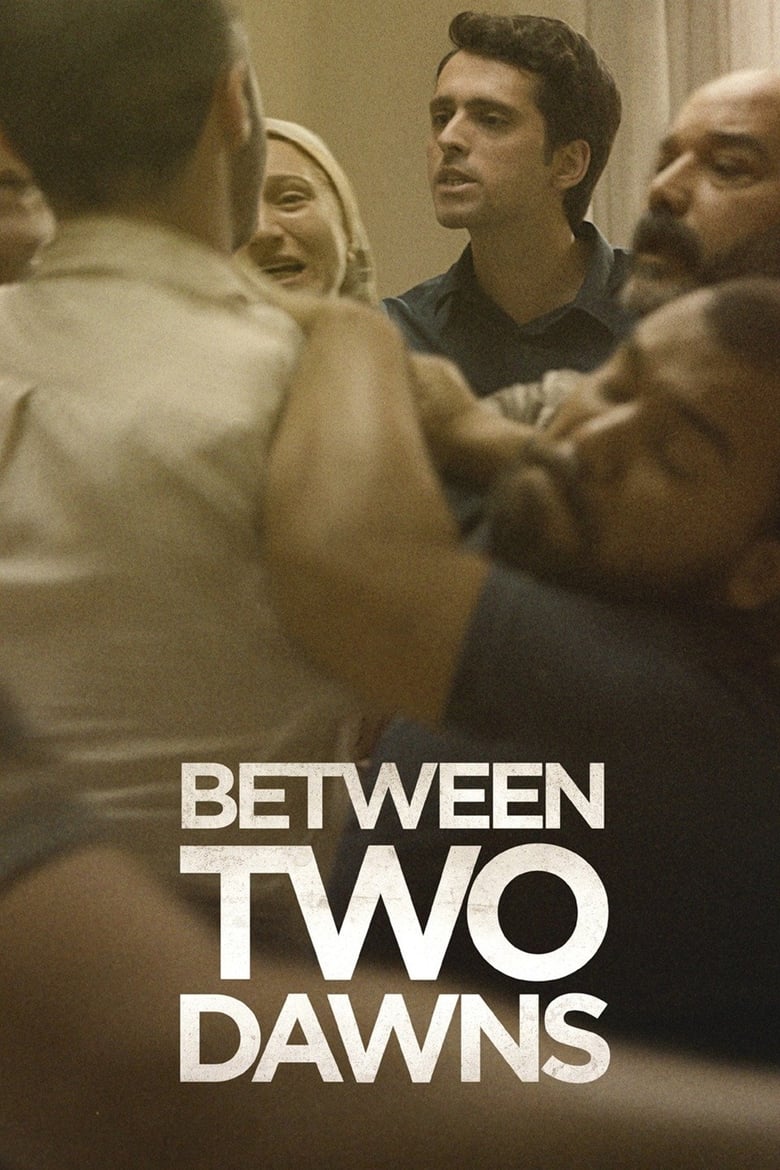
The family convenes at once after an accident, and what is discussed is not the injured man but where the responsibility will settle. Nacar shows the law as a technique for distributing weight rather than an instrument of justice; because the camera never lets go, the viewer also misses the moment the decision was taken.

An unpaid debt comes between people living in the same building, and neighbourliness turns overnight into a creditor's relation. Reyhan does not convert this into a moral lesson; he shows the hierarchy that money installs inside a family.

On a plot of land hemmed in by factories, the old way of farming is being kept alive. Reyhan does not frame this as a generational clash; he shows a mode of production dying and taking its people with it. The heat is part of the argument: nobody shouts, everyone tires, and decisions are made inside that exhaustion.
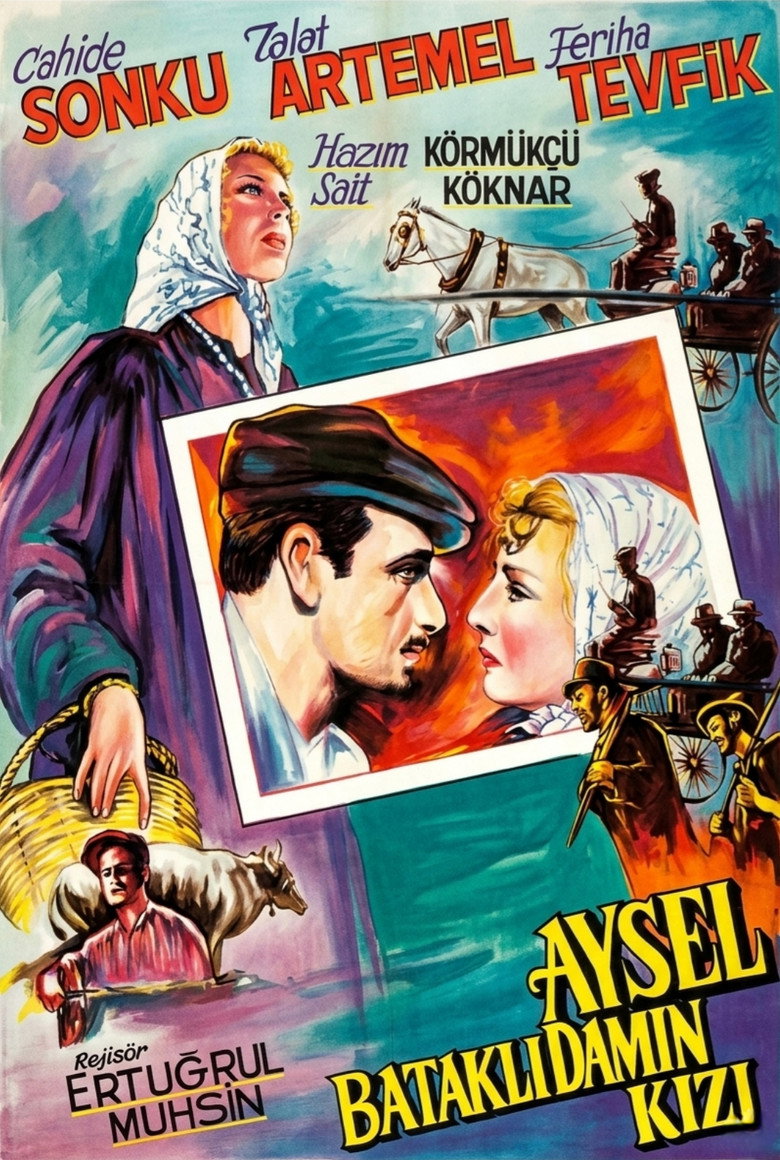
Everything early Turkish cinema inherited from the stage is visible here: the blocking, the register of the acting, the staging of the courtroom. Ertuğrul is not content to show the village girl is right; he also shows where the verdict is actually made.
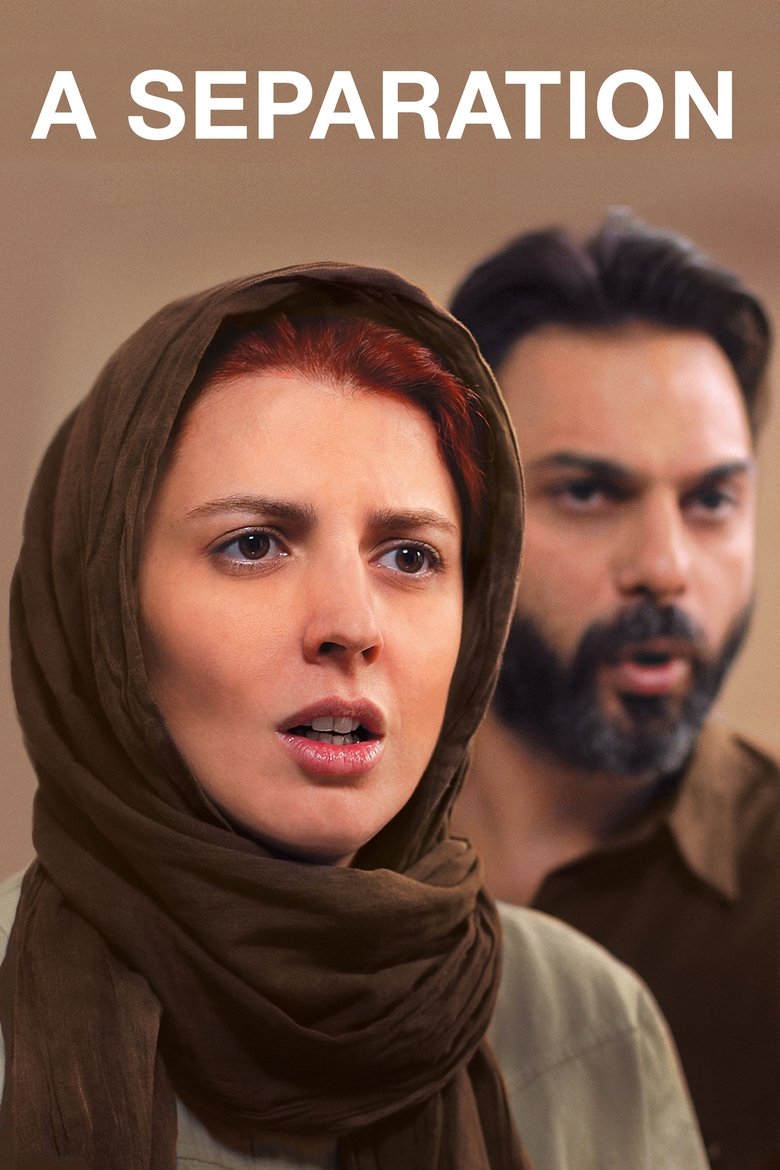
From Asghar Farhadi, the moral labyrinth of a couple on the edge of divorce. A sharp masterpiece of Iranian cinema.

A poor 'family' survives by shoplifting. Kore-eda asks what love means beyond blood.
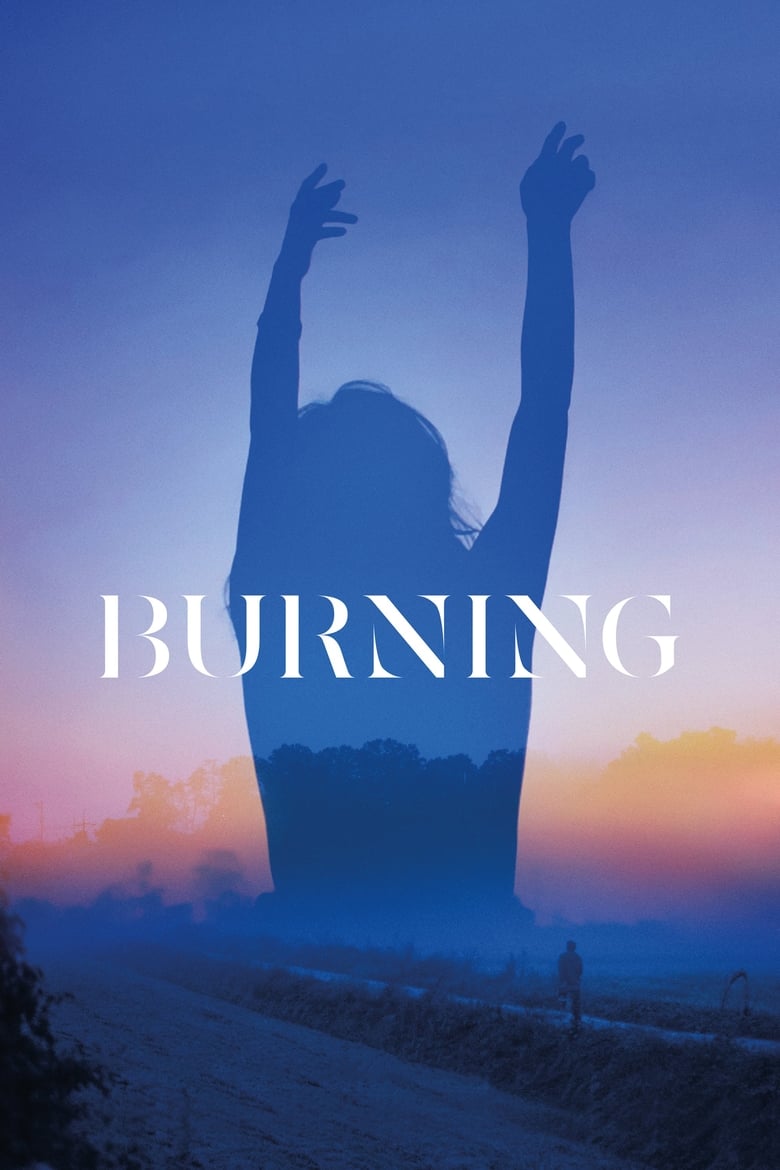
A class divide, a jealousy, a vanished woman. Ambiguity swells to the last frame and leaves you there.
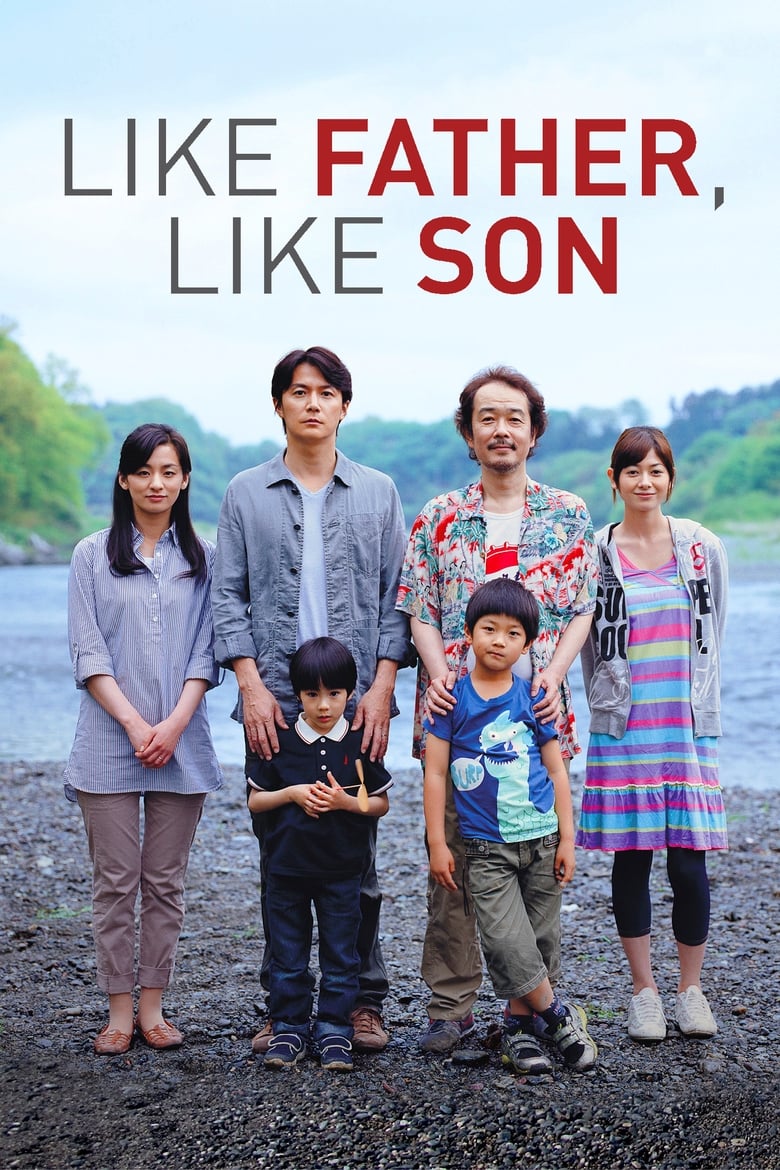
From Kore-eda, two babies swapped at the hospital and two families who learn the truth six years later. It quietly asks: is it blood, or is it bond?

From Ken Loach, an ageing carpenter who falls ill and gets tangled in the benefits system. Angry but warm — a story of ordinary dignity.
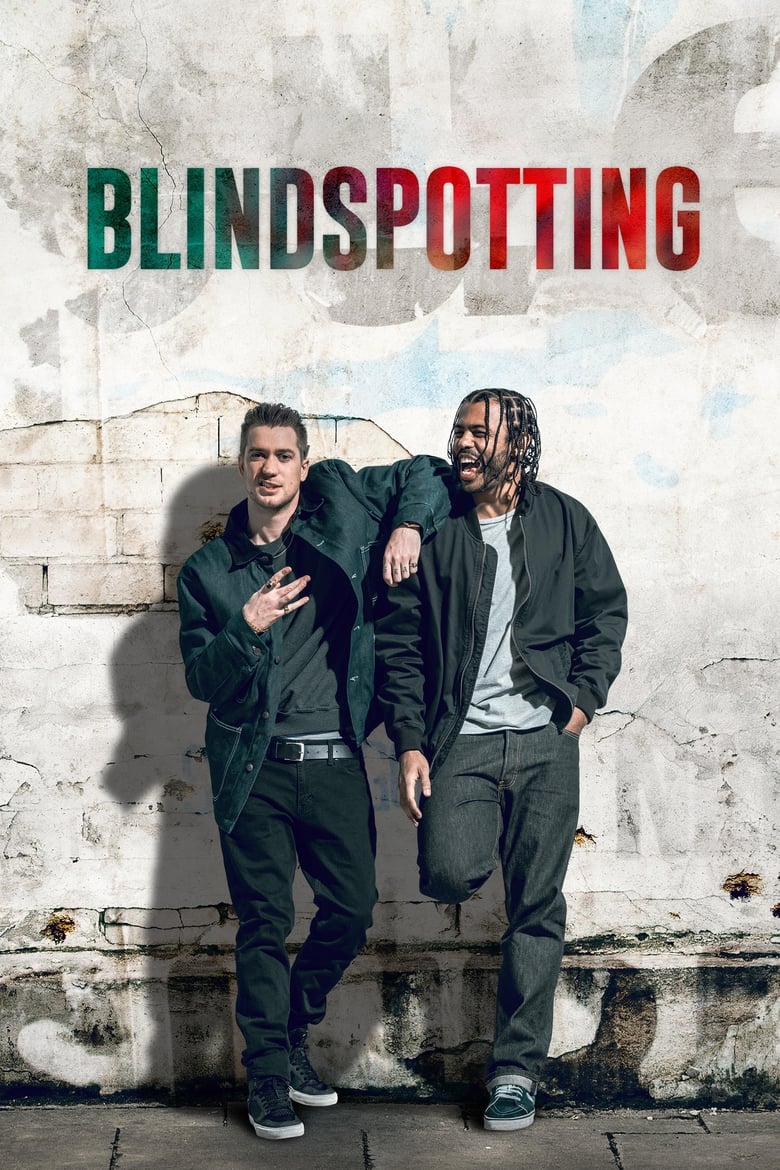
Three days from the end of his probation, a man witnesses something he shouldn't have. Sharp, rhythmic, about friendship and race.
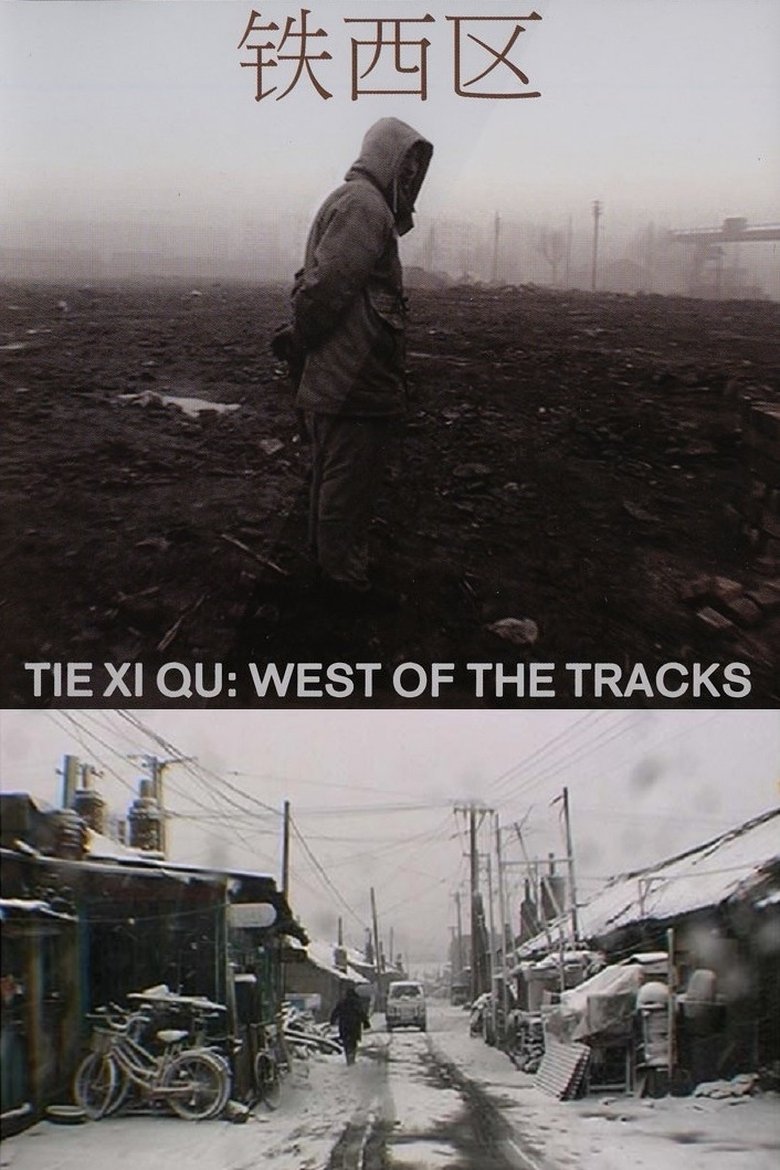
From Wang Bing, nine hours spent witnessing a collapsing Chinese industrial district. Immense, bare, the end of an era.

A quiet holiday, a pack of kids, a day that slips out of control. Hard to watch, and not quick to forgive.

A poor family's infiltration of a rich home. A sharp, shattering, genre-defying masterpiece from Bong Joon-ho.

One night, our own faces arrive at our own door. Peele builds the scares, but the idea underneath is the real point.
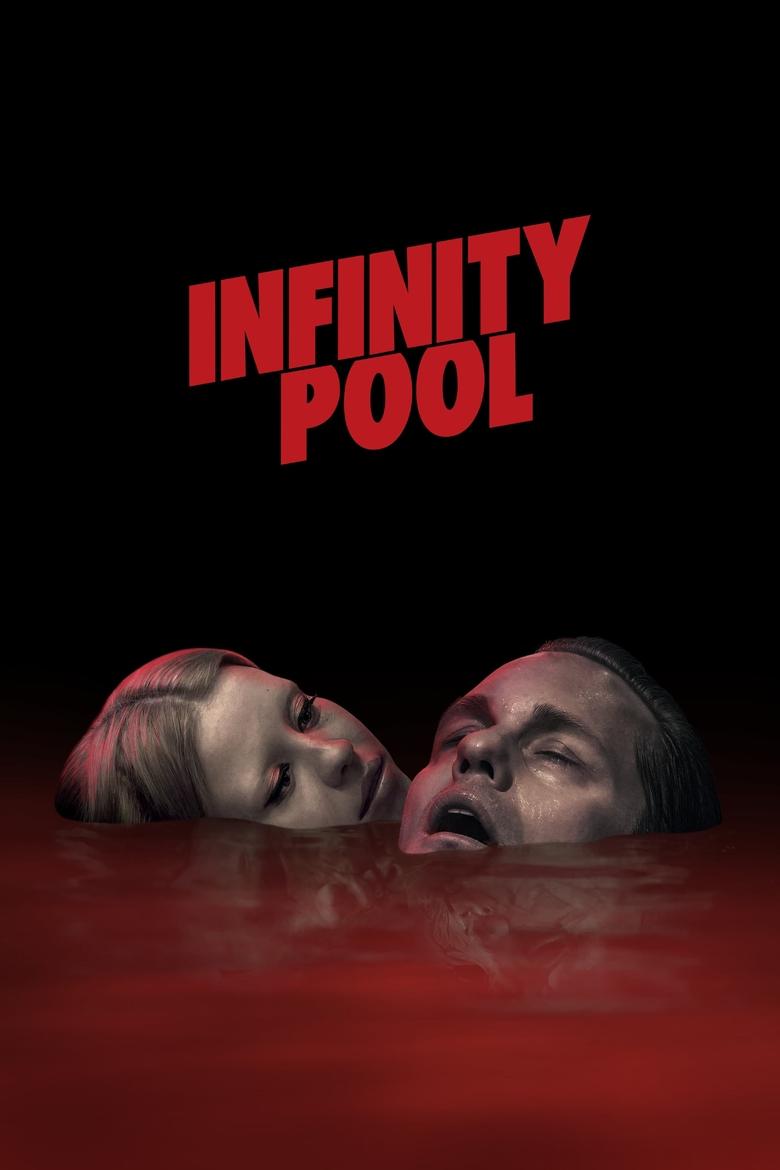
From Brandon Cronenberg, a nightmare of identity and violence in a holiday paradise. Bloody, uncanny, harrowing.

Dev Patel steps behind the camera: a revenge woven from rage and Hindu myth. Raw, fast, and surprisingly personal.
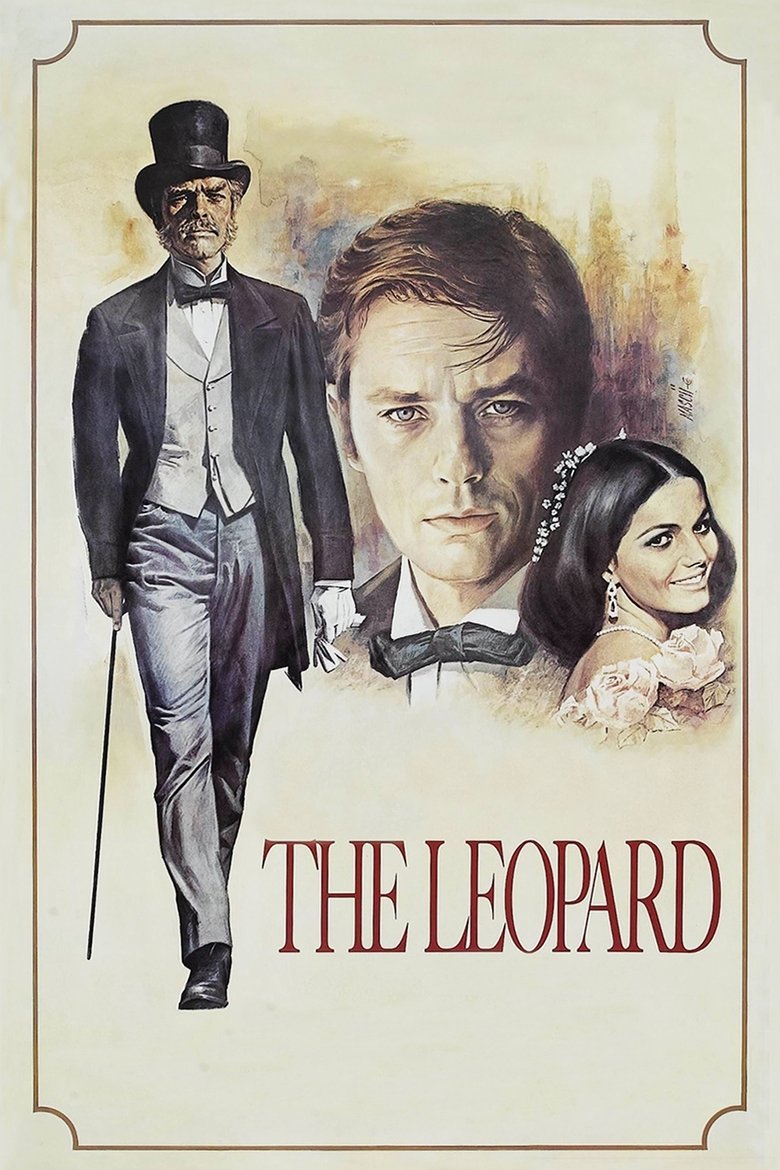
From Visconti, the magnificent, melancholic epic of a declining aristocracy. A visual feast, timeless.
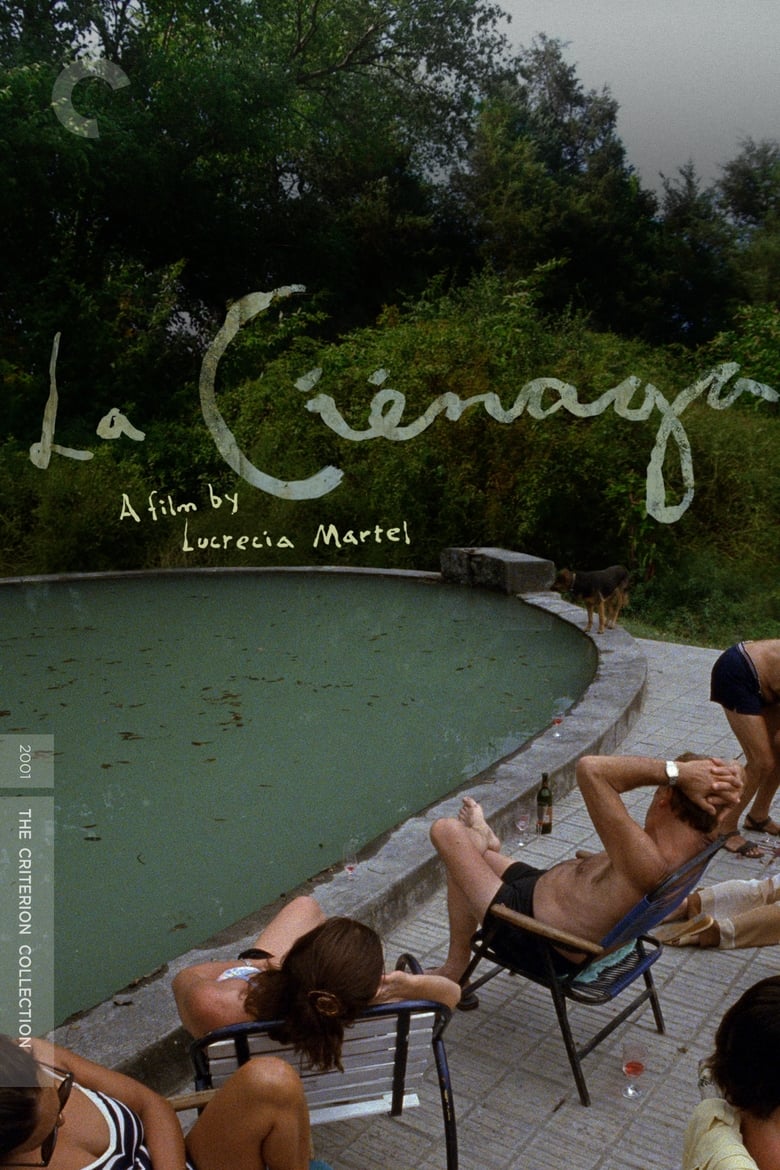
Two families pass a suffocating summer in a decaying country house. Martel builds atmosphere in place of plot — unease pooling in every frame.