Tags
Conscience

One day, two enclosed spaces, and in both of them decisions about someone else's life. Nacar uses the law as a structure rather than a theme: the film moves at the rhythm of procedure and the moral choice is squeezed into a clock rather than a conversation.

While an exit from the labyrinth is being sought, the cracks in the wall open onto the past. Ören uses space as a psychological map: the longer the corridor grows, the clearer it becomes that what is being fled is inside rather than outside.

The family convenes at once after an accident, and what is discussed is not the injured man but where the responsibility will settle. Nacar shows the law as a technique for distributing weight rather than an instrument of justice; because the camera never lets go, the viewer also misses the moment the decision was taken.

A briefcase, money belonging to nobody in particular, and the market value of honesty. Erdem keeps raising the tempo until moral hesitation becomes a physical chase; the further the man runs, the less of his own measure he keeps. Money is present in nearly every scene, which makes this less a crime story than a study of appetite.

An East German surveillance officer slowly bonds with the life he watches. On humanity and the state's eye.

From Kobayashi, a nine-hour epic of one man trying to hold on to his humanity through the war. Weighty, humane, heartbreaking again and again.

A tobacco whistleblower and the journalist fighting to air his story. A taut drama on the cost of truth.

A law firm's "fixer" is caught between his conscience and his job. Gilroy builds tension without raising his voice; Clooney has never looked so tired.

A jury room, twelve men, a boy's life. Around a single table, Lumet stages one of cinema's most gripping arguments.

A postwar tribunal weighs the guilt of a nation. Kramer poses the great question: is following orders an excuse?

Two young lawyers square off against a military cover-up. The famous interrogation scene is one of cinema's most quoted confrontations.
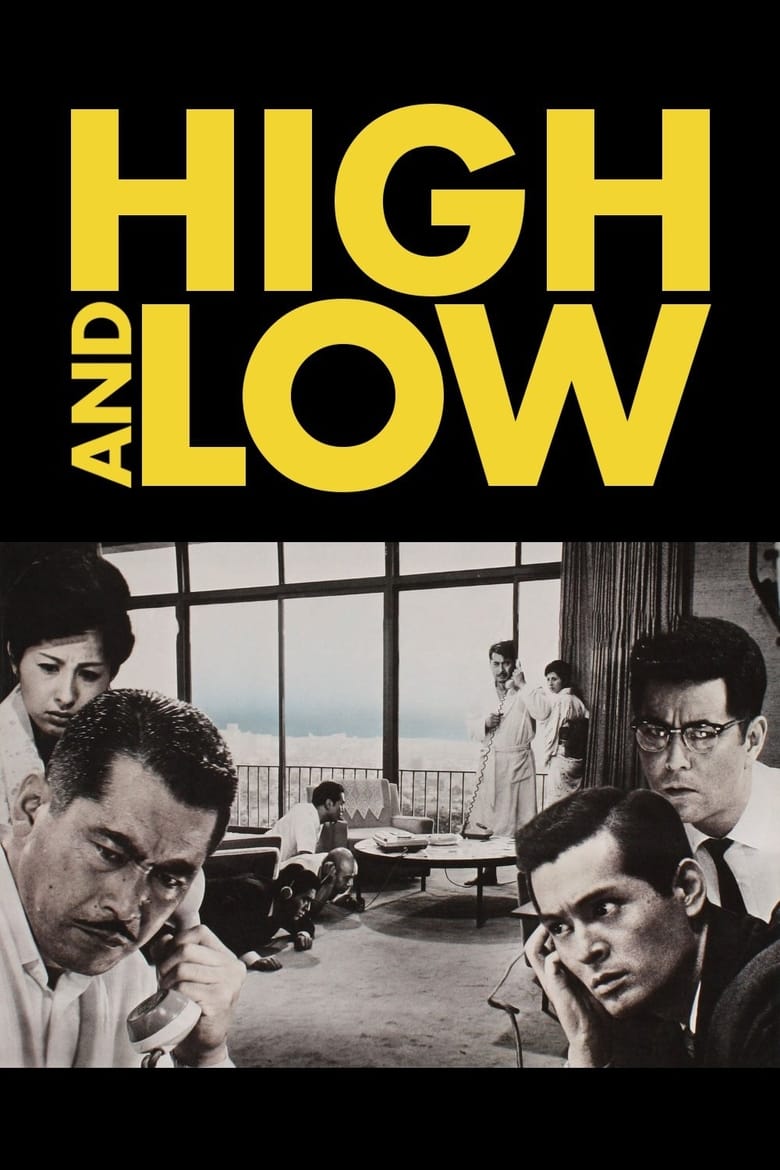
A businessman must decide whether to sacrifice everything for his chauffeur's son, kidnapped by mistake. Kurosawa turns a moral dilemma into a police procedural.

An honest cop stands alone against the corruption in his own department. Pacino's bearded, weary face became the conscience of an era.

From Kubrick, an officer's stand against injustice in WWI. Sharp, furious, anti-war.

A juror realizes his own guilt in the case he's judging. A quiet moral dilemma from Eastwood.

A man manages his life's collapse by phone over one car journey. One space, one actor, breathless.

From Kazan, dockworkers and one man's conscience against corruption. Raw, powerful, a Brando masterpiece.

The revenge for Munich and what it costs. Spielberg offers no comfort — the hit team slowly loses itself.

A statesman at the end of his term is left alone with his conscience on power's last day. Elegant, measured, quietly sorrowful.

A prisoner on leave is suddenly hailed a good man over a bag he finds — and the truth slips out of his hands. A knot in which morality is never easy.

