Tags
Demanding
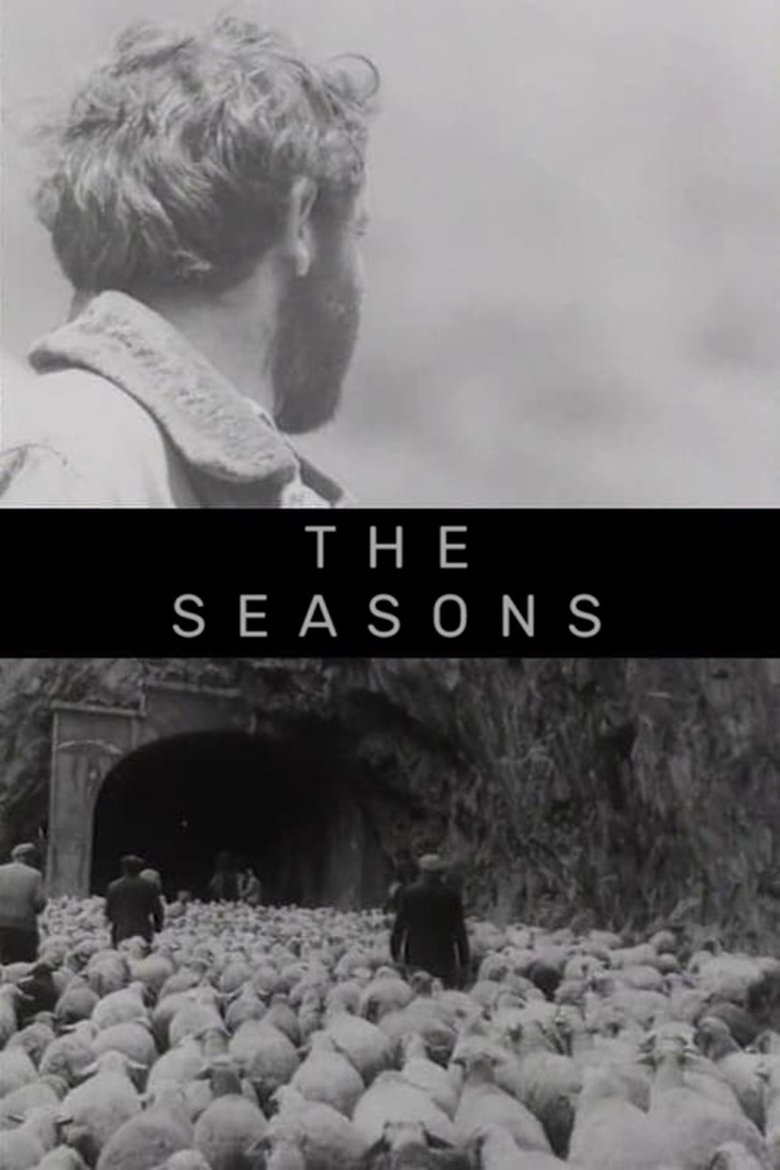
People, animals and nature in the Armenian mountains. Peleshian uses montage like music; no dialogue, only rhythm.

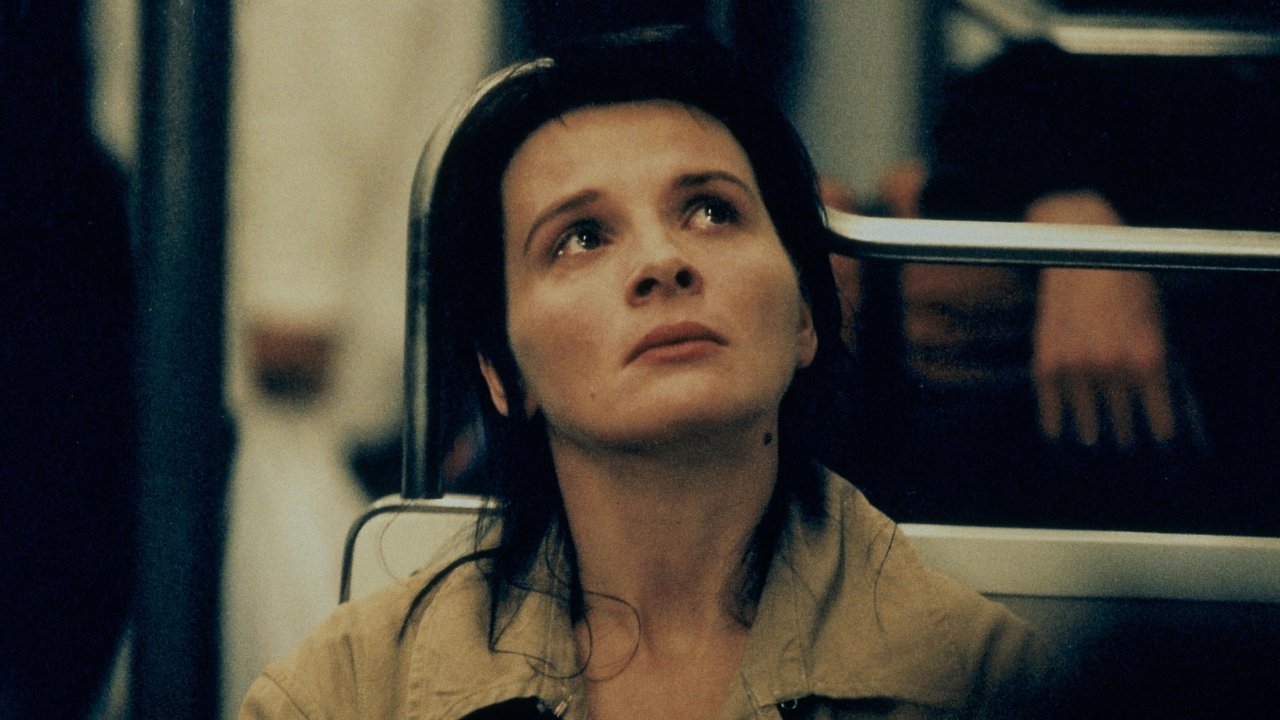
Lives brushing against each other in Paris and moments where communication fails. Haneke cuts scenes with black screens and refuses relief.

The streets of New York and letters from her mother. Akerman separates image from sound; a quiet essay on migration and loneliness.

Three days, a housewife and household chores. For three and a half hours almost nothing happens, and then everything does. Counted among the most radical films ever made.

A giant balloon found in a village and what the villagers do with it. The boldest allegory in Bulgarian cinema; it was banned.

A couple, a prophet and a bandit in the drought-stricken sertão. Rocha's Cinema Novo manifesto, a revolution narrated in folk song.

The cangaço legend rendered in colour and myth. Rocha's most visual film, where Brazilian folklore and revolution share the frame.
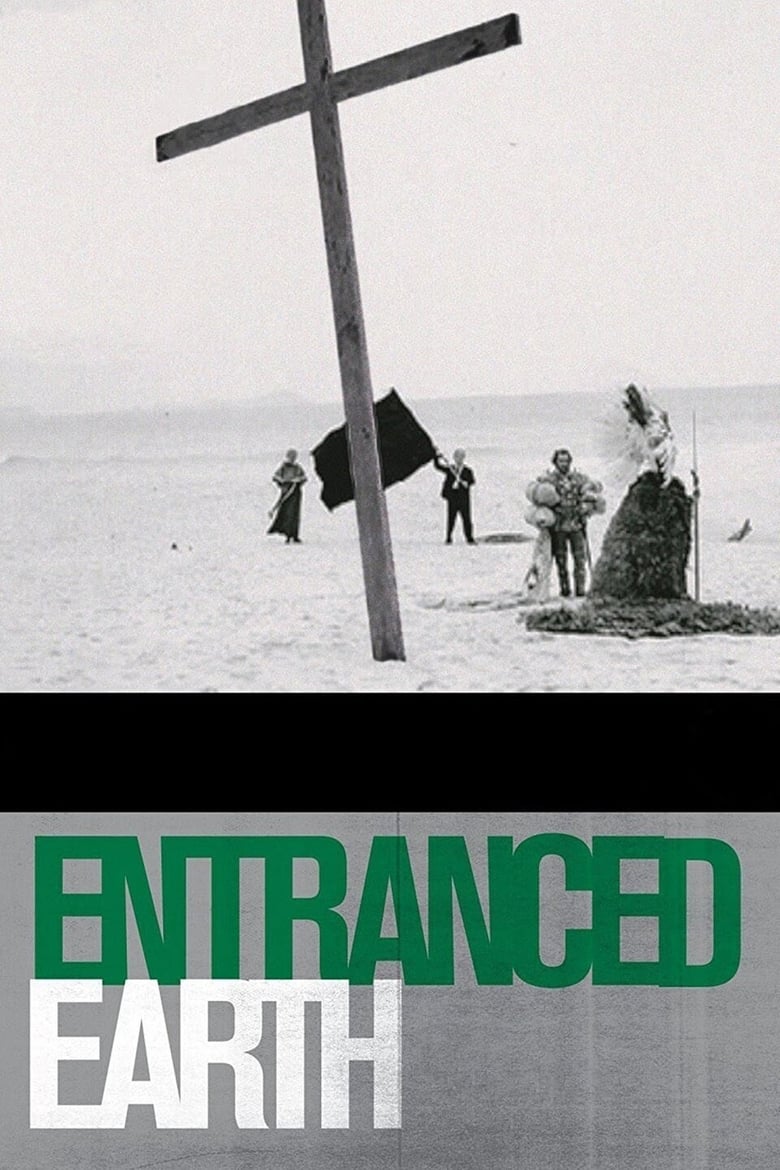
A coup in an imaginary country and a poet's betrayal. Rocha turns politics into operatic chaos; it won at Cannes.

The overthrow of Allende, filmed as it happened. Four and a half hours; among the most important works in documentary cinema.

An Amazonian shaman and two scientists from different centuries. Black-and-white images and the lost memory of colonisation; Colombia's first Oscar nomination.

Adam and Eve retold in a holiday resort. Chytilová makes colour and form the subject; not an easy film.

Dreyer's last film: a woman gives up everything for love. There are almost no cuts; the actors seem to have stepped out of a painting.

Peasant life and oppression in Ethiopia before land reform. Gerima brought his country's history to the screen for the first time.
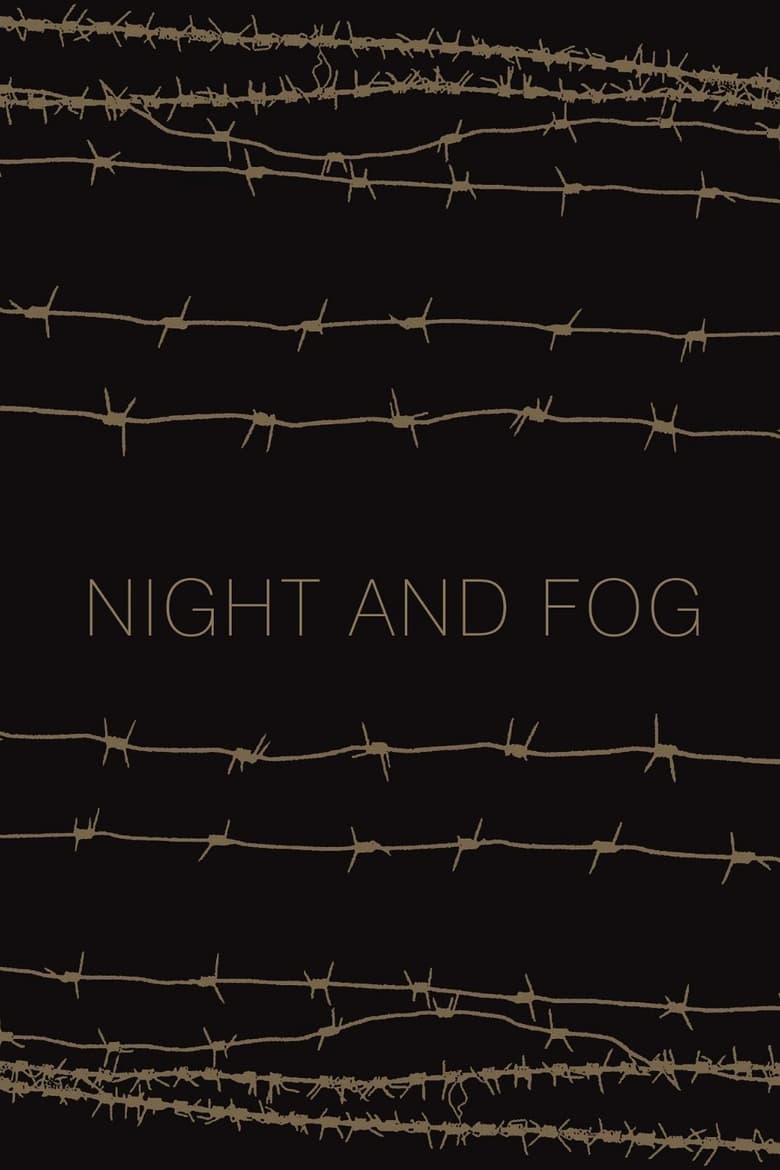
Auschwitz in thirty-two minutes. Resnais cuts colour present against black-and-white archive; the question of who is responsible is left open. Hard to watch, impossible not to.
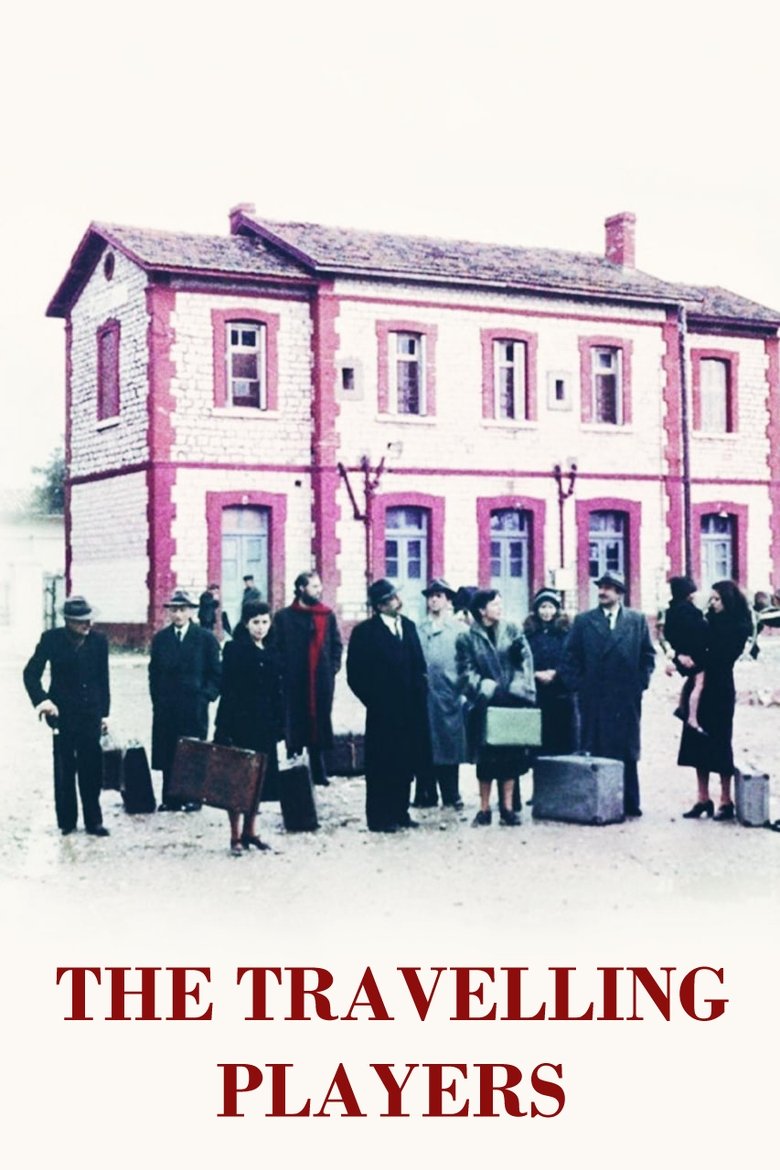
A travelling theatre troupe crosses Greece from 1939 to 1952. Four hours, eighty shots; Angelopoulos fits history into a single walk.

A director crosses the Balkans searching for lost reels of film. Angelopoulos's largest work: fog, borders and the twentieth century.

A bar, endless rain and betrayal. Tarr's long takes mature here; the crowded dance sequence runs seven minutes.

A harbour worker witnesses a murder and does nothing. Tarr's darkest and coldest film; the opening shot runs ten minutes.

Psychological torture in a prison camp in the 1860s. Jancsó's long takes move like choreography across the bare plain; the most abstract portrait of power.

In the Russian Civil War the sides keep changing places. Jancsó turns war into a meaningless carousel; nobody is a hero.