Tags
Dignity

The camera enters a life and stays there; the woman speaking sets her own terms in her own words. Alkaya does not separate interview from staging, and that blurring lifts the film out of case study and into testimony.

From Ken Loach, an ageing carpenter who falls ill and gets tangled in the benefits system. Angry but warm — a story of ordinary dignity.

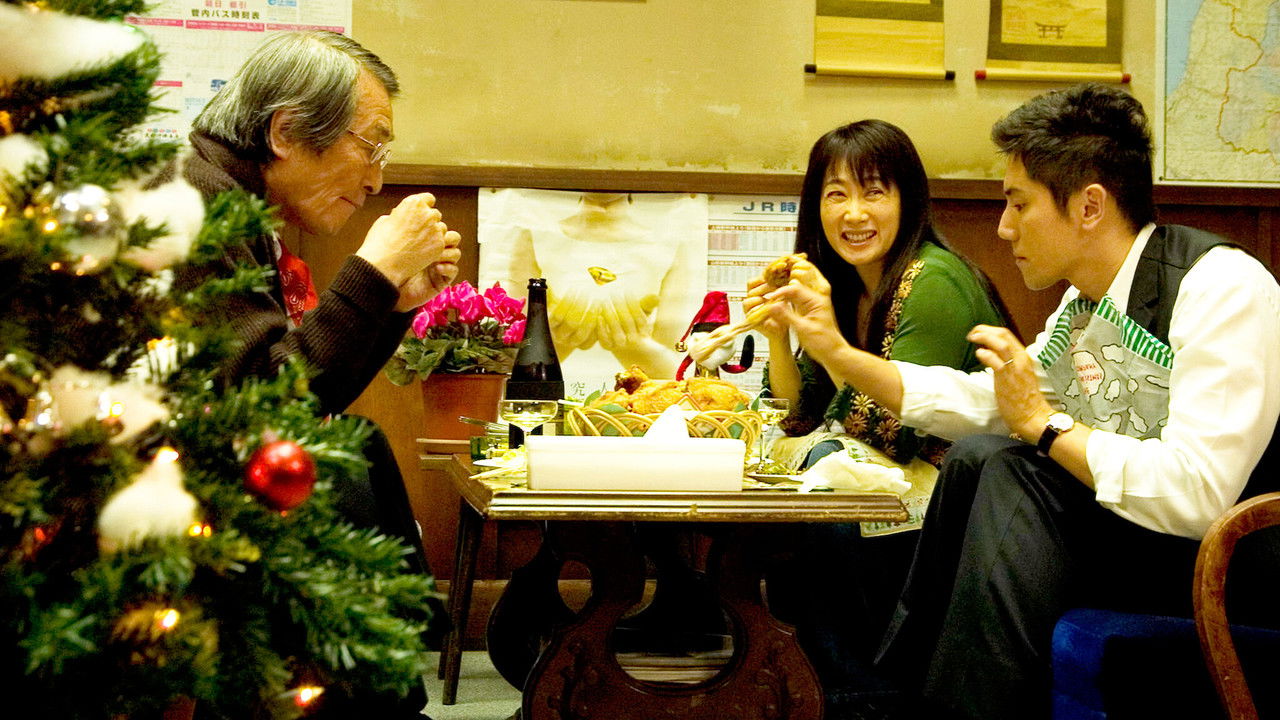
An out-of-work cellist takes up the craft of preparing the bodies of the dead. Takita shows death not as fearsome but as a ceremony full of grace.

A washed-up, alcoholic lawyer finds in one last case a chance to redeem himself. One of Newman's quietest, most moving performances.

A lawyer fired because of his illness goes to court to prove he was discriminated against. Demme gives prejudice a human face — and Hanks's voice.

A survivor of an assault takes to court not only the attackers but those who watched. Jodie Foster carries rage and dignity in the same look.
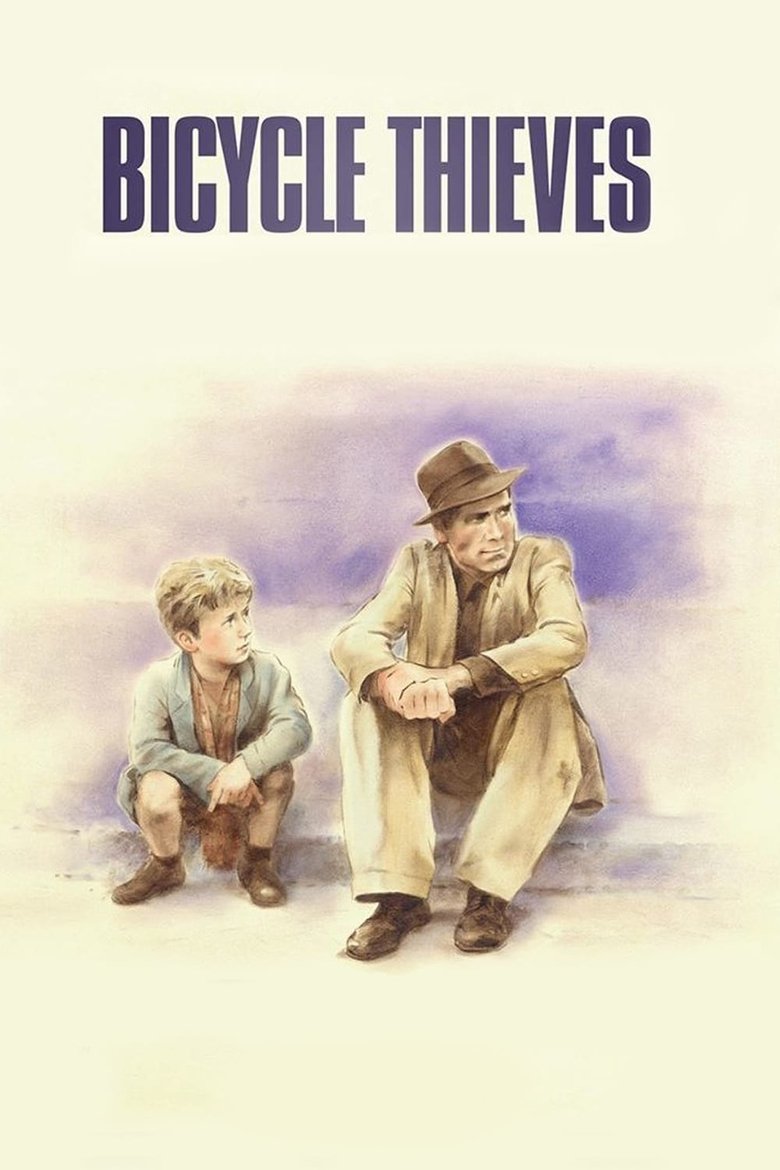
A man who needs his bicycle to keep his job searches for it, stolen, with his son. The plainest, most fragile heart of Italian neorealism.

In a post-Franco prison, inmates rise up for their rights. A powerful telling of a real struggle.

An eighteen-year-old girl looking for work and observing no rules. The camera never leaves her back; it won the Palme d'Or.

A woman must persuade sixteen colleagues to save her job. Marion Cotillard's most restrained performance; two days, sixteen doors.

A father makes his son complicit in trafficking. The Dardennes' first major film, where a moral choice rests on a boy's shoulders.

A village in Burkina Faso, an old woman and an accusation of witchcraft. Ouedraogo's best-known film; it won at Cannes.

A family and a dog walking through drought. The harshest film in Brazilian cinema, where the glaring light is itself a torment.

Five stories inside one day in Rio. The beginning of Brazilian neorealism, shot in the streets with real people.

The family of a congressman disappeared under the dictatorship. Salles tells a true story; Fernanda Torres's silent endurance is its heart.

A cowboy smuggling AIDS drugs. A true story carried by the physical transformations of McConaughey and Leto.
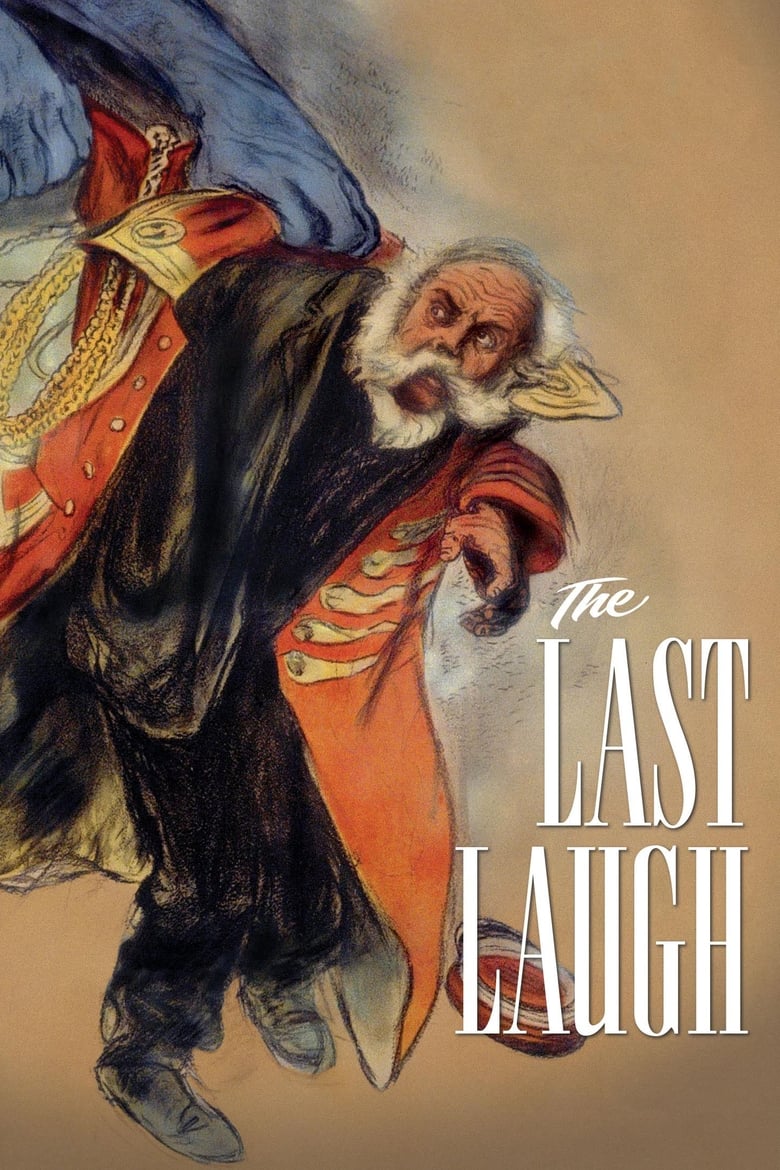
A hotel doorman loses his uniform and with it his identity. Murnau tells the whole story without a single intertitle — this is where the camera first truly moves free.

Dreyer's last film: a woman gives up everything for love. There are almost no cuts; the actors seem to have stepped out of a painting.
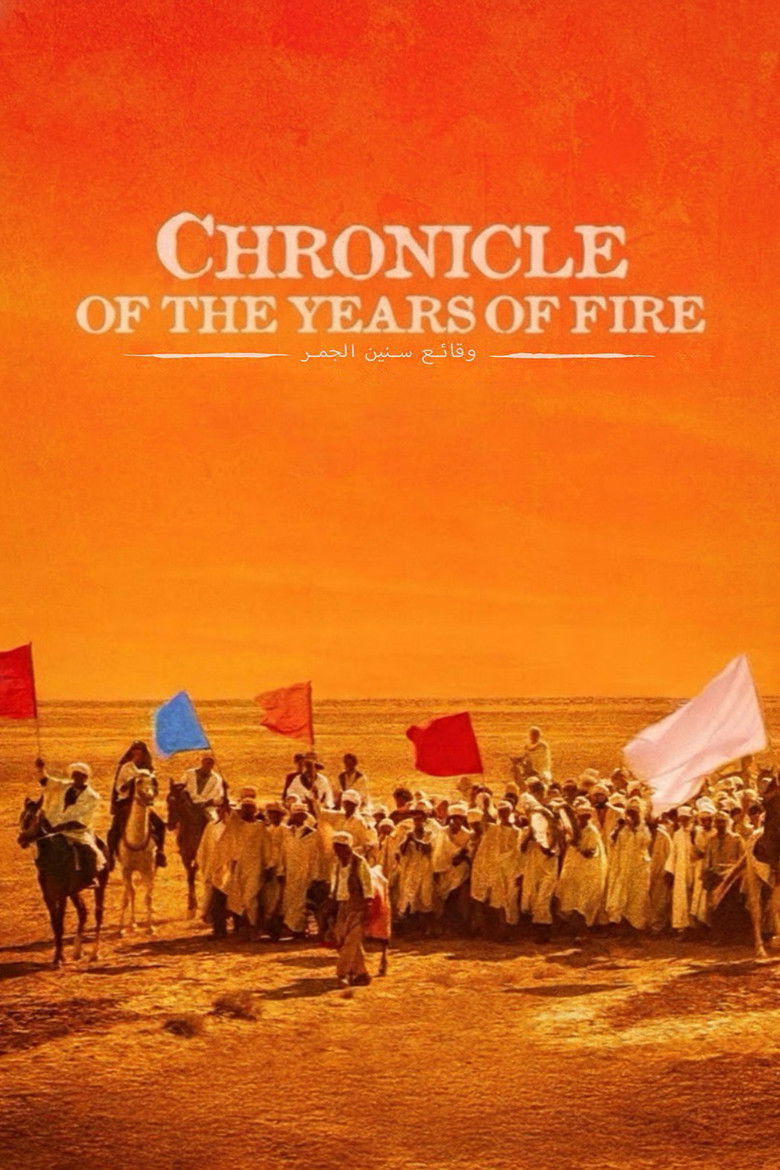
The Algerian war of independence across three generations. The only Arab film ever to win the Palme d'Or at Cannes.

Ramón Sampedro, bedridden for twenty-eight years, fights for the right to die. Almost nothing moves except Bardem's face — and that is enough.