Tags
Documentary
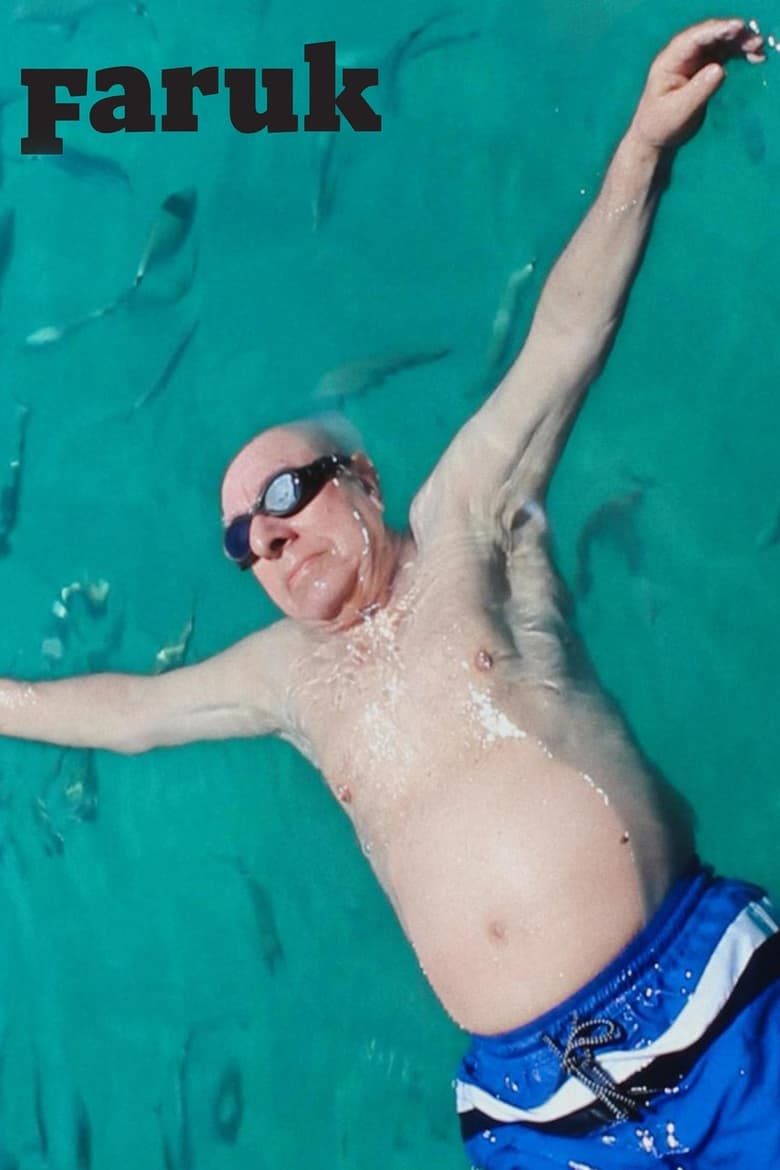
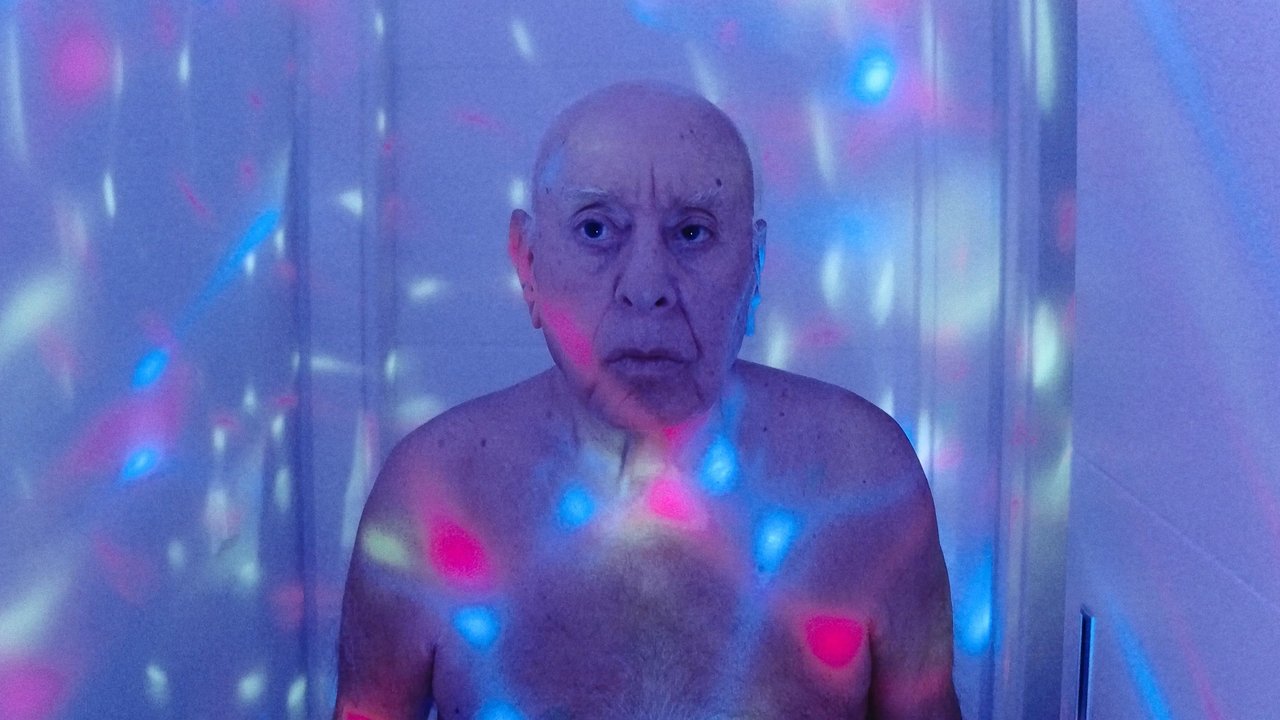
The director turns the camera on her own father and, as the film advances, becomes part of what she is filming. The line between documentary and fiction is not a stylistic game here but a question of authority inside a family: who is narrating whom, and with whose consent. A building due for demolition puts a calendar on that question.
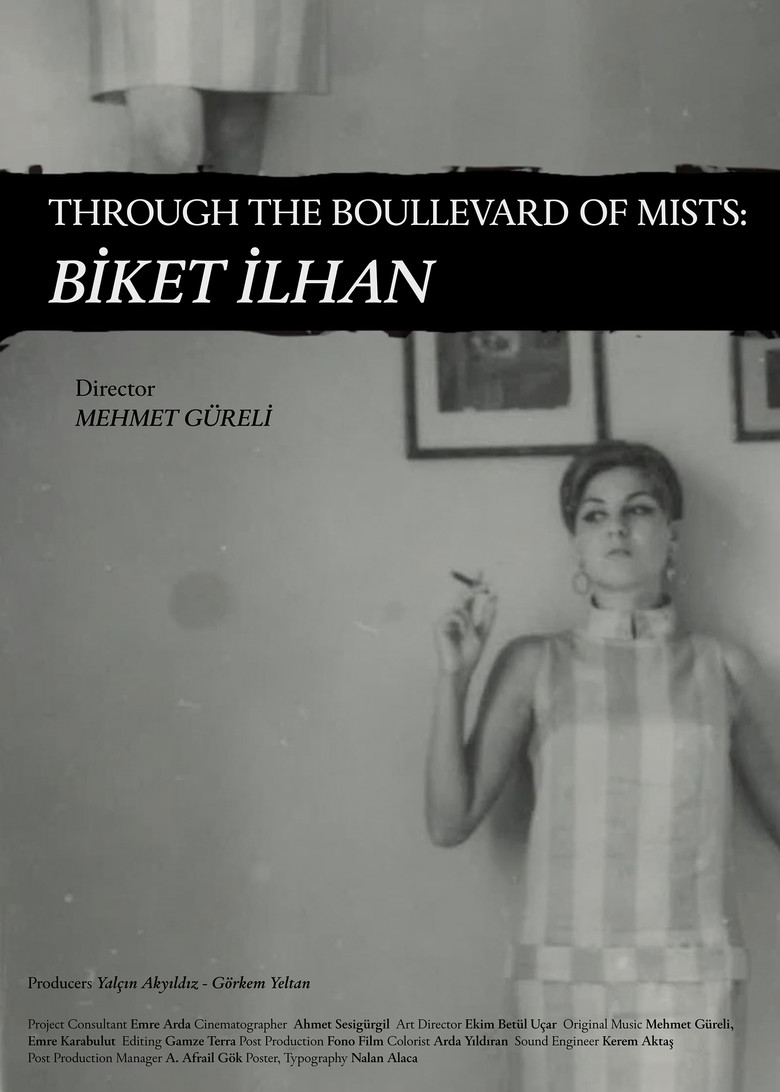
The documentary is about the labour of getting films made rather than the films themselves: finding producers, keeping going, staying independent. Güreli does not push the narrator forward; film history here is not a list of achievements but a working diary.
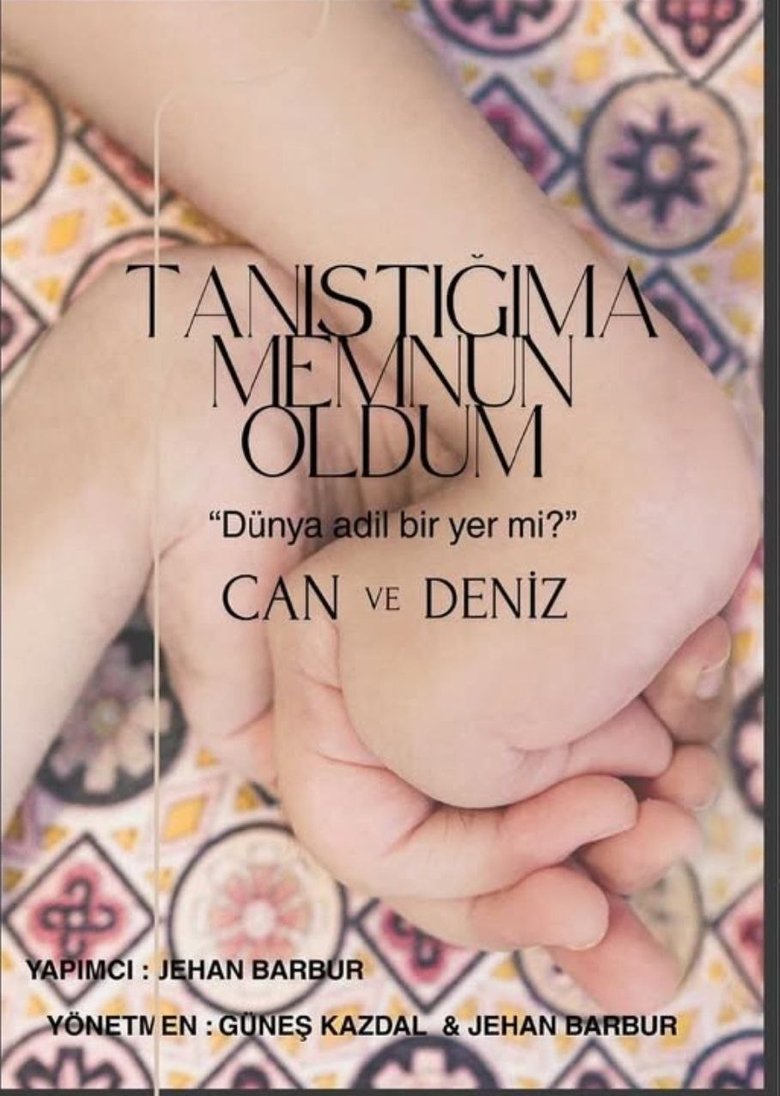
The film is built from interviews spread over five days, and that span is itself a method: nothing is hurried, so sentences get finished. Kazdal and Barbur do not push illness forward as a subject; they record the rhythm of daily care.
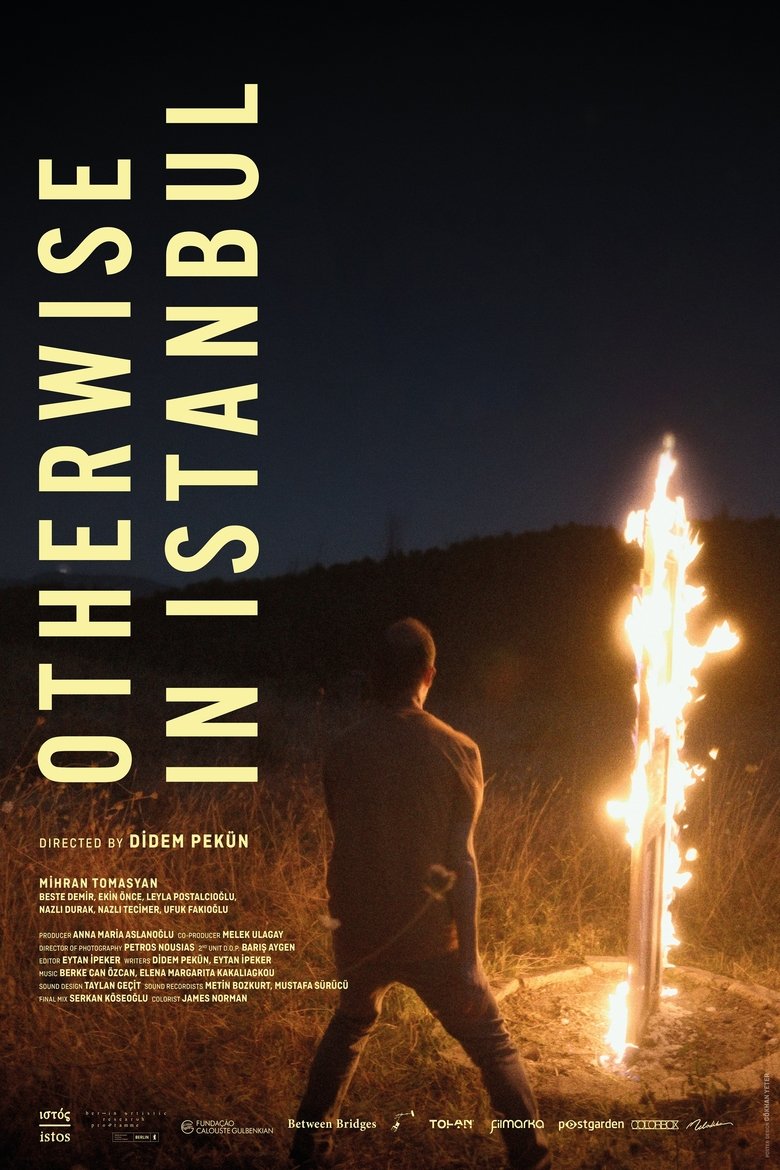
A dancer's movement stands in for places that have been demolished. Pekün treats the body as an instrument of memory and walks across the city rather than describing it; the personal archive here is rhythm, not evidence.
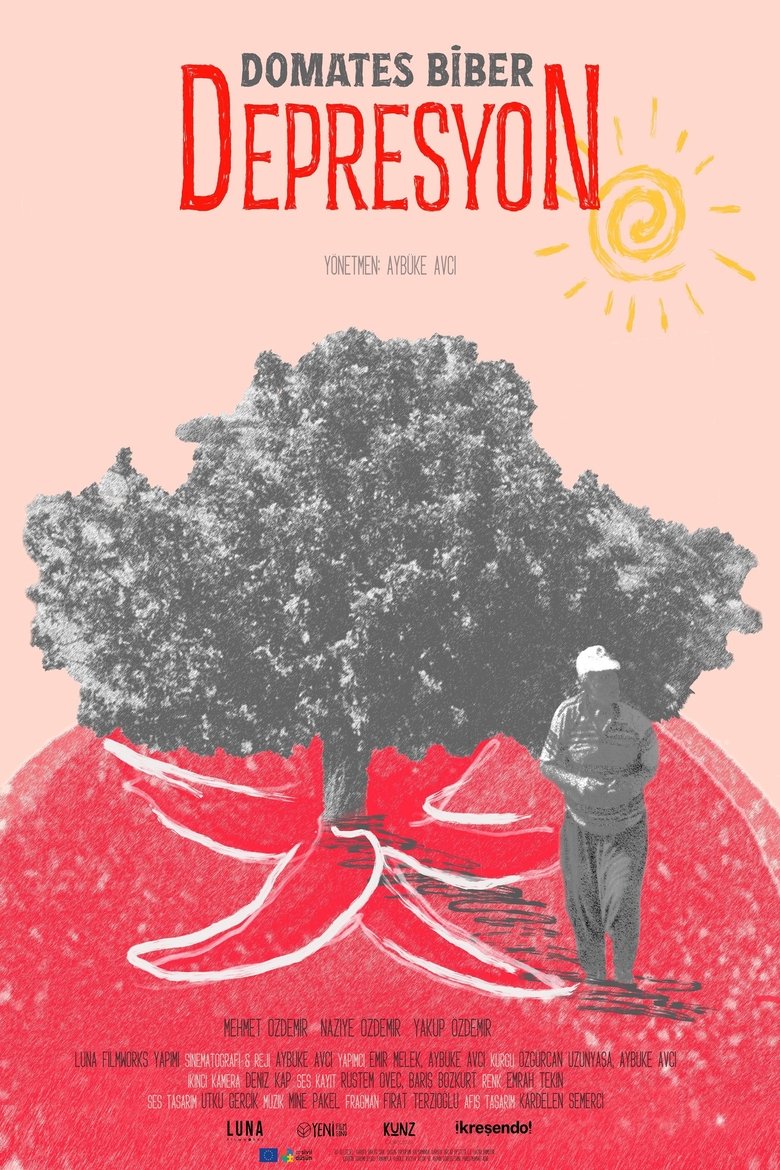
The harvest goes on; the medication keeps both the plants and the people upright.
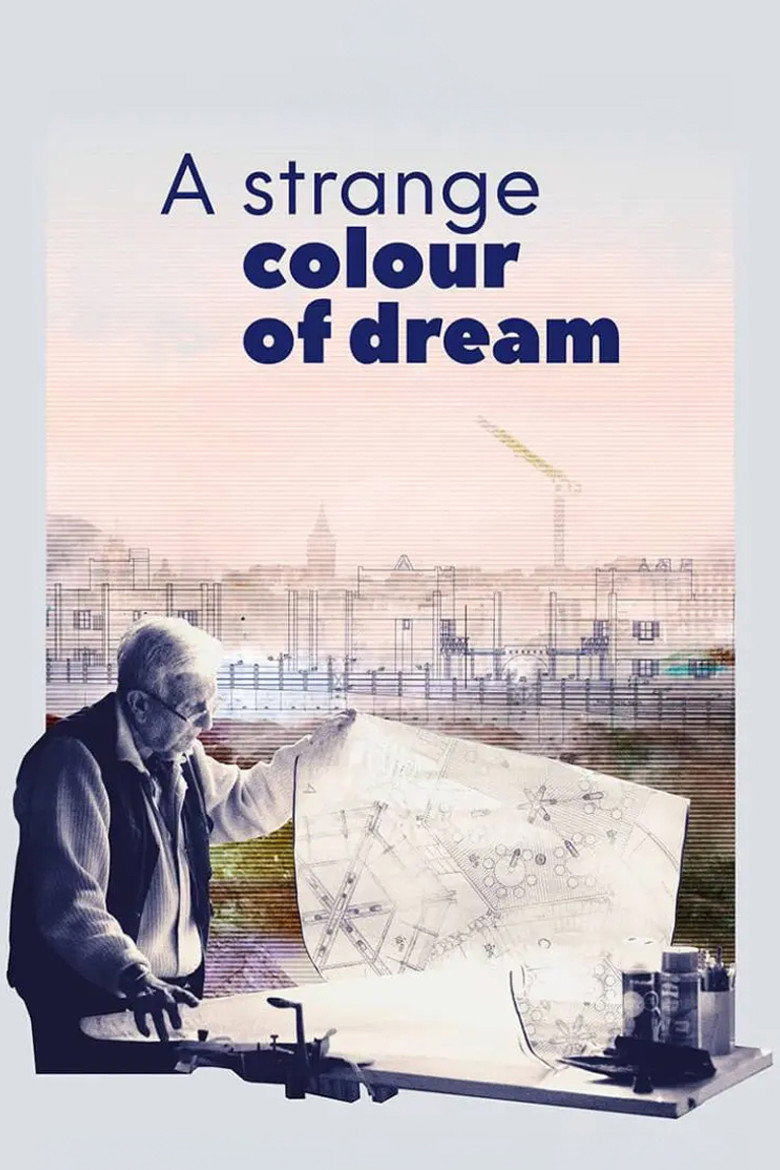
A retired architect draws, one by one, buildings that will never be built: a mosque, a music theatre, a resort. Akıncı does not present this as idle consolation; mourning and production sit at the same desk, and the drawing becomes the only concrete thing put in the place of what was lost.

A portrait built around a poem; instead of narrating a biography the film follows the poem's own line. Tosun does not close the gaps, leaves what is missing as missing, and runs archive and staging side by side.
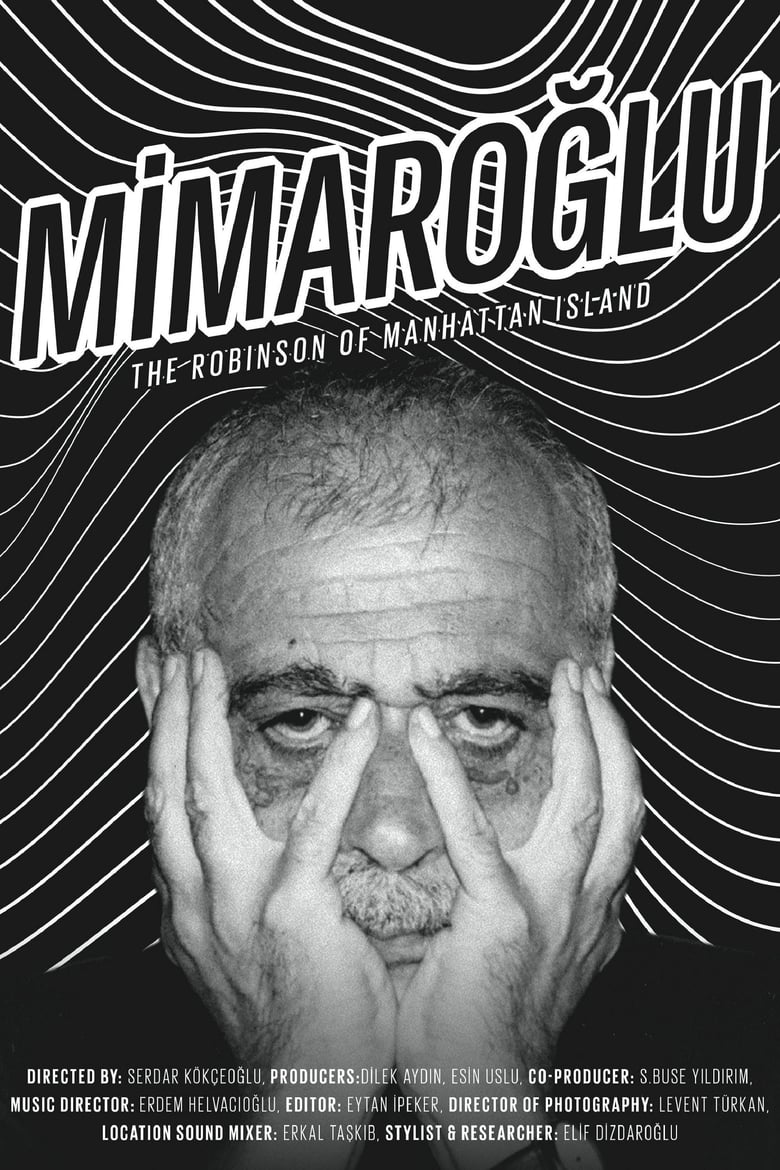
The portrait of a man working in electronic music is told alongside a second life lived in the same house. Kökçeoğlu does not lay the archive out as a straight chronology; sound, image and letters overlap until the portrait becomes less a biography than a mix.

The portrait is built not from a single interview but from what the people around him say. Ger does not try to explain the man at the centre; as the voices of those who knew him layer up, a circle, a generation and a way of living come into view.

On the road to Ankara, actors, set workers and directors walk side by side in the same crowd. Yeşil does not turn the march into nostalgia; it recalls that cinema is also a line of work and that the demand for rights came from behind the camera.

The moment of coming out is already behind them; the film is about the years after, and the bargaining these parents do with their own surroundings. Candan keeps the camera still and lets the talk run, because the subject is not what gets said but the process of learning to say it.
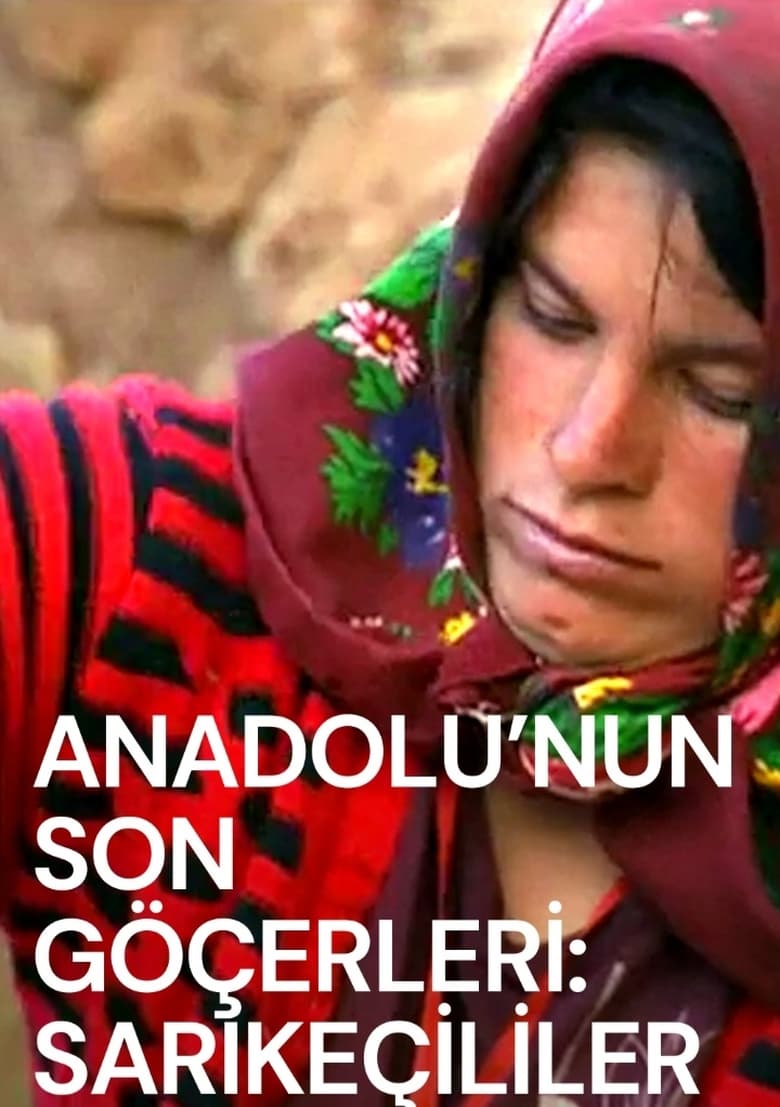
The journey follows the season and so does the life: the coast in winter, the highlands in summer. Aksu films nomadism not as a vanishing beauty but as work that is hard to keep up, and you see camels, dogs and people running on the same order.
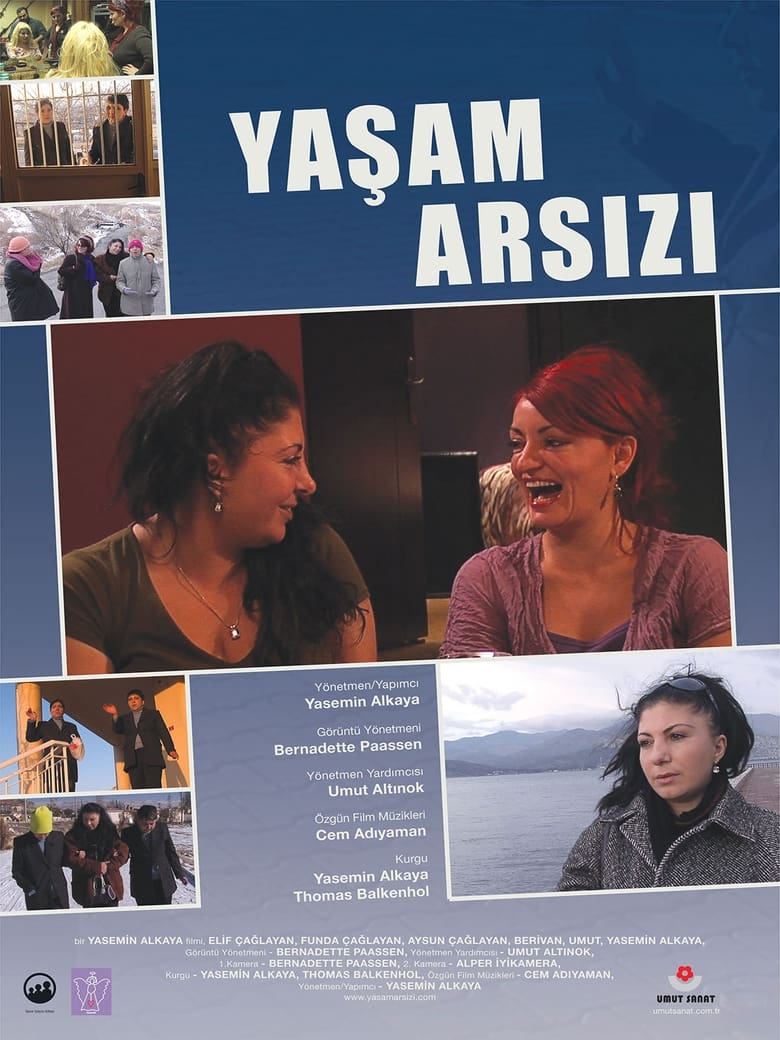
The camera enters a life and stays there; the woman speaking sets her own terms in her own words. Alkaya does not separate interview from staging, and that blurring lifts the film out of case study and into testimony.
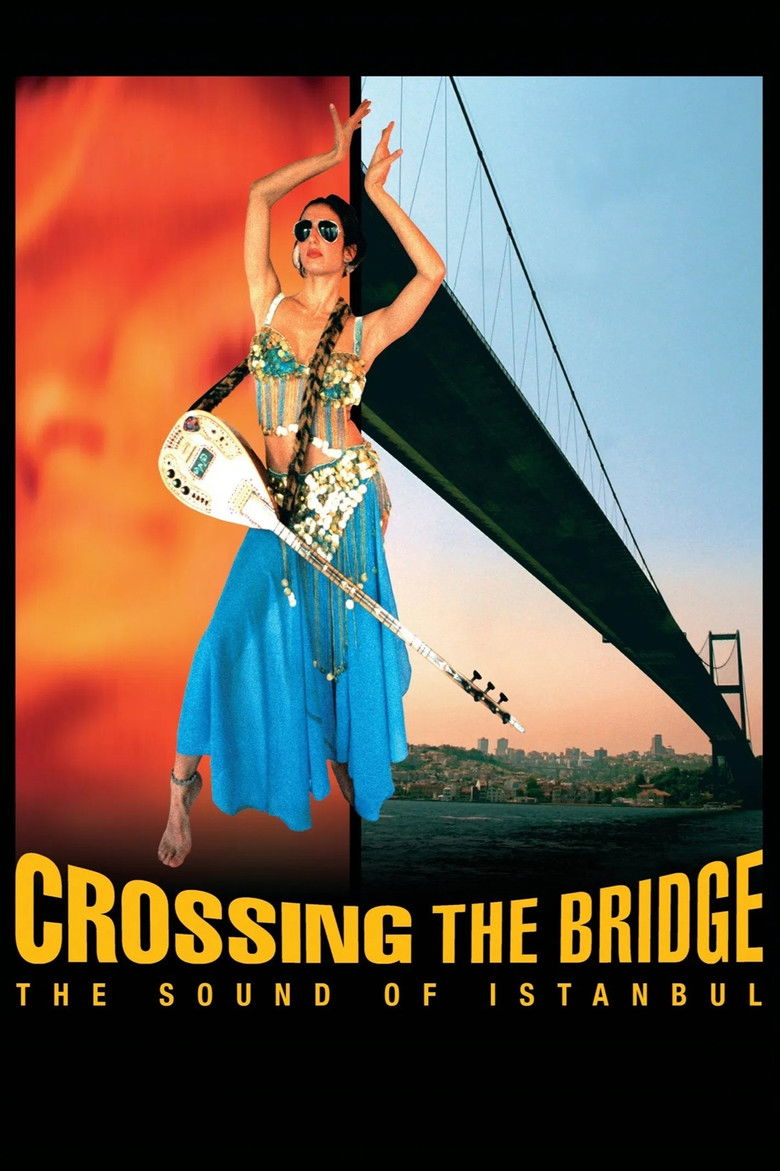
A film that describes the city by sound before image: street music, studio, gazino and rock club share the same plane. Akın takes a foreign musician's ear as his guide and never ranks one form above another.
A building technique that came out of the hands of master craftsmen is recorded together with the last generation carrying it. Arın does not turn the documentary into a preservation appeal; he hands the microphone to those who know how to tell it and shows how knowledge is passed on.
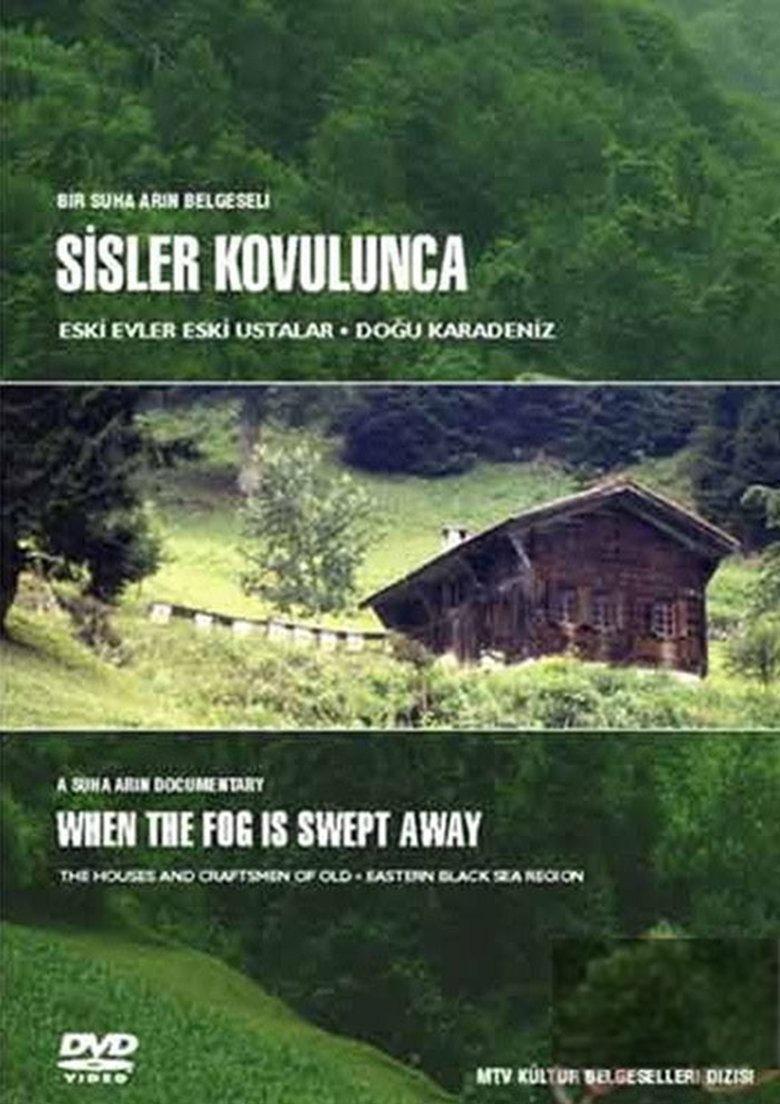
Houses built without nails in the mountain villages of the eastern Black Sea, and the last craftsmen who build them. Arın films construction not as an aesthetic curiosity but as a body of knowledge: where a house is placed, which soil is left for cultivation, why it stays standing in an earthquake are parts of the same answer.
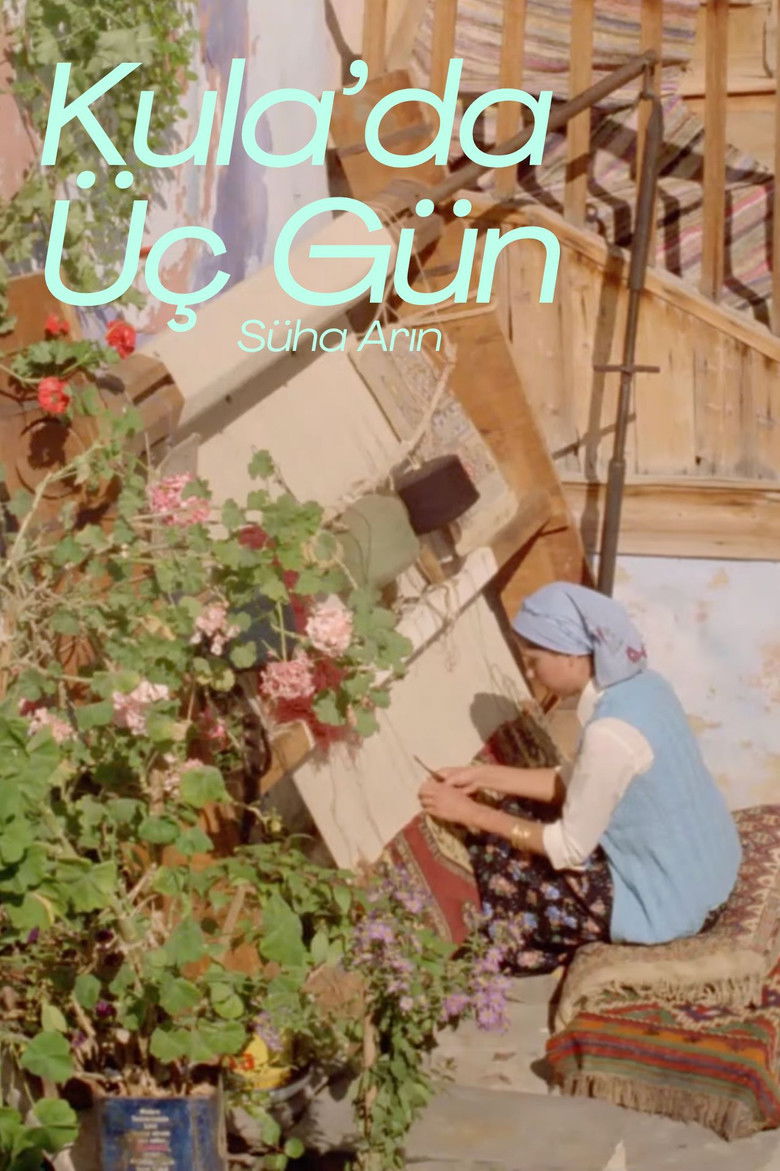
The town itself is an archive: the texture of the streets, the order of the façades, the craft of the doors. Arın films architecture not as art history but as the shell of daily life, never letting you forget that people still live inside these houses.
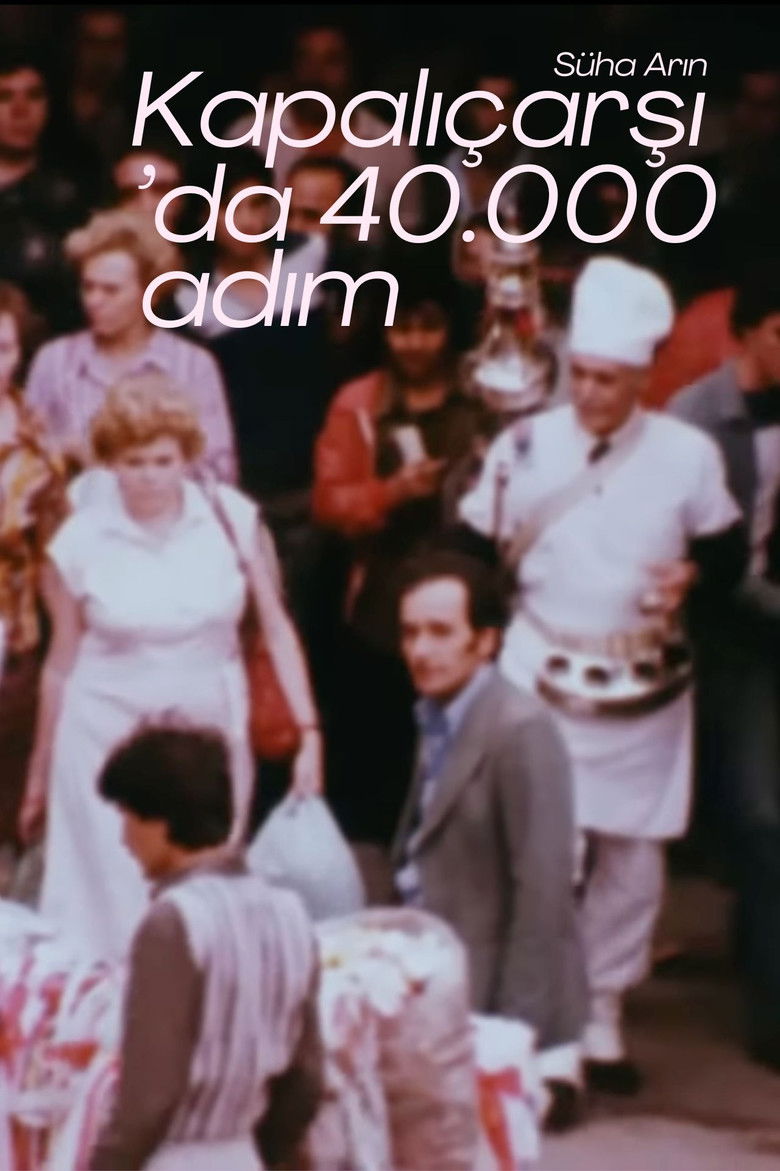
The bazaar is measured in the steps of someone who has walked it for forty years. Instead of describing the place from above, Arın moves through it from inside; traders, corridors and stalls emerge as a route rather than a map.
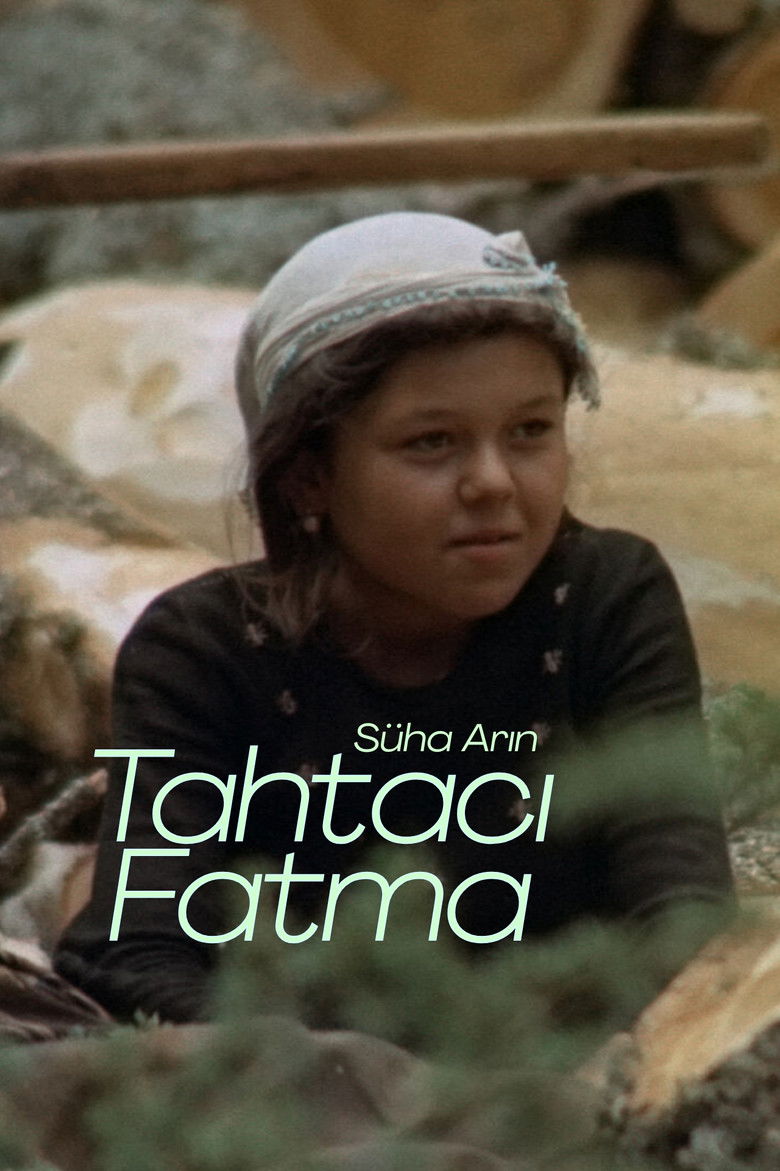
A twelve-year-old girl describes her work, her family's situation and the way people look at her, with the camera kept at her level. Arın treats the child as a witness rather than an example of victimhood, so what she says informs rather than solicits pity.
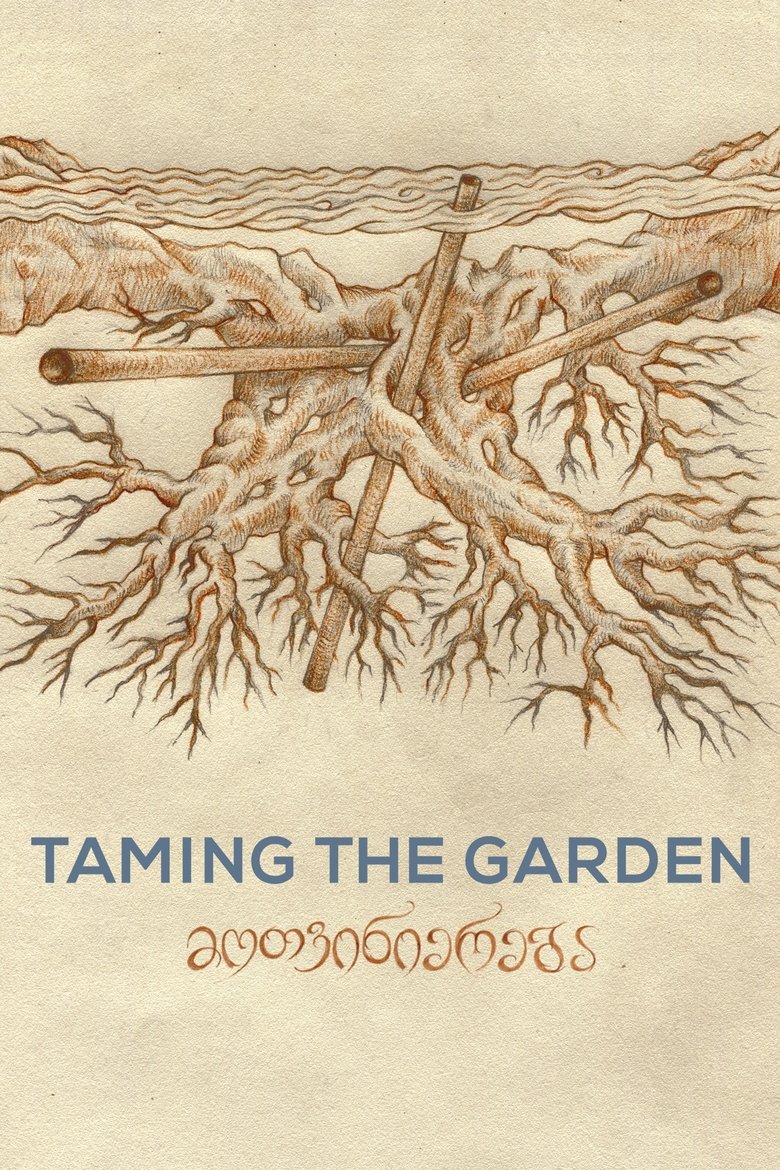
A powerful man has century-old trees uprooted and shipped by sea to his own garden; Jashi's wordless observational documentary films power uprooting the landscape.