Tags
Family

The director turns the camera on her own father and, as the film advances, becomes part of what she is filming. The line between documentary and fiction is not a stylistic game here but a question of authority inside a family: who is narrating whom, and with whose consent. A building due for demolition puts a calendar on that question.
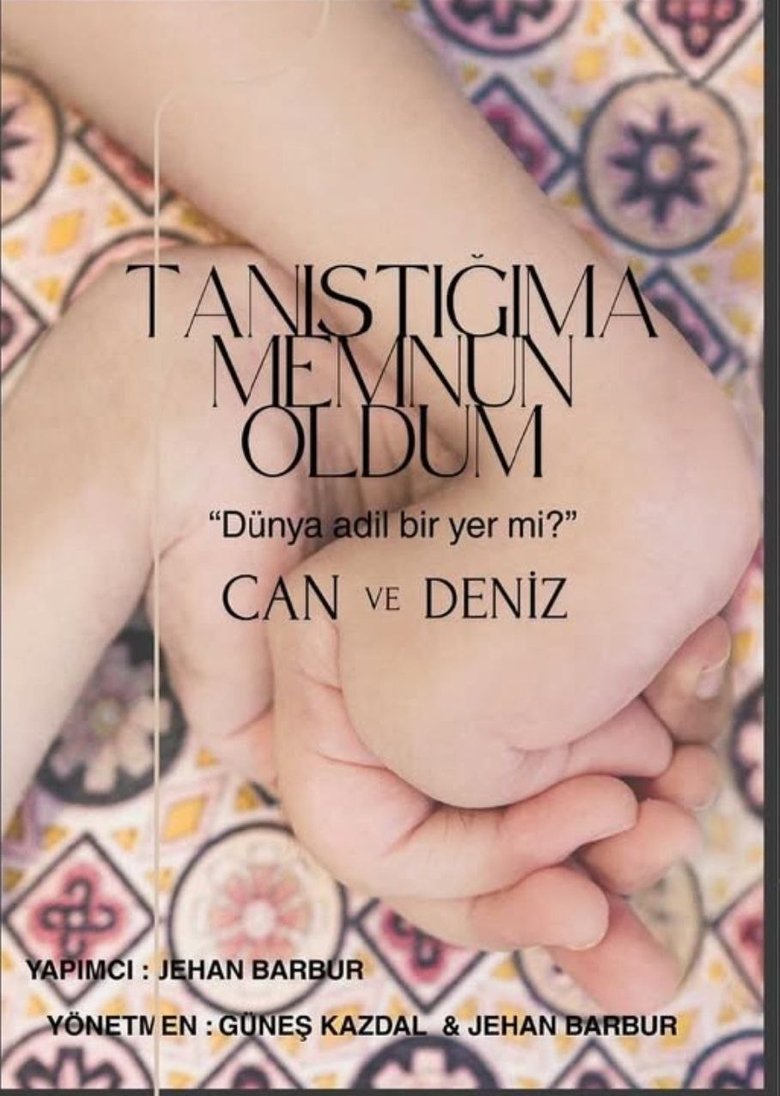
The film is built from interviews spread over five days, and that span is itself a method: nothing is hurried, so sentences get finished. Kazdal and Barbur do not push illness forward as a subject; they record the rhythm of daily care.
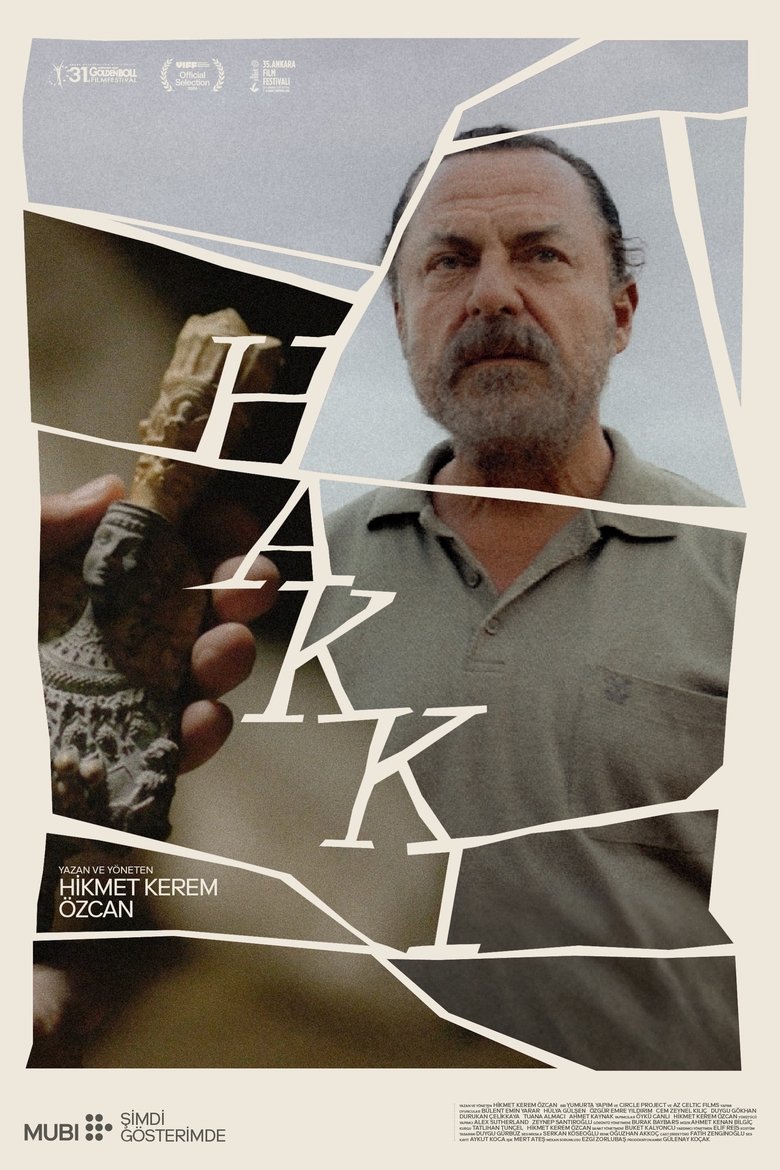
What comes after the first sale: the man learns how much he lost, and with that knowledge a shovel ends up in his hand. Özcan presents obsession not as a character trait but as a business plan; the longer the tunnels grow, the further the family recedes, until what lies underground feels more real than anything above it.

A child's plan collides with an adult schedule. Toğaç does not inflate the collision; the whole weight of the short rests on a spoiled eagerness carried quietly.

What a death leaves behind is not only grief but an estate and the people who gather around it. Kesova runs the family reckoning at the tempo of comedy; who is standing where keeps shifting as the conversations go on.

Everyone around a woman just out of childbirth says the same thing, and she hears it not as an opinion but as an order. Dizdar conveys the pressure through bodily unease rather than argument scenes: the frame tightens, the voices close in, hormones and faith collide in the same room. The tension comes not from a decision but from the question of whose decision it is.

An engagement dinner turns less into a ceremony than a hearing; as everyone plays their part, the masks come off one by one. Sert keeps the whole film inside a single night and almost a single space, so that the impossibility of taking words back becomes the engine.
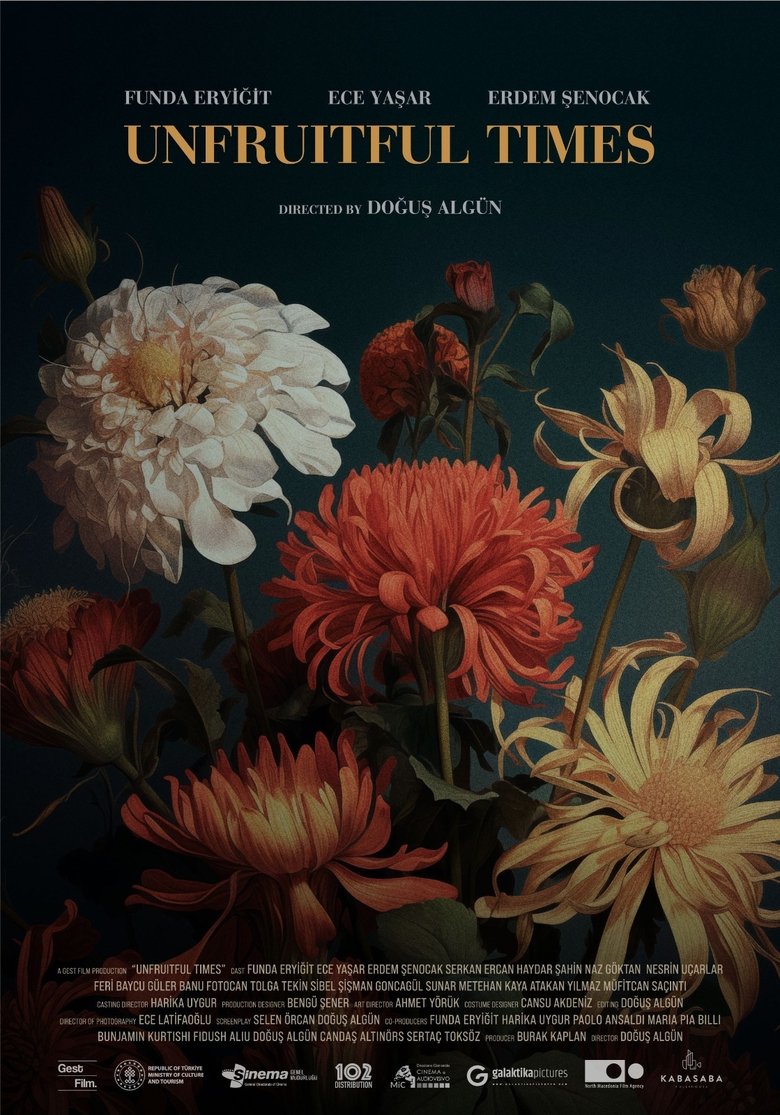
The lives of two sisters crack not under a blow from outside but under the steady pressure of the neighbourhood and the family. Algün does not chase big incidents; secrecy, rumour and being looked at accumulate, until even the sisters' hold on each other turns into a weight.
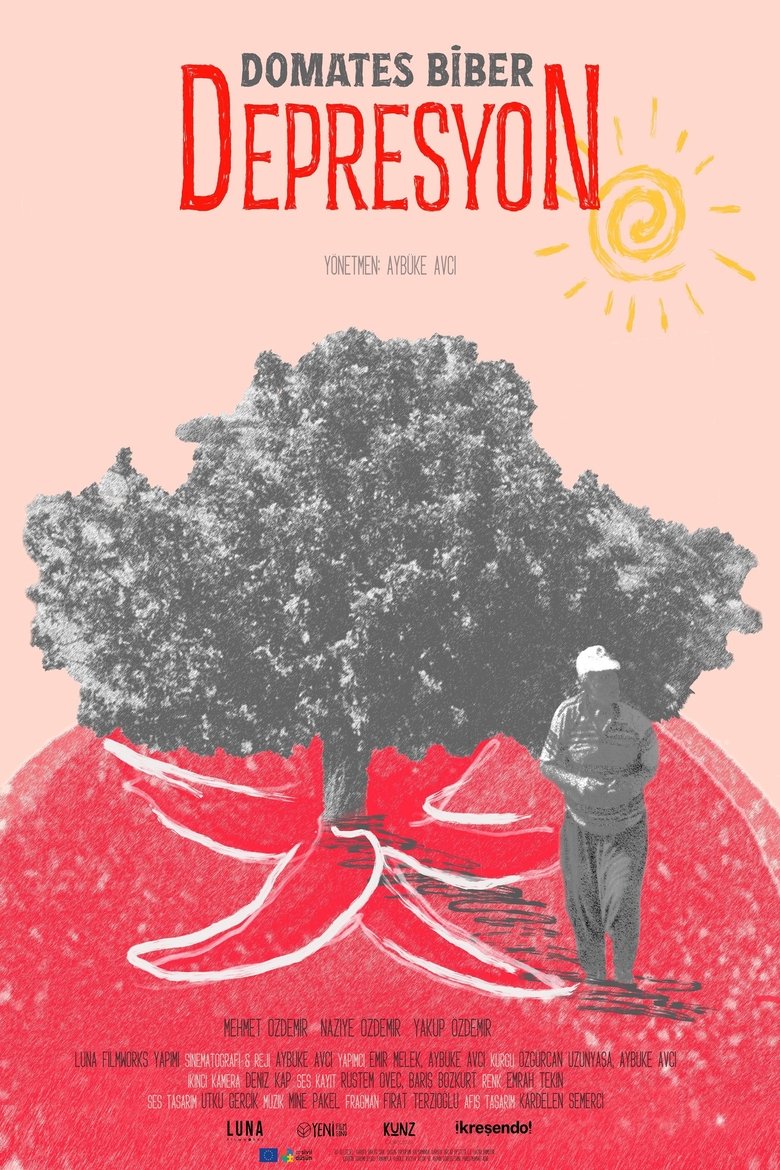
The harvest goes on; the medication keeps both the plants and the people upright.

The presence of a documentary crew is the film's own joke: the moment a camera arrives, a person starts narrating herself, which is to say editing herself a little. Oğurlu declines to dramatise the approach of thirty and works instead on how being observed changes someone.

An order built underground defines old age as a resource problem, and a family has to argue it out in its own kitchen. Altın keeps the science fiction free of spectacle: the subject is not the future but how a decision gets legitimised inside a household.
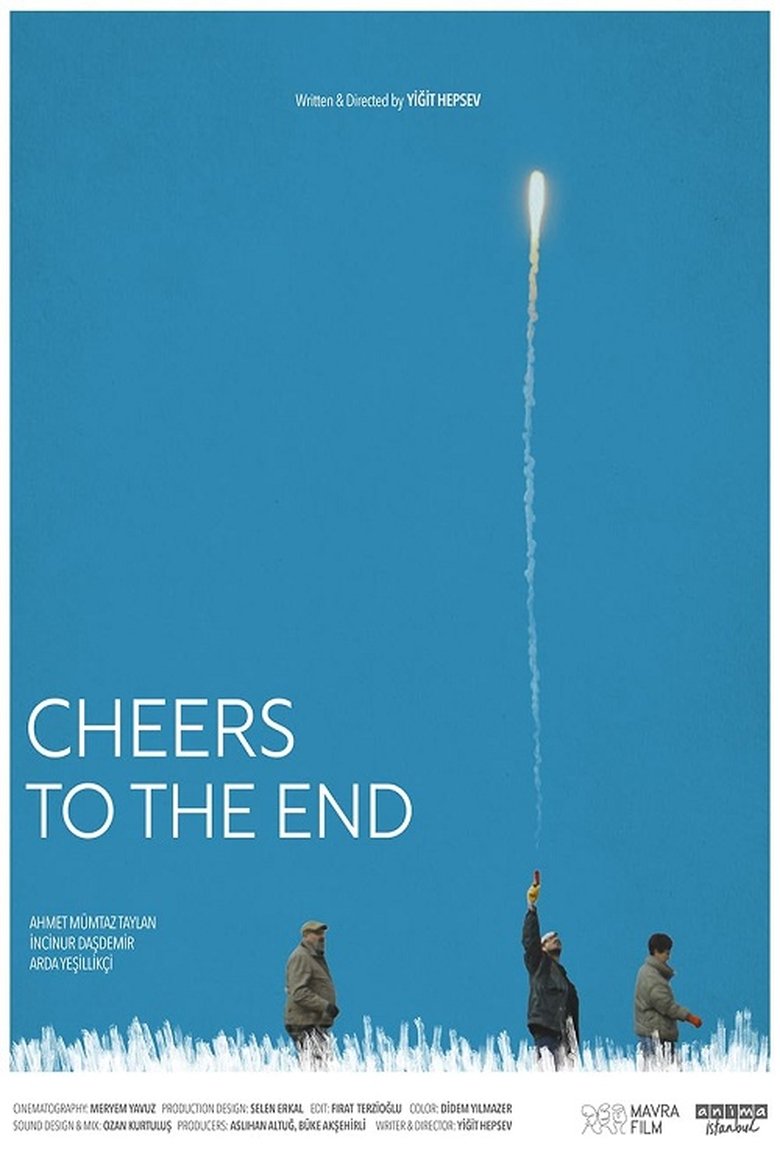
With the end of the world approaching, a father sets the table; the apocalypse here is not a spectacle but the last round of old arguments. Hepsev uses science fiction on a single idea and gives the remaining time over to a family reckoning.
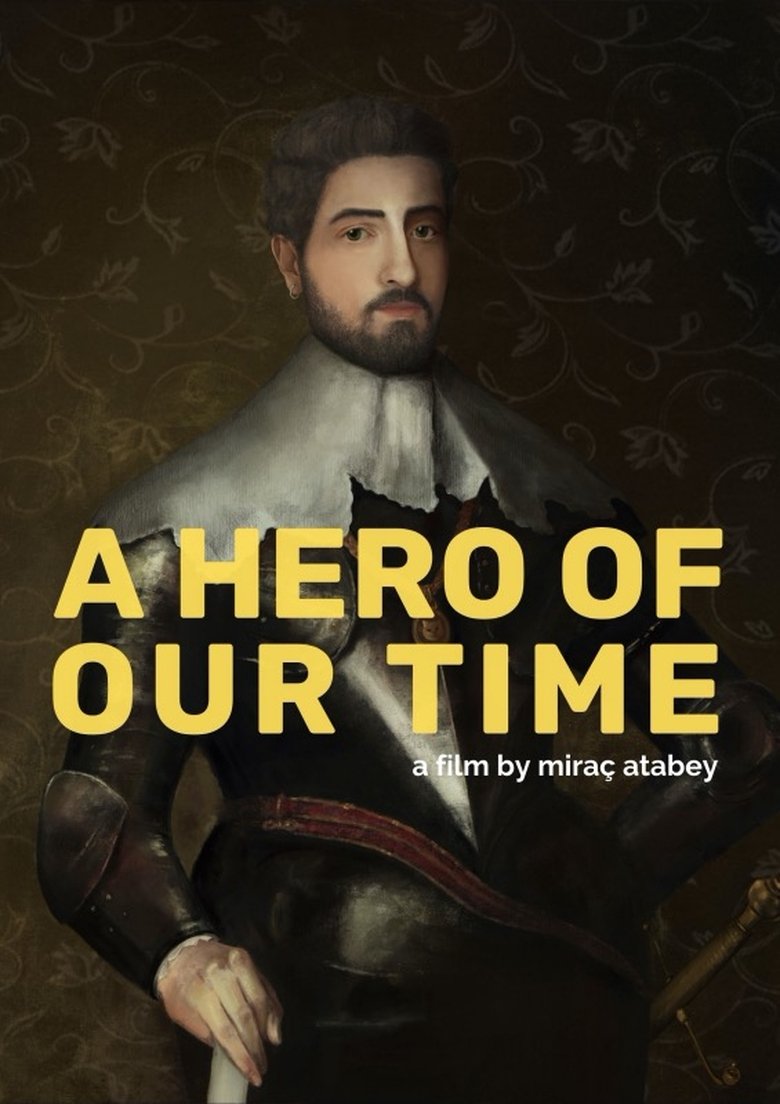
The funeral is not an ending but a calendar: everything the man has been avoiding gathers in one house for three days. Atabey uses comedy not to cover the grief but to show how someone unripe defends himself.

The decision to leave has been made; what remains is everyone's reaction to it. Durlanık fits the distance between the one leaving and those staying into a single stretch of preparation, and envy, anxiety and hope end up standing in the same room.
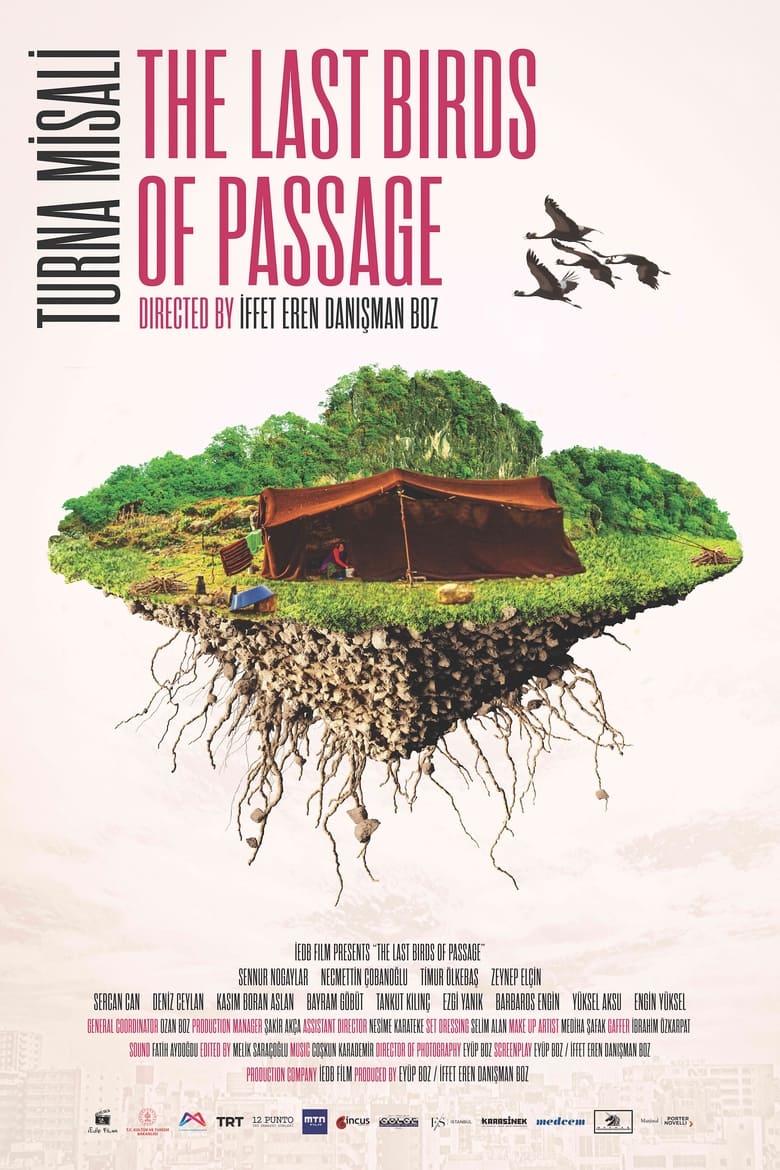
The route is the same every year; the number of people walking it is not. Boz films tradition as an argument rather than a beauty: camel or tractor, on foot or not at all. That quarrel inside one family shows how a disappearing way of life looks from within.
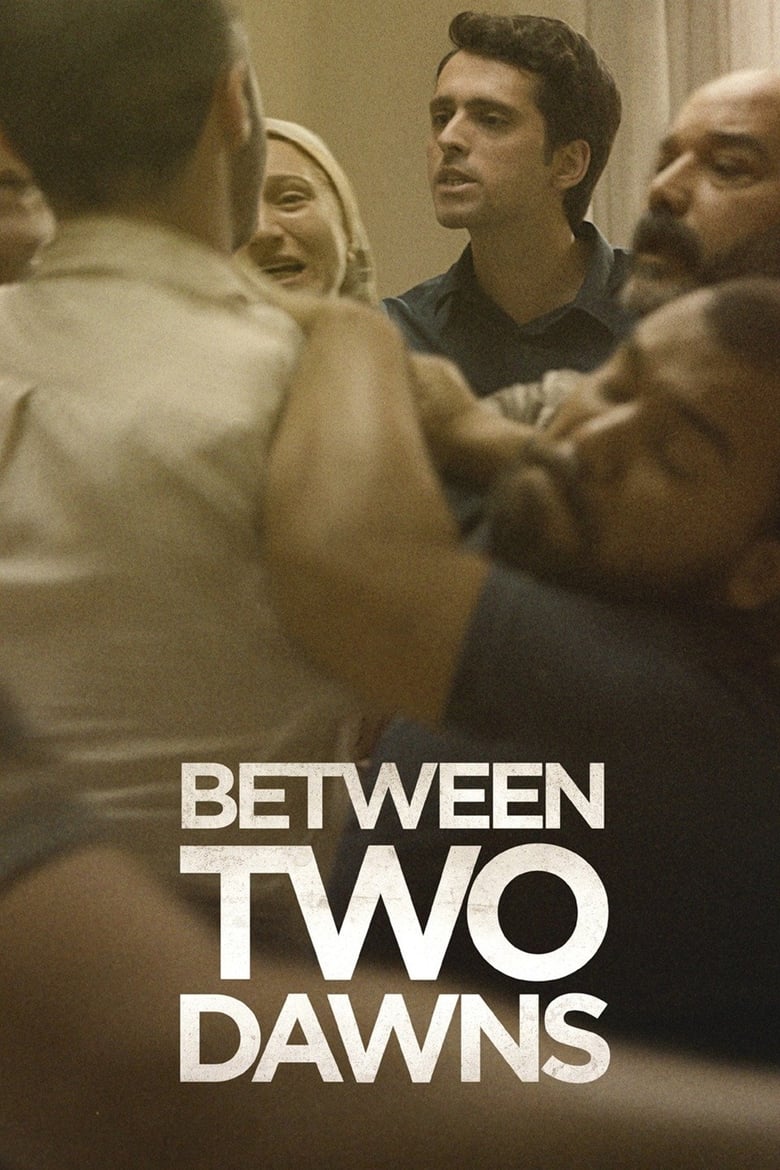
The family convenes at once after an accident, and what is discussed is not the injured man but where the responsibility will settle. Nacar shows the law as a technique for distributing weight rather than an instrument of justice; because the camera never lets go, the viewer also misses the moment the decision was taken.

An unpaid debt comes between people living in the same building, and neighbourliness turns overnight into a creditor's relation. Reyhan does not convert this into a moral lesson; he shows the hierarchy that money installs inside a family.

On a plot of land hemmed in by factories, the old way of farming is being kept alive. Reyhan does not frame this as a generational clash; he shows a mode of production dying and taking its people with it. The heat is part of the argument: nobody shouts, everyone tires, and decisions are made inside that exhaustion.
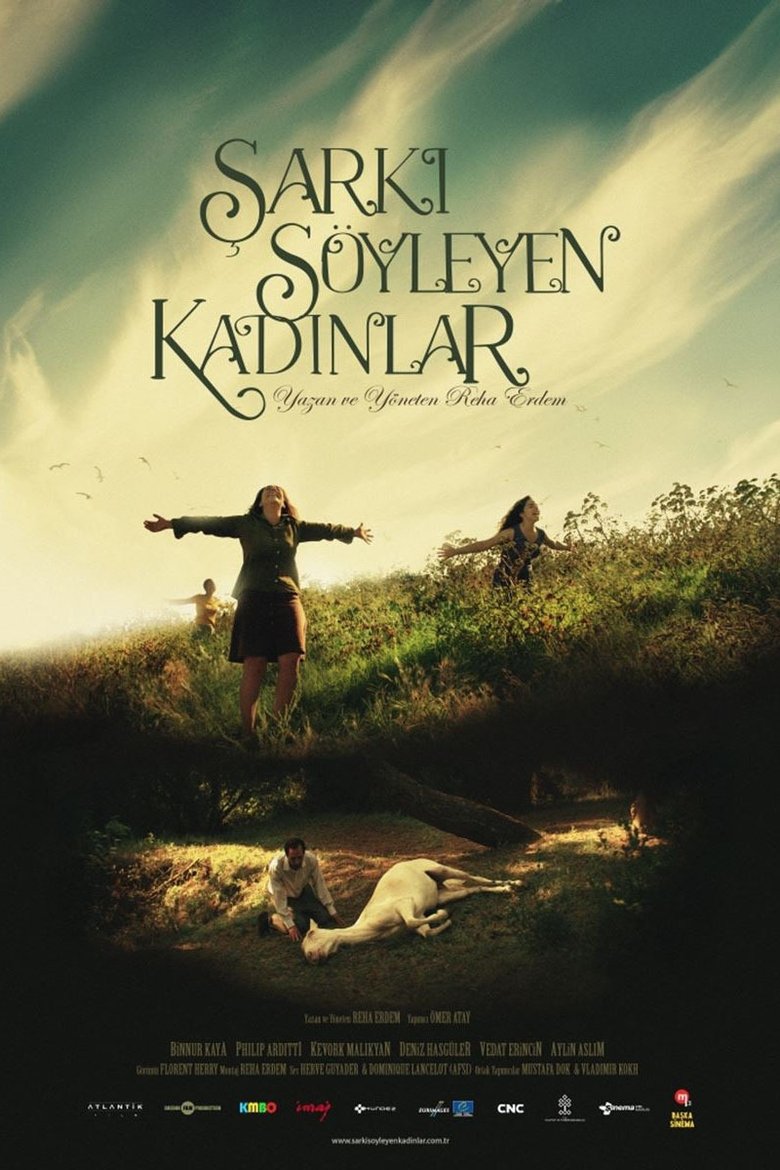
An island emptied by the expectation of an earthquake, a half-abandoned house, a few people sheltering inside it. Erdem builds tension out of waiting rather than incident; nobody explains anything and the film declines to explain either.

The moment of coming out is already behind them; the film is about the years after, and the bargaining these parents do with their own surroundings. Candan keeps the camera still and lets the talk run, because the subject is not what gets said but the process of learning to say it.