Tags
Fascism
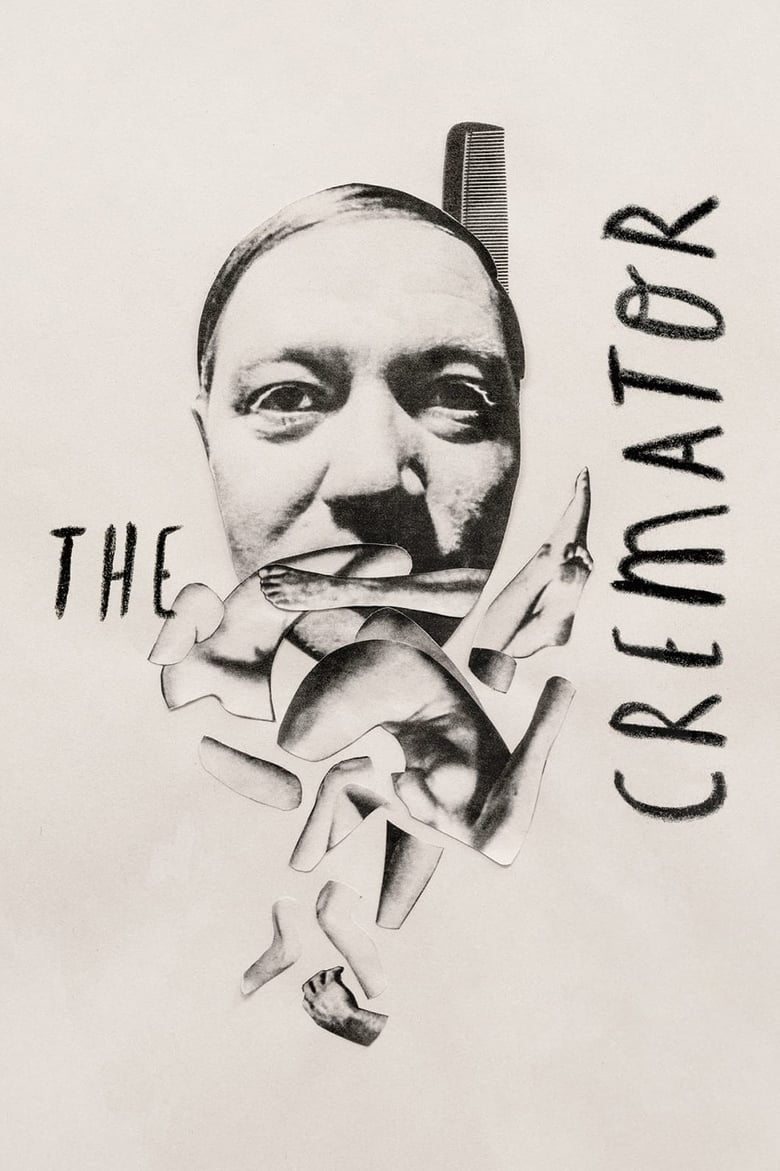
From Herz, the uncanny portrait of a crematorium operator sliding into fascism. Dark, stylized, harrowing.

In Franco's Spain, a girl escapes the horror of reality into a labyrinth of fairy tale. Del Toro tells the magic of childhood and the brutality of war in the same breath.

Four men go rabbit hunting under Franco. Saura lets violence accumulate in the sun; the allegory slipped past the censors.
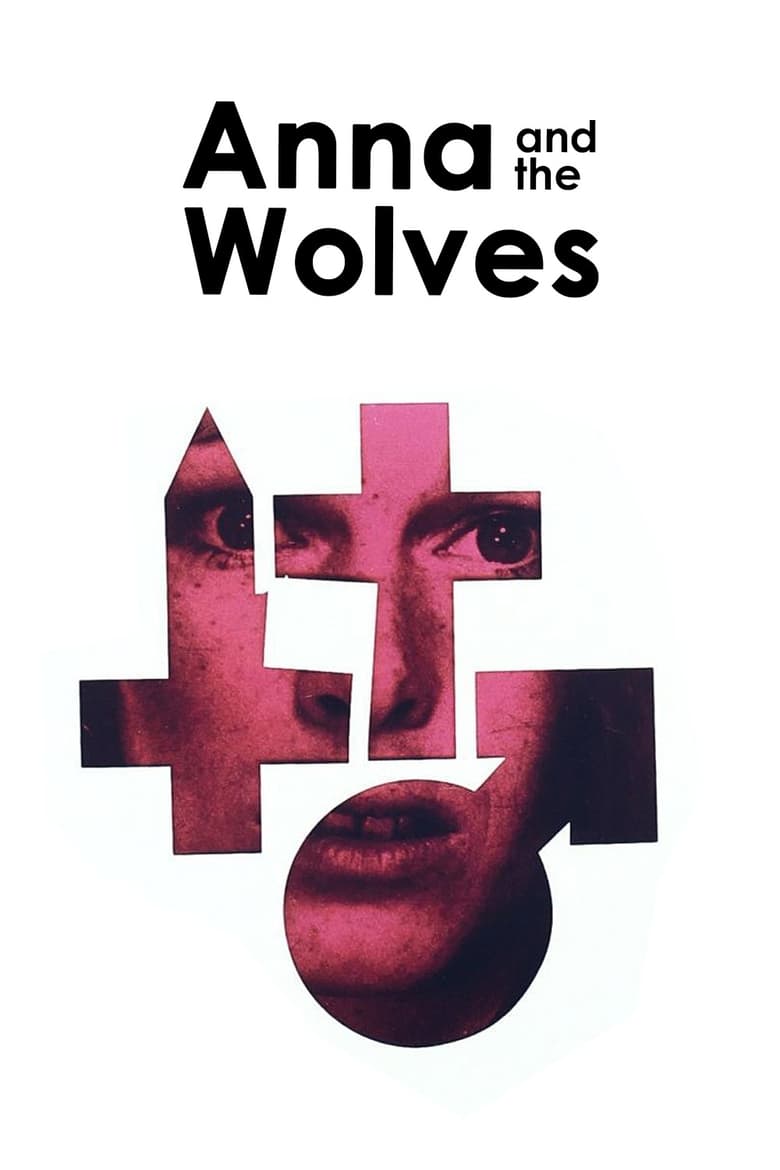
A family rotting in a country house. Saura's Francoist Spain: every character is an institution, every relationship a disease.
Auschwitz in thirty-two minutes. Resnais cuts colour present against black-and-white archive; the question of who is responsible is left open. Hard to watch, impossible not to.

An actor rises by making his peace with the Nazi regime. Klaus Maria Brandauer's face is the film itself; it won the Oscar and still shakes.

The garden of a wealthy Jewish family in Ferrara as fascism rises. De Sica never shows the catastrophe — only the gate closing.
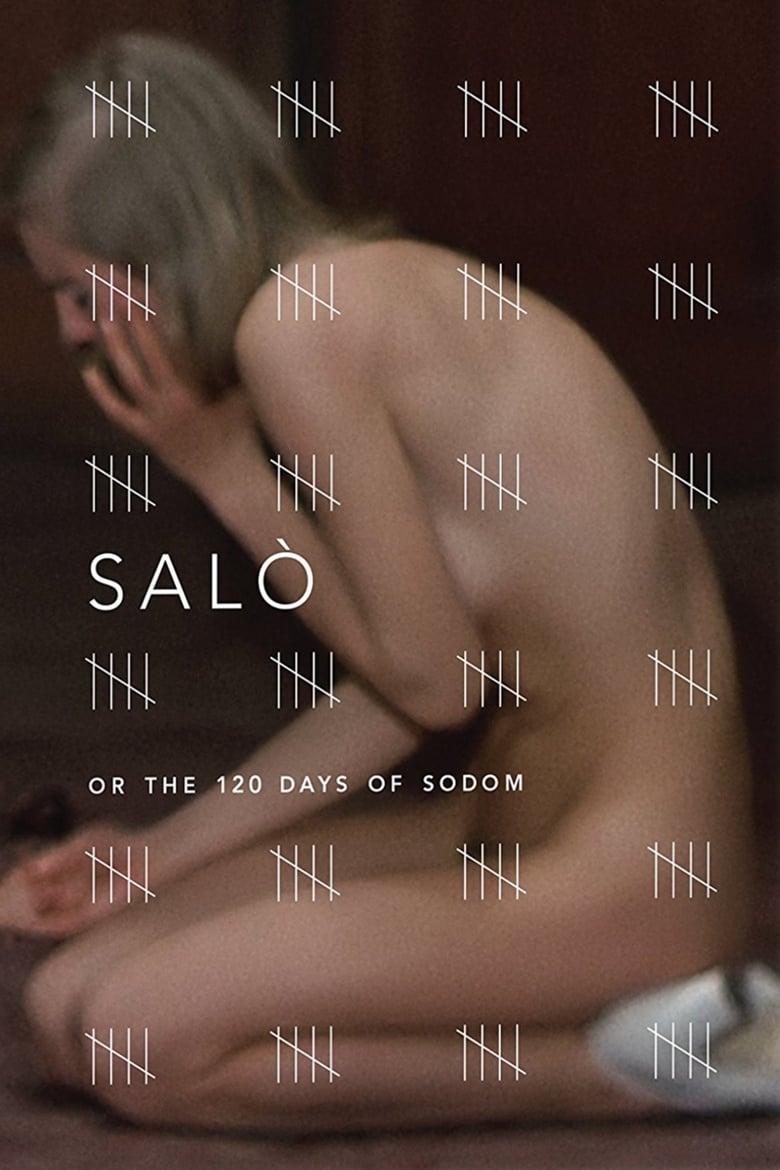
Possibly the hardest film ever made. Pasolini adapts Sade to fascism and shows what power does to bodies. Most people cannot finish it — and they are not wrong.

A fascist functionary drives toward murder to erase his own past. Storaro's images and Bertolucci's form make this the most beautifully shot portrait of conformity.

Two boys born the same day, one master and one labourer, across the twentieth century. A five-hour epic in which Italy's century plays out between two men.

Chaplin does more than mock Hitler: the globe dance and the closing speech entered cinema history.

Tarantino rewrites history, and does it with cinema itself. Christoph Waltz's opening scene is a masterclass.

A former radical's quiet life comes apart when an enemy he thought buried turns up at the door. Rage, a father and daughter, and flight compress into one long breath.

In 1942 Paris, an art dealer is mistaken for a Jewish man with the same name. He goes looking for him, and finds something else.

The day Hitler visits Rome, the whole building goes to the parade; two people stay behind. History is outside, the film is inside.

In fascist Italy, a judge refuses to sentence a triple murderer to death. Law and conscience in the same room.

In 1938, a Spanish film crew goes to Nazi Germany to shoot a co-production. Goebbels takes an interest in the leading lady.

In 1944, an inspector tracking a serial killer realises the truth would embarrass the regime. The Nazis prefer another culprit.

Wounded in the war, a soldier becomes a famous clairvoyant — and useful to the Nazis. The end of Szabó's trilogy about accommodation with power.

As the Nazis rise, a steel dynasty rots from inside. The first film of Visconti's German trilogy.