Tags
folklore

Two scientists follow the traces of an animal that may not exist, and the longer the search lasts, the more it shifts from evidence to belief. Köksal films nature with documentary attention and leaves the fiction on the side of the legend; what cannot be found appears not as a loss but as a need.

The erasure of one belief system by another is told through an animal allegory in a magical-realist register. Rather than arguing a thesis in five minutes, Yentür works a single image, and the harshness of the telling comes from that indirectness.
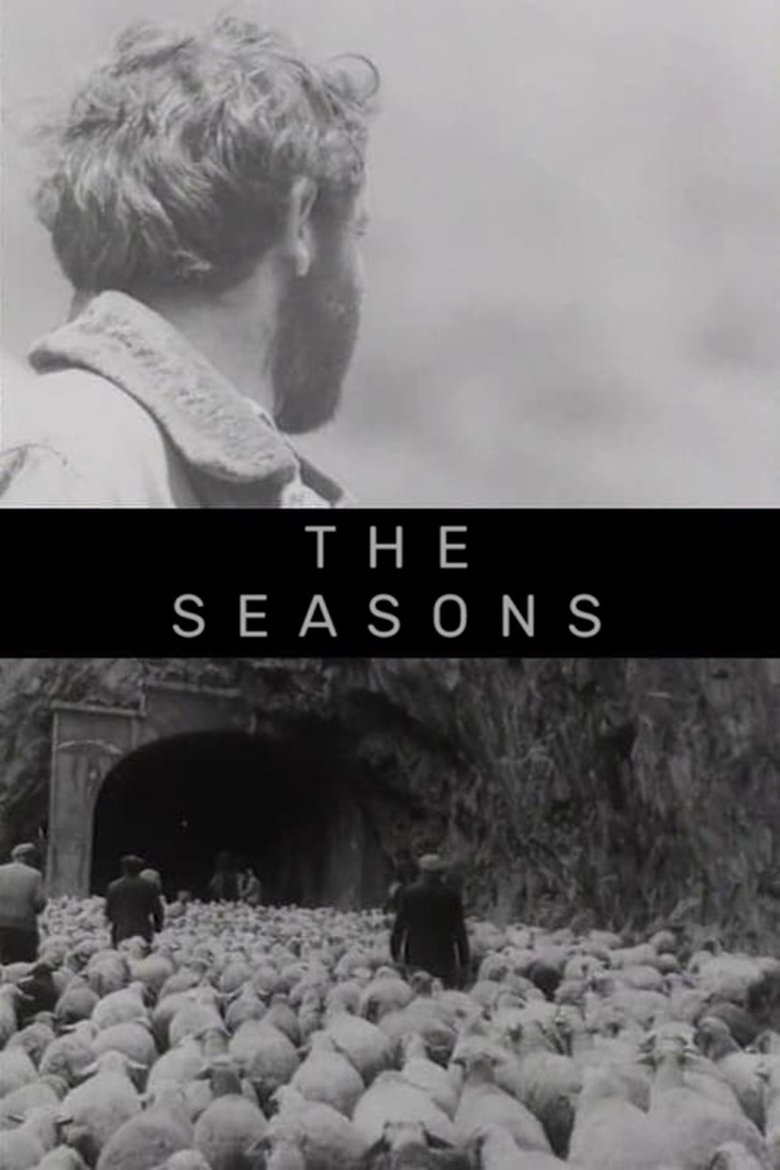
People, animals and nature in the Armenian mountains. Peleshian uses montage like music; no dialogue, only rhythm.

A folk legend: the seventh son becomes a werewolf. Argentina's most-watched film, in which Favio turns folklore into melodrama.

A couple who play in a bluegrass band and their sick daughter. One of Belgium's most-watched films; music and mourning are inseparable.

A couple, a prophet and a bandit in the drought-stricken sertão. Rocha's Cinema Novo manifesto, a revolution narrated in folk song.

The cangaço legend rendered in colour and myth. Rocha's most visual film, where Brazilian folklore and revolution share the frame.

Zhang Yimou's first film and the discovery of Gong Li. Red sorghum fields, folk song and the Japanese invasion — colour here is emotion itself.

A couple who want a child adopt a tree stump, and the stump gets hungry. From a Czech folk tale — as funny as it is horrifying.

A medieval legend of escape and revolt in Estonia. The most-watched Estonian film of the Soviet period; its allegory was an open secret.

A peasant uprising told through ritual, nudity and song. Jancsó's most visual film, where political cinema becomes dance.

A fishing village drying up on the banks of the Titash. Ghatak films nature, poverty and folk music together.

A girl who steps out of a carpet and a love she cannot escape. Makhmalbaf makes colour a narrative device; the most visual of Iranian films.
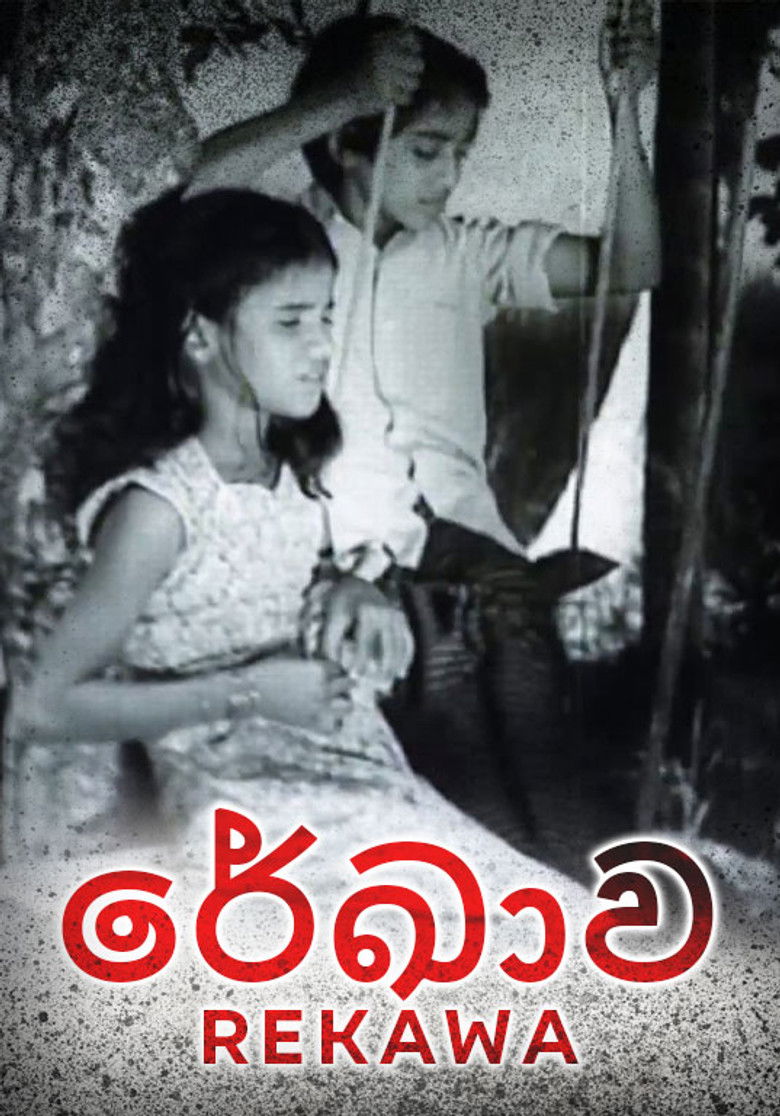
A village in Sri Lanka and a boy believed to have healing powers. Peries took his country's cinema out of the studio and into the village.
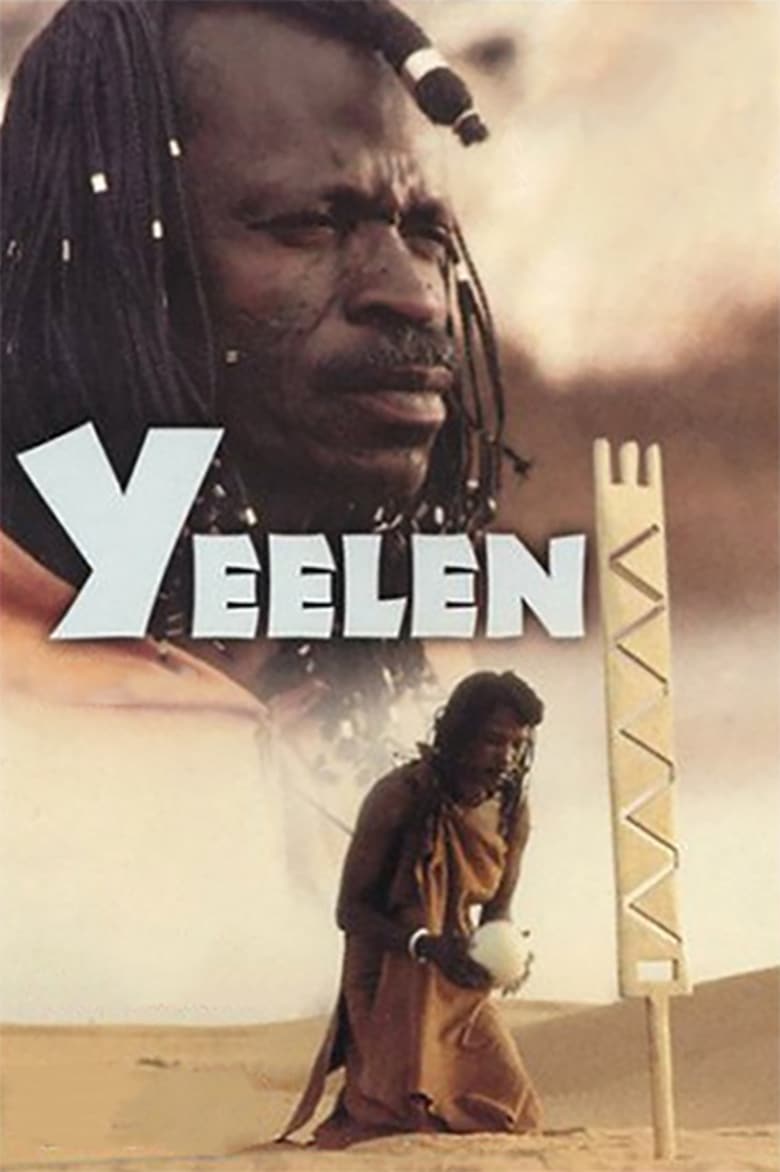
In Mali a father and son clash through magic and destiny. Cissé translates African mythology into visual language; it won at Cannes.

Marcos's martial law period interwoven with folk legend. It won the Golden Bear in Berlin; Lav Diaz's most accessible long film.
Ukrainian village life, folklore and poetic montage. Illienko had been Parajanov's cinematographer; here he builds his own language.

The old weeping-woman legend, told for children — a ghost born of grief who takes the young who wander at night. Folk dread softened for a family evening.

In a poor mountain village, custom demands that the old be carried up the mountain to die at seventy, and one woman prepares for her time. A harsh, earthy tale woven into the cycles of nature.

In the 19th century, a pastor visits a Lithuanian count rumoured to be born of a woman and a bear. In dim castle halls, an uncanny dread hovering on the border of man and beast.

