Tags
Genocide

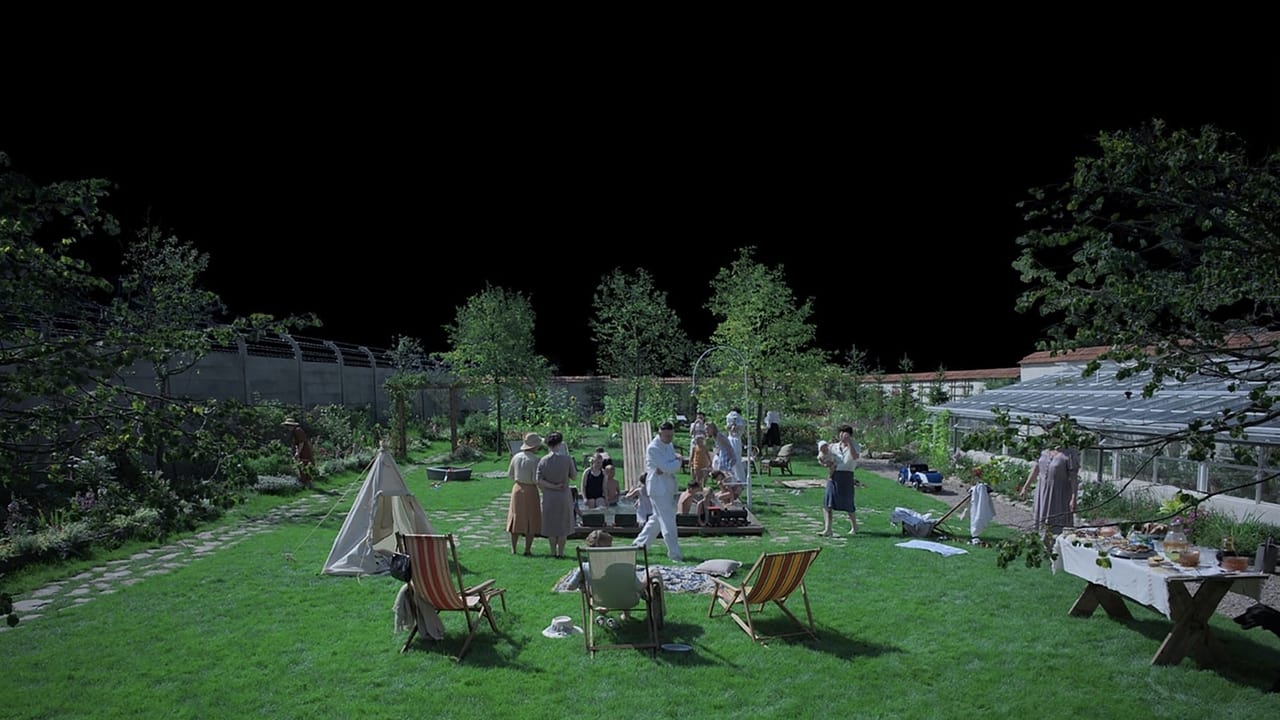
An ordinary family life right beside a concentration camp wall. Quiet, horrifying.
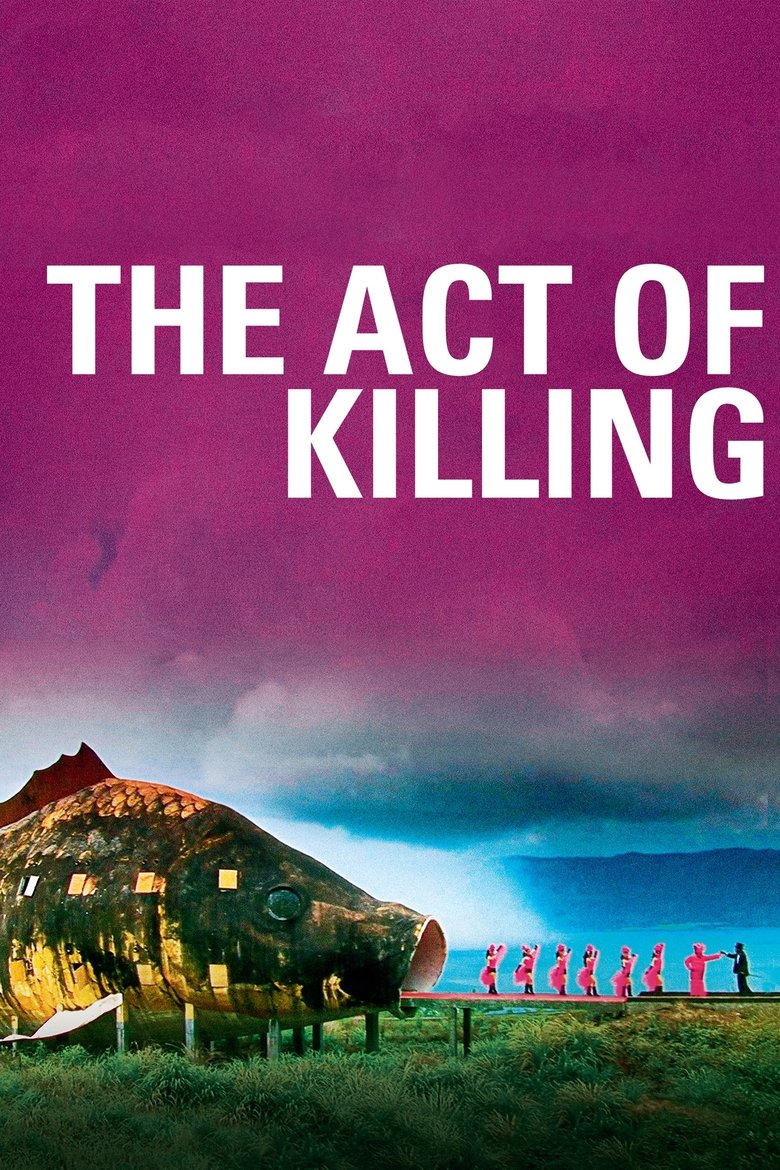
From Oppenheimer, a shattering documentary where killers reenact their own murders. Disturbing, singular, powerful.

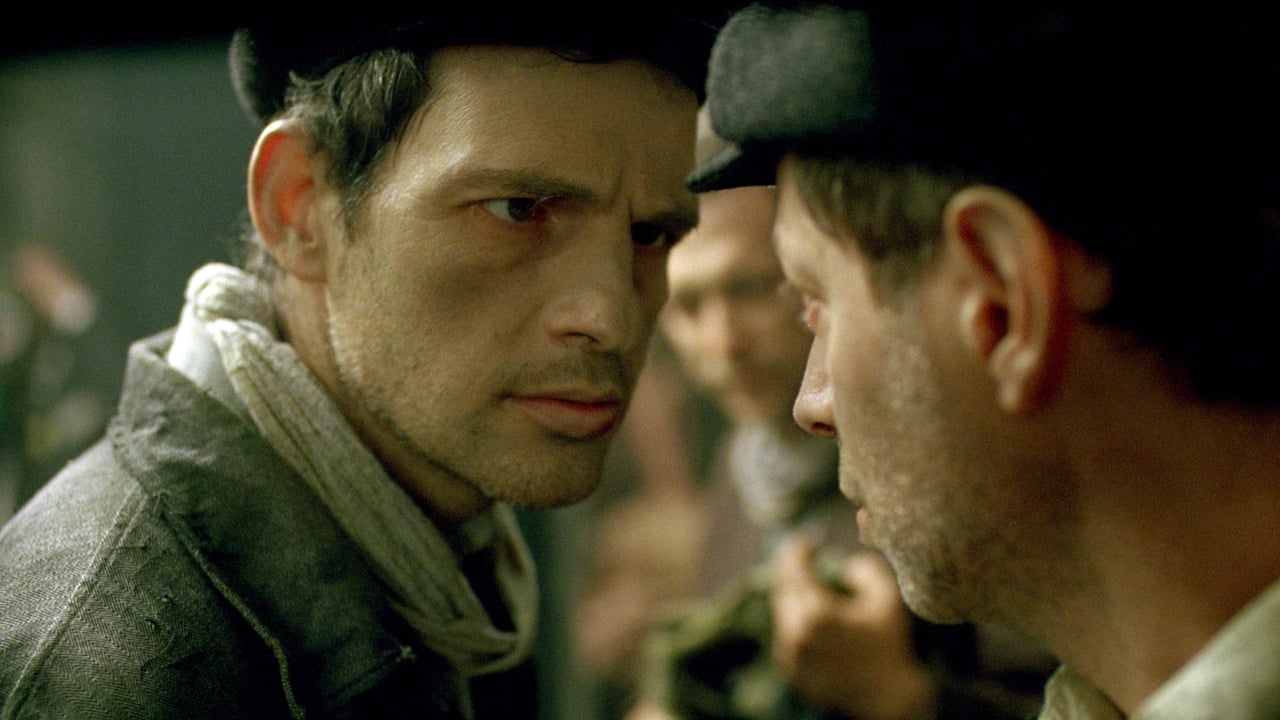
A single day of a Sonderkommando at Auschwitz. Nightmarishly intense, moral, breathless.

A father turns everything into a game to shield his son from the horror of the camp. Benigni meets laughter and tears in the same scene.

An American journalist and his Cambodian colleague are torn apart by the horror of war. A true, heart-rending story of friendship and survival.

A German businessman spends his fortune to save the lives of a thousand Jews. Spielberg tells the horror in black-and-white, through a single red coat.

The blood at Chile's founding. A harsh debut that dismantles colonial violence in the language of the western.

A translator's helplessness during the Srebrenica massacre. Devastating, furious, unforgettable.
Auschwitz in thirty-two minutes. Resnais cuts colour present against black-and-white archive; the question of who is responsible is left open. Hard to watch, impossible not to.
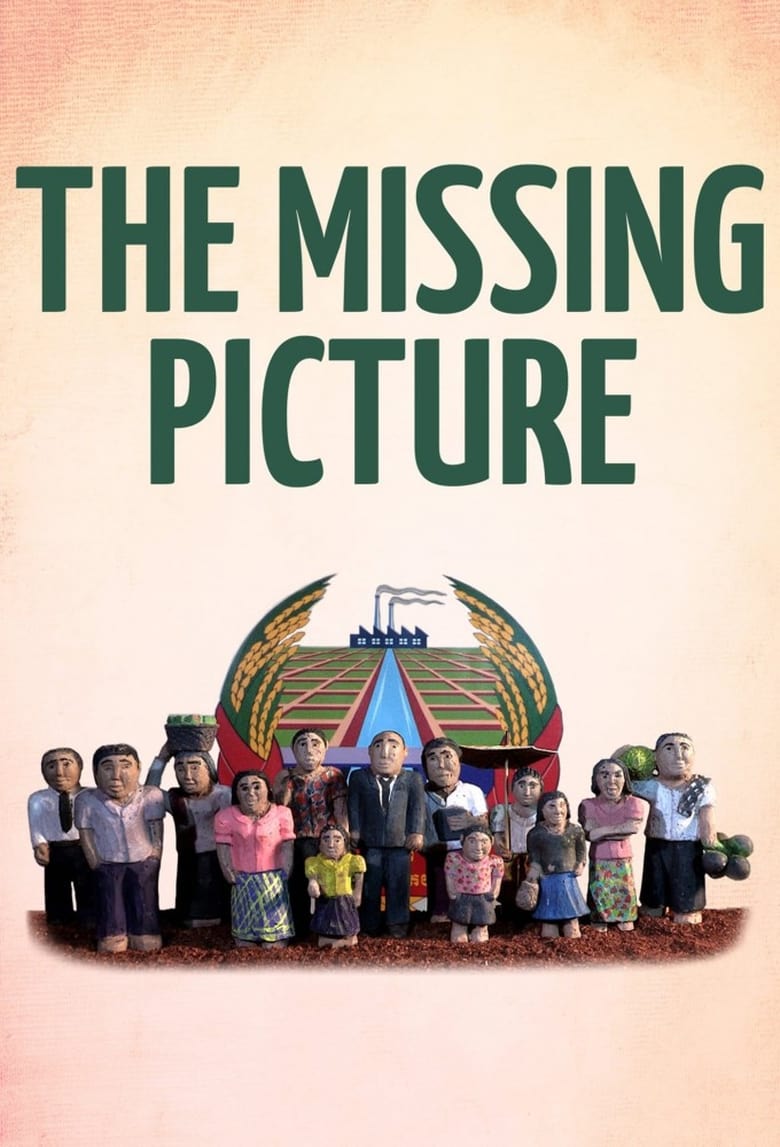
The Khmer Rouge genocide told with clay figurines. Panh rebuilds by hand a history that has no images; it widens the boundary of documentary.

A Native people made rich by oil, and the deaths closing in around them. A long, cold look at how a marriage can hide the face of greed.

The brother of a man murdered in Indonesia's 1965 purge sits face to face with the killers and asks them why. A documentary of near-unbearable stillness in a land where the guilty still rule.
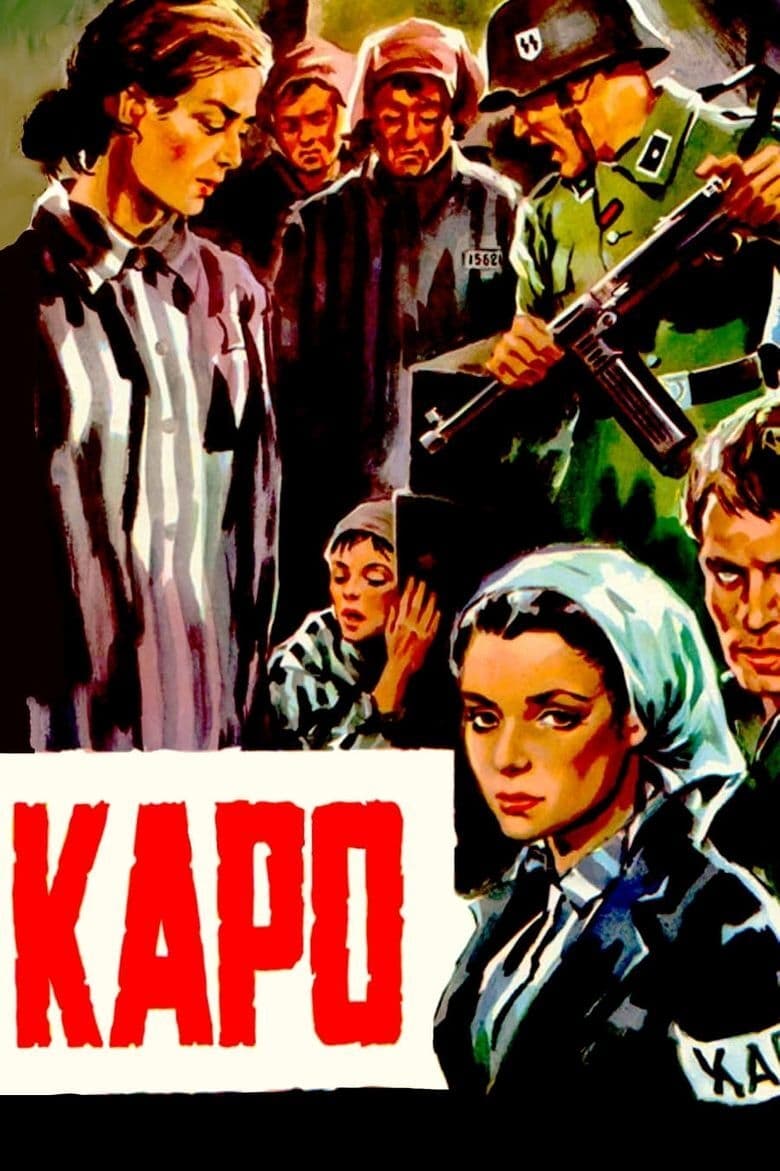
A young girl becomes a guard in the camp in order to survive. One tracking shot in it began cinema's most famous argument about ethics.

In the ghetto, a man invents having heard a radio and hands out hope. East Germany's only Oscar nomination.

In Zagreb, a Croatian family marries a Jewish girl to their son to save her. The false marriage turns real.

A retired general tried for the Maya genocide is shut in his mansion by protesters, alone with his past.

Departing from the memory of water, Guzmán's poetic essay binds Chile's coastline to the voices of its Patagonian Indigenous peoples and the regime's political prisoners.


Survivors and former guards return to the Tuol Sleng prison to re-enact the machinery of extermination. Rithy Panh turns memory into testimony.

Rithy Panh searches for the unmarked graves of his family through ritual, testimony and landscape.