Tags
Humanist

From Kobayashi, a nine-hour epic of one man trying to hold on to his humanity through the war. Weighty, humane, heartbreaking again and again.

A boy growing up in a madrasa before Bangladesh's war of independence. Masud tells religious schooling and war through a child's eyes; the director died young in an accident.

A village in Burkina Faso, an old woman and an accusation of witchcraft. Ouedraogo's best-known film; it won at Cannes.

Five stories inside one day in Rio. The beginning of Brazilian neorealism, shot in the streets with real people.

Young monks in a Himalayan monastery want to watch the World Cup. Real monks play the roles; one of the sweetest films in cinema.

Eight people try to build a utopia out of post-'68 disillusionment. Tanner's most hopeful and most talkative film.

A dance in a factory town and the soldiers who arrive. Forman films heartbreak without a shred of drama; the ending is merciless.

An apprentice, some girls and a summer that leads nowhere. Forman's first film and the birth of the Czech New Wave.

A young man found in Nuremberg in 1828 who has never seen another human. Herzog cast a man who had genuinely spent years in institutions.

French officers and their German commandant in a prison camp. Renoir reads the war through class: the officers understand each other better than their own men.

A doctor tries to educate a child found in the woods. Truffaut plays the doctor himself — the question is whether being human can be taught.

An essay on those who glean what the harvest leaves behind. Varda films her own ageing hands too — documentary at its most personal.

Varda at eighty-eight and a street artist at thirty-three, touring French villages. The most graceful film ever made about friendship.

A village in Georgia, a church and the passing of time. Iosseliani never judges his people; he simply looks and lets them be.

A family's poverty in Bengal and a boy seeing a train for the first time. Ray's first film opened Indian cinema to the world and is still considered its most beautiful. Ravi Shankar's score is a treasure in itself.

Apu goes to the city while his mother waits in the village. Ray films growing up as a loss; the quietest part of the trilogy.

Apu marries, is happy, and loses everything. The trilogy's most devastating part; the final scene forgives.
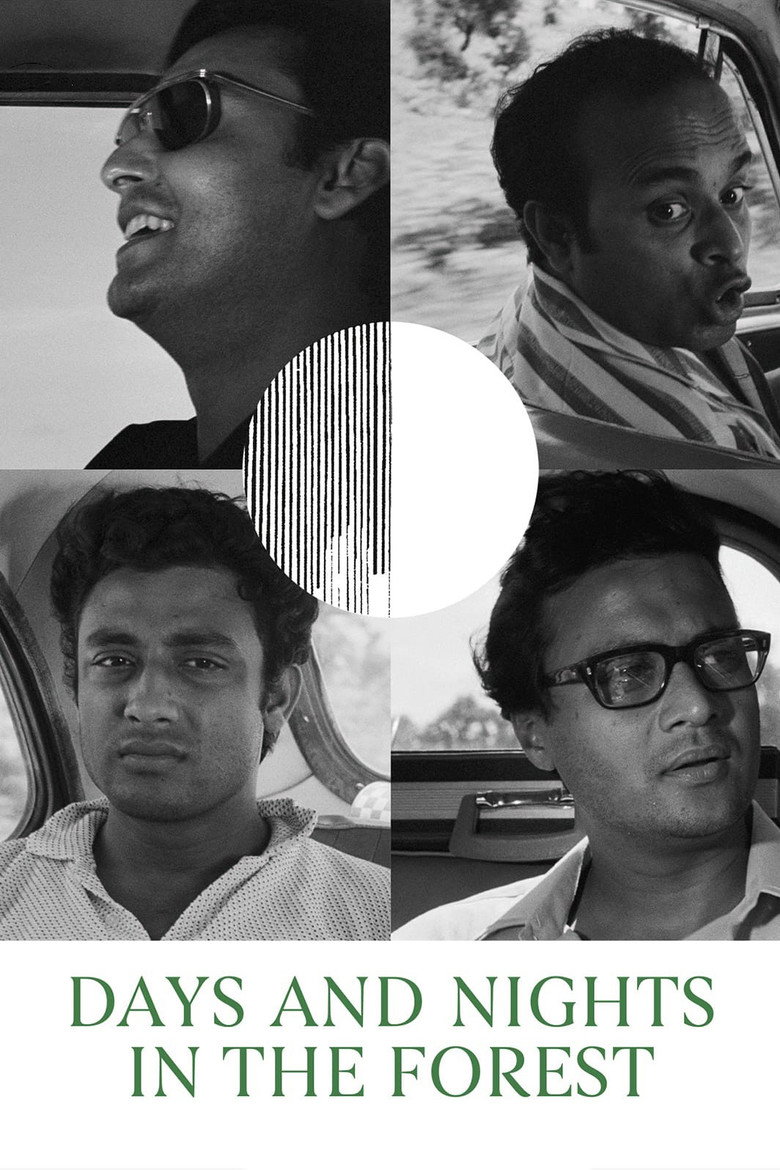
Four city men camp in the forest and meet their own emptiness. Ray's most modern and most ironic film.

A villager comes to Delhi and meets the bureaucracy. The Indian New Wave began with this film; comedy and critique are inseparable in it.

A boy takes his friend's notebook by mistake and walks from village to village to return it. Kiarostami's simplest and most touching film.