Tags
Kieślowskian

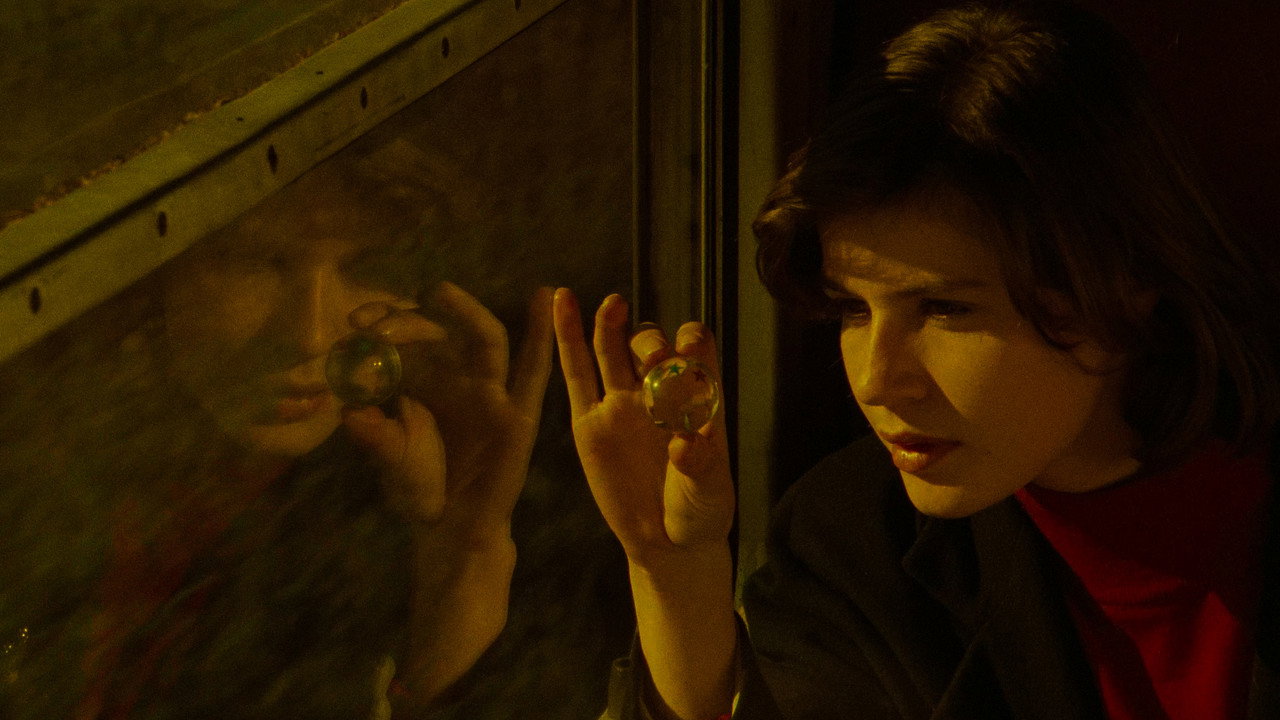
A woman who lost her family, between freedom and grief. Blue, music-filled, from Kieślowski.

A young woman and a retired judge form a bond woven from chance. Kieślowski closes his trilogy with its most elegant film about fate and connection.
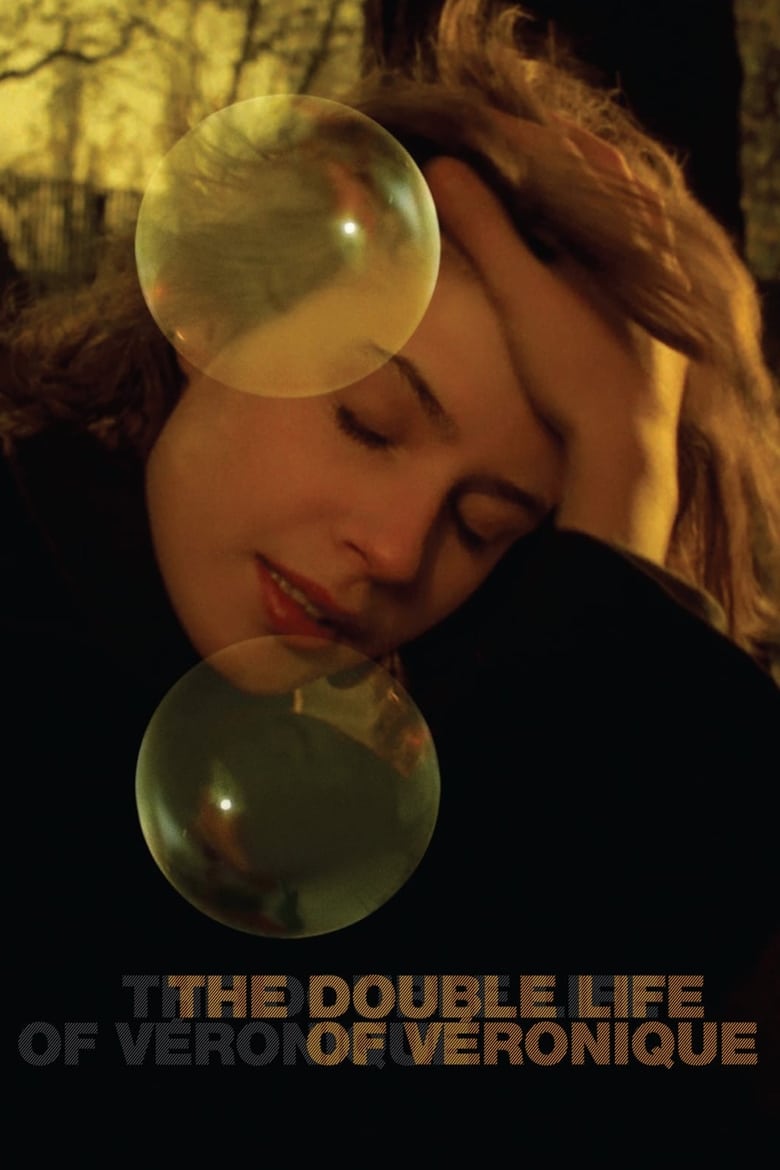
Two women, strangers, sharing one soul. Kieślowski's poem, full of light and mystery.

A murder and the execution that follows, shown with the same cold distance. Kieślowski sets the two faces of killing side by side and leaves the verdict to us.

From Kieślowski, a moving masterpiece on a young man's obsessive love. Subtle, sorrowful, human.

Ten commandments, ten short films, one Warsaw housing block. Kubrick called it the only masterpiece he could name in his lifetime; the deepest work on morality cinema has produced.

A man catches the train, misses it, is arrested — three lives from one moment. Kieślowski reduces fate to a train door.

The middle of the trilogy and its only comedy. A Polish barber is divorced in Paris, left penniless, and returns home inside a suitcase. Then he takes his revenge.

A worker buys a camera when his daughter is born. First he films the family, then the factory, then things at the factory that should not be filmed. Kieślowski's own retreat from documentary is told inside this film.
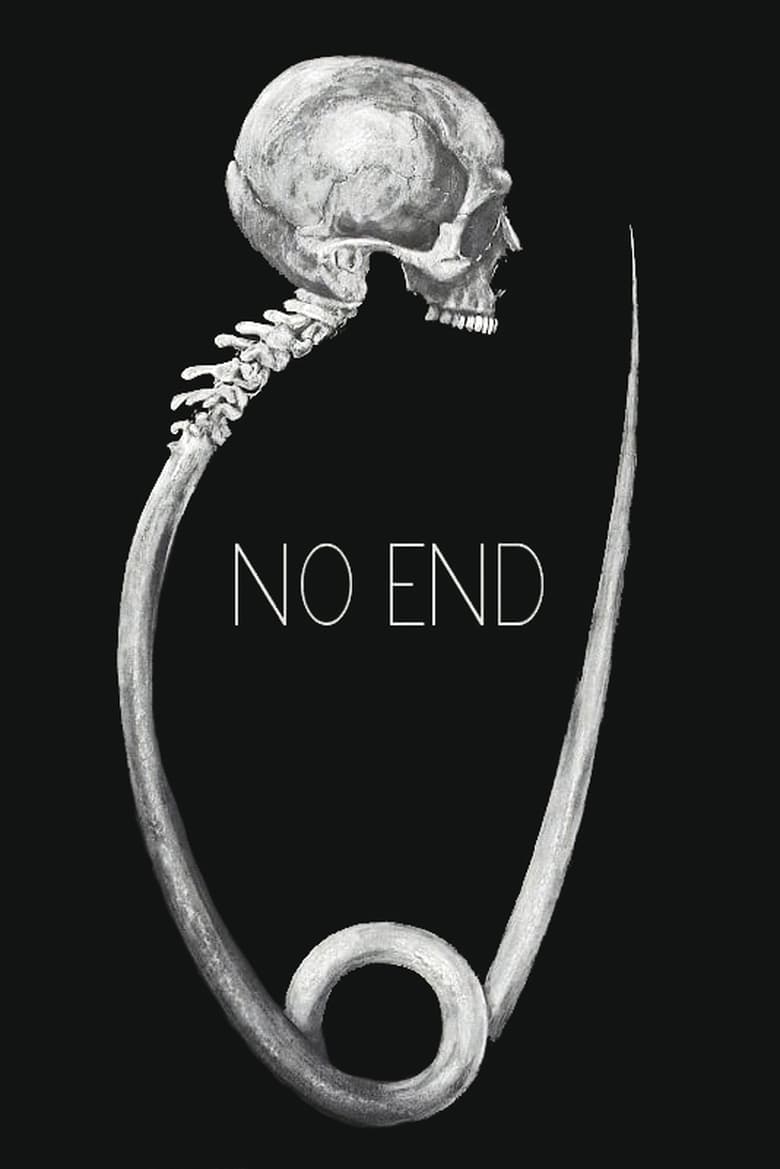
The martial law years. A lawyer dies and his wife is left behind; he watches her from where the dead are. After this film Kieślowski began working with Piesiewicz and Preisner — Dekalog and Three Colours came out of here.