Tags
Long Take

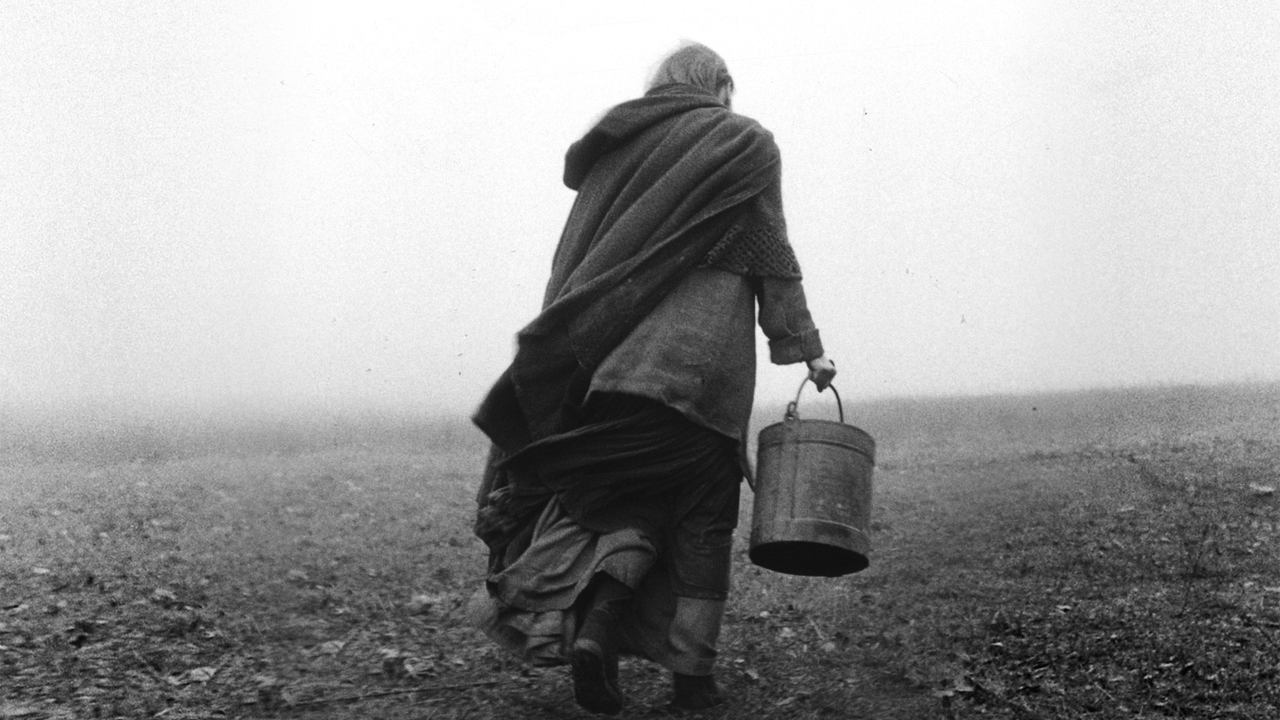
From Béla Tarr, a seven-hour black-and-white epic of a mud-sunk village falling apart. Immense, bleak, impossible to leave once you're in.

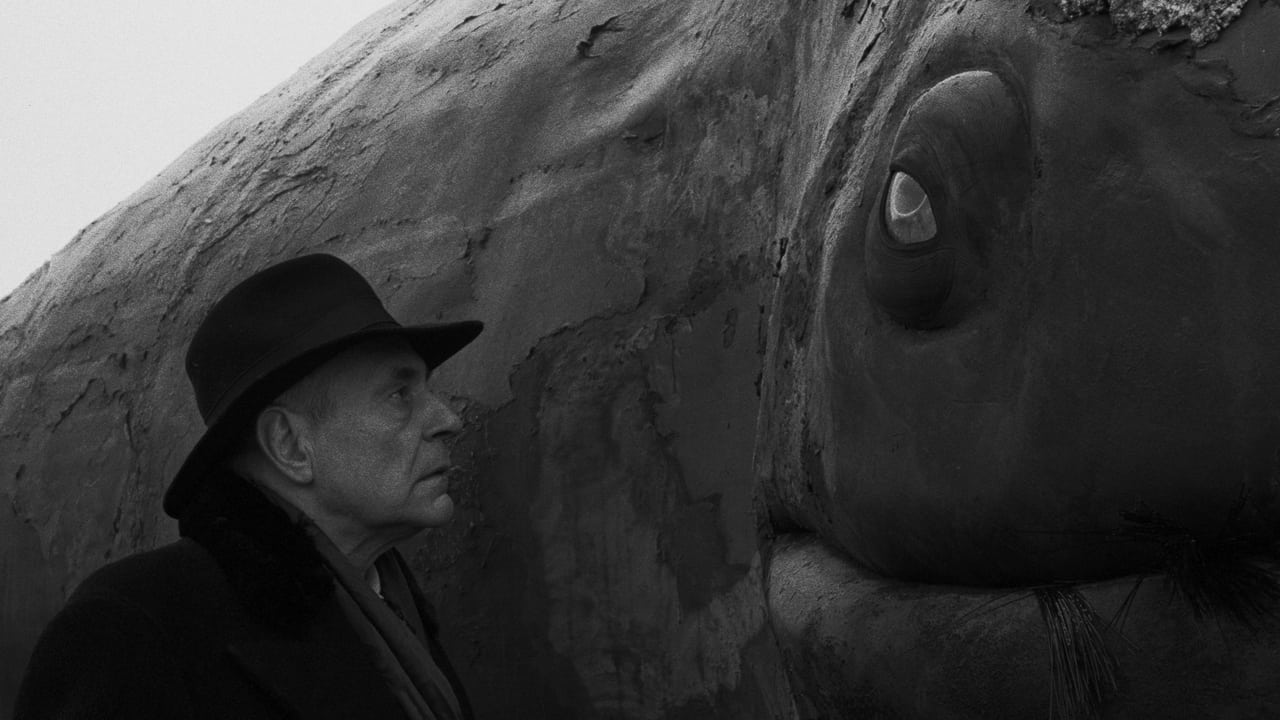
From Béla Tarr, a black-and-white, hypnotic allegory of chaos descending on a town. Slow, magnificent, singular.
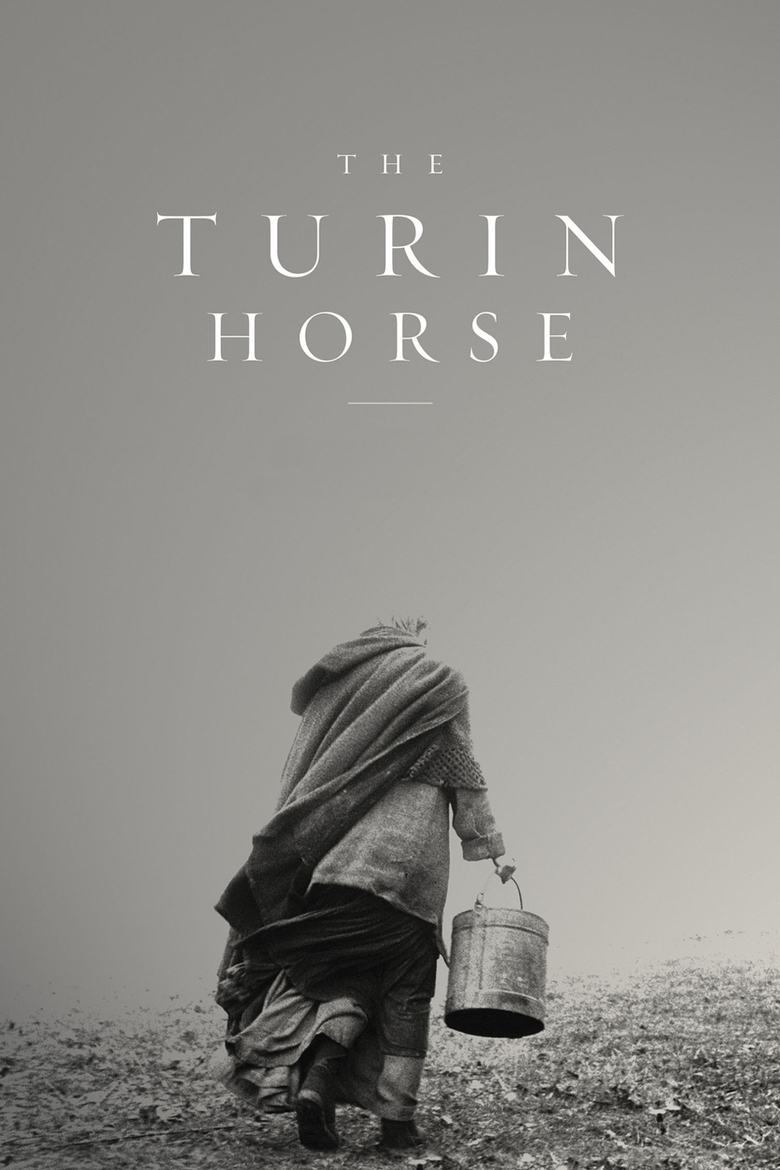
A father, a daughter, a horse, and a world ending over six days. Béla Tarr's final film — a dark farewell before he left cinema for good.

Four lost lives cross in one day in a Chinese city. A four-hour, heavy, hypnotic masterpiece.

From Bi Gan, a hypnotic memory journey with an hour-long single-take dream finale. A visual spell.

A country doctor sets out searching for his past and his future. Midway, Bi Gan drops you into a dream with a single forty-minute take.
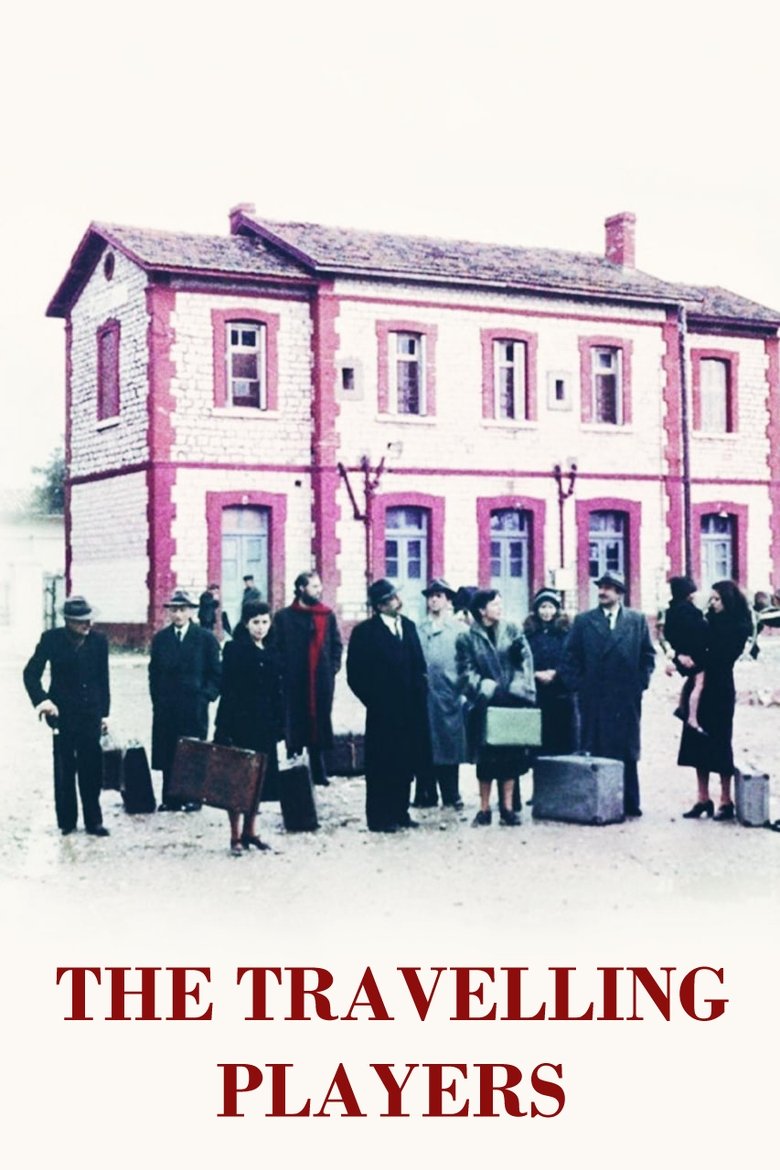
A travelling theatre troupe crosses Greece from 1939 to 1952. Four hours, eighty shots; Angelopoulos fits history into a single walk.

A bar, endless rain and betrayal. Tarr's long takes mature here; the crowded dance sequence runs seven minutes.

A harbour worker witnesses a murder and does nothing. Tarr's darkest and coldest film; the opening shot runs ten minutes.

Psychological torture in a prison camp in the 1860s. Jancsó's long takes move like choreography across the bare plain; the most abstract portrait of power.

In the Russian Civil War the sides keep changing places. Jancsó turns war into a meaningless carousel; nobody is a hero.

A peasant uprising told through ritual, nudity and song. Jancsó's most visual film, where political cinema becomes dance.

A man is interrogated and it never becomes clear who is on which side. Jancsó's most claustrophobic film.

A medical unit in the Yom Kippur War. Gitai films his own war experience; the long takes in the mud are unbearable.

1948, two peoples, the same land. Gitai holds foundation and exile inside a single film.

Crime and Punishment transplanted to the Philippines, across four hours. Lav Diaz sets Dostoevsky down in a tropical town.

A woman waiting for her husband's body and a missing child. Lav Diaz's stillest film, in which mourning becomes a landscape.

The revenge of a woman imprisoned unjustly for thirty years. It won the Golden Lion in Venice; black and white, four hours.

Marcos's martial law period interwoven with folk legend. It won the Golden Bear in Berlin; Lav Diaz's most accessible long film.

An eleven-hour family epic in black and white, from 1971 to 1987. Lav Diaz treats time as material; to the patient he gives an entire country.