Tags
Memory

The director turns the camera on her own father and, as the film advances, becomes part of what she is filming. The line between documentary and fiction is not a stylistic game here but a question of authority inside a family: who is narrating whom, and with whose consent. A building due for demolition puts a calendar on that question.

A dancer's movement stands in for places that have been demolished. Pekün treats the body as an instrument of memory and walks across the city rather than describing it; the personal archive here is rhythm, not evidence.

A portrait built around a poem; instead of narrating a biography the film follows the poem's own line. Tosun does not close the gaps, leaves what is missing as missing, and runs archive and staging side by side.

The portrait of a man working in electronic music is told alongside a second life lived in the same house. Kökçeoğlu does not lay the archive out as a straight chronology; sound, image and letters overlap until the portrait becomes less a biography than a mix.

In an order where memory is wiped and rewritten, remembering the past counts as a malfunction. Adam does not try to hide the small budget; he makes the gaps in the narration part of the design and keeps the science fiction standing on its idea.

Old photographs on the table, a granddaughter across from her, and a memory trying to resist. Noyan and Celayir use animation not as decoration but as the act of remembering itself: the drawing fills in what the photograph cannot say, and a life fits into the time it takes to drink a coffee.

A building technique that came out of the hands of master craftsmen is recorded together with the last generation carrying it. Arın does not turn the documentary into a preservation appeal; he hands the microphone to those who know how to tell it and shows how knowledge is passed on.

The town itself is an archive: the texture of the streets, the order of the façades, the craft of the doors. Arın films architecture not as art history but as the shell of daily life, never letting you forget that people still live inside these houses.

A forbidden love between a painter and her subject in the 18th century. Elegant, burning, unforgettable, from Sciamma.
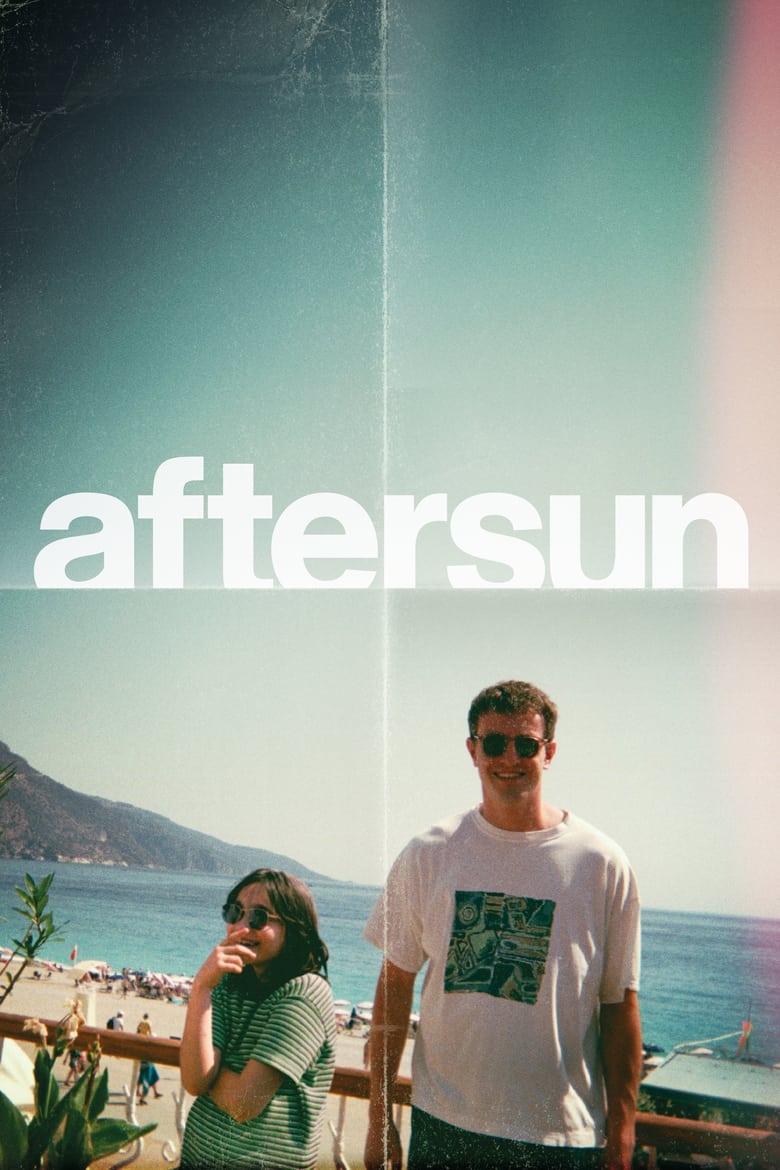
A father, a daughter, a holiday — and a grief hidden beneath memory. The ending reframes everything.

A family explores the memories of their malfunctioning android child. Quiet, beautiful, a meditation on humanity.

A family's story interwoven with the birth of the universe. Malick's magnificent, prayer-like film.
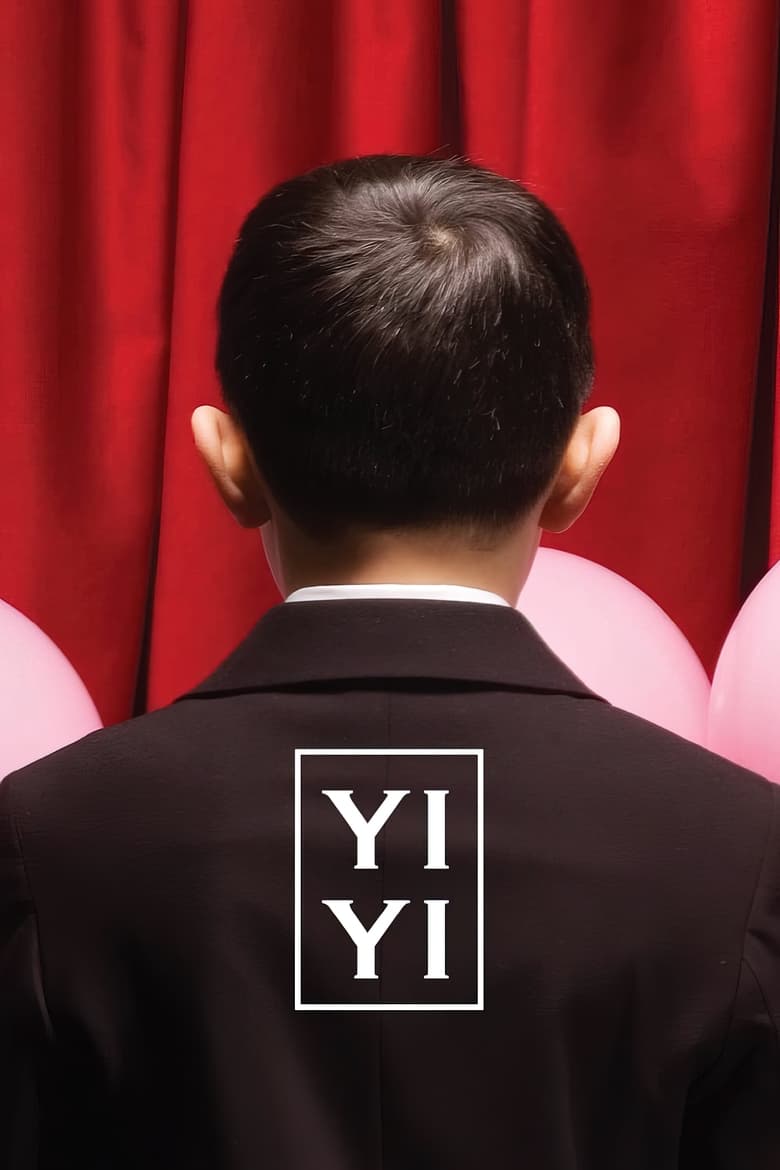
Three generations of a Taipei family's life. Edward Yang's calm, expansive, wise masterpiece.

From Sorrentino, an aging writer who's lost the meaning amid Rome's splendor. Lavish parties, a deep emptiness underneath.

A man reappears after years and journeys back to his family. Wenders' timeless, wistful masterpiece.
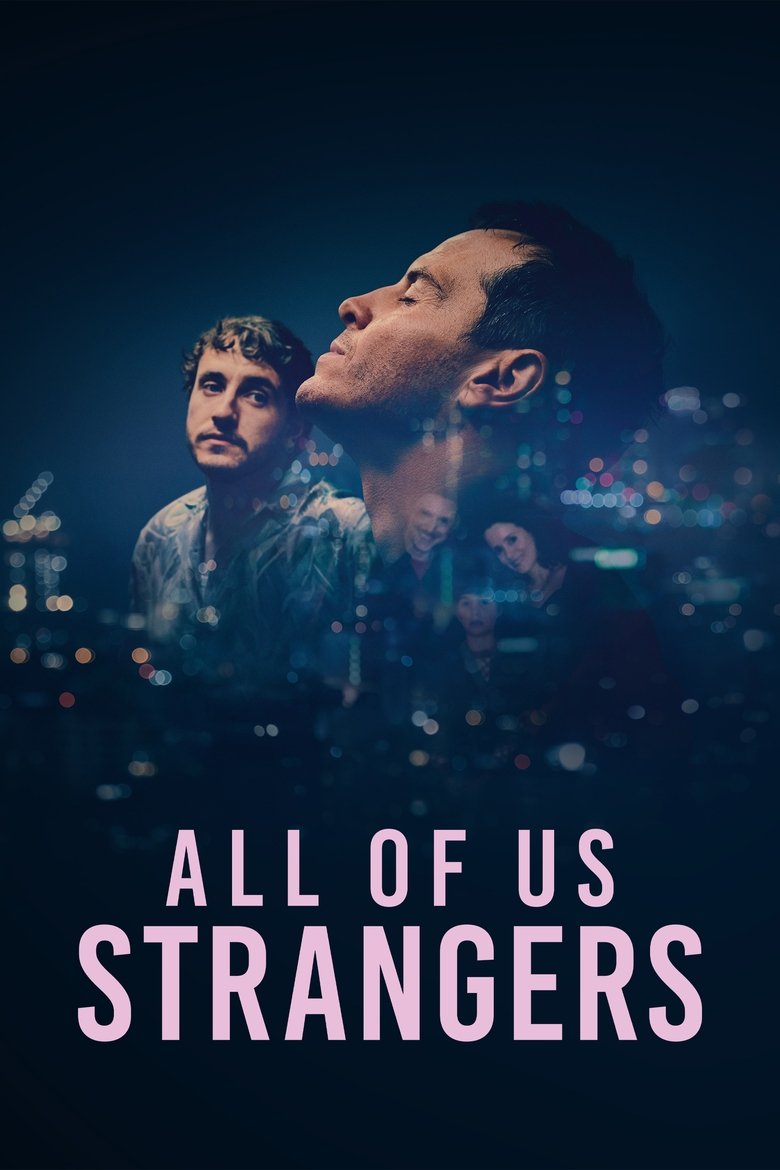
A man reunites with his dead parents. A ghost story about grief and love; the ending is devastating.

From Céline Sciamma, a delicate, magical tale of grief and childhood. Subtle, moving, beautiful.

A family's single day on the anniversary of their lost son. Calm, moving, flawless, from Kore-eda.

From Bergman, an old professor confronting his past on the drive to receive an award. A warm journey where dreams and memory blur.
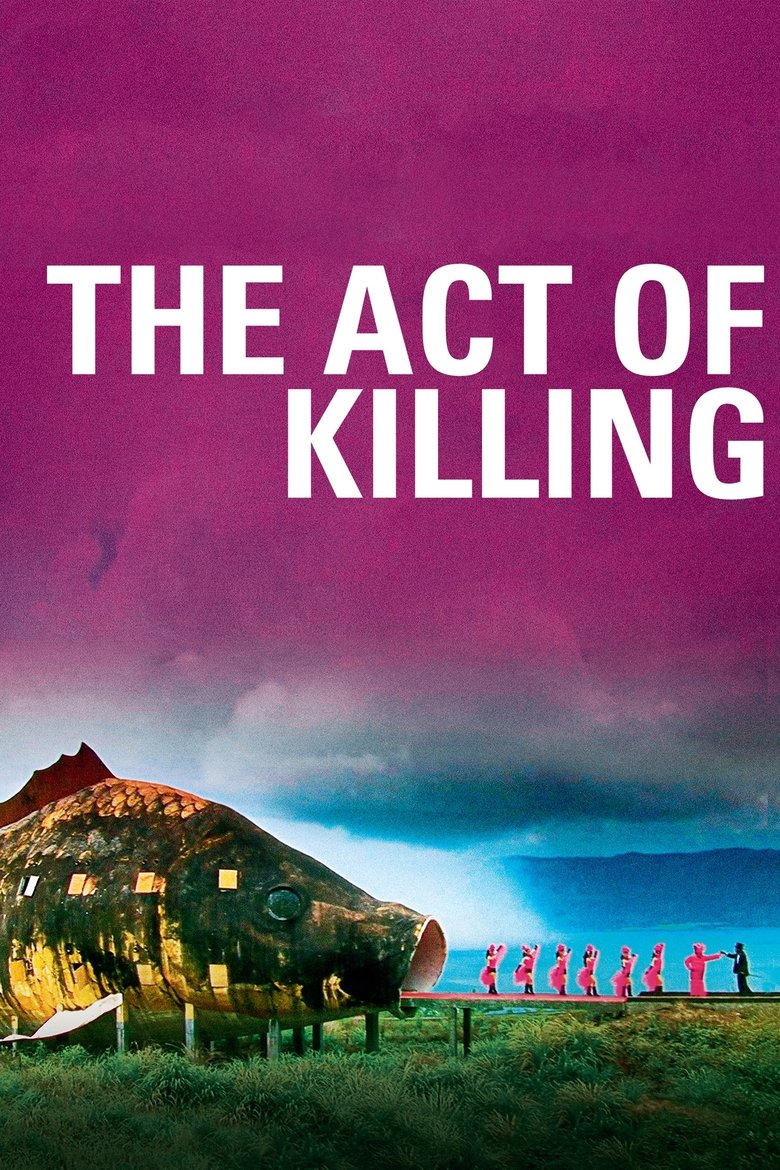
From Oppenheimer, a shattering documentary where killers reenact their own murders. Disturbing, singular, powerful.


