Tags
Neorealism

A poor widow and her children take in an abandoned donkey; justice ends up in a small courtroom. The first step of post-war Georgian neorealism.
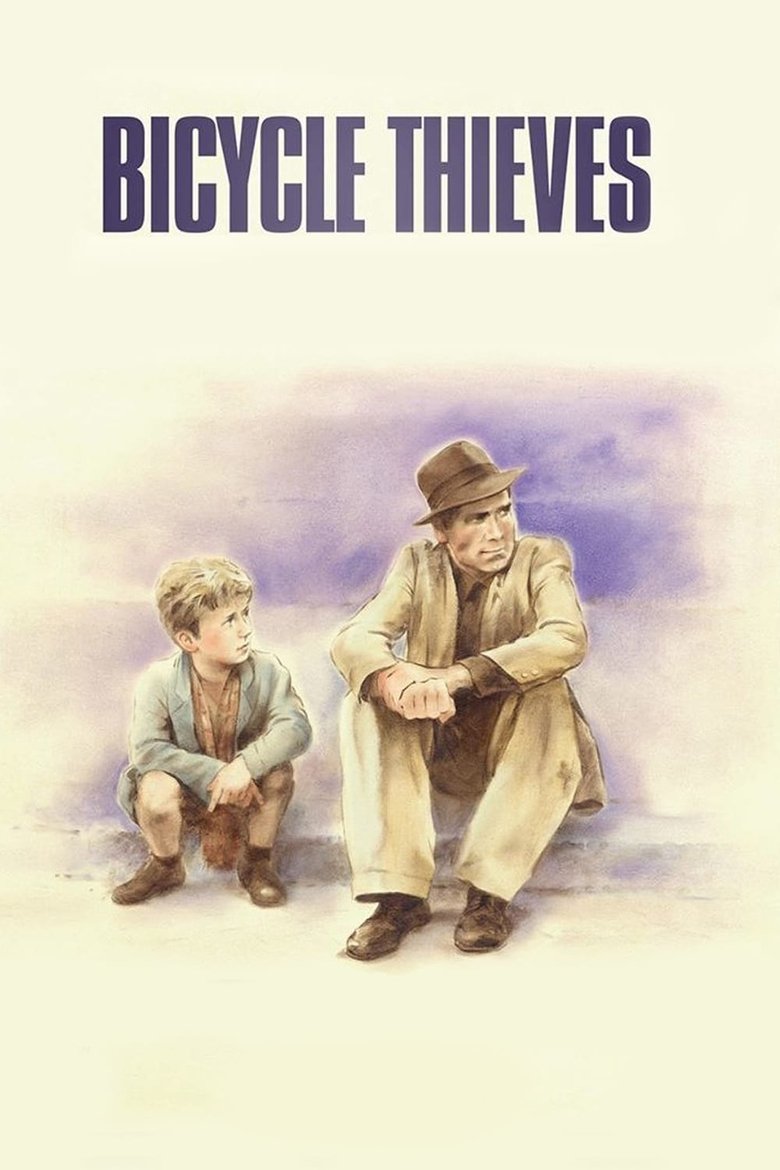
A man who needs his bicycle to keep his job searches for it, stolen, with his son. The plainest, most fragile heart of Italian neorealism.

From Rossellini, the raw, real Italian neorealist masterpiece of Nazi-occupied Rome. Harrowing, pioneering, human.

A family and a dog walking through drought. The harshest film in Brazilian cinema, where the glaring light is itself a torment.

Five stories inside one day in Rio. The beginning of Brazilian neorealism, shot in the streets with real people.

A family's poverty in Bengal and a boy seeing a train for the first time. Ray's first film opened Indian cinema to the world and is still considered its most beautiful. Ravi Shankar's score is a treasure in itself.

Apu goes to the city while his mother waits in the village. Ray films growing up as a loss; the quietest part of the trilogy.

A boy takes his friend's notebook by mistake and walks from village to village to return it. Kiarostami's simplest and most touching film.

A seven-year-old girl wants to buy a fish for the new year. Panahi's first film, in which a lost banknote becomes a child's entire world.
A twelve-year-old boy in ruined Berlin. The end of Rossellini's war trilogy; the final scene is among cinema's most painful.

Ingrid Bergman on a volcanic island, inside a life she cannot understand. Her marriage to Rossellini began with this film and became a scandal.

A retired clerk tries to keep himself and his dog off the street. De Sica films old age and shame; nobody has made begging look this hard.

Two boys, a dream of a horse and a reformatory. De Sica's first major film and postwar Italy's bitterest portrait.

De Sica turns neorealism into fairy tale: the poor fly away on brooms. The odd mixture makes the film both sweet and subversive.

Pasolini's first film. The last days of a pimp on Rome's outskirts, scored to Bach and cast with real faces from the slums.

Visconti's first film and the herald of Italian neorealism. Adapted from Cain without rights; fascist censors tried to burn the prints.

A Sicilian fishing family tries to cut out the middlemen and loses. Visconti casts real fishermen and shoots in dialect — neorealism at its purest.

Street children in Mexico City with no redemption offered. Buñuel makes neorealism merciless; Mexico tried to ban it.
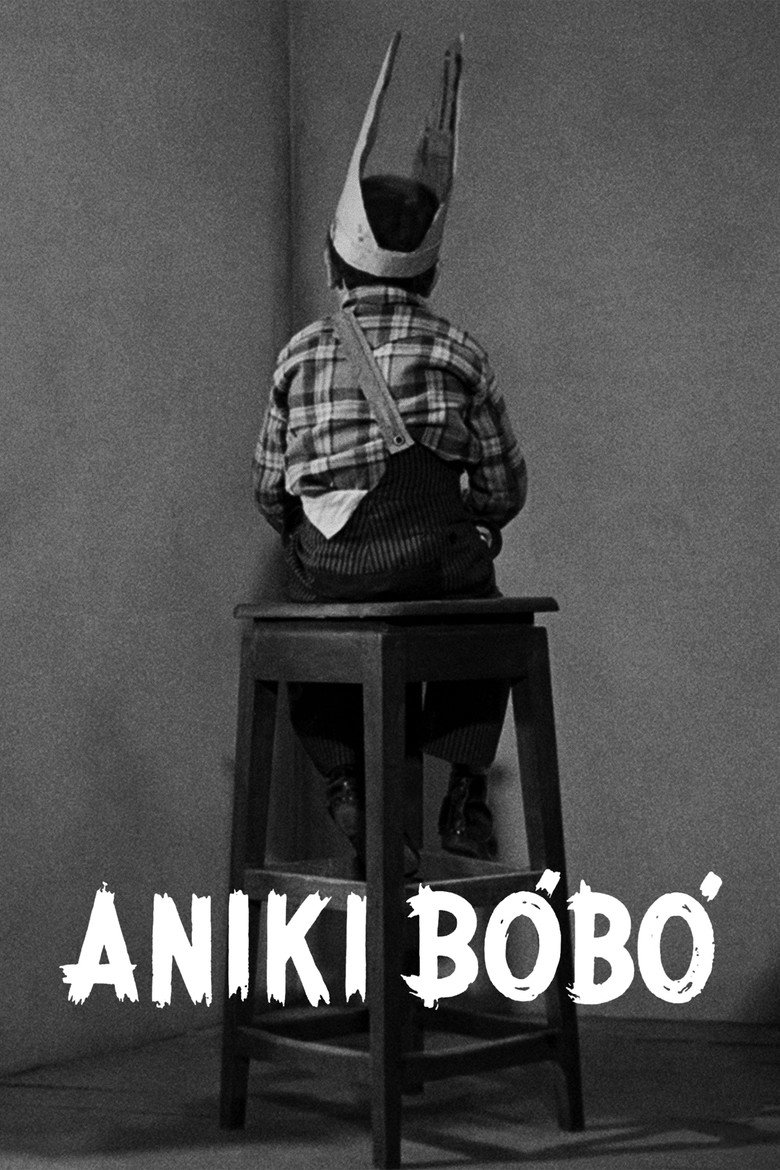
Two boys and a girl in Lisbon. Oliveira's first feature — a childhood shot in the streets years before neorealism.

A carriage driver loses his horse and sets off hunting for treasure. Yılmaz Güney's first major film as director; the start of Turkish neorealism.


