Tags
Otherness

A portrait built around a poem; instead of narrating a biography the film follows the poem's own line. Tosun does not close the gaps, leaves what is missing as missing, and runs archive and staging side by side.

From Matsumoto, an experimental, bold, provocative portrait of the Tokyo underground. Singular, pioneering.

A cleaning woman in her sixties and a young Moroccan worker. Fassbinder tells racism and loneliness in the language of Sirk melodrama.

A young man found in Nuremberg in 1828 who has never seen another human. Herzog cast a man who had genuinely spent years in institutions.

A man just out of prison and a woman with cerebral palsy. Society treats both as monsters; Lee Chang-dong films them as people.

A cleaning woman and the creature in the laboratory. Del Toro's monsters always deserve love; this one won him the Oscar.
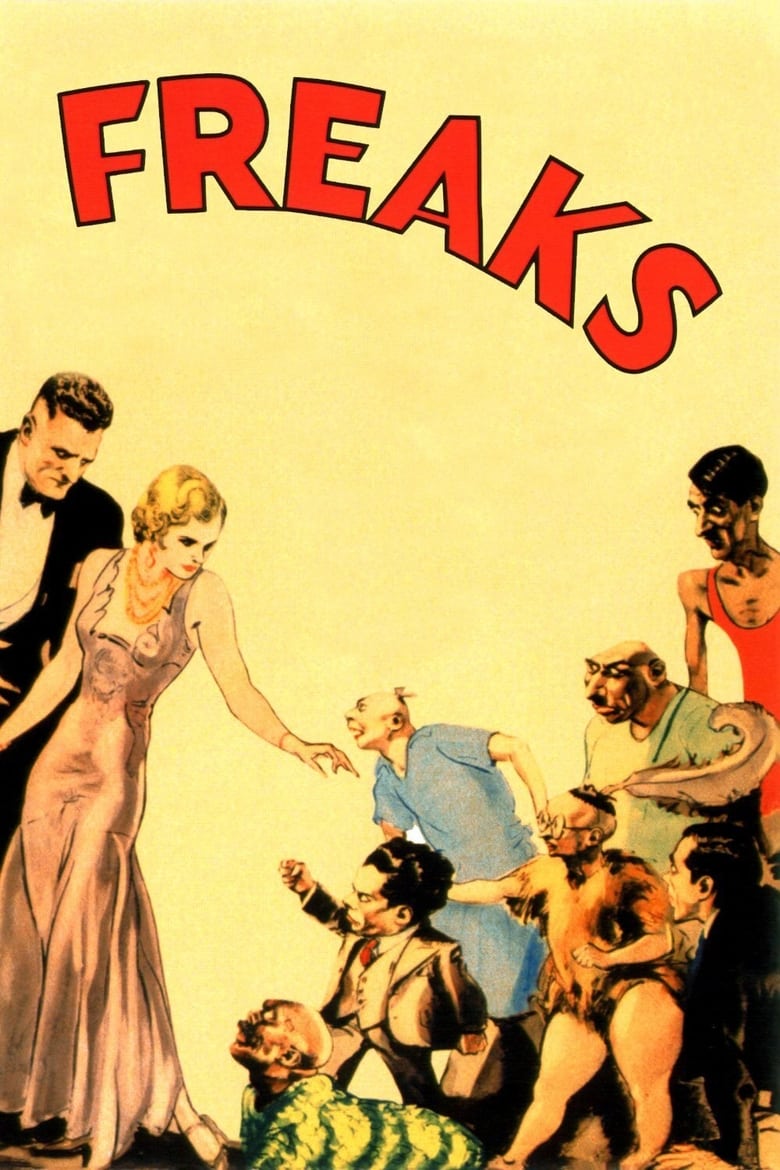
Browning casts real sideshow performers and forces the audience to ask who the monster is. It was banned for thirty years.
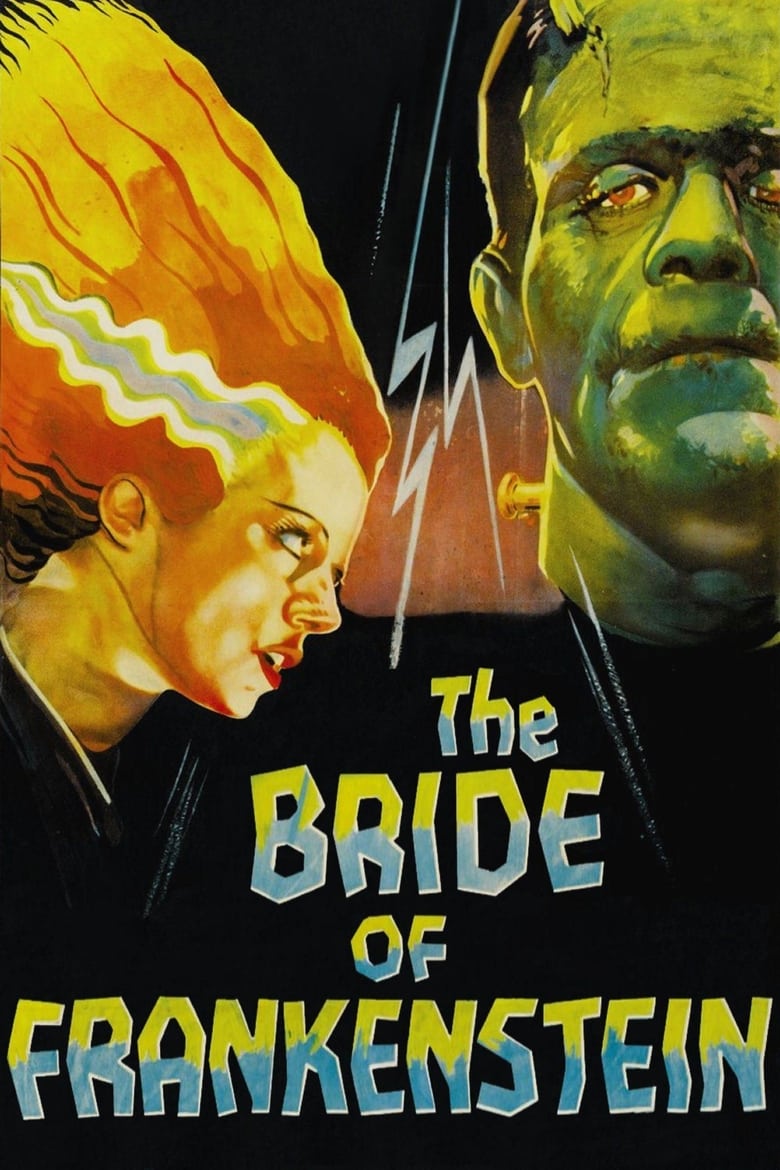
Karloff's monster never speaks yet says everything. The lakeside scene with the little girl was censored; today it's considered the film's heart.
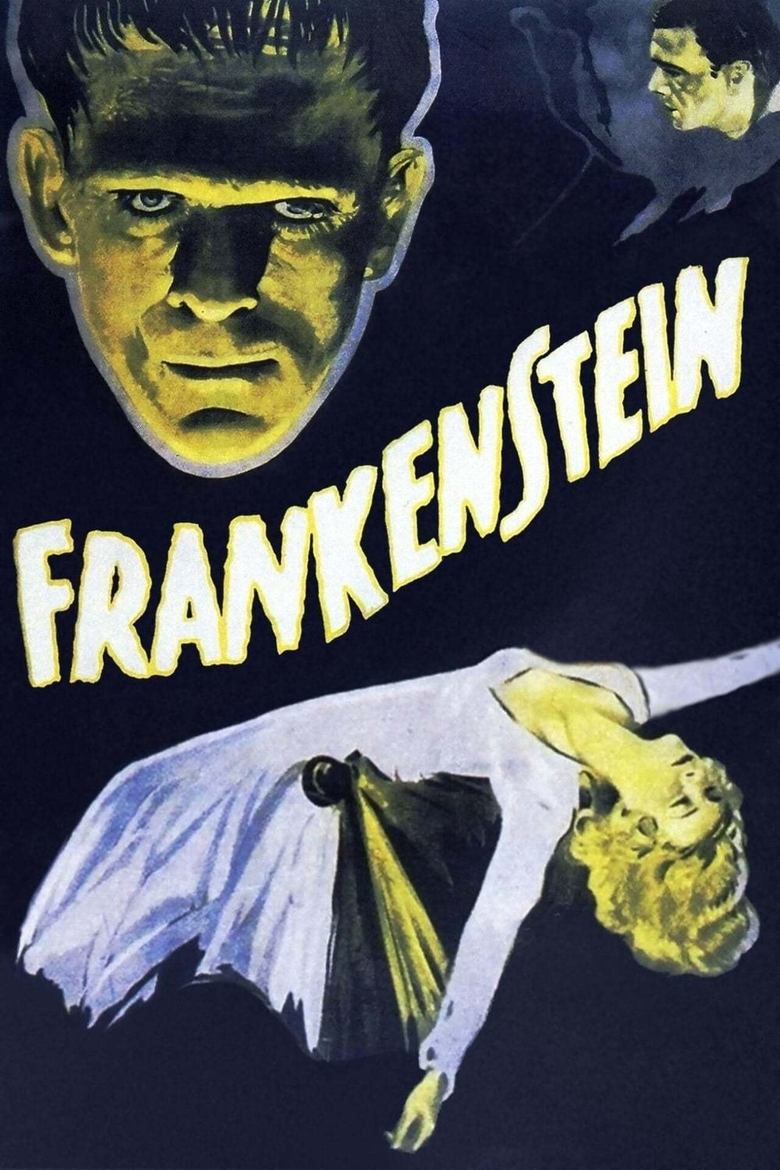
The sequel surpasses the original — Whale gives the monster a mate, a heart and a tragedy. Elsa Lanchester's hiss became an icon.
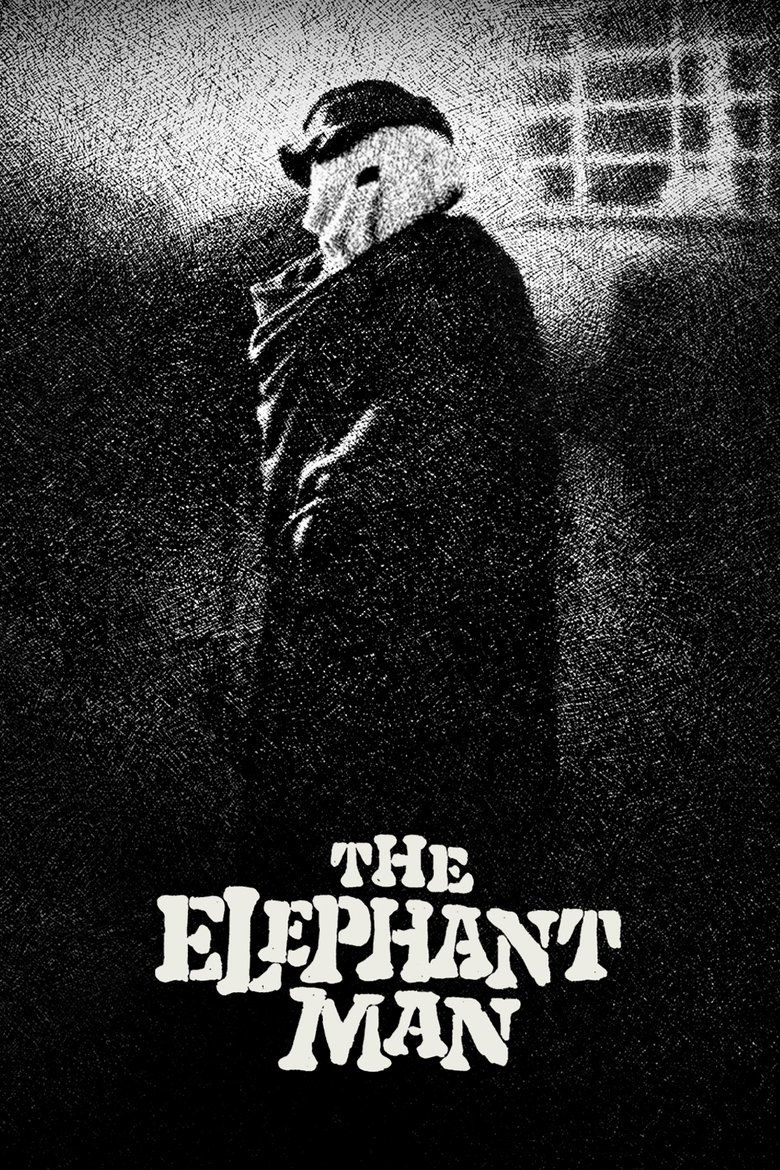
Lynch's warmest film. John Merrick's story is built on dignity rather than pity, and the black-and-white photography protects it.

A boy with scissors for hands in a pastel suburb. Burton's fairy tale about his own childhood; Depp's most touching performance.

A customs officer who can smell guilt meets someone like herself. A film that changes genre midway.

A retired teacher comes to Istanbul to look for the trans niece she lost. The city holds the search as well.

Seven-year-old Ludovic knows herself to be a girl; the neighbourhood turns that from a family matter into a communal one.

A Thai fisherman rescues a mute stranger and names him Thongchai; when the fisherman vanishes at sea, the stranger slowly takes over his life, in a poetic allegory of identity.


