Tags
Prejudice

The moment of coming out is already behind them; the film is about the years after, and the bargaining these parents do with their own surroundings. Candan keeps the camera still and lets the talk run, because the subject is not what gets said but the process of learning to say it.
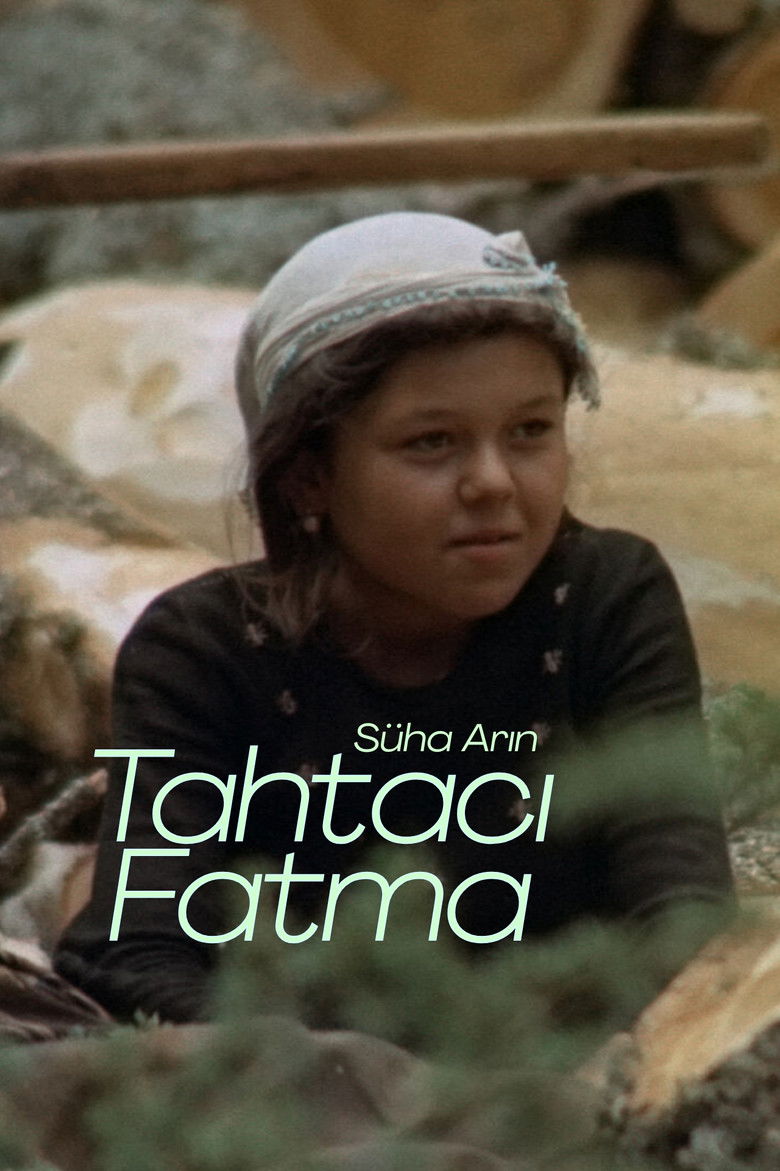
A twelve-year-old girl describes her work, her family's situation and the way people look at her, with the camera kept at her level. Arın treats the child as a witness rather than an example of victimhood, so what she says informs rather than solicits pity.
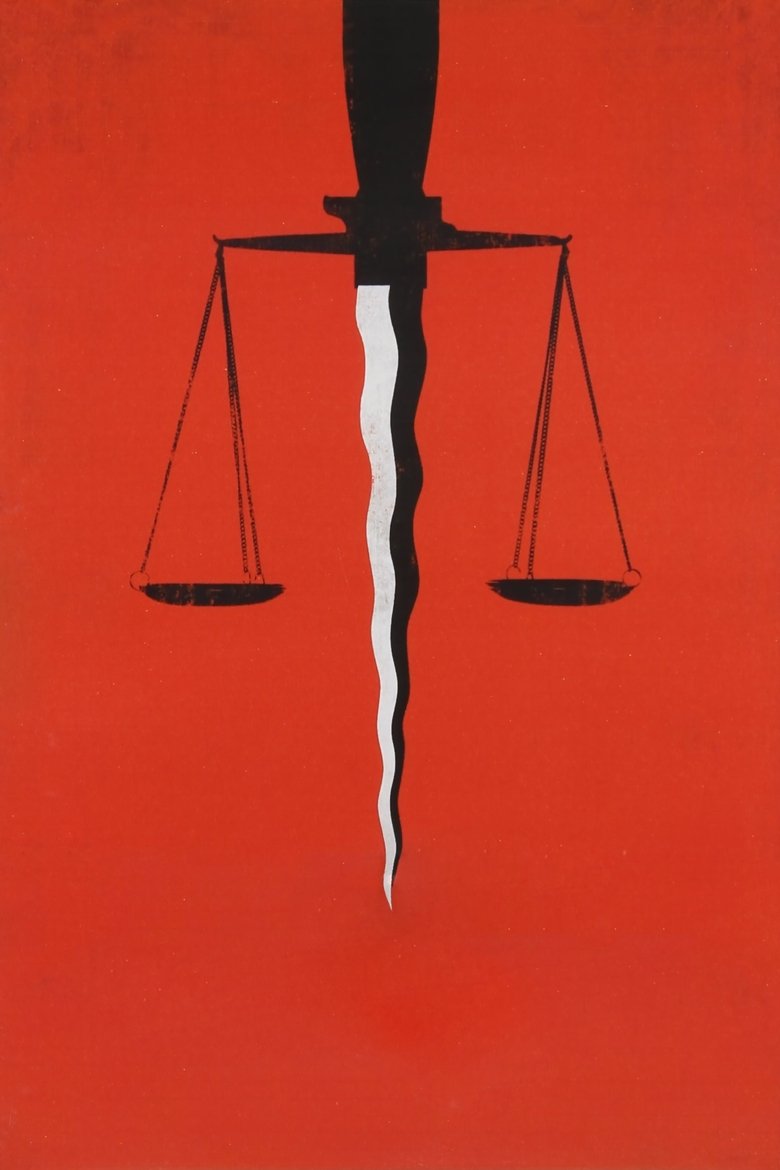
A jury room, twelve men, a boy's life. Around a single table, Lumet stages one of cinema's most gripping arguments.
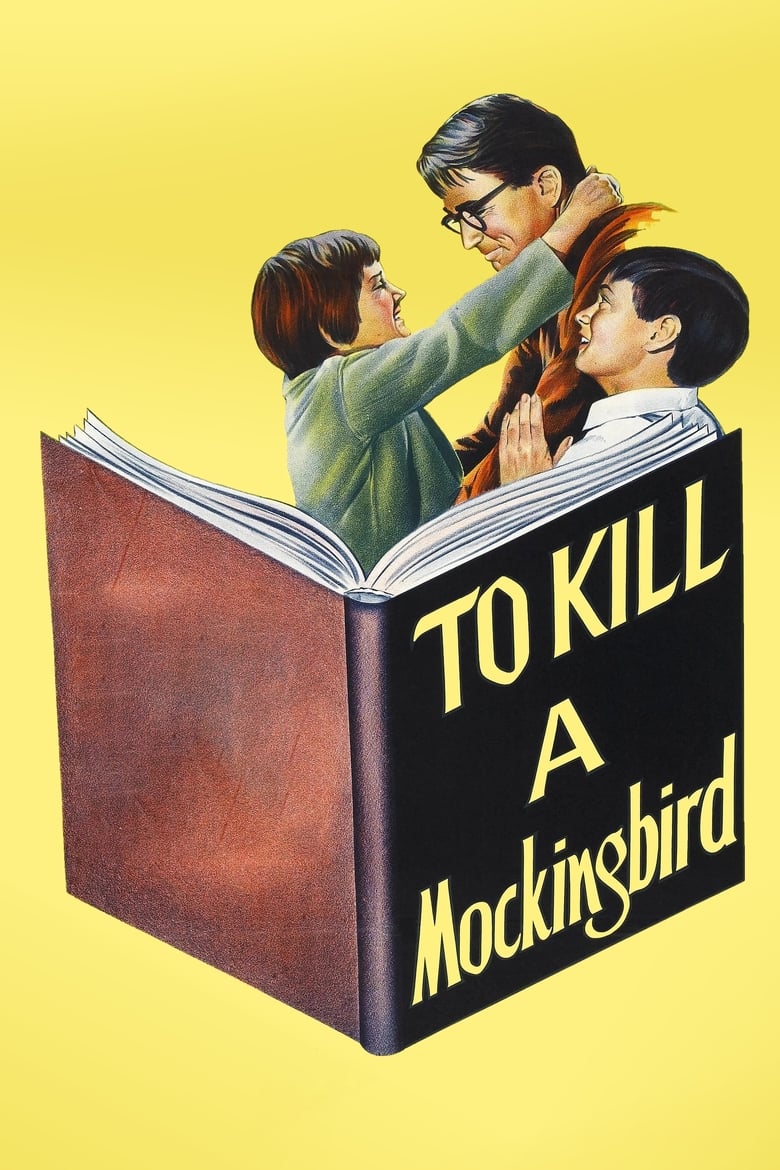
A lawyer father defends an innocent man in a racist town — seen through his children's eyes. Gregory Peck's steady voice became cinema's moral compass.
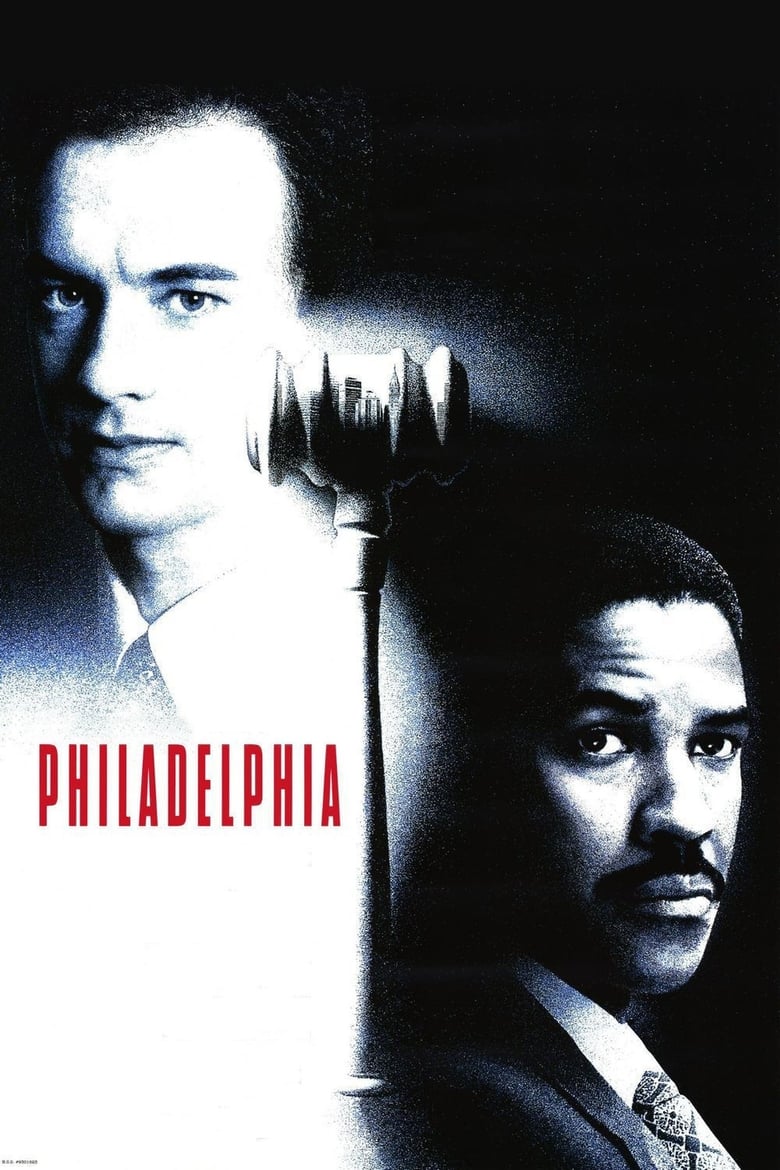
A lawyer fired because of his illness goes to court to prove he was discriminated against. Demme gives prejudice a human face — and Hanks's voice.

A grouchy old veteran forms an unexpected bond with his immigrant neighbors. It shows how prejudice can dissolve, wielding toughness and tenderness at once.
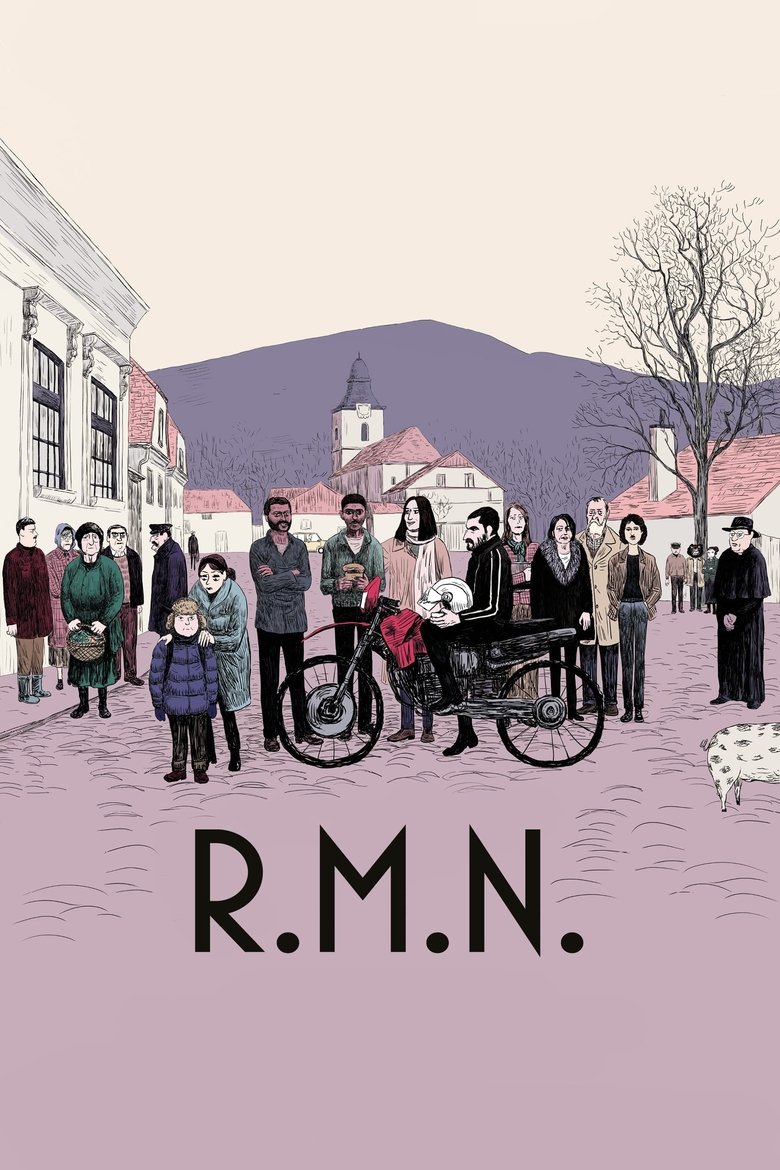
Foreign workers arrive in a village and rage erupts. Mungiu lays European racism bare in a seventeen-minute single-take village meeting.
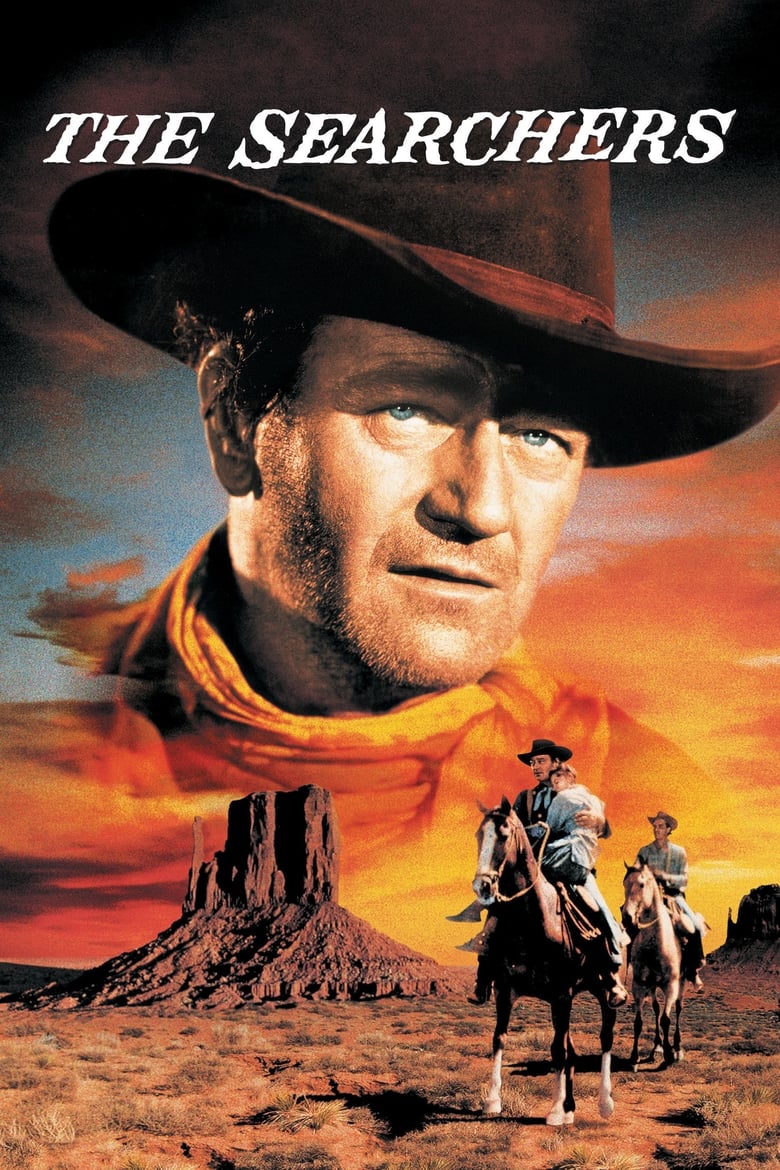
Ford and Wayne's darkest collaboration. Ethan Edwards isn't a hero but racism embodied — and the closing doorway is one of cinema's most famous shots.

The film in which Ford dismantles his own western myth. "When the legend becomes fact, print the legend" — American cinema's most honest confession.
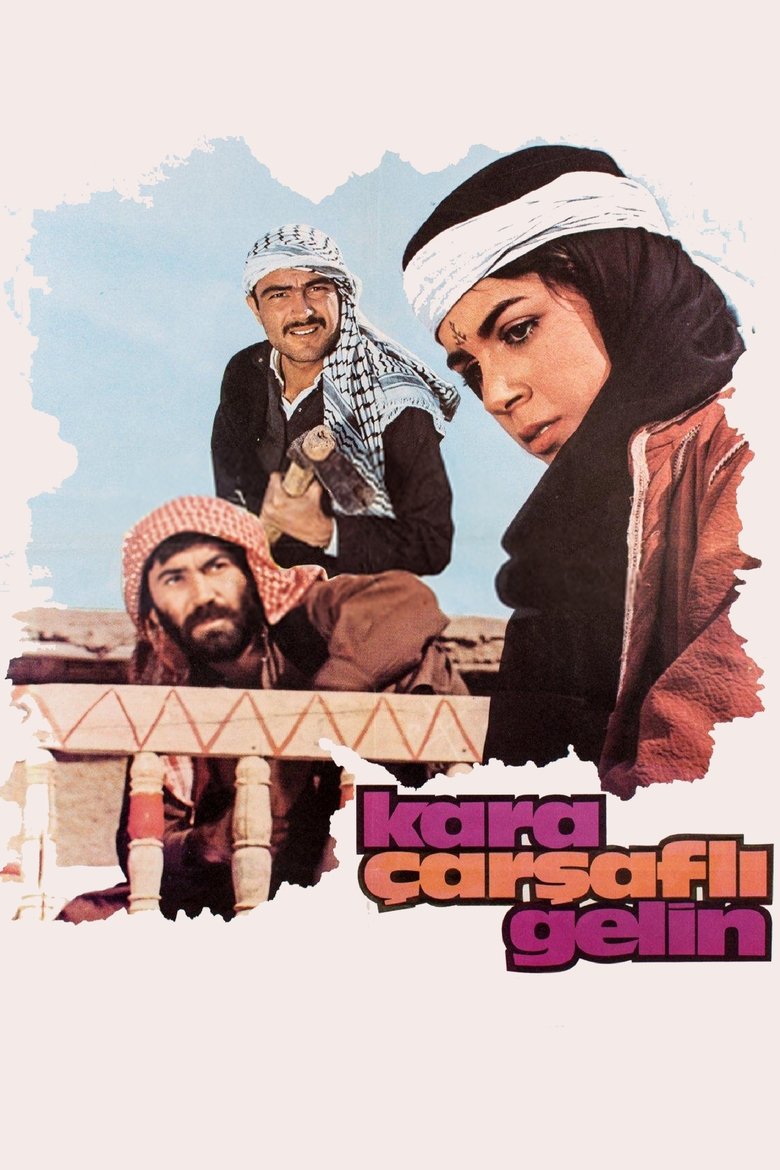
A young woman handed over as blood money to the family her father wronged. The censors stopped it; a court let it through.

The 1942 wealth tax and the ruin of non-Muslim families. A period Turkey long declined to discuss.
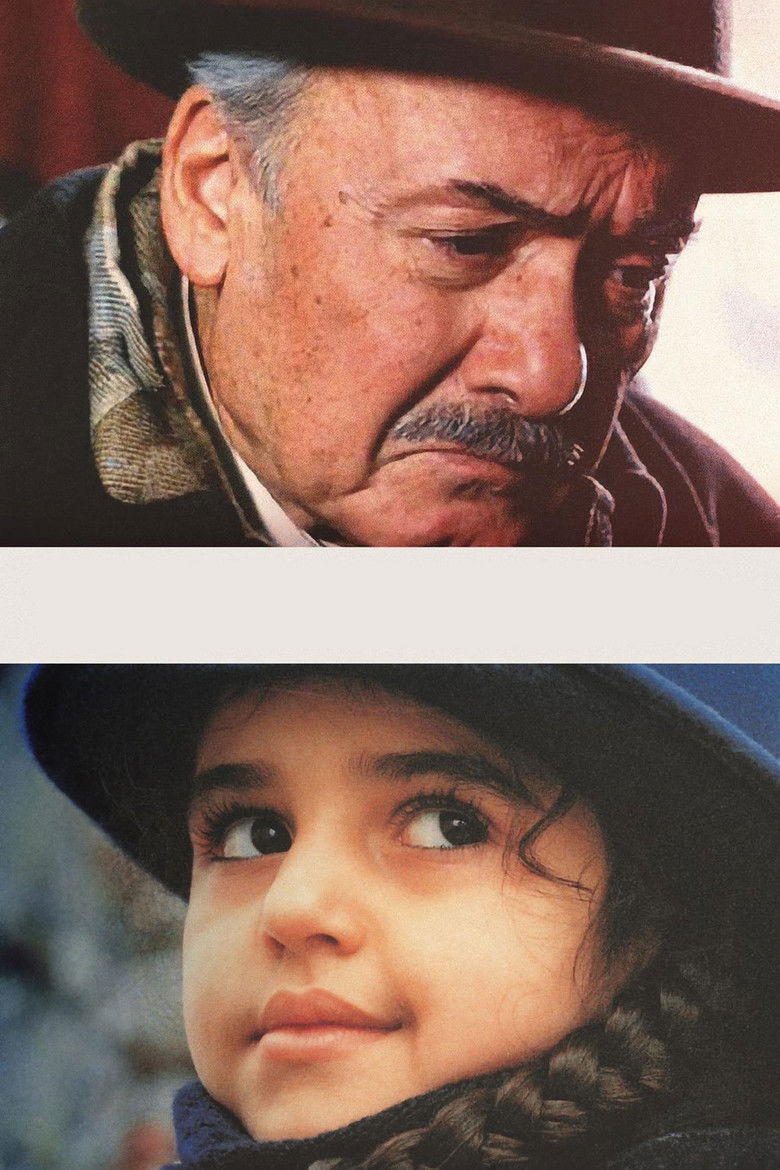
A retired judge and a small Kurdish-speaking girl under one roof. The film was banned for a time.

At a boarding school in the east, a boy tries to get his sick friend to a doctor. One door after another closes.

Emine, an engineer on an Istanbul building site, and Ayşe, eight years old in Muş; they have never met. Their paths cross inside a conflict neither chose.

In a coastal town, a psychiatrist and a young bride living with her mother-in-law. Each carries what she cannot say.

After a murder, the solitary man the neighbourhood dislikes becomes the target of the crowd.
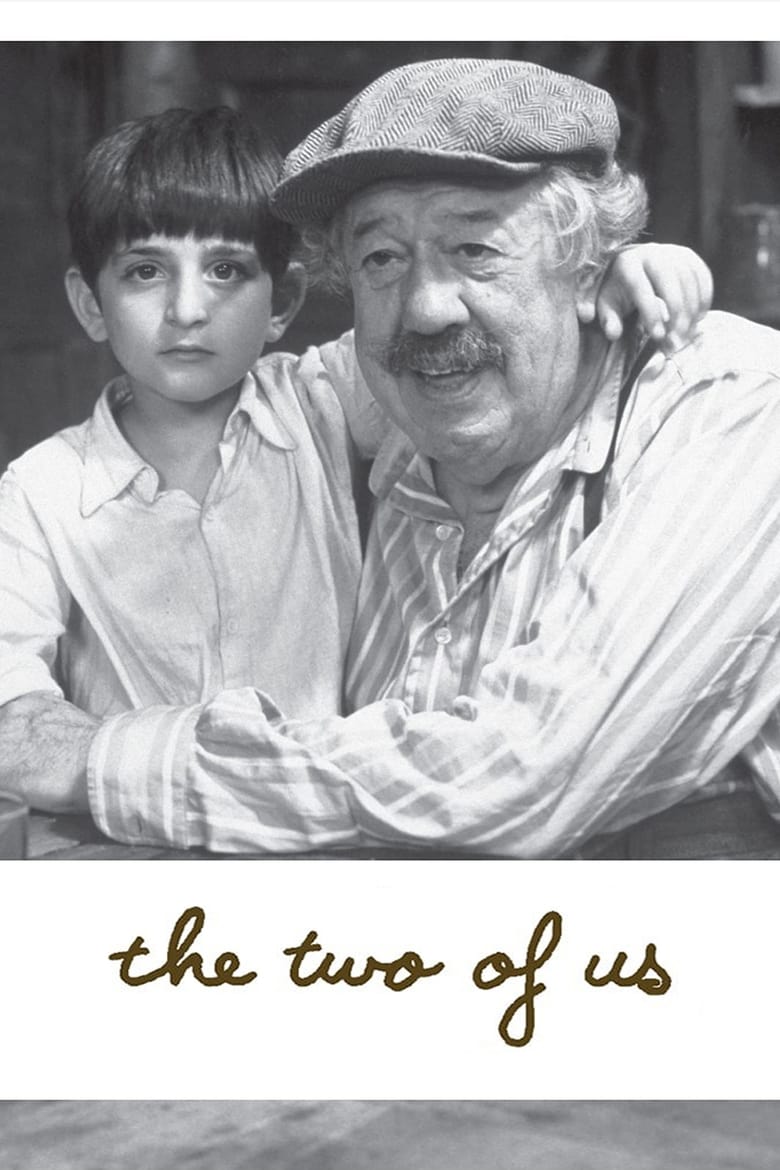
A Jewish boy sent to the countryside during the Second World War lives in the house of an antisemitic old man.

Seven-year-old Ludovic knows herself to be a girl; the neighbourhood turns that from a family matter into a communal one.

After the fall of Saigon, children fathered by American soldiers are confined to a camp; a few of them try to escape into the forest.

In Vienna in 1937 the affair between an actress and a Jewish writer stops being a private matter as the city moves toward the Anschluss.