Tags
Rural

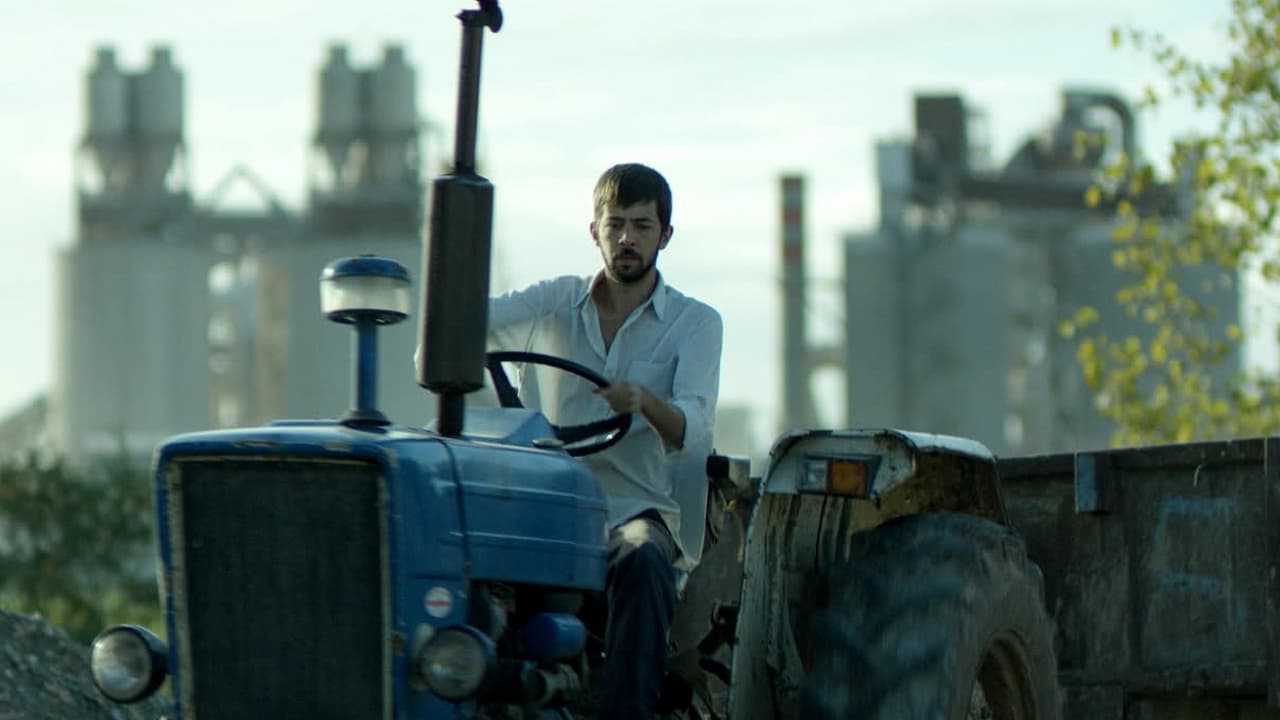
On a plot of land hemmed in by factories, the old way of farming is being kept alive. Reyhan does not frame this as a generational clash; he shows a mode of production dying and taking its people with it. The heat is part of the argument: nobody shouts, everyone tires, and decisions are made inside that exhaustion.

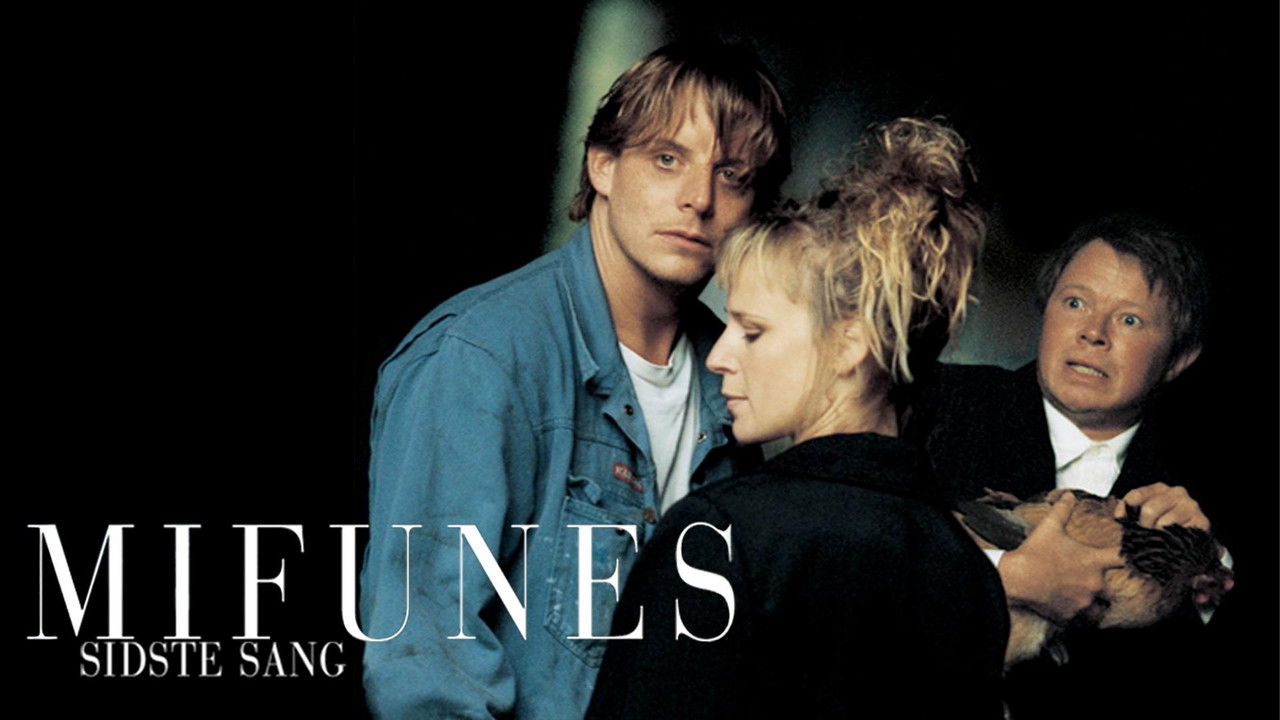
A newly married man returns to the country when his father dies and finds the brother kept hidden there; the third Dogme film.

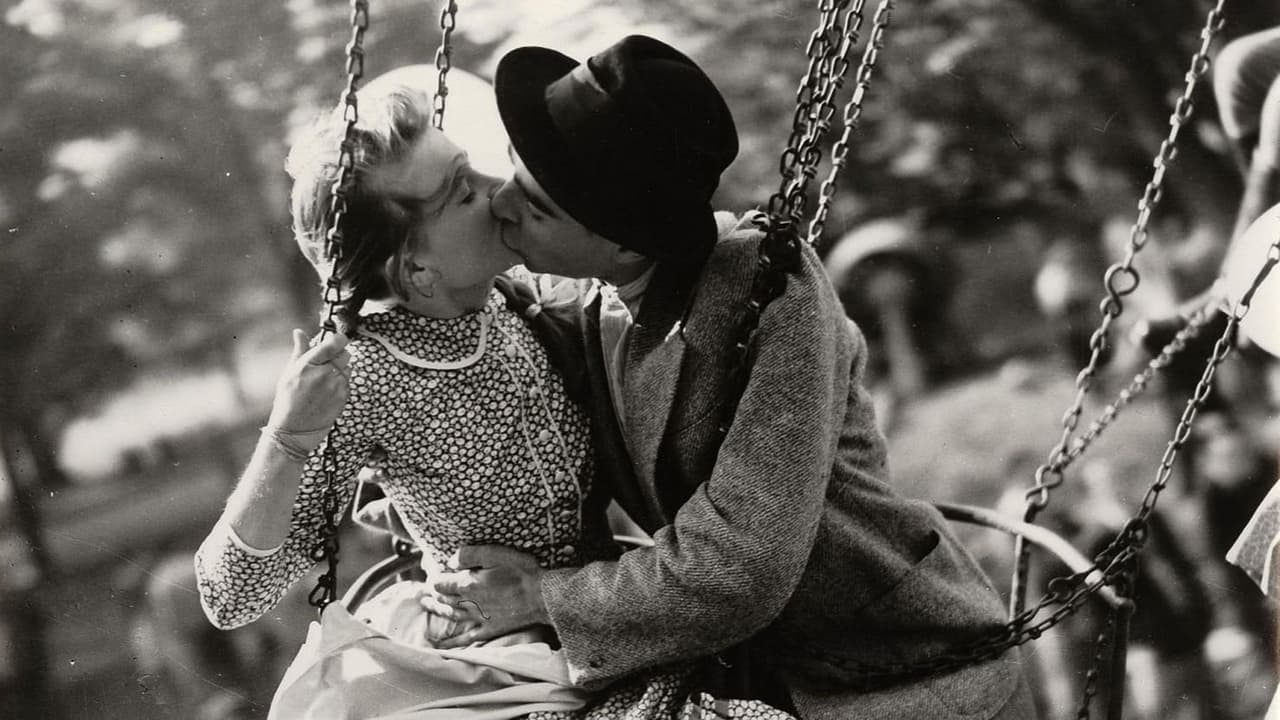
The carousel scene at the village fair is one of the best-known moments in Hungarian cinema. Both leaving and staying happen there.

Two people of rank must live together in a village, and the distance between them is the whole event. Nobody is happy and nobody leaves.
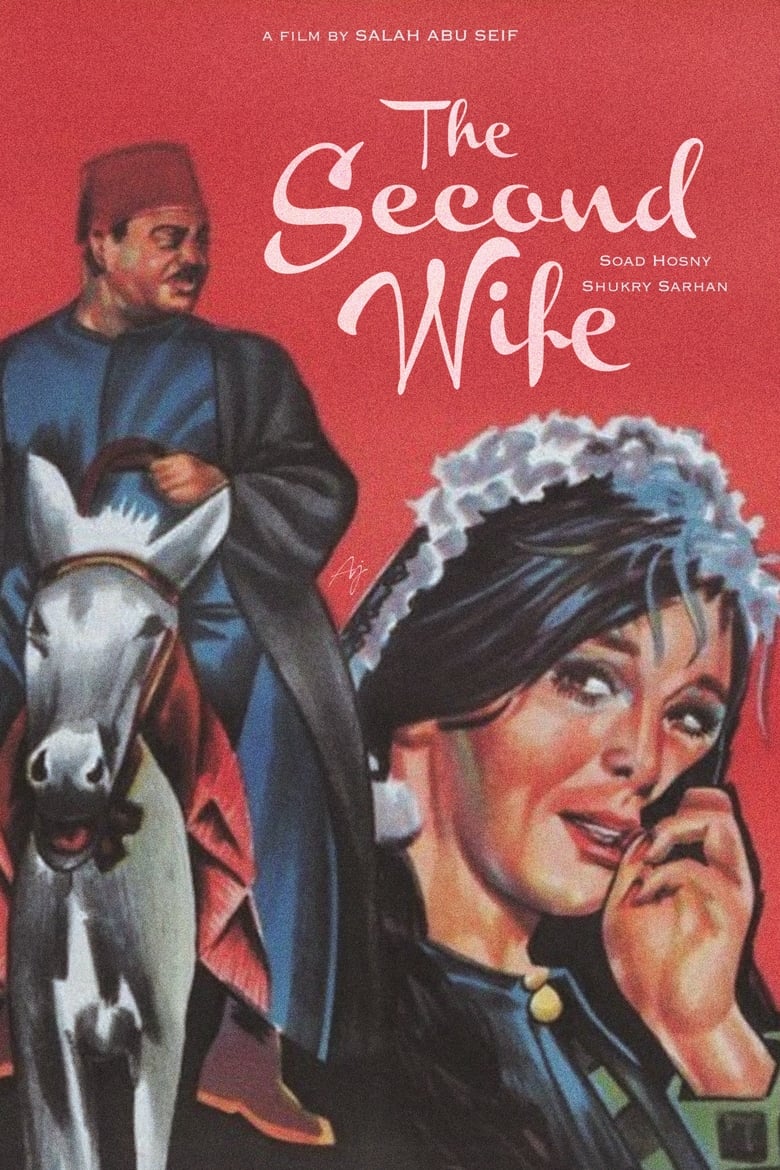
A tyrannical village mayor forces a poor peasant to divorce his wife so he can claim her, but she proves craftier than he imagined. Salah Abu Seif spins a sly parable of power and peasant cunning.

After a family tragedy born of betrayed honor, young Amna enters the household of the engineer she blames, nursing a plan for revenge. Henry Barakat adapts Taha Hussein into a lyrical study of vengeance and forbidden love.
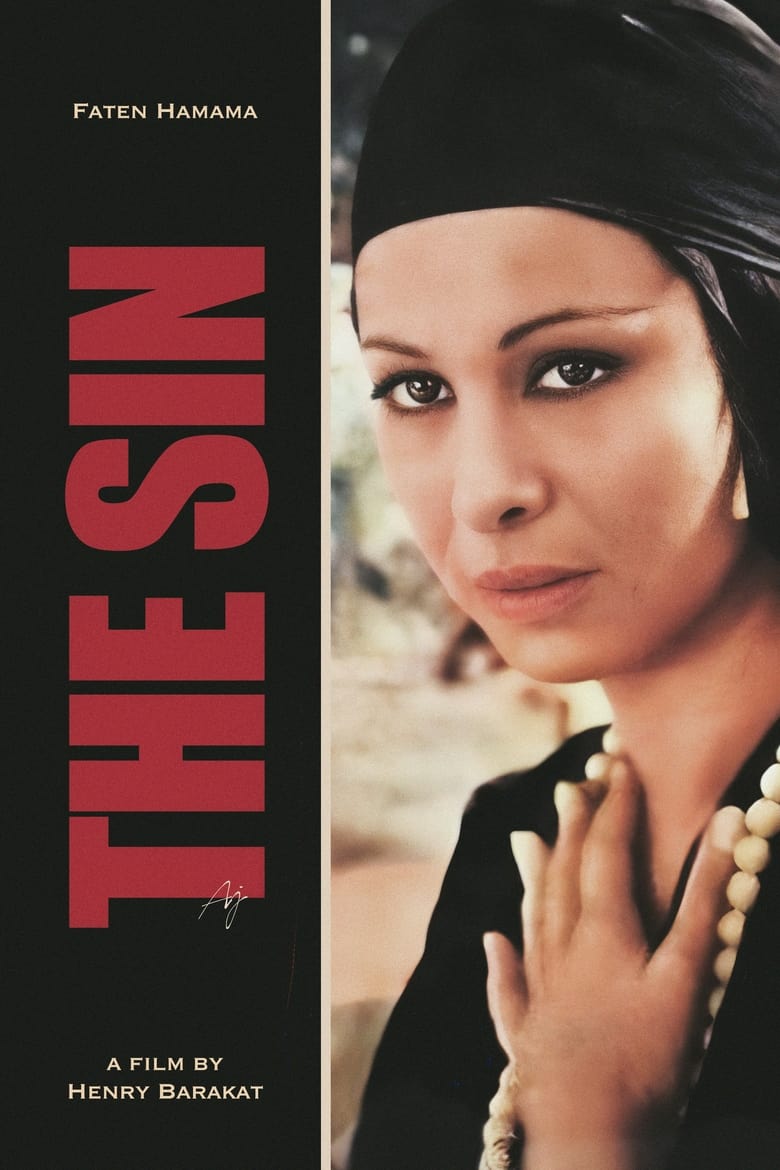
Among migrant field laborers, Aziza hides a pregnancy forced upon her by violence, dreading the shame her secret will bring. Henry Barakat, adapting Yusuf Idris, turns one woman's ordeal into an unflinching indictment of poverty.
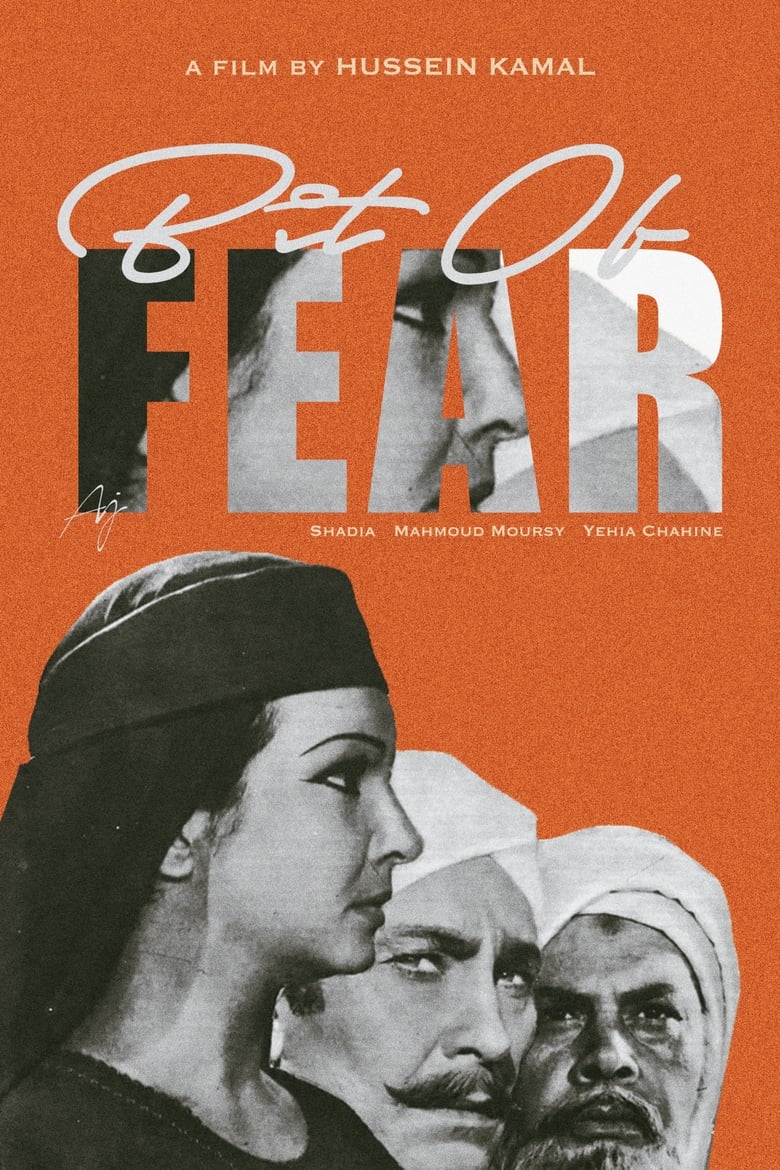
In a rural Egyptian village, a tyrant's reign is shaken when Fu'ada, the woman he desires, dares an open act of defiance that awakens the people.
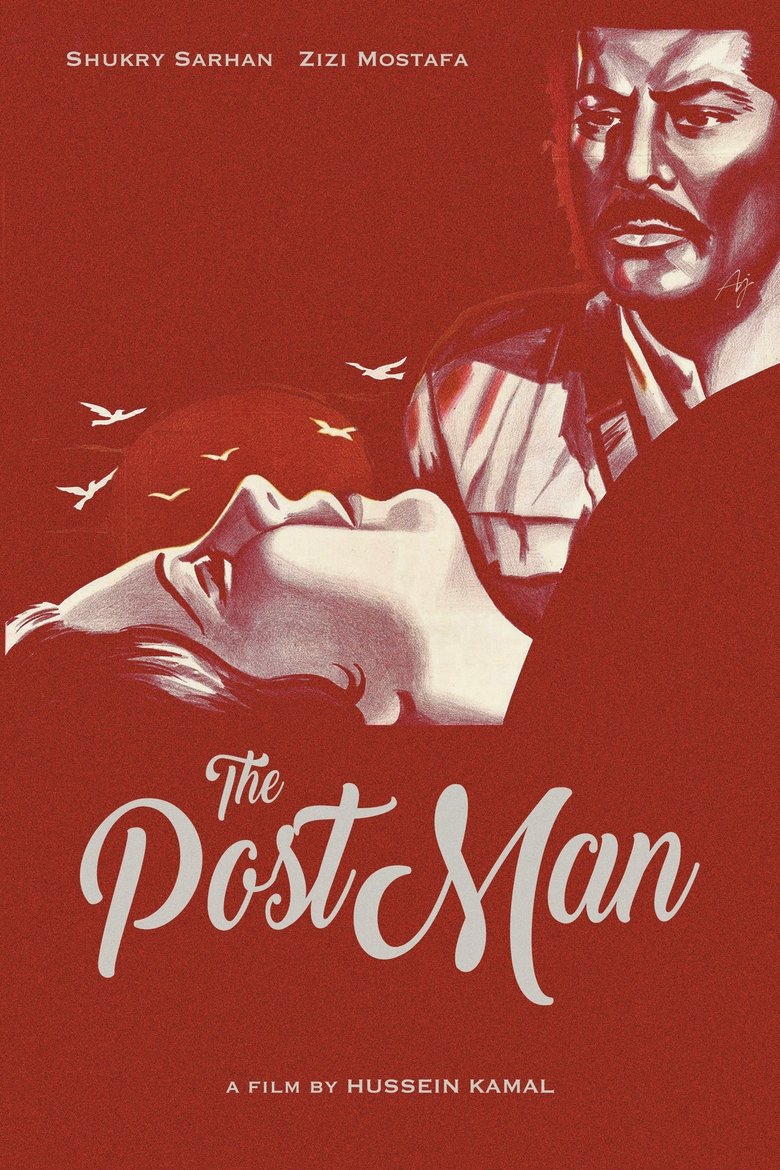
A Cairo clerk posted to a remote Upper Egyptian village lets his curiosity about other people's letters draw him toward quiet catastrophe.

As World War II rages, a French colonial rice requisition drives a Diola village into resistance, its women organising the men to sit and pray beneath a sacred tree.

In a Senegalese village, a strikingly beautiful fourteen-year-old of marriageable age falls in love with a poor student, though she was promised at birth to a man who left to work in France.

The story of a Serer village in Senegal's groundnut basin, weaving ethnographic observation, everyday village life and fictionalised history to trace, through ancestral oral lore, the community's past and its struggle to live off the land.


A quiet, observational look at a single day in a rural Chilean family as it grapples with the new values of a fast-changing world.

With his brother in prison, a village man is left to care for his pregnant sister-in-law. A plainspoken rural drama from a founder of the Kazakh New Wave.
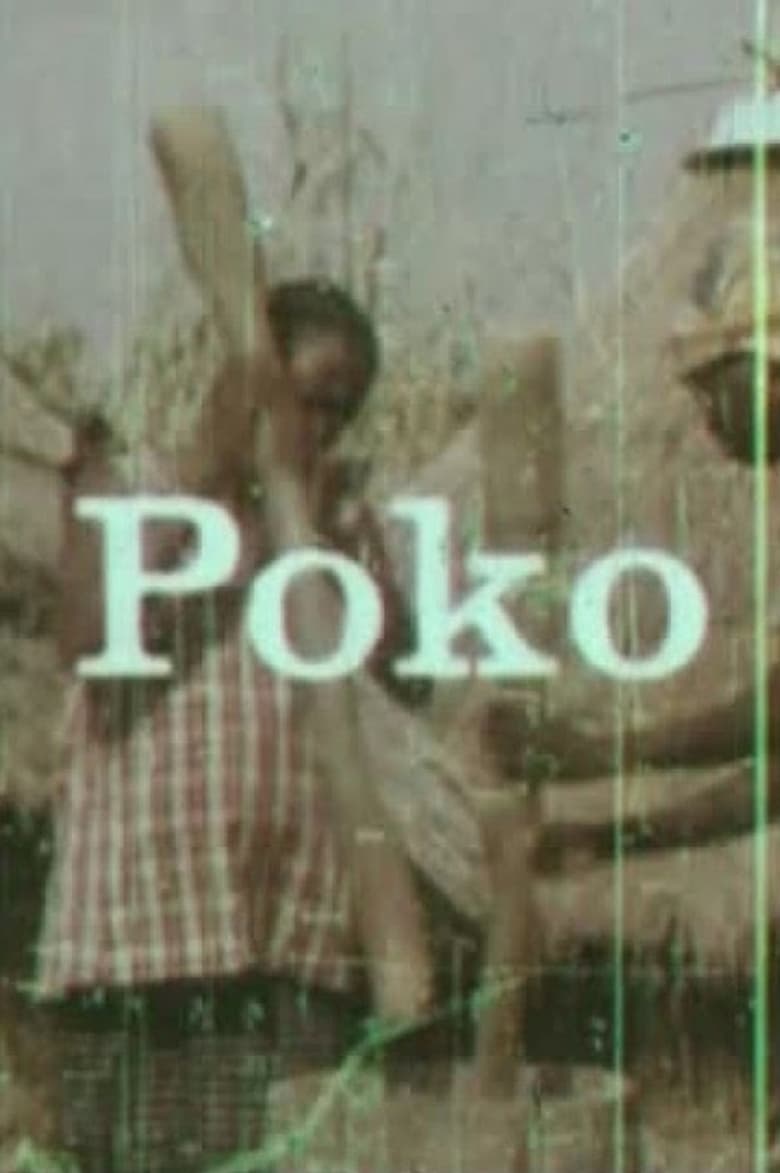
A young couple await their first child when Poko's pregnancy goes wrong; with the village midwife helpless, the council decides to send her to town. In his first short, Ouédraogo tells of rural maternal death in a plain, unsparing realism.
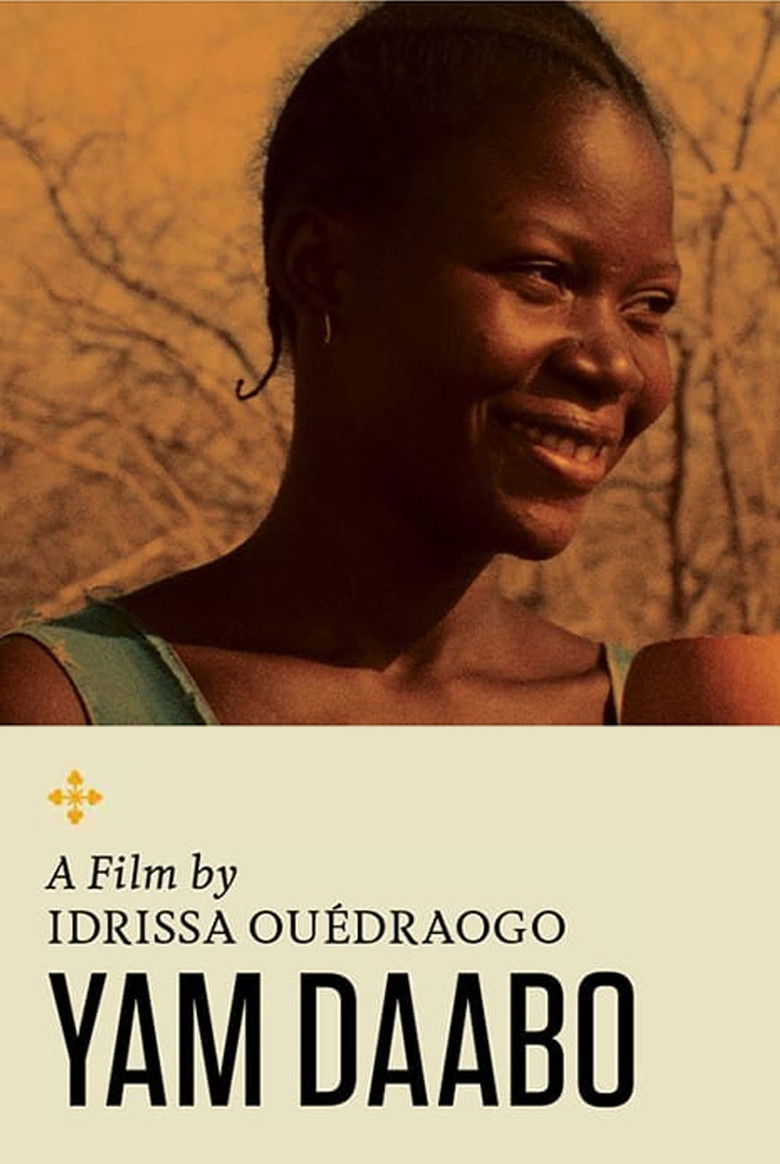
As famine grips the Sahel village of Gourga, its people face a choice: stay and await aid or leave for more fertile land. In his first feature Ouédraogo turns the decision to survive into a dignified walk across a parched landscape.

With his father presumed dead, Karim is crushed under a harsh uncle who has taken over the house by custom, until he befriends Sala, a girl from a wealthy family. Ouédraogo tells a child's rescue through solidarity in a warm, plain fable.
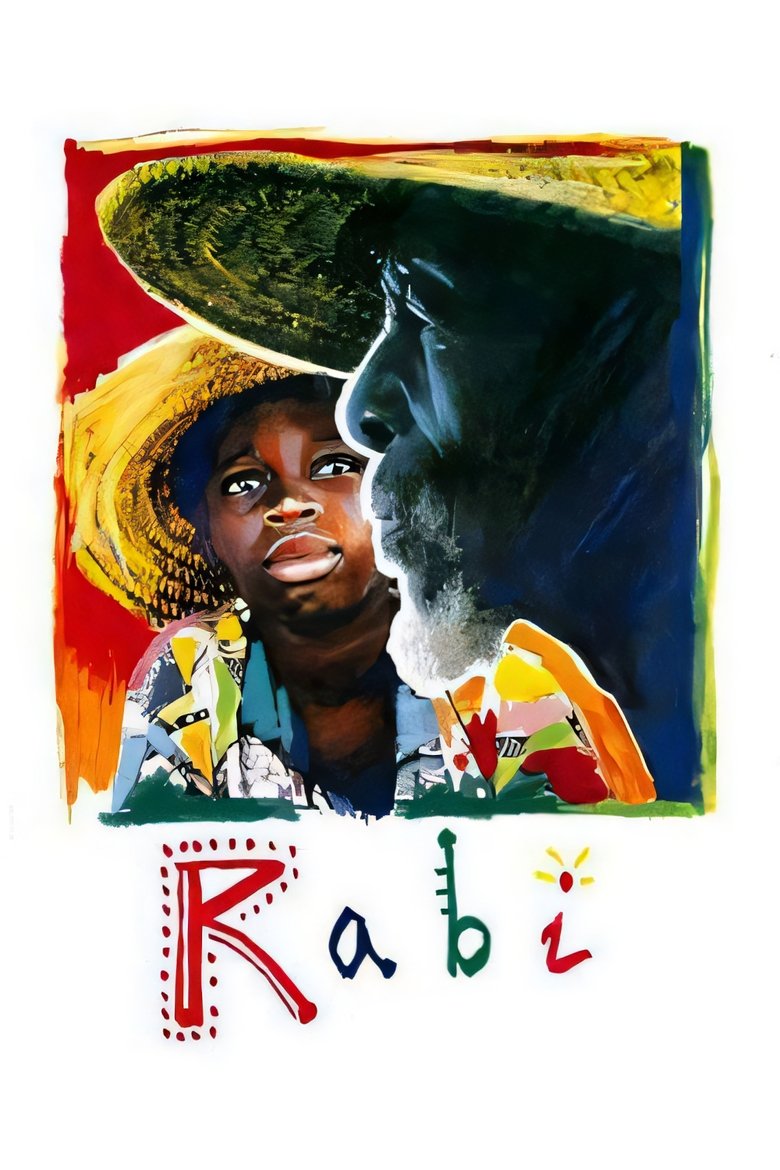
Twelve-year-old Rabi, captivated by a tortoise, neglects his father's forge; his grandfather Pusga opens the boy's eyes to nature's visible and invisible ways. Kaboré tells of liberty, responsibility and respect for life in a gentle, tender childhood fable.