Tags
screwball comedy

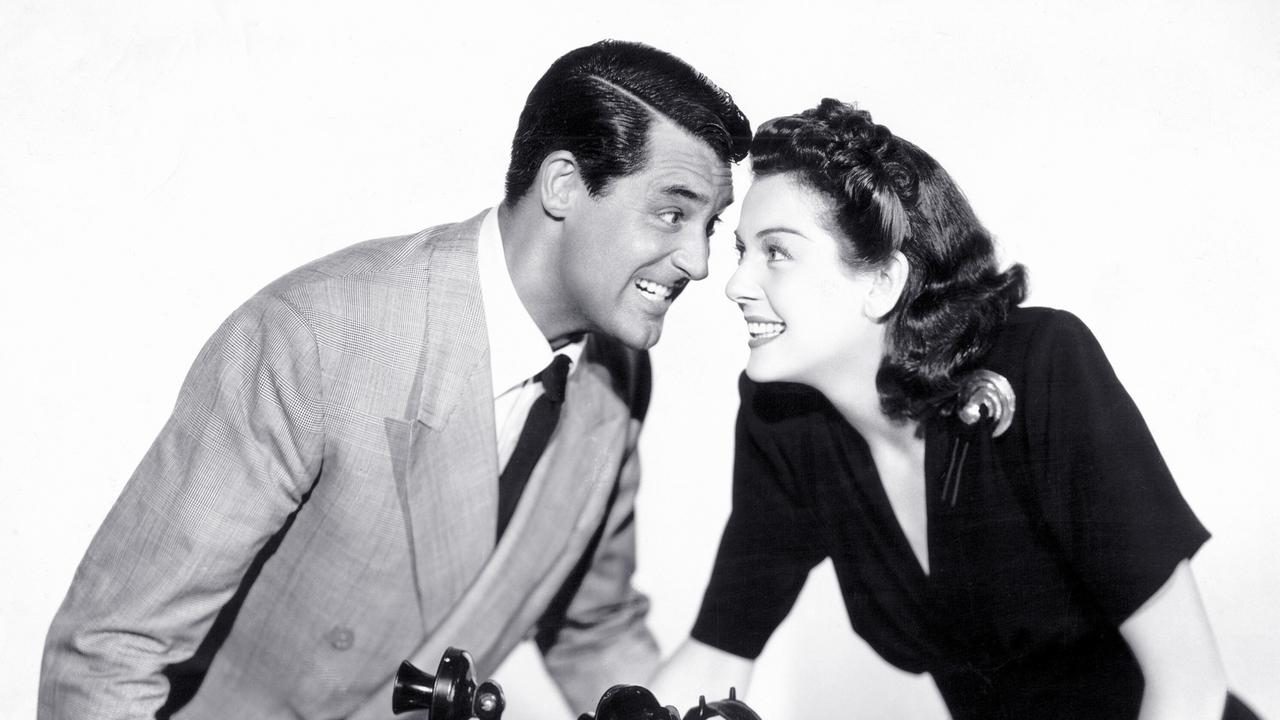
An editor uses an execution to stop his ex-wife from quitting. The fastest dialogue in cinema lives here.

A palaeontologist, an heiress and a leopard. Hawks's pace is so fast the lines overlap — the summit of screwball.

Two musicians witness a mob killing and flee in drag. Comedy's greatest closing line lives here.

A runaway heiress and an unemployed reporter share a bus. The film that invented screwball — and the first to sweep the Oscars.
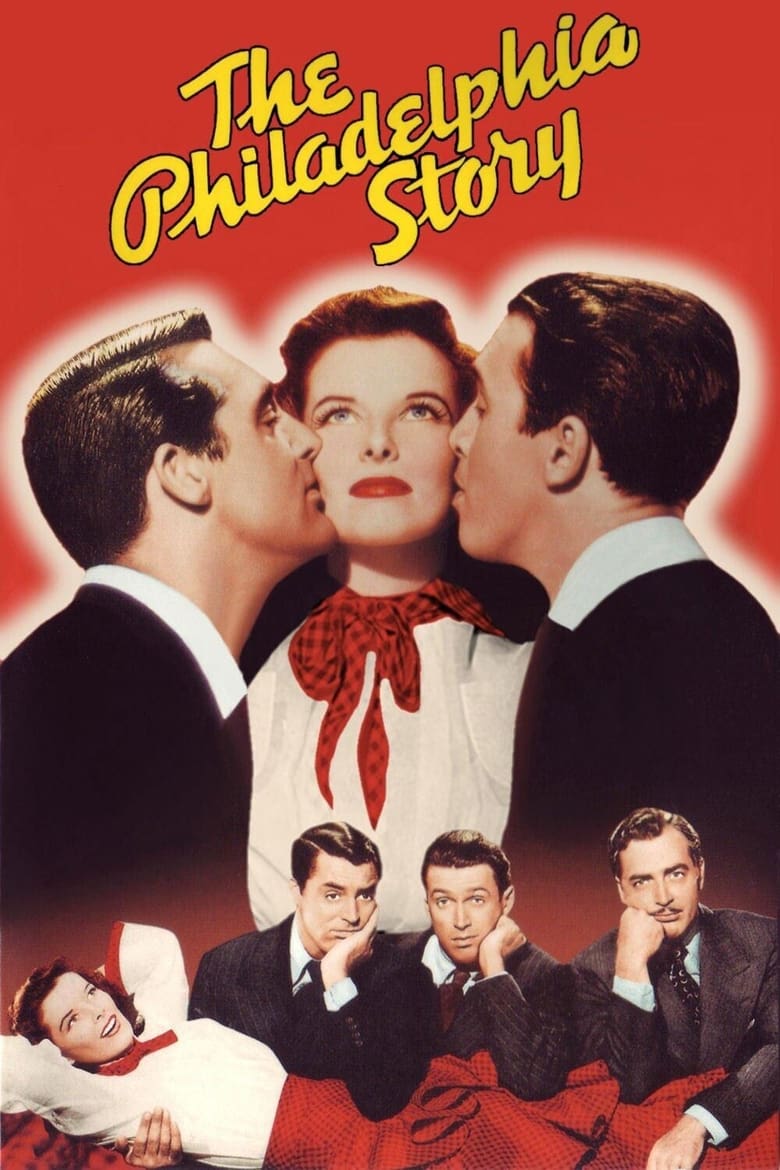
A divorced couple meets again on the eve of a wedding. In Cukor's hands Katharine Hepburn is fragile and dangerous at once.

A chic couple on the verge of divorce quietly sabotages each other's new romances. Under a polite war, the flirtation of two stubborn people who still want each other.

A joyful family that ignores the rules brings two worlds face to face when their daughter gets engaged to a stiff banker's son. Amid fireworks and xylophones, the comedy of putting happiness above money.

A socialite hires a man she found on a rubbish tip as a butler, and his past turns out other than she assumed.

A woman who wants to finance her husband's invention decides to divorce him and marry someone rich.

Two people separated by war meet again in the same building without recognising each other, and the film makes speed out of this rather than tragedy. Tsui Hark uses the city like a stage, and with each door opening and closing the comedy rebuilds itself.