Tags
tradition

Everyone around a woman just out of childbirth says the same thing, and she hears it not as an opinion but as an order. Dizdar conveys the pressure through bodily unease rather than argument scenes: the frame tightens, the voices close in, hormones and faith collide in the same room. The tension comes not from a decision but from the question of whose decision it is.

The route is the same every year; the number of people walking it is not. Boz films tradition as an argument rather than a beauty: camel or tractor, on foot or not at all. That quarrel inside one family shows how a disappearing way of life looks from within.

The erasure of one belief system by another is told through an animal allegory in a magical-realist register. Rather than arguing a thesis in five minutes, Yentür works a single image, and the harshness of the telling comes from that indirectness.

The journey follows the season and so does the life: the coast in winter, the highlands in summer. Aksu films nomadism not as a vanishing beauty but as work that is hard to keep up, and you see camels, dogs and people running on the same order.

A film that describes the city by sound before image: street music, studio, gazino and rock club share the same plane. Akın takes a foreign musician's ear as his guide and never ranks one form above another.

A building technique that came out of the hands of master craftsmen is recorded together with the last generation carrying it. Arın does not turn the documentary into a preservation appeal; he hands the microphone to those who know how to tell it and shows how knowledge is passed on.

Houses built without nails in the mountain villages of the eastern Black Sea, and the last craftsmen who build them. Arın films construction not as an aesthetic curiosity but as a body of knowledge: where a house is placed, which soil is left for cultivation, why it stays standing in an earthquake are parts of the same answer.

The town itself is an archive: the texture of the streets, the order of the façades, the craft of the doors. Arın films architecture not as art history but as the shell of daily life, never letting you forget that people still live inside these houses.

The bazaar is measured in the steps of someone who has walked it for forty years. Instead of describing the place from above, Arın moves through it from inside; traders, corridors and stalls emerge as a route rather than a map.

In the Svaneti highlands, a woman resists a marriage dictated by tradition; Khatchvani tells the clash of ancient custom and desire like a legend under snow.
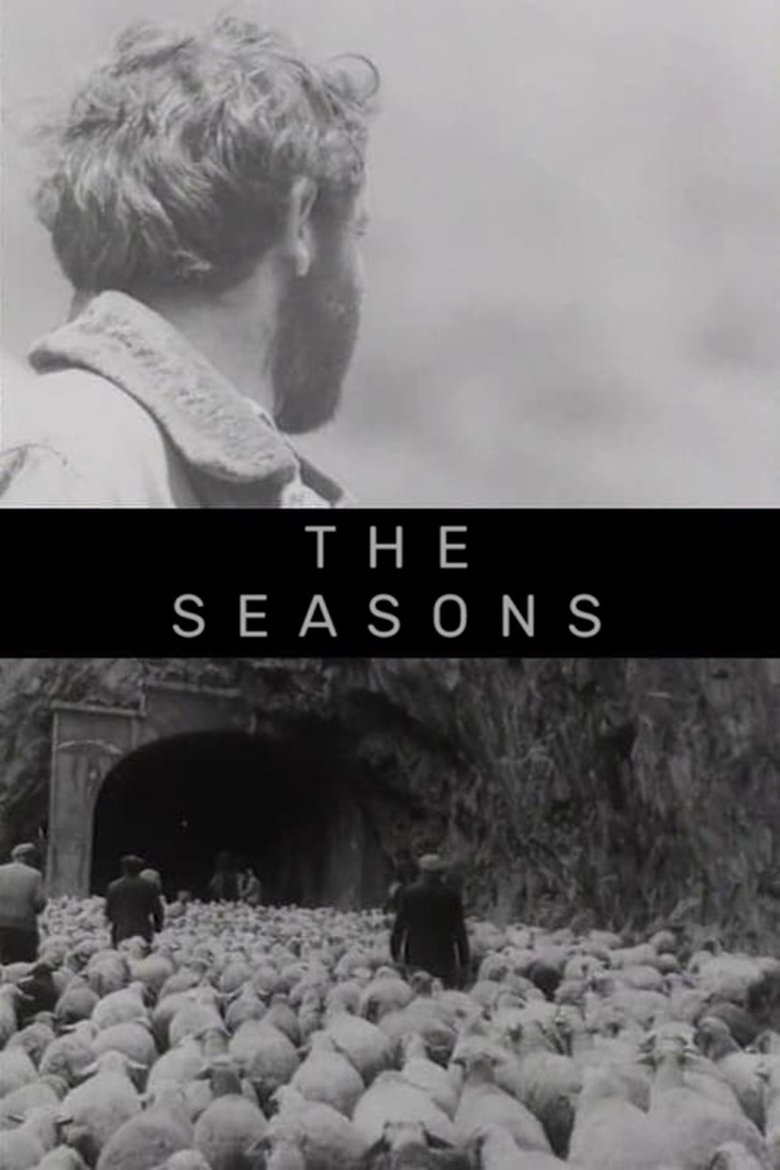
People, animals and nature in the Armenian mountains. Peleshian uses montage like music; no dialogue, only rhythm.

A detective hides inside an Amish community. Weir turns a thriller into cultural observation; the barn-raising is the film's heart.

A boy growing up in a madrasa before Bangladesh's war of independence. Masud tells religious schooling and war through a child's eyes; the director died young in an accident.

A village in Burkina Faso, an old woman and an accusation of witchcraft. Ouedraogo's best-known film; it won at Cannes.

The cangaço legend rendered in colour and myth. Rocha's most visual film, where Brazilian folklore and revolution share the frame.

A Frenchman is captured by a cannibal tribe and fattened for six months. The wittiest satire of colonialism ever made; Brazilian censors missed the point.

Young monks in a Himalayan monastery want to watch the World Cup. Real monks play the roles; one of the sweetest films in cinema.

Zhang Yimou's first film and the discovery of Gong Li. Red sorghum fields, folk song and the Japanese invasion — colour here is emotion itself.

A woman married off against her will in a dye works, and a forbidden love. Zhang uses the colour of the cloth to tell desire and punishment at once.

A soldier goes to a village to collect folk songs. Chen Kaige's first film launched the Fifth Generation; Zhang Yimou shot it.

