Tags
village

The crime is long done; the film is about the years that have passed over it. Alper builds the town not as a community but as an agreement to stay silent: nobody has to lie, because nobody asks. Shared responsibility takes the story somewhere far more uncomfortable than the pursuit of a single culprit.

With the end of the world approaching, a father sets the table; the apocalypse here is not a spectacle but the last round of old arguments. Hepsev uses science fiction on a single idea and gives the remaining time over to a family reckoning.

A building technique that came out of the hands of master craftsmen is recorded together with the last generation carrying it. Arın does not turn the documentary into a preservation appeal; he hands the microphone to those who know how to tell it and shows how knowledge is passed on.

Houses built without nails in the mountain villages of the eastern Black Sea, and the last craftsmen who build them. Arın films construction not as an aesthetic curiosity but as a body of knowledge: where a house is placed, which soil is left for cultivation, why it stays standing in an earthquake are parts of the same answer.

Everything early Turkish cinema inherited from the stage is visible here: the blocking, the register of the acting, the staging of the courtroom. Ertuğrul is not content to show the village girl is right; he also shows where the verdict is actually made.

In a pre-revolution Georgian village, folk tales and a forbidden love are woven in lyrical vignettes. The most poetic link in Abuladze's mystic trilogy.

A man drives around looking for someone to bury him. Kiarostami doesn't debate death, he simply films the landscape — and won the Palme d'Or.

A director shooting in a border village and the crisis one photograph creates. Panahi went to prison after making this film.

Foreign workers arrive in a village and rage erupts. Mungiu lays European racism bare in a seventeen-minute single-take village meeting.

A young man returns from Paris to his village and finds his childhood friend lost to drink. Often called the New Wave's first feature, and anything but glamorous.

A village schoolteacher and the local butcher grow quietly close while murders occur nearby. Chabrol at his most Hitchcockian, mixing dread with tenderness.

A woman recalls a night of war from her childhood. The remembered war is larger than the one that happened.
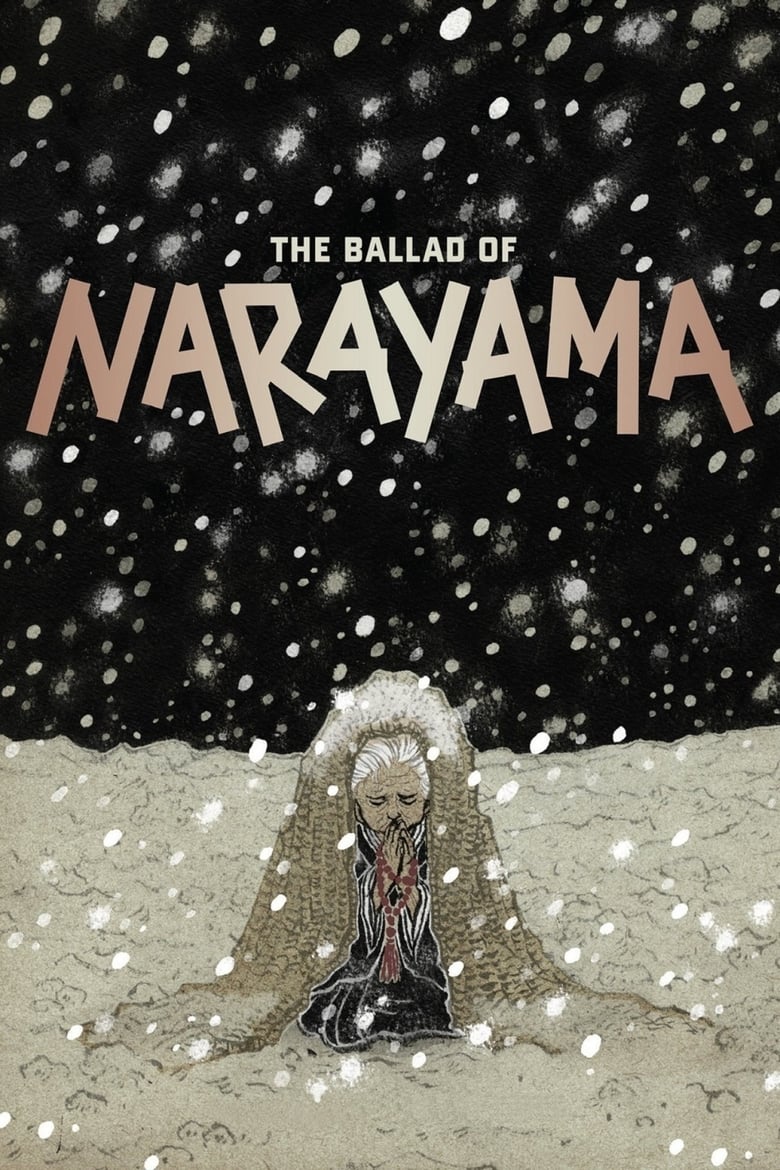
A village that leaves its old on the mountain, staged like kabuki. Refusing realism makes the cruelty sharper.

A Castilian village dresses itself up as an Andalusian one when American aid is announced. The first great mockery to slip past Franco's censors.

Bored provincial men decide to play a joke on an ageing woman. The longer the joke lasts, the more unbearable the film becomes.

Three siblings in a small town and a death nobody understands. Shelved for years, later declared the strangest film in Spanish cinema.

A blacksmith and a devil, adapted from a Basque folk tale. A horror film shot in Basque.

Three children in a mountain village, a life divided into the five daily prayers. Childhood here is not innocent.

Three girls sent to town as foster servants are returned to the village. Alper films the province as a trap.

A dispute over a plot of land turns into a siege of one family. The censors tried to stop it; it was released after the president watched it.
