Tags
working life
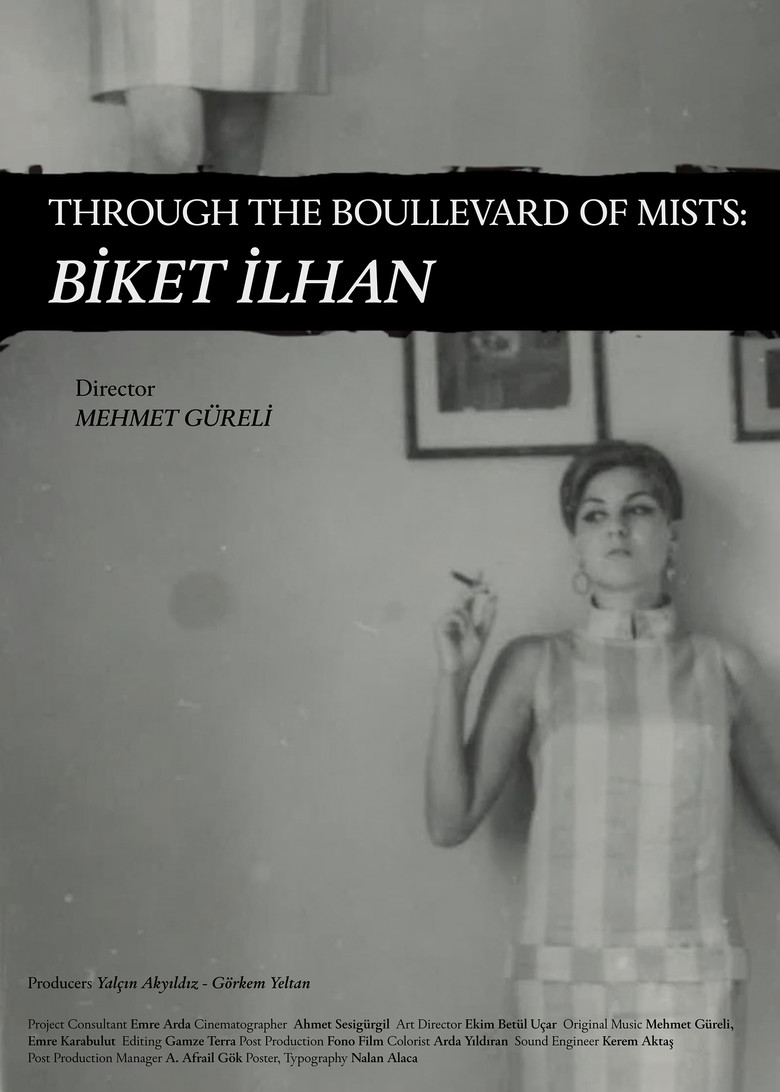
The documentary is about the labour of getting films made rather than the films themselves: finding producers, keeping going, staying independent. Güreli does not push the narrator forward; film history here is not a list of achievements but a working diary.

Night, an abandoned stopping place, and a brief closeness with a stranger. Doğan reduces the dialogue to a minimum and leaves the tension to distance: when will the gap between the two men close, and what happens if it does.

The preparation before a shoot carries as much hierarchy as the shoot itself. Yıldız turns the camera on the backstage of the work and quietly measures who gets to decide.
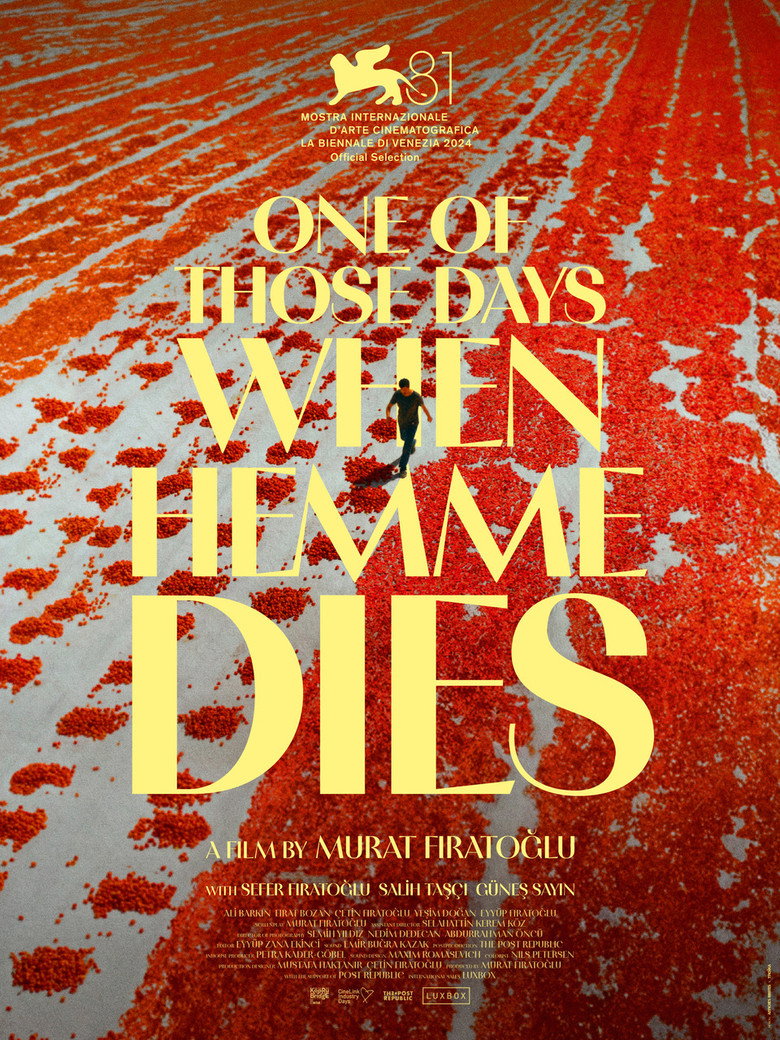
The anger is there and the decision is made; what remains is a day spent walking around with it. Fıratoğlu does not delay the violence for effect — the delay is the subject: everyone met along the way is both an obstacle and a rest. Heat, day-wages and distance belong to the same equation.
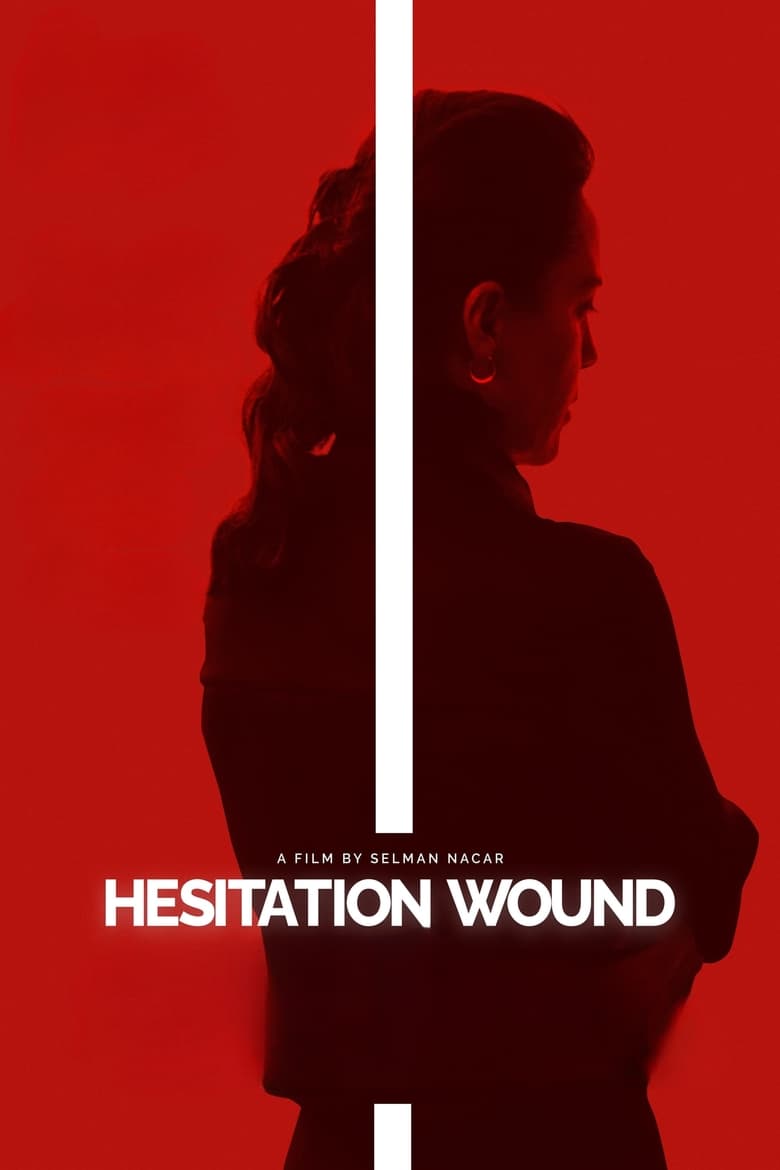
One day, two enclosed spaces, and in both of them decisions about someone else's life. Nacar uses the law as a structure rather than a theme: the film moves at the rhythm of procedure and the moral choice is squeezed into a clock rather than a conversation.

The harvest goes on; the medication keeps both the plants and the people upright.

The presence of a documentary crew is the film's own joke: the moment a camera arrives, a person starts narrating herself, which is to say editing herself a little. Oğurlu declines to dramatise the approach of thirty and works instead on how being observed changes someone.
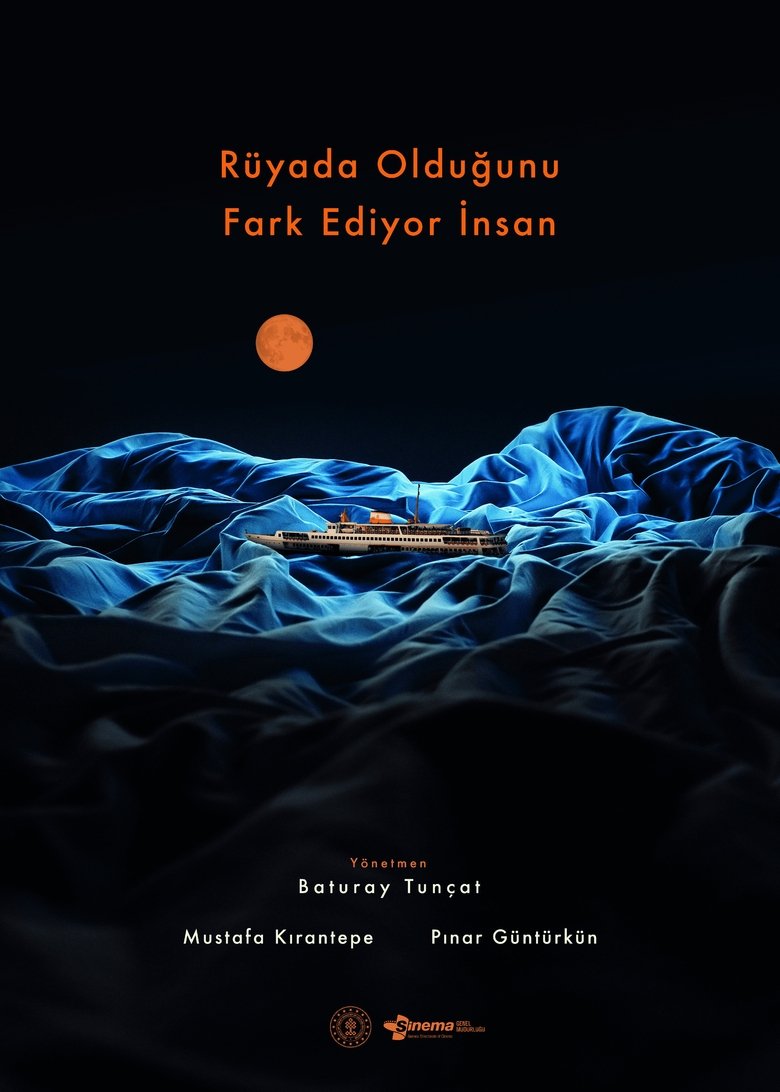
A man who has never slept treats this not as a gift but as a defect, and spends his nights in hotel corridors. Tunçat does not turn the fantastical premise into display; he uses it to measure solitude, and the whole film hangs on one encounter between two people.
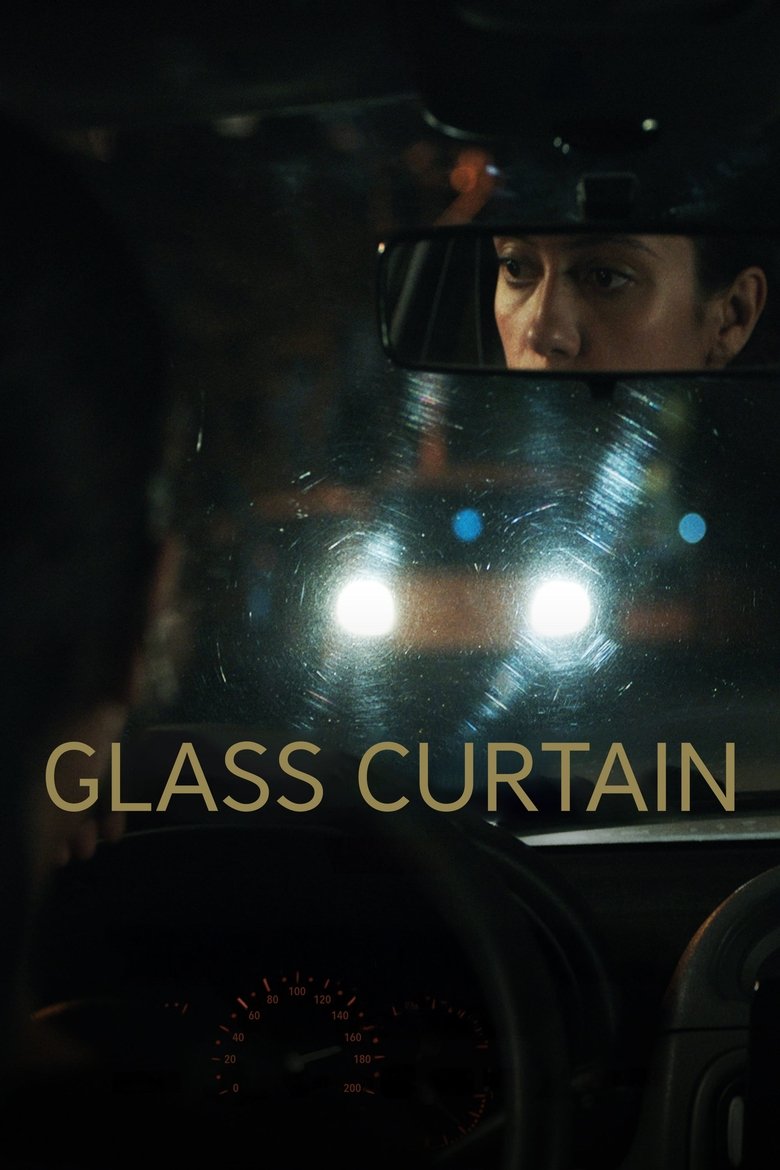
The obstacles in front of a woman are neither dramatic nor one-off: a signature, an appointment, a phone call, an ex-husband's manner. Reyhan lets them accumulate and makes the viewer share the same fatigue, until it becomes hard to notice where the decision was actually made.
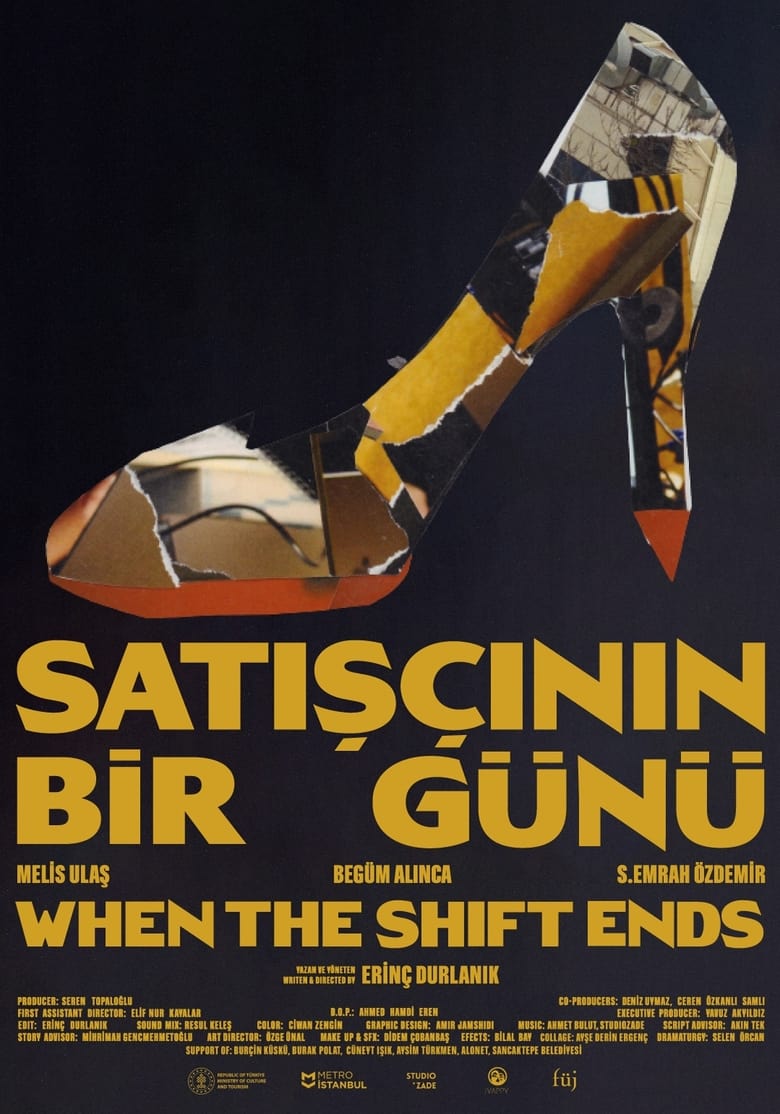
When the shift ends the real assessment begins, and only then does it become clear who has been testing whom. Durlanık stages the call centre less as a workplace than as an examination room: the lie built over the phone and the lie built in the office speak the same language.

Office life is staged as a grotesque dream: a coffin, a lift, a boss vomiting money. Çetinkaya does not leave the critique to dialogue but loads it onto the image, and all the short's harshness comes from that directness.
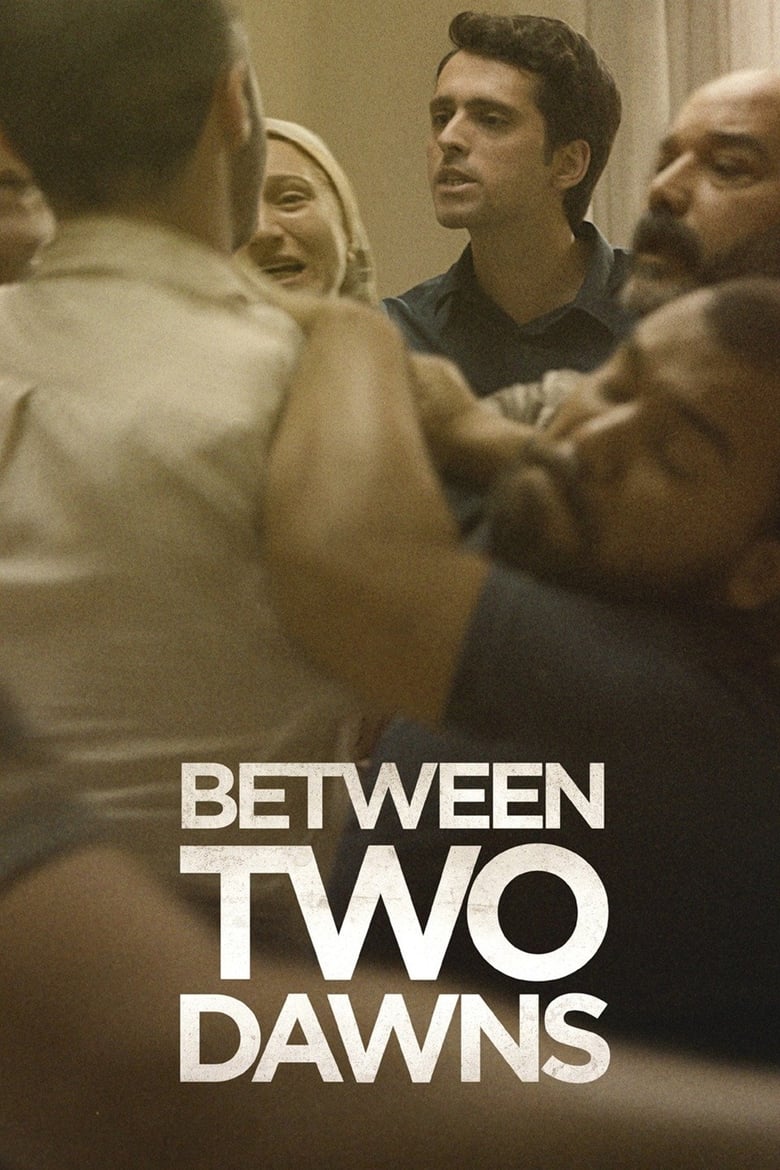
The family convenes at once after an accident, and what is discussed is not the injured man but where the responsibility will settle. Nacar shows the law as a technique for distributing weight rather than an instrument of justice; because the camera never lets go, the viewer also misses the moment the decision was taken.

Twenty-seven floors of empty offices, one guard, and a shift as quiet as the idle lifts. Gelberi uses the building as a pressure rather than a set; as the emptiness grows, what the man tells himself becomes audible.

On a plot of land hemmed in by factories, the old way of farming is being kept alive. Reyhan does not frame this as a generational clash; he shows a mode of production dying and taking its people with it. The heat is part of the argument: nobody shouts, everyone tires, and decisions are made inside that exhaustion.
A building technique that came out of the hands of master craftsmen is recorded together with the last generation carrying it. Arın does not turn the documentary into a preservation appeal; he hands the microphone to those who know how to tell it and shows how knowledge is passed on.
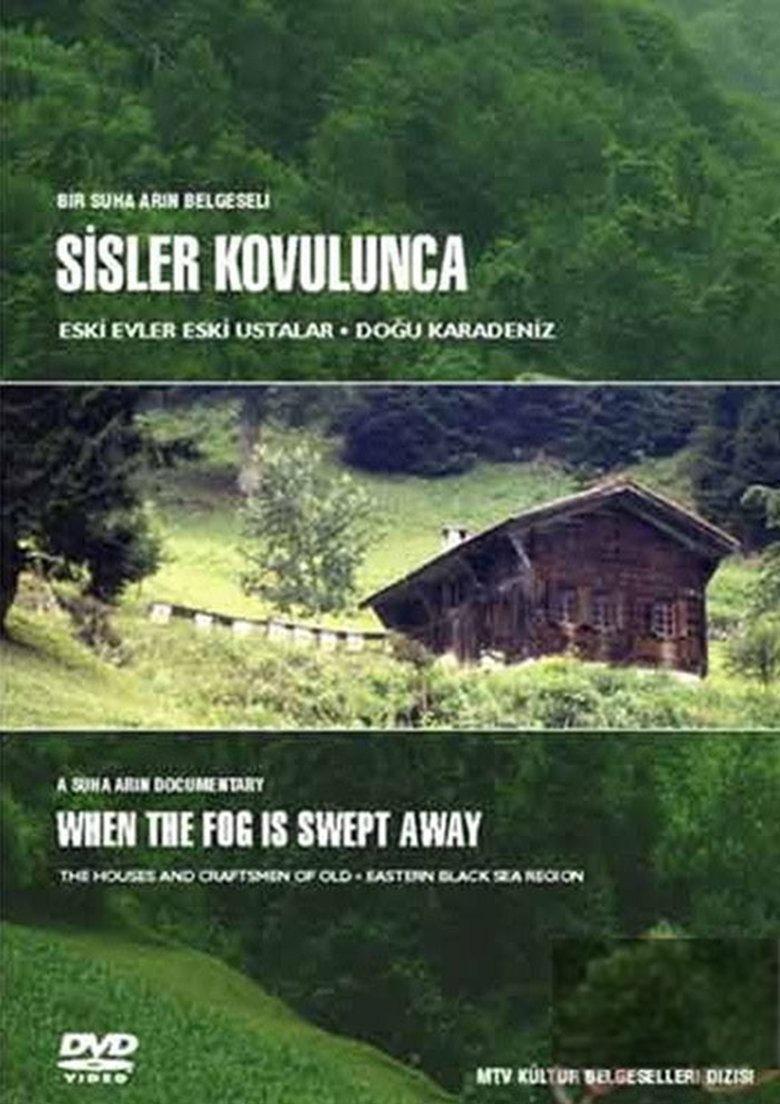
Houses built without nails in the mountain villages of the eastern Black Sea, and the last craftsmen who build them. Arın films construction not as an aesthetic curiosity but as a body of knowledge: where a house is placed, which soil is left for cultivation, why it stays standing in an earthquake are parts of the same answer.
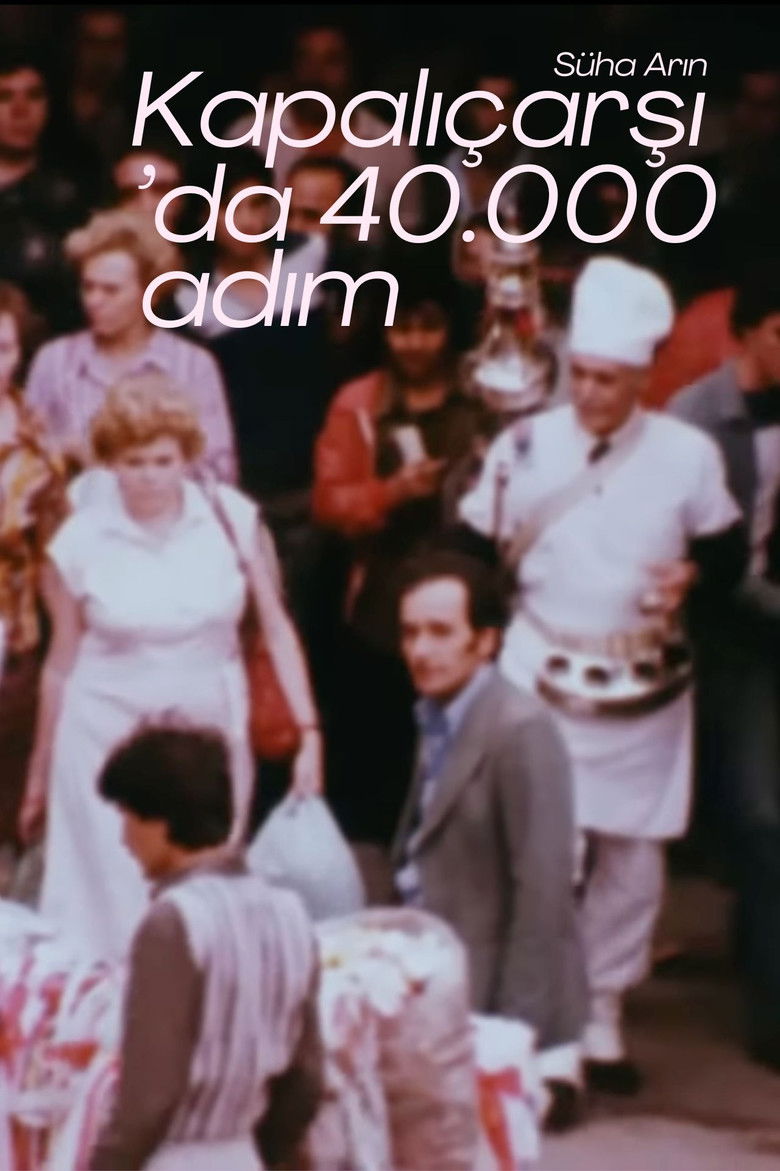
The bazaar is measured in the steps of someone who has walked it for forty years. Instead of describing the place from above, Arın moves through it from inside; traders, corridors and stalls emerge as a route rather than a map.
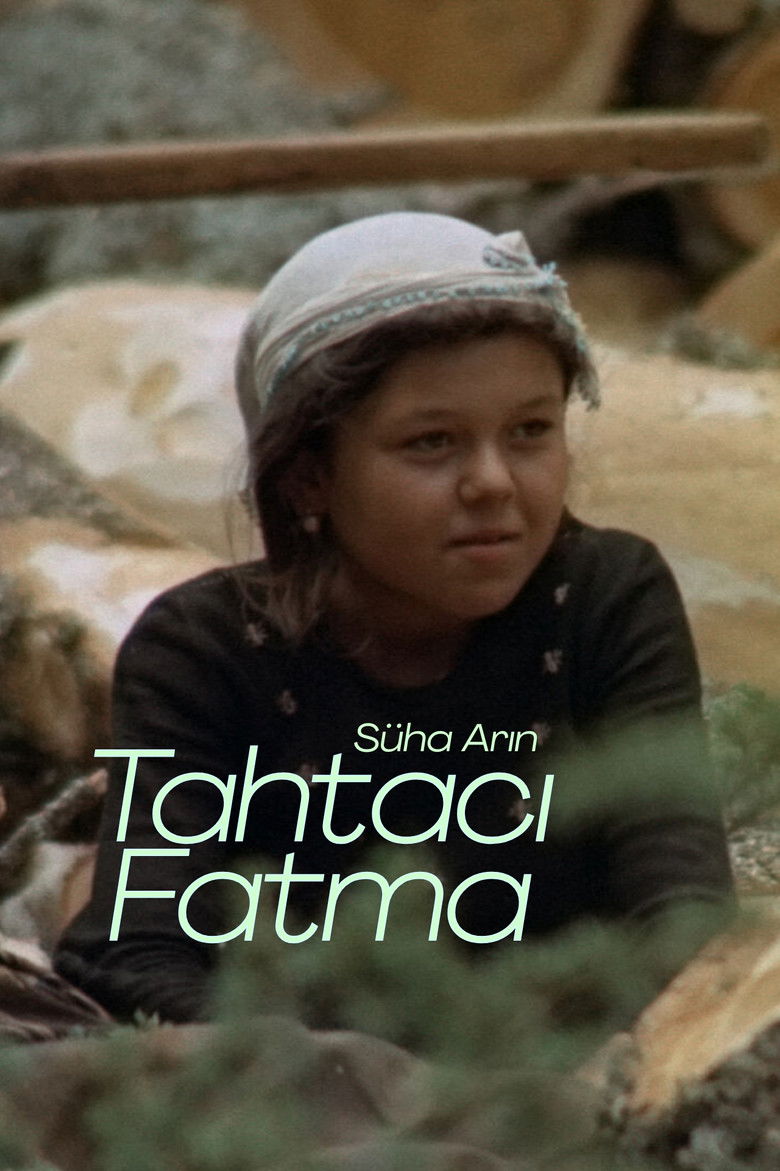
A twelve-year-old girl describes her work, her family's situation and the way people look at her, with the camera kept at her level. Arın treats the child as a witness rather than an example of victimhood, so what she says informs rather than solicits pity.
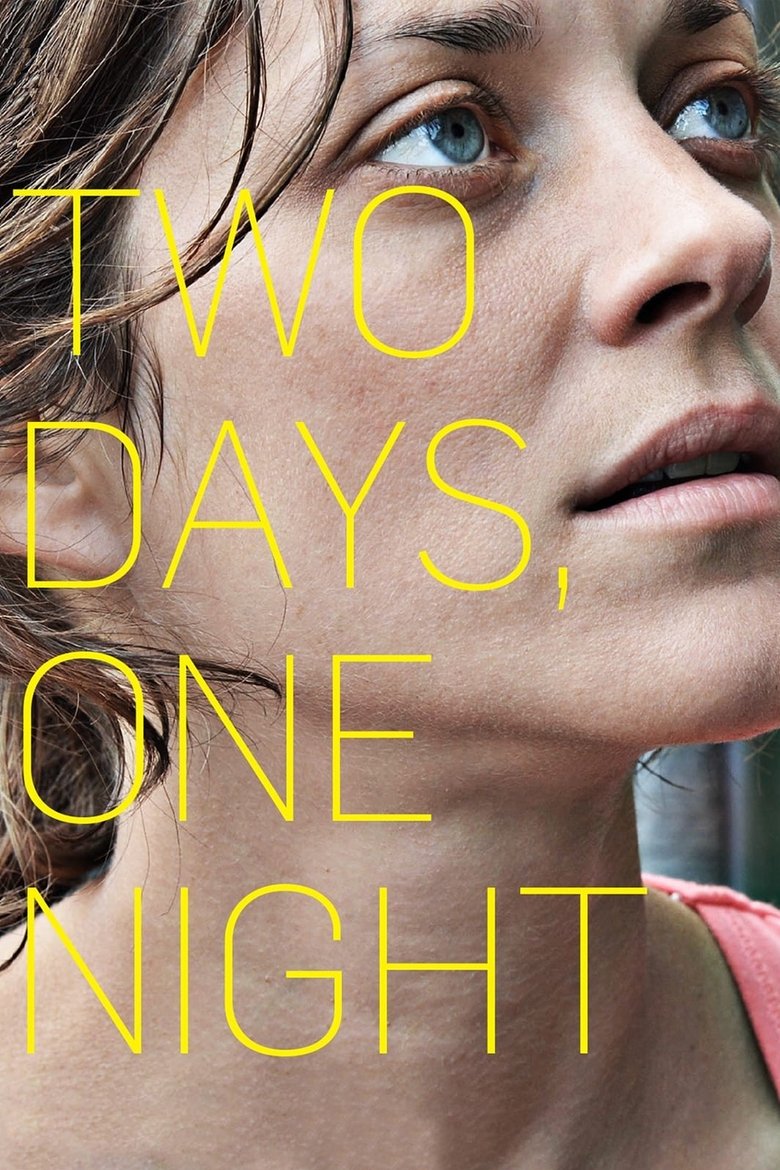
A woman must persuade sixteen colleagues to save her job. Marion Cotillard's most restrained performance; two days, sixteen doors.
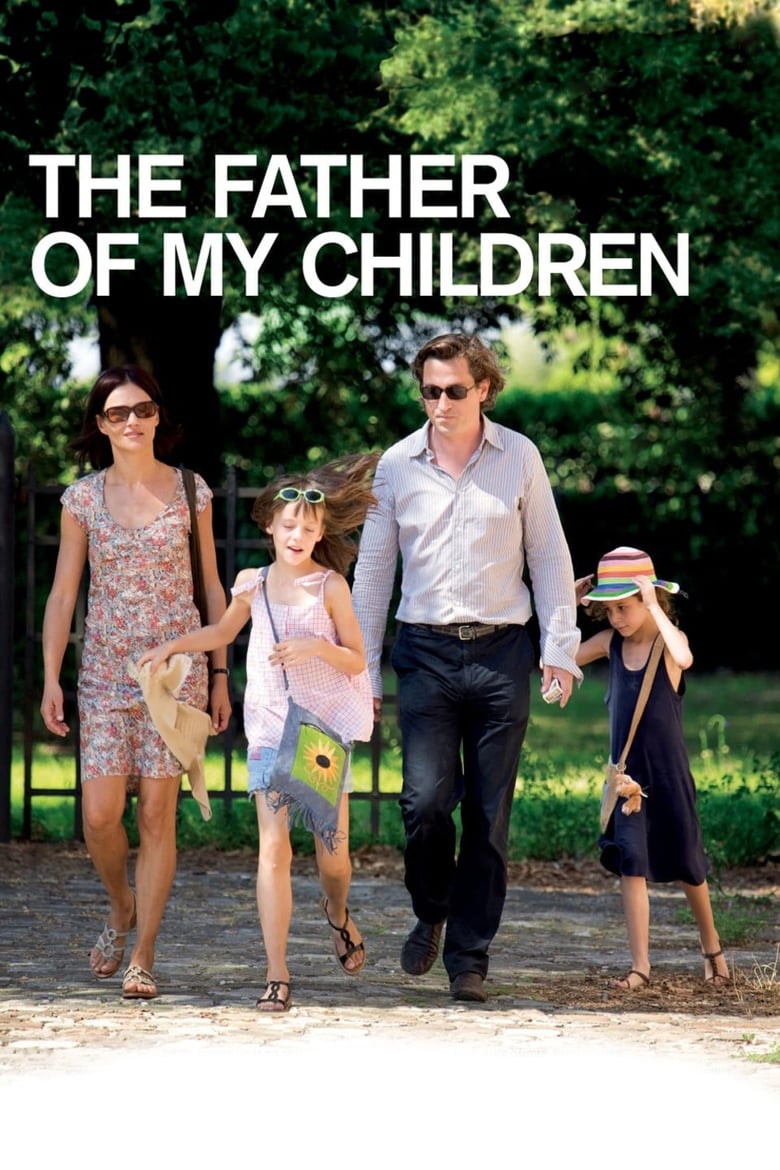
An independent producer collapses under debt, and the film becomes the story of those left behind. One of the quietest and most painful films about cinema itself.