Cinema Worlds
THE PATIENT EYE
The long take, duration, and cinema that knows how to wait
These films do not hurry. The camera holds, the scene lengthens, the event itself teaches you to wait. They ask for patience and give another kind of time in return.
Memory and Duration
Films where the past seeps into the present and time does not run straight.

The memories do not arrive in order; childhood, war and the present stand in one room.

The director cannot shoot his film, yet his memory shoots without pause.

One childhood, measured against the age of the universe.

The memory of a deported people; the steppe keeps everything.

A conductor returns home after many years, to the woman he left in his youth.

A memory of thirty-six frames; a relationship lost along with the photographs.

Hours of testimony alone; no archive footage, only people remembering.

The dead are asked to choose a single memory; which moment can carry a life?

A girl meets her mother's childhood; here memory is a place to play.

Tapes from a holiday years ago; the daughter is only now trying to understand her father.

The same life is told twice; which is remembered and which invented?

One day, one city, one secret; the woman tells no one about her past.

A man from a demolished neighbourhood visits, one by one, the homes he remembers.
The Poetic Frame
Cinema where the image comes before the story and the frame speaks on its own.
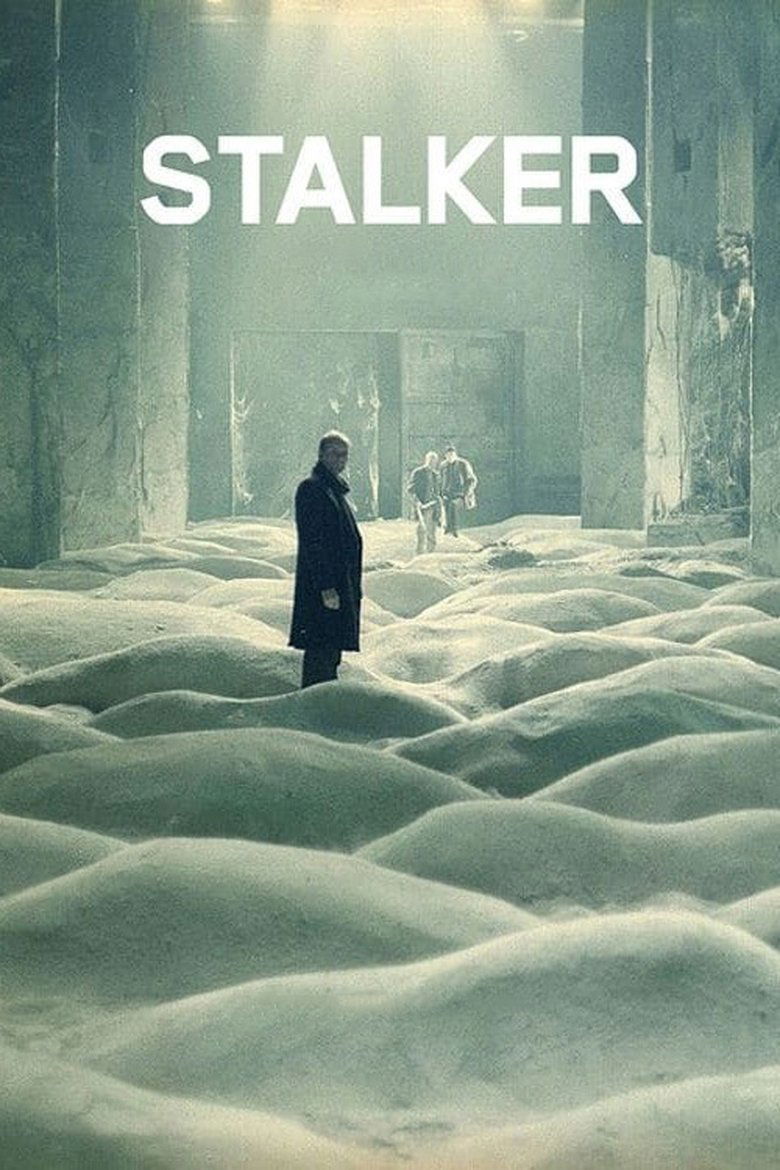
Three men enter the Zone; every frame is a threshold and every threshold a question.

Curtains, smoke, a staircase in slow motion; the story gives way to the rhythm of the image.

Light and colour in a coastal town; no one arrives anywhere, yet every frame holds.
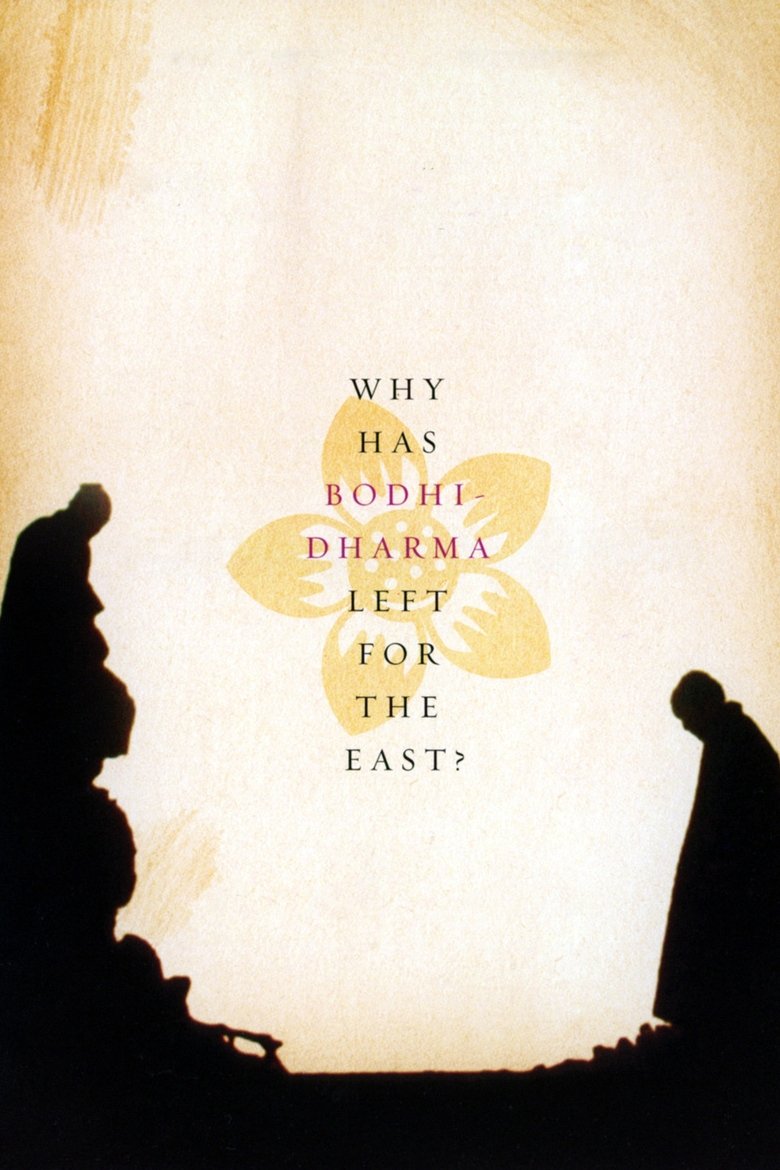
Three monks in a mountain hermitage; nature answers in images.

A village selling its mummies; over the desert, a heavy and ceremonial frame.

An island that lasts one season in the middle of a river; a grandfather, a granddaughter and maize.

A hedgehog lost in the fog; a poem in twenty minutes.

The assassin does not kill, she watches; curtains and wind compose the scene.

Angels above Berlin; the city in black and white, becoming human in colour.

An old woman learning to write poetry finds the truth while hunting for a word.

The khat harvest; a state of sleep amid smoke and shadow.

A painter tries to paint a quince tree; the light changes every day.

An afternoon in the forest; the credits begin in the middle of the film.
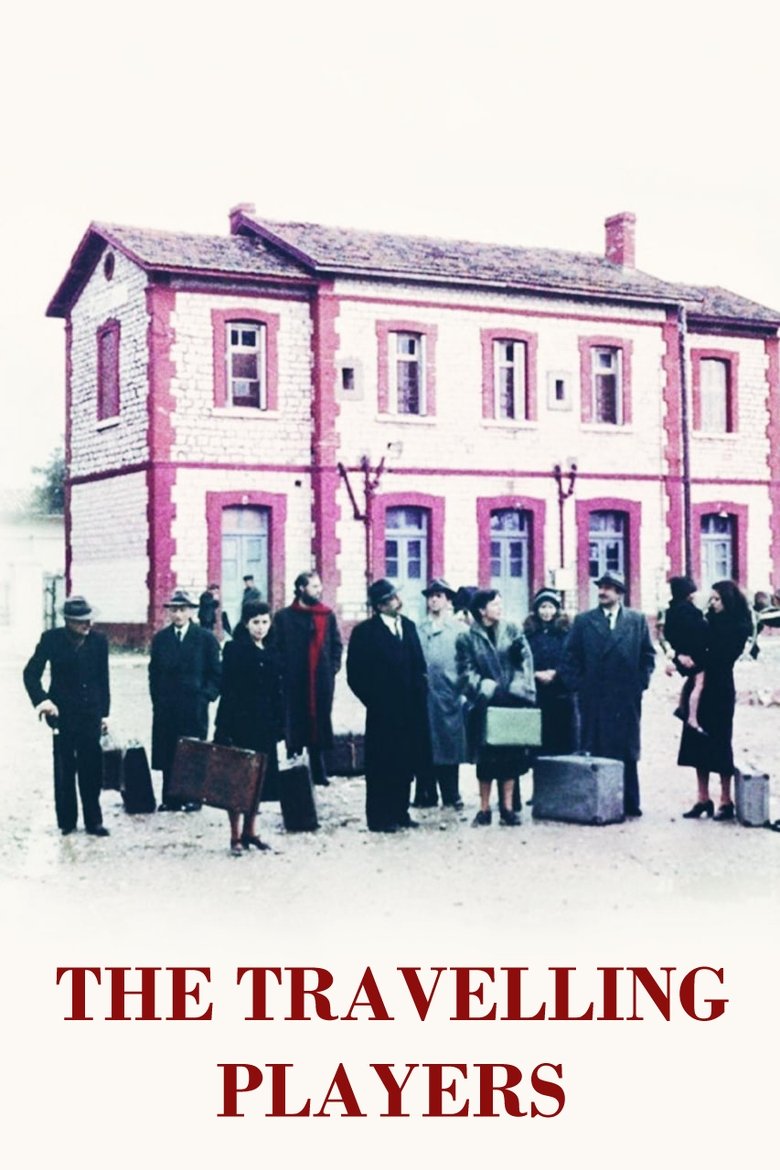
A travelling troupe performs a country's history; the camera never hurries.

A dying mother and her son; every frame like a painted canvas.
Time Without Colour
Black and white joined to the long take: patience in its purest form.
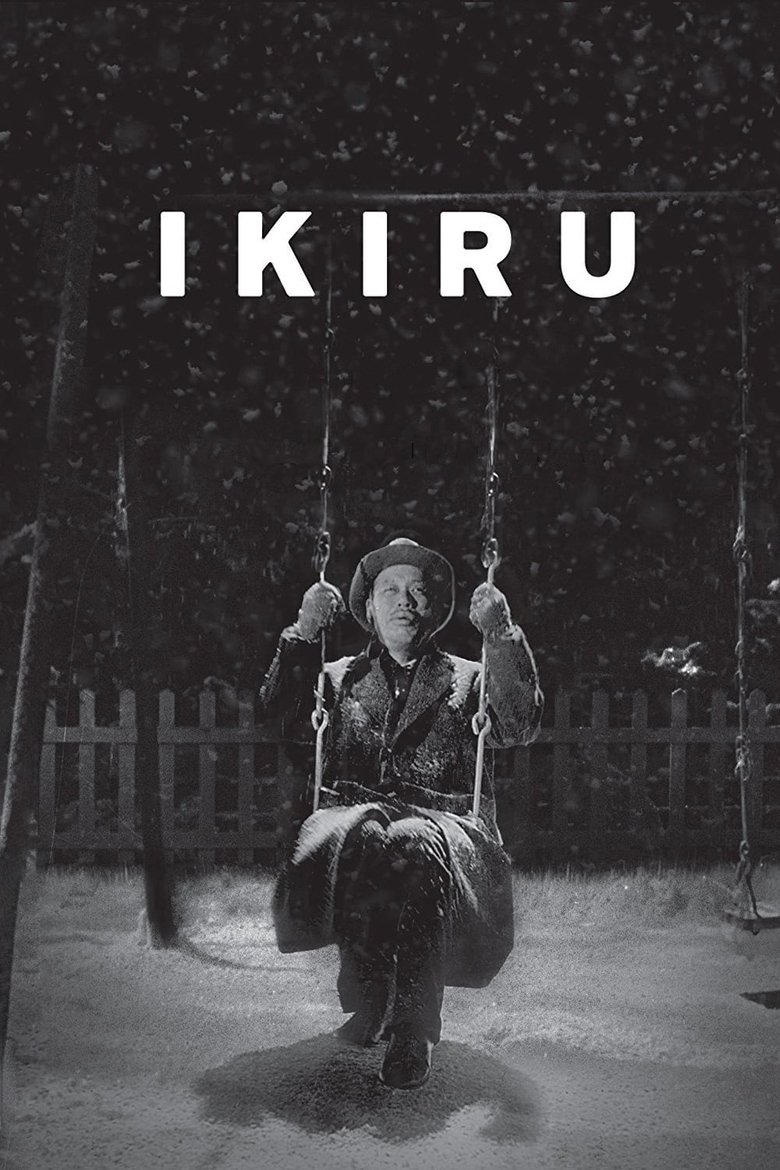
A clerk who learns he is dying measures his remaining time by a playground.

Seven nights in Rome; not one of them more meaningful than the others.

An island, silence, and two faces bleeding into one.

The faith of a man who believed in the revolution slowly rots.

A physicist exposed to radiation; science and death in the same laboratory.
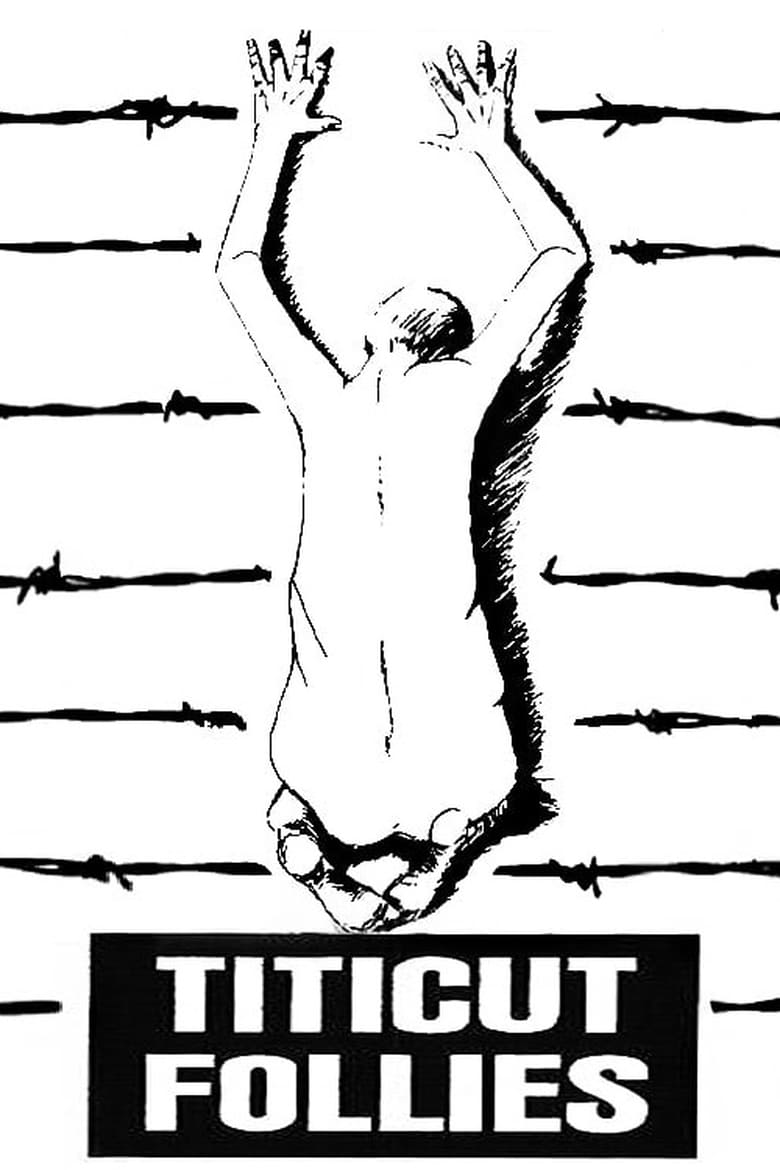
In a mental institution the camera softens nothing.

One boat, three people, one day; the tension never breaks.

Children in a village before the war; cruelty grows patiently.

The days of a man forced to retire never change, and when they do he cannot grasp it.

Hours of mourning; Lav Diaz refuses to shorten time.

A boy in postwar Scotland; brief and devastating.

In a prison on the plain no one knows who is guilty; the camera keeps circling.

Poverty told through the entwined languages of poetry and advertising.
Time at the Family Table
No great event; the quiet erosion of a family across years.
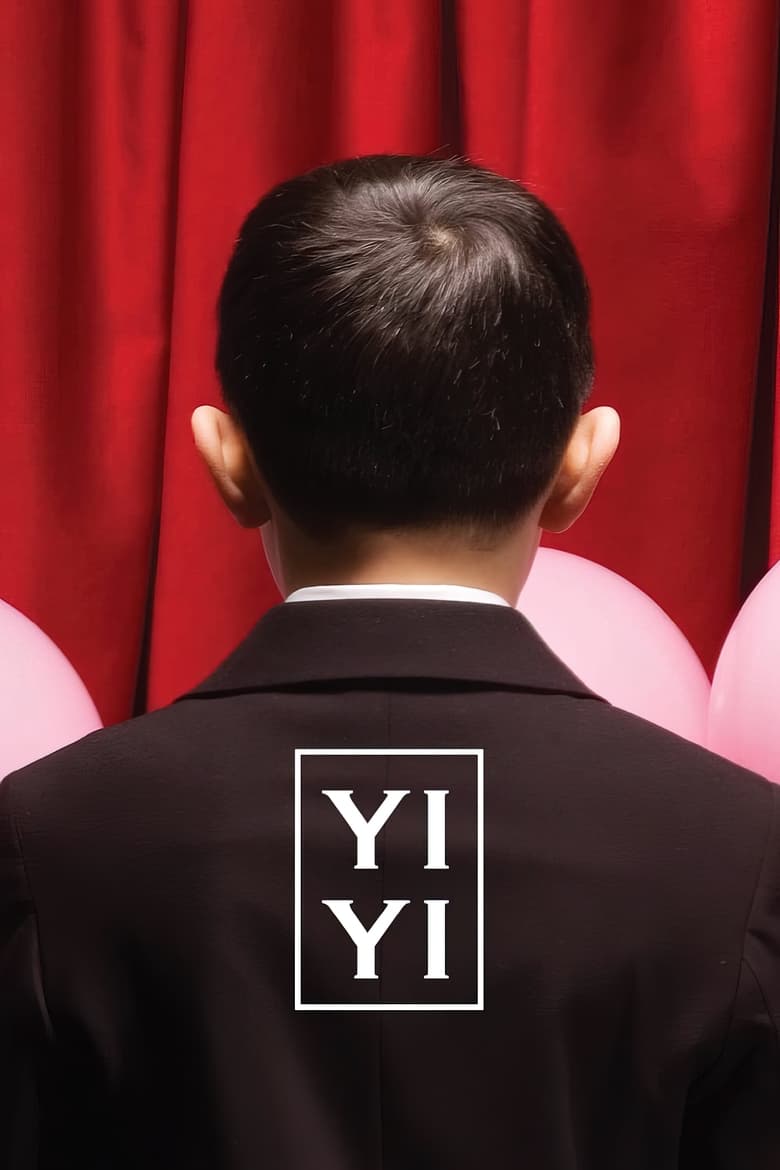
Three generations between a wedding and a funeral; life happens at the table.
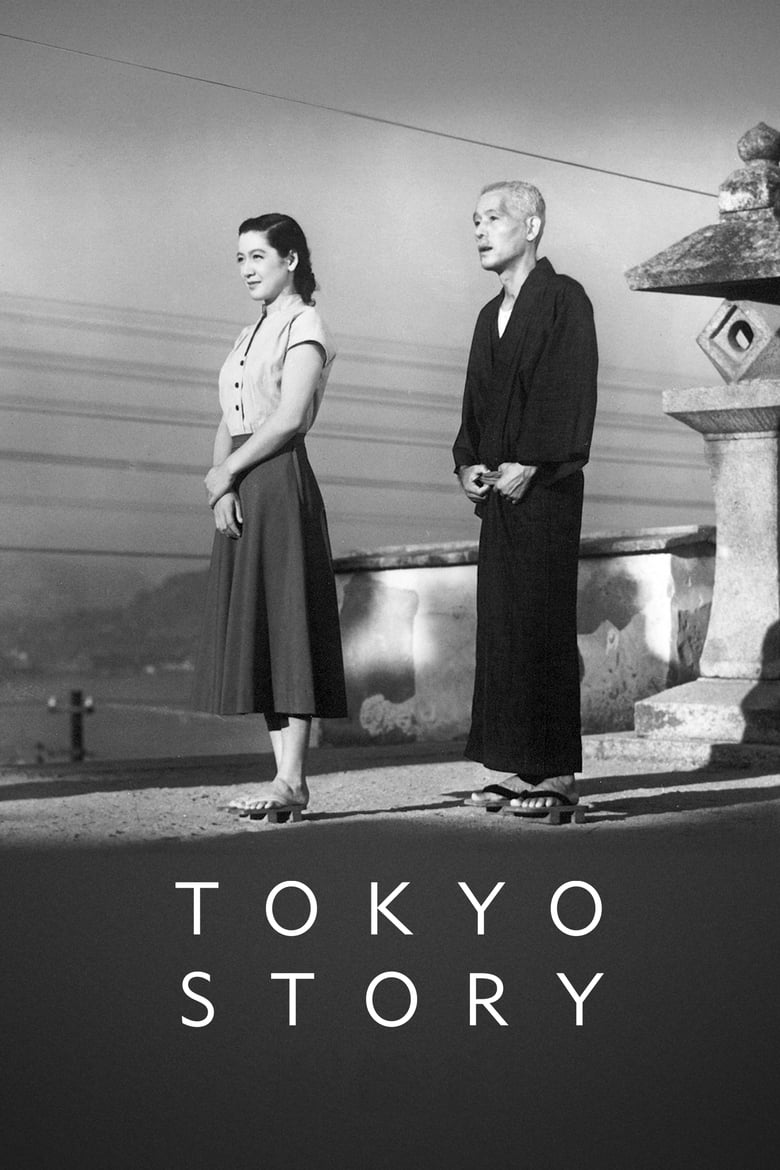
An elderly couple visit their children; no one has time.

A family gathers around a dying woman; the days are counted one by one.

Two estranged siblings, a pregnancy and a pizza van.

A single day on the anniversary of a dead son; no one says the real thing.

An old man drives a lawnmower across the country to see his brother.

Three sisters whose grandmother has died get to know one another again in the house.

The beginning of a marriage; love collides with class.

A girl who wants to enter a convent and a family that cannot bear it.


