Country room
Argentina
How does a country film its own collapse?
Why does cinema get better when the money runs out?
In 2001 Argentina had five presidents in twelve days.
The films made in those years are counted among the country's best.
Argentine cinema was written alongside a series of catastrophes.
In 1976 there was a military coup that lasted seven years. Close to thirty thousand people disappeared. Some directors were killed, some fled, those who stayed worked under censorship.
Democracy came in 1983 and the first thing done was to tell what had happened. Then the hyperinflation of the eighties, the privatisations of the nineties, the collapse of 2001.
That collapse is at the centre of this room.
In December 2001 the banks froze deposits, people took to the streets, and in twelve days there were five presidents. Half the country fell below the poverty line.
Read more
In those same years what came to be called New Argentine Cinema appeared. Young directors made small films because there was no money: few actors, real locations, natural light, long takes. When state funding shrank the large productions ended, and what remained was the subject itself.
There are thirty-eight films in this room and thirteen were made between 1999 and 2009. A country's hardest decade, its cinema's most productive.
Lucrecia Martel stands at the centre of this period. She has four films and all four do the same thing: a family gathers, something happens, nobody speaks of it. The camera stays and waits.
Argentine cinema today runs along two lines. One is large productions that win Oscars, the other is four-hour experiments.
Both come from the same country and both answer the same question.
The Chain

The House of the Angel
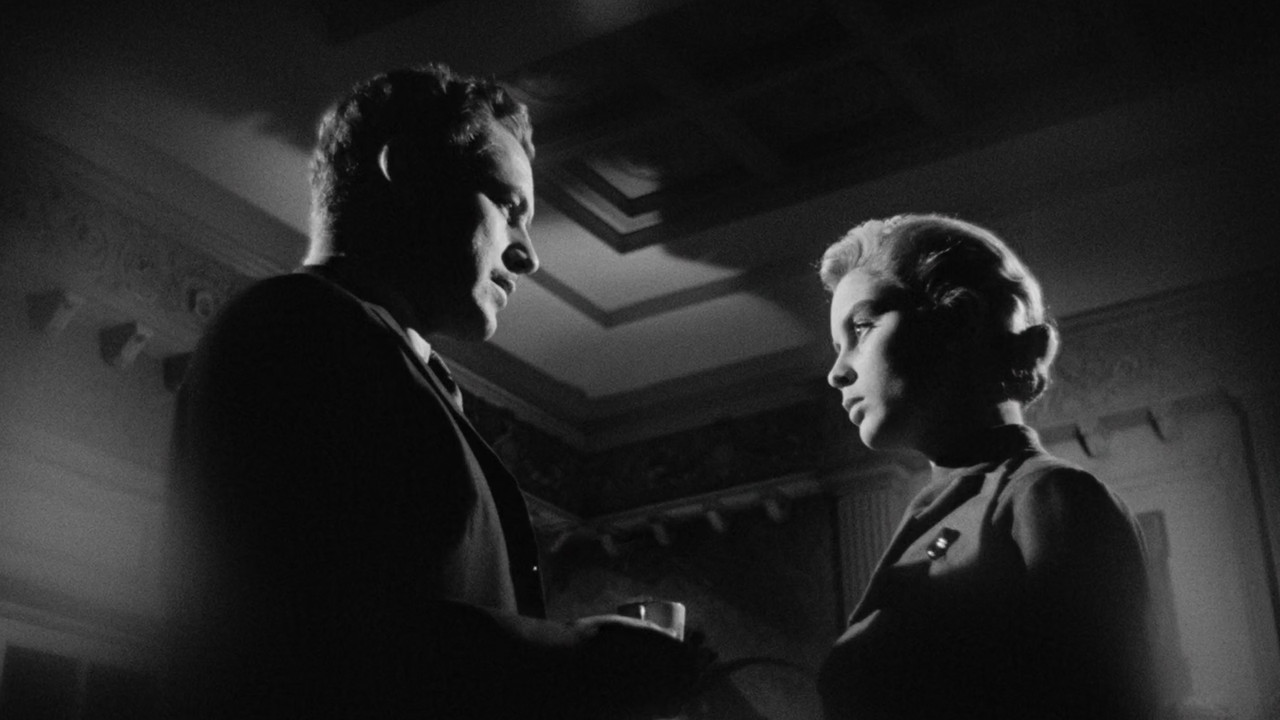
A girl growing up in a mansion, a rigid mother, a duel. Torre Nilsson was the first to make Argentine cinema heard abroad — the film screened at Cannes.

Toss Me a Dime
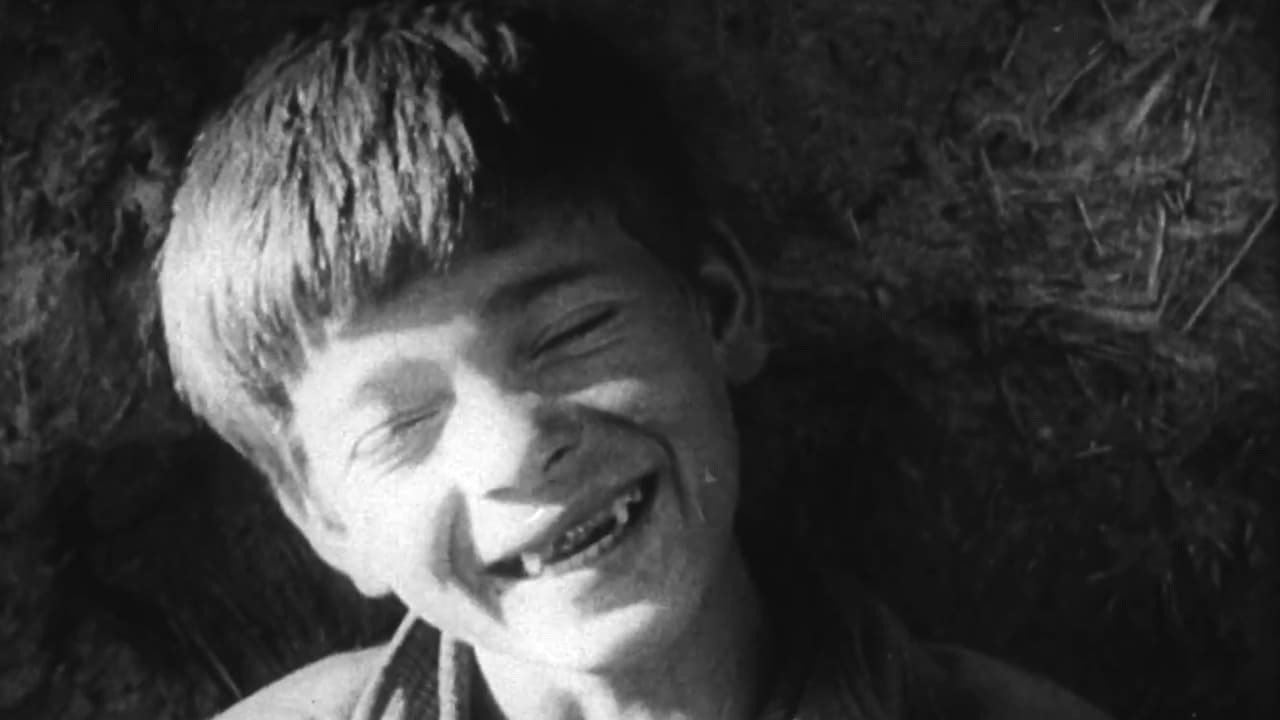
In Santa Fe children run after a passing train asking for coins. Birri made it with his students, and it is taken as the start of Latin American documentary.

Crónica de un niño solo
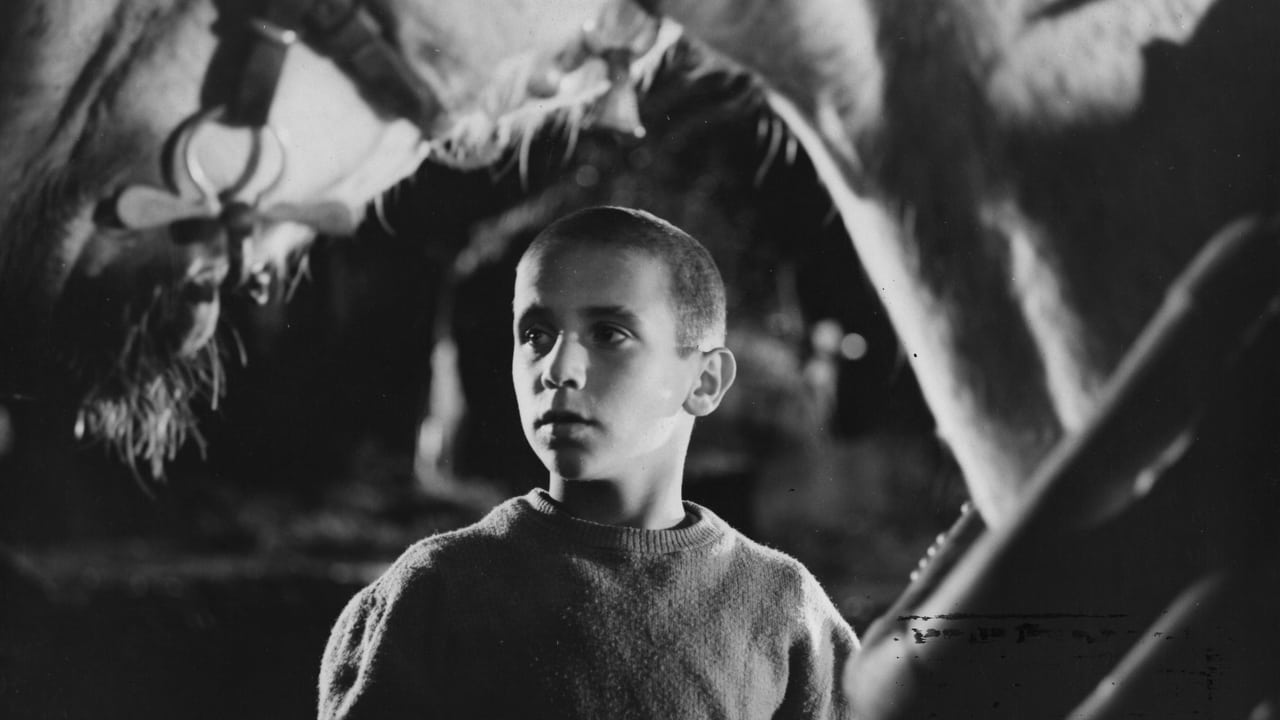
A boy escapes from a reformatory. Favio was an actor then, making his first film; he later became Argentina's most loved singer.
The Hour of the Furnaces
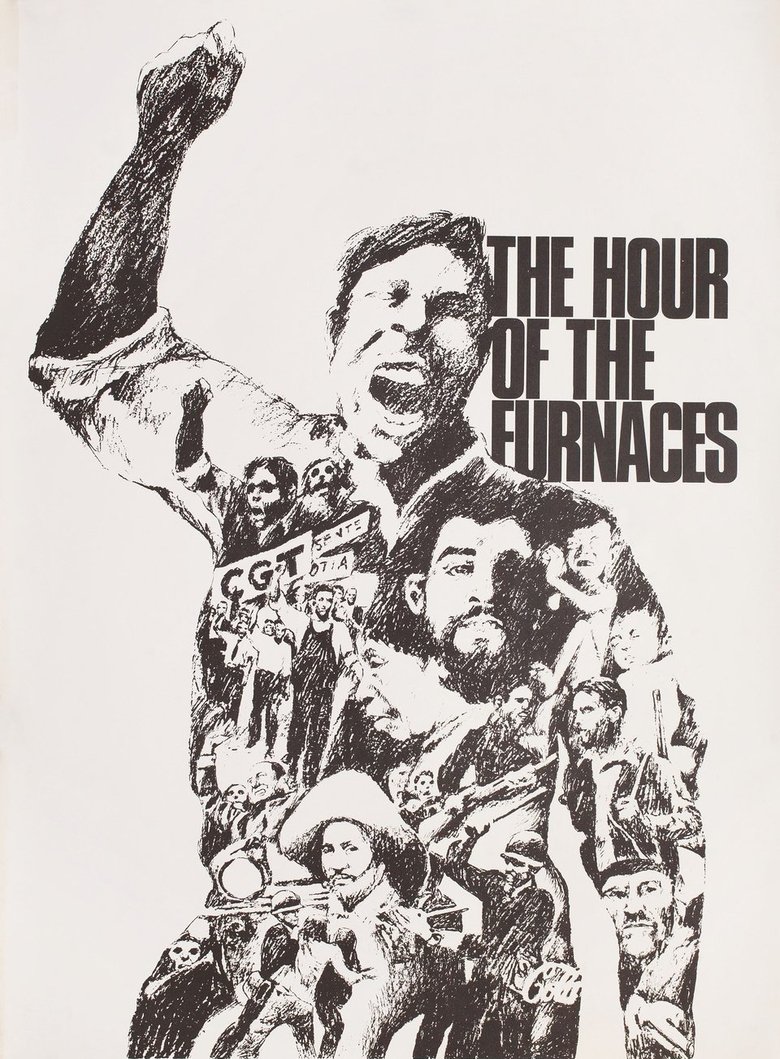
Four hours, three parts, clandestine screenings. It circulated with the Third Cinema manifesto — rejecting both Hollywood and European art cinema.
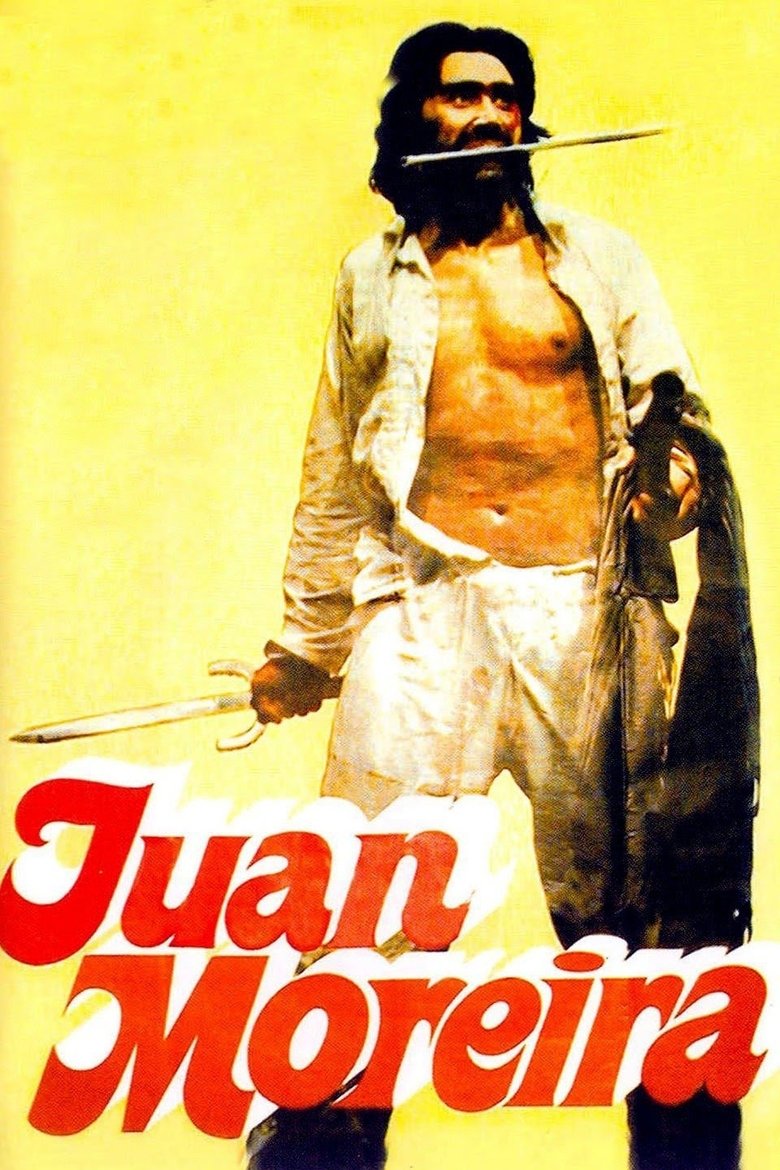
Juan Moreira
A gaucho in the nineteenth century and the police pursuing him. It became the most watched film in Argentina to that date, and Favio told the legend as a story of revolt.
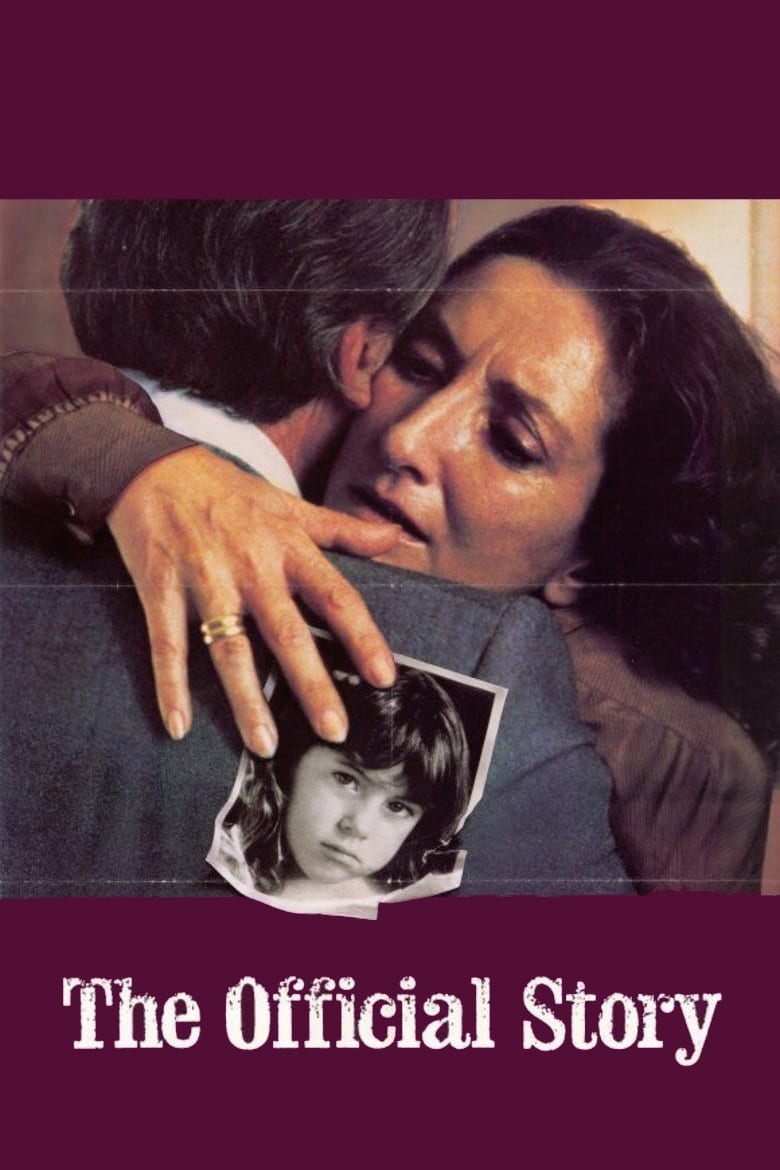
The Official Story
A history teacher begins to look into who her adopted daughter really is. Made two years after the dictatorship ended, it won Argentina's first Oscar.

Tangos, the Exile of Gardel
Argentines exiled in Paris try to write a tango. Solanas filmed his own exile — he had fled the coup and returned to the country when democracy came.

Pizza, Beer, and Cigarettes
Five young people in Buenos Aires get by on petty theft. It was made with very little money, on real streets, with non-professional actors. New Argentine Cinema begins here.
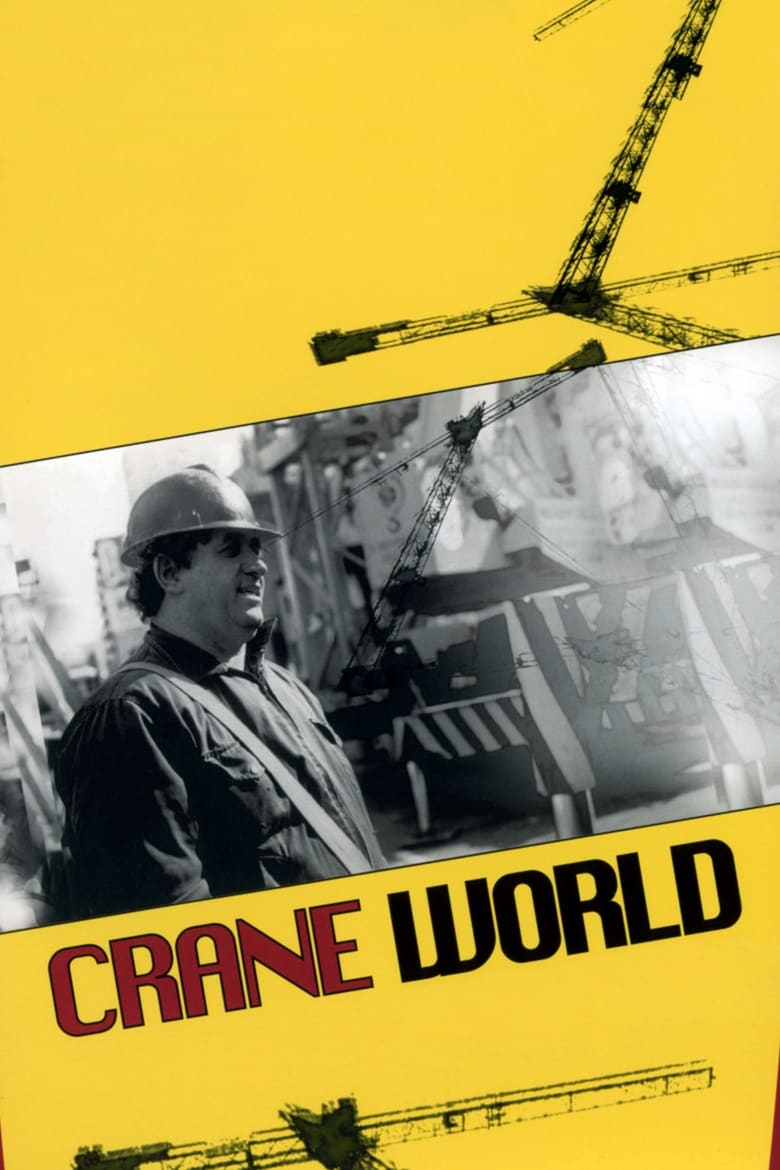
Crane World
A fifty-year-old crane operator looks for work. Black and white, low budget, without events. Trapero's first film and one of the period's most influential.
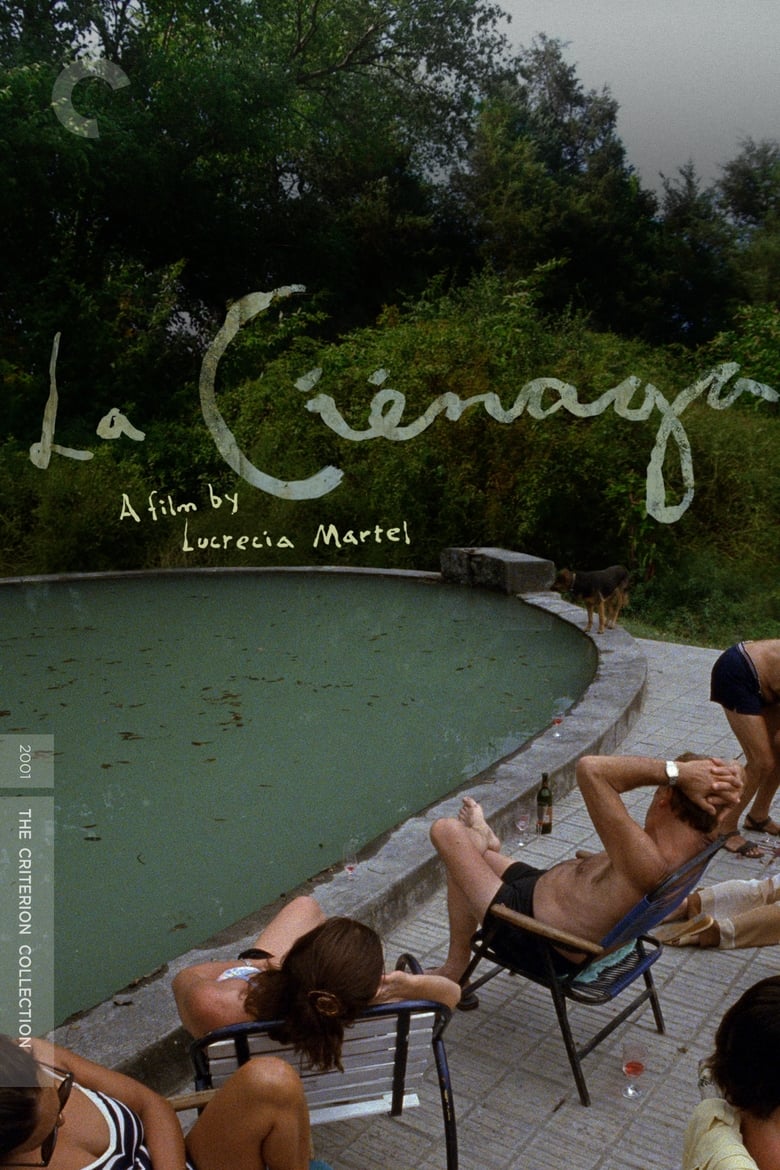
La Ciénaga
A summer house, two families, a swimming pool. Nobody swims, everybody drinks, something seems about to happen. Martel's first film; she says she works out the sound before the image, and sound sits at its centre.
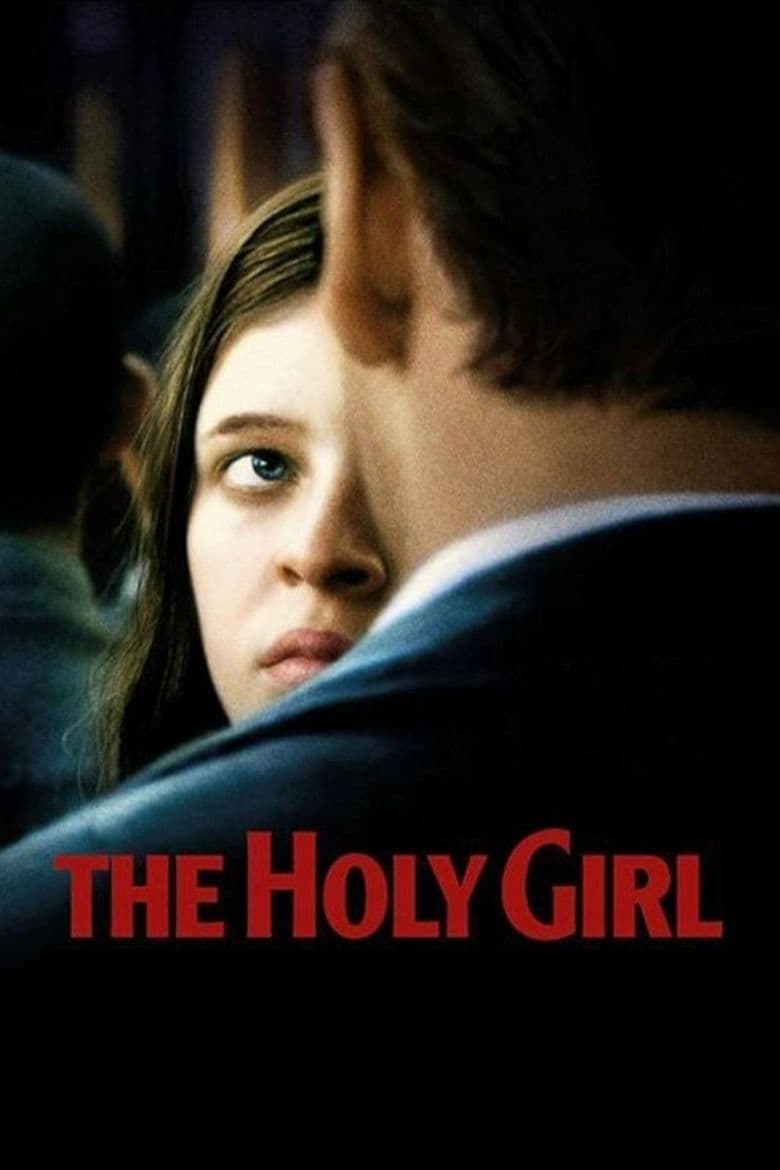
The Holy Girl
A doctor and a teenage girl at a hotel. Martel refuses the close-up; the frame is always crowded and who is doing what is always partly hidden.

The Headless Woman
A woman hits something with her car and does not stop. The film never says what she hit, and she does not want to know. The sharpest film ever written about class blindness.
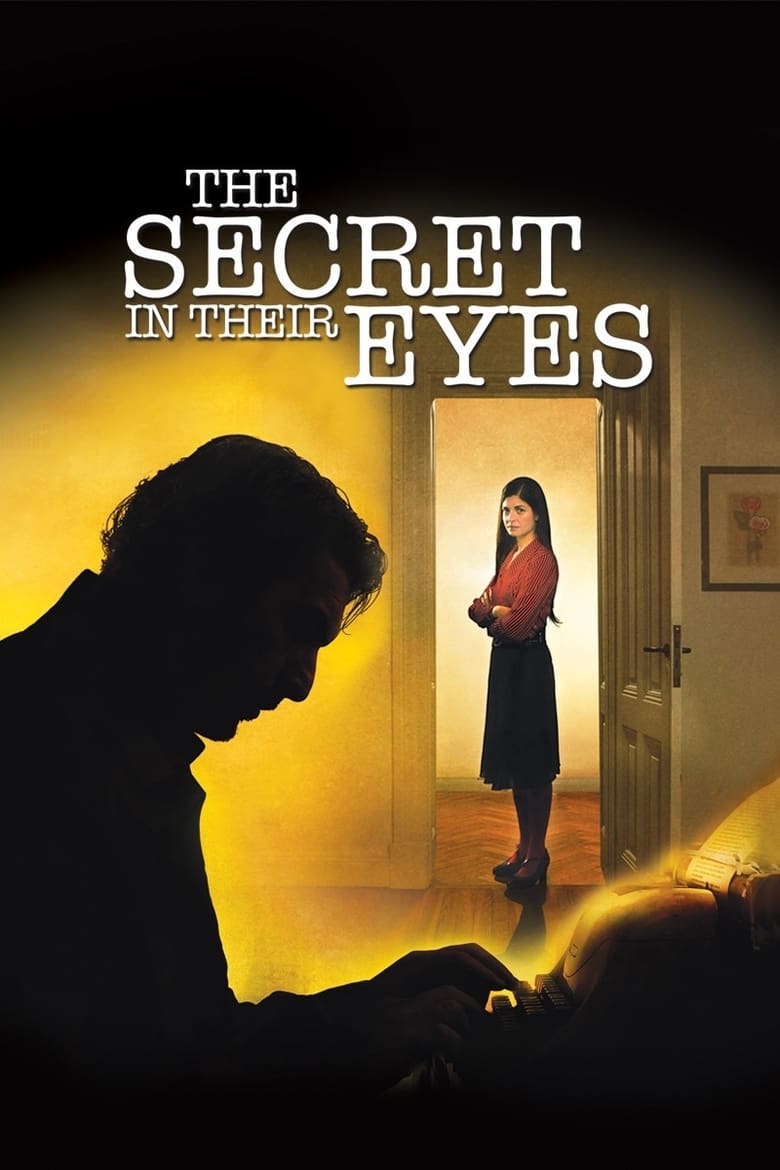
The Secret in Their Eyes
A retired court employee starts writing about a murder from twenty-five years earlier. The stadium sequence is one shot, assembled digitally. Argentina's second Oscar.
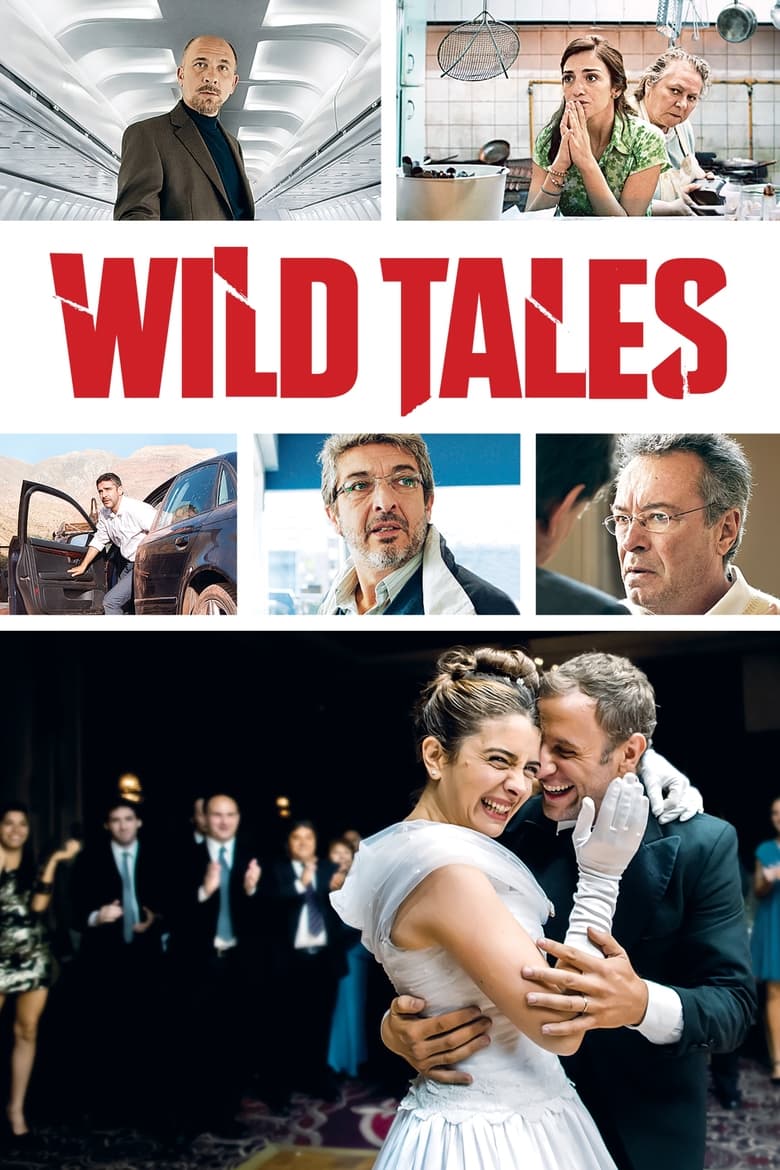
Wild Tales
Six short stories and in each one someone loses control. It broke the box office record in Argentina and was nominated for an Oscar.
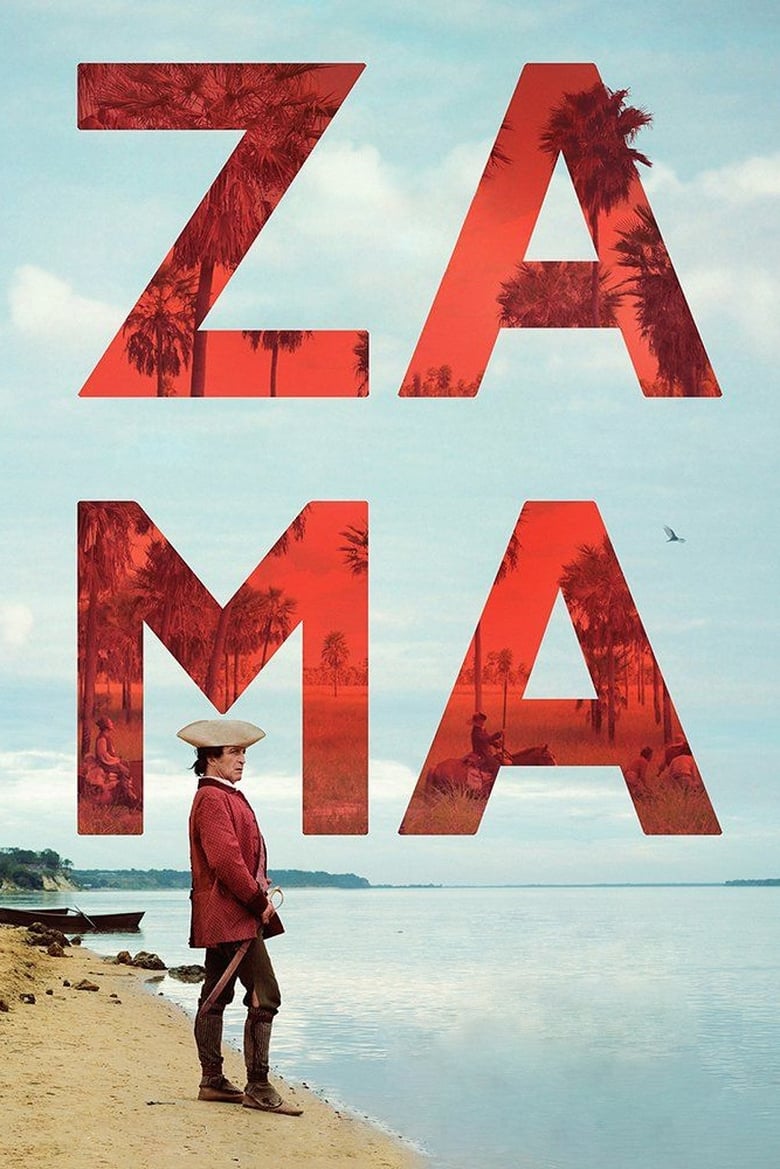
Zama
An eighteenth-century colonial officer waits for a transfer that never comes. Martel had not made a film in nine years; this was her return.
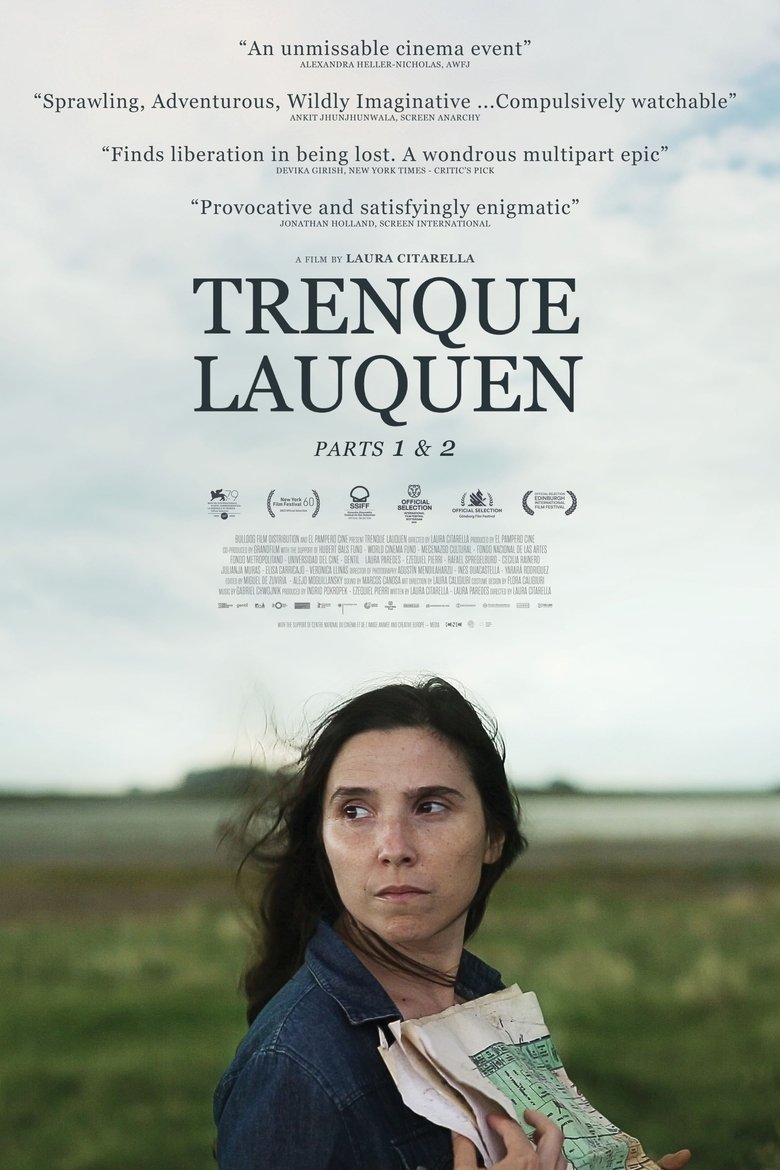
Trenque Lauquen
Four hours, two parts, a woman who disappears. El Pampero, the group Citarella belongs to, films with its own money and its own time — that is what independence looks like in Argentina today.
Directors in this room