Country room
Bangladesh
This country was founded over a language. In 1971 a Bengali-speaking people separated from an Urdu-speaking state, and nineteen of the twenty-one films in this room are in Bengali. Of the remaining two, one is in Urdu — and that film was made twelve years before the separation, when it was still one country.
Can a language found a country?
There are four stops in this room. The first is the Liberation War: the allegory made before 1971, the document of the war, its first fiction, and its remembering years later. The second is rural realism — delta poverty, a false shrine, a village going under water. The third is the new wave: directors working outside the state after the nineties. The last is the present.
Read more
There is one woman director in this room and her film is from 2019.
1959 → 2024
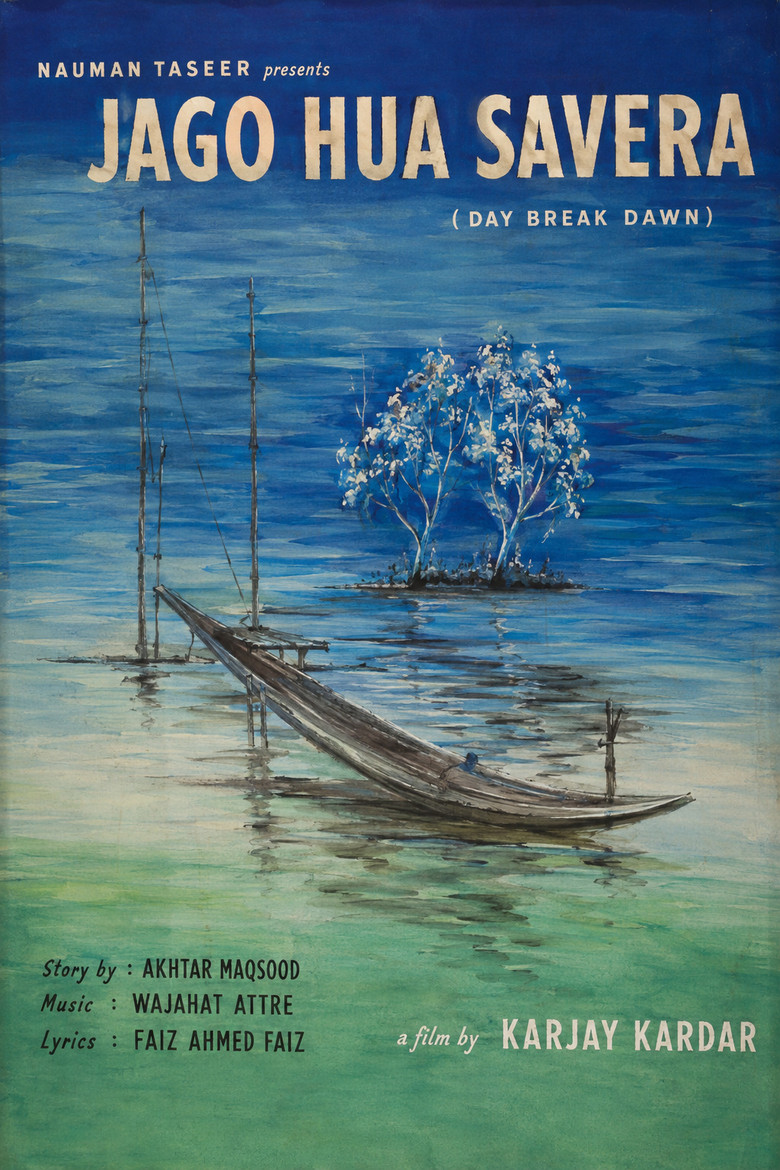
Day Shall Dawn
Fishermen on the Meghna and a boat debt that cannot be paid. The film was made in Urdu because the country was then East Pakistan — this is the chain's only Urdu link. Eleven years later, in a mansion, an elder sister gives the keys to nobody.
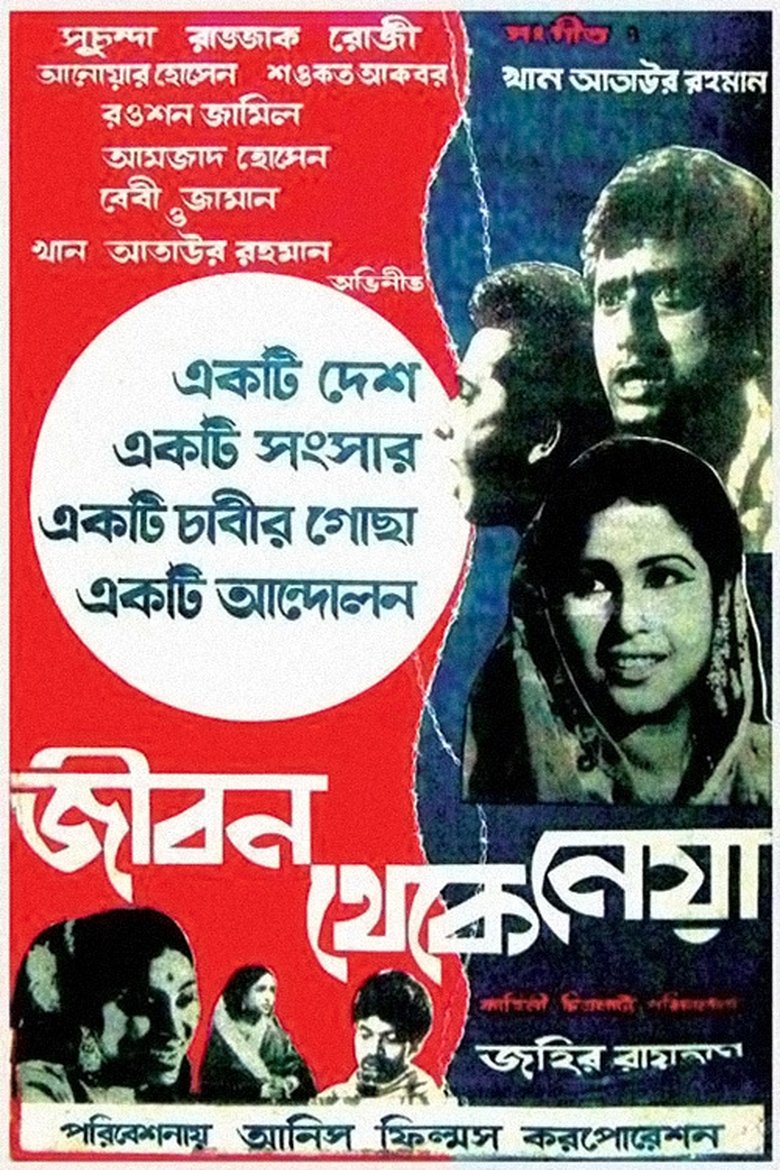
Jibon Theke Neya
Domestic tyranny is built as an allegory and audiences understand at once what is being told. The Pakistani authorities moved to stop the film, and a year later the war began. The next year the same director takes the camera to the refugee roads.

Stop Genocide
Mass graves, walking crowds, and an English narration. This document was completed while the war was going on and became among the first evidence of that war to reach the world. The next year the war ends and eleven guerrillas play themselves.
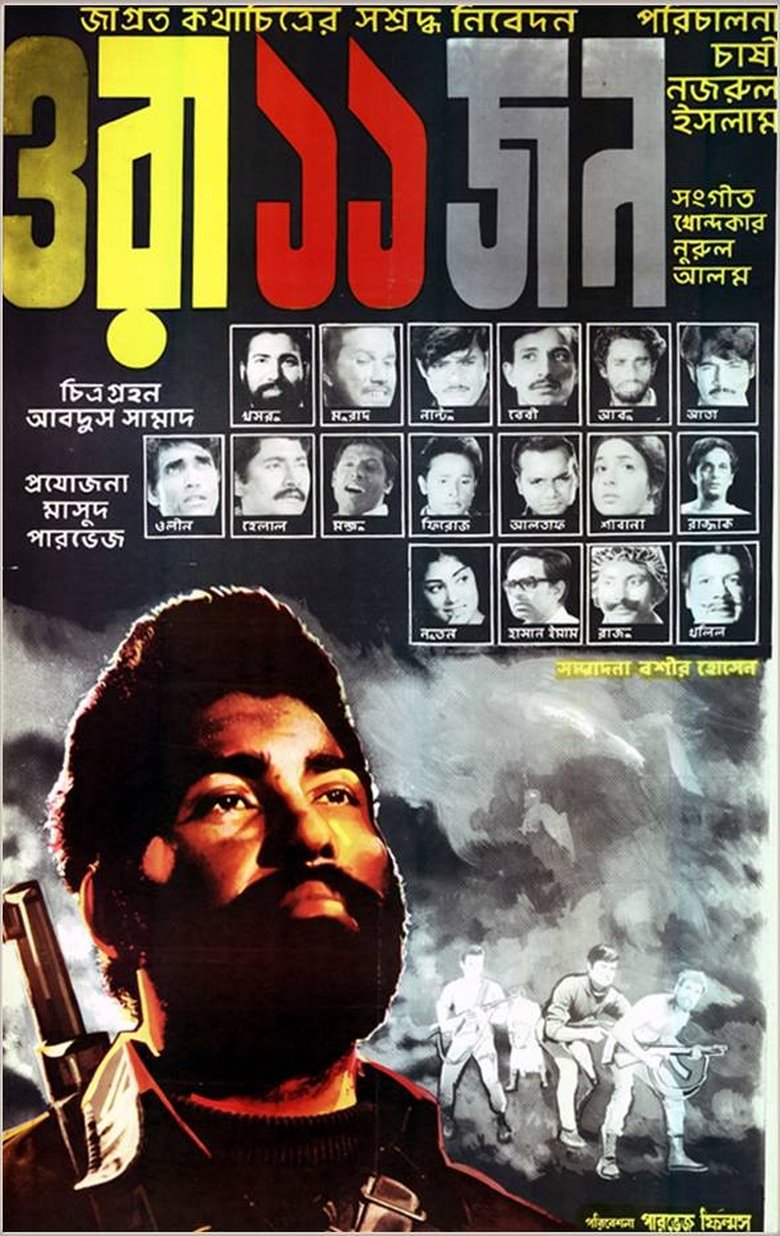
Ora 11 Jon
It was made a few months after the war ended and those acting were real commanders. Islam built the fiction so close to the document that the difference between the two forms closes. The next year an Indian director comes to film a river drying up.

A River Called Titas
The river recedes, the fishermen scatter, and the community can no longer hold. Ghatak came from India and made this film here two years after independence. Six years later a woman moves into a house called ill-omened.

The Ominous House
The rain does not come and the village blames her. Ali and Shaker worked in a real village and took the film's texture from documentary. Sixteen years later a family hides a guerrilla in their house.
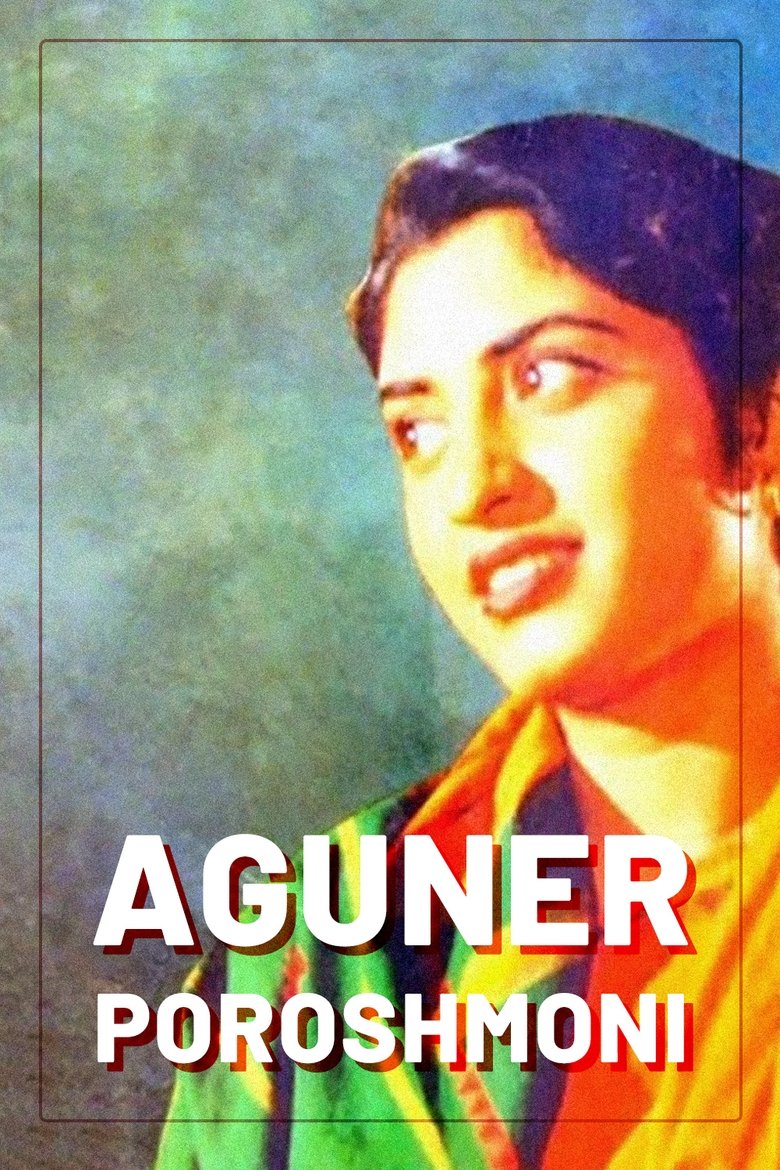
Aguner Poroshmoni
A house in occupied Dhaka and patrols passing outside. Ahmed filmed the war not from the front but from a living room and made danger a daily calculation. Six years later a grave nobody can identify is found in a village.

A Tree Without Roots
A shrine is built around the grave and a village around the shrine. Mokammel filmed religion not as a question of belief but as a way of making a living. The next year a boy is put into a madrasa by his father.
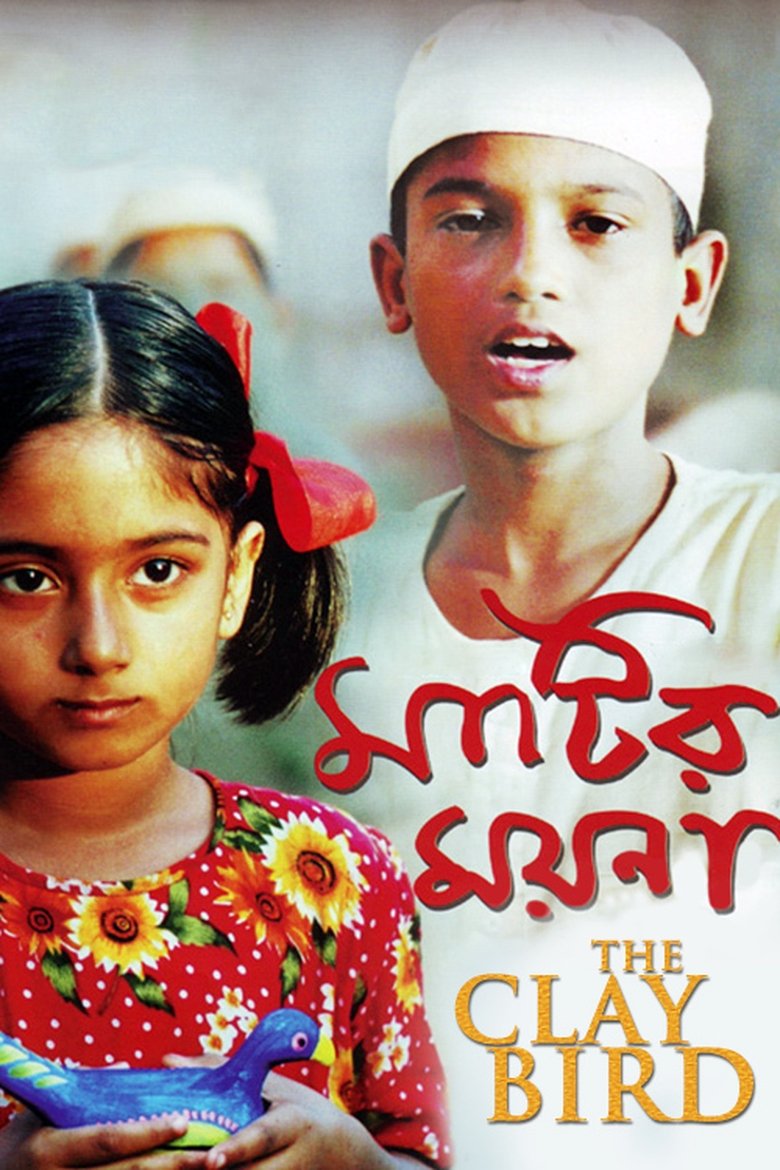
The Clay Bird
In the sixties a family divides and the country moves the same way. Masud filmed his own childhood, the censor board first refused the film, and it was released after an appeal. Two years later the life of a poet belonging to no religion is filmed.
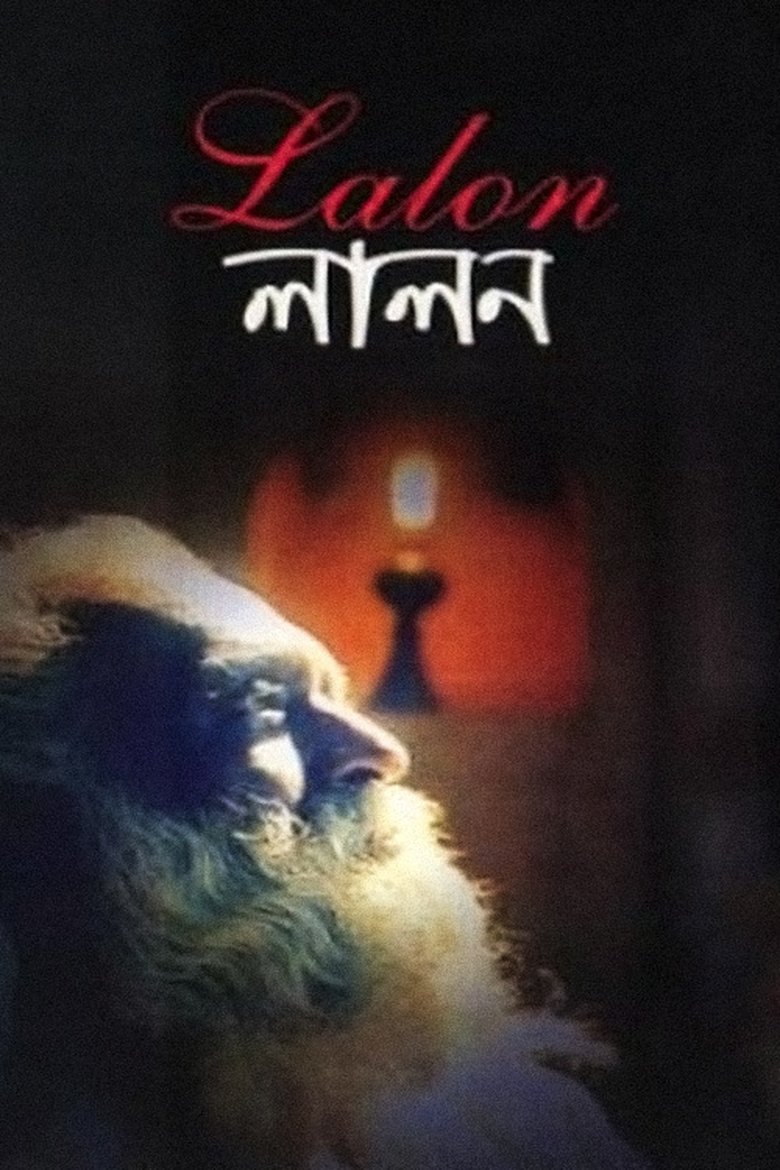
Lalon
A man counted neither Muslim nor Hindu, and songs both sides listen to. With this film Mokammel established the independent strand and worked outside the state studio. Five years later, on an island, a crime and a love join in the same story.

Monpura
An island, two people, and a man who takes the blame for another. Selim built melodrama in its most classical form and the film was talked about here for a long time. The next year a young man looks for work beside an airport fence.

Runway
Unemployment leaves a void and something else fills it. This became Masud's last film — a year later he died in a road accident. The next year somebody who had been in the war forty years earlier films that war.
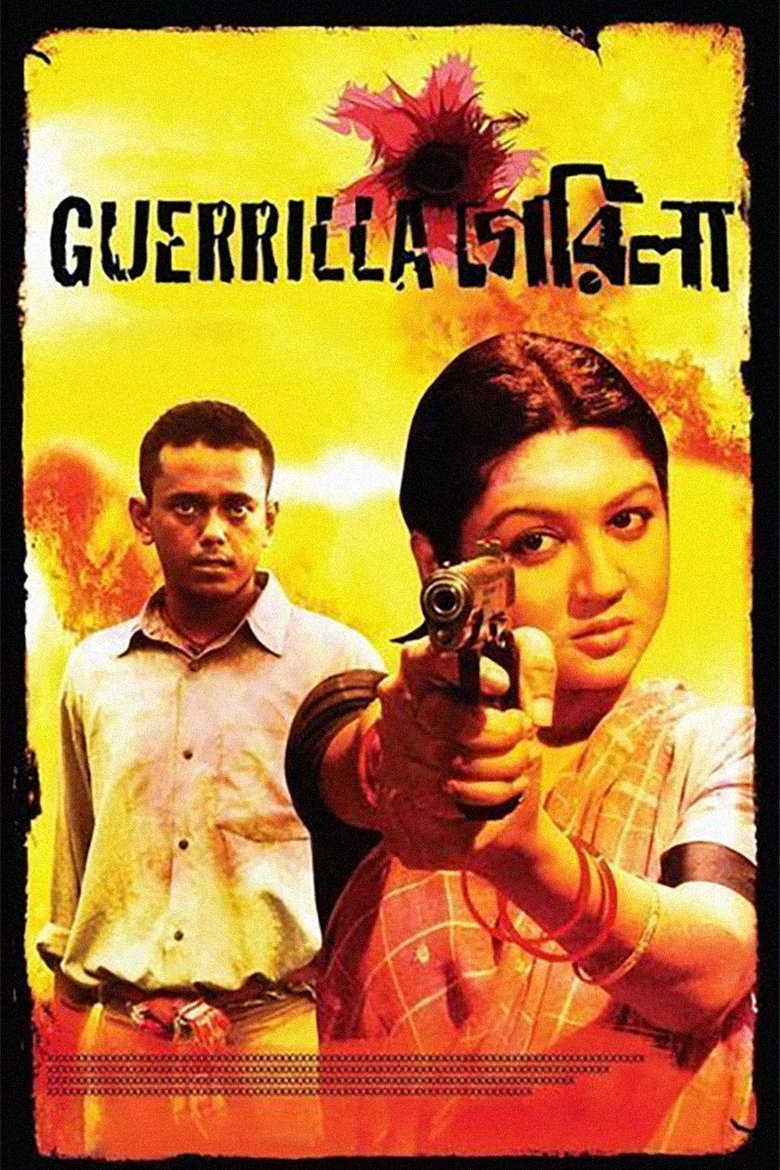
Guerrilla
A woman who stays in the city and a husband who never returns. Yousuff had actually fought in the war and this time told what those who stayed at home did. The next year a village chairman declares television a sin.
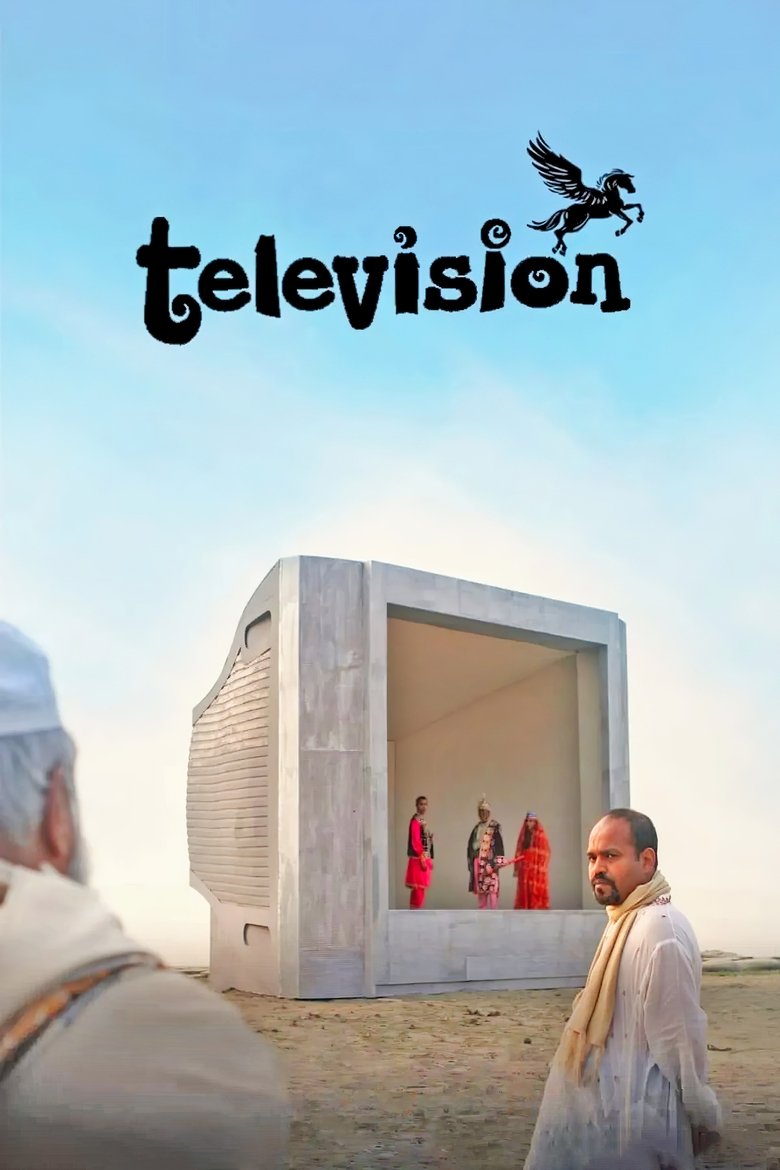
Television
The ban is imposed and the one who imposed it watches in secret. Farooki filmed this not as a religious argument but as a difference of generation. Four years later an actor lives as somebody else in the houses he robs.

Mirror Game
A crime film, a game of identity, and an unexpected box-office success. Chowdhury established genre at this scale in this country for the first time. Eight years later a woman starts working nights while caring for her paralysed mother.
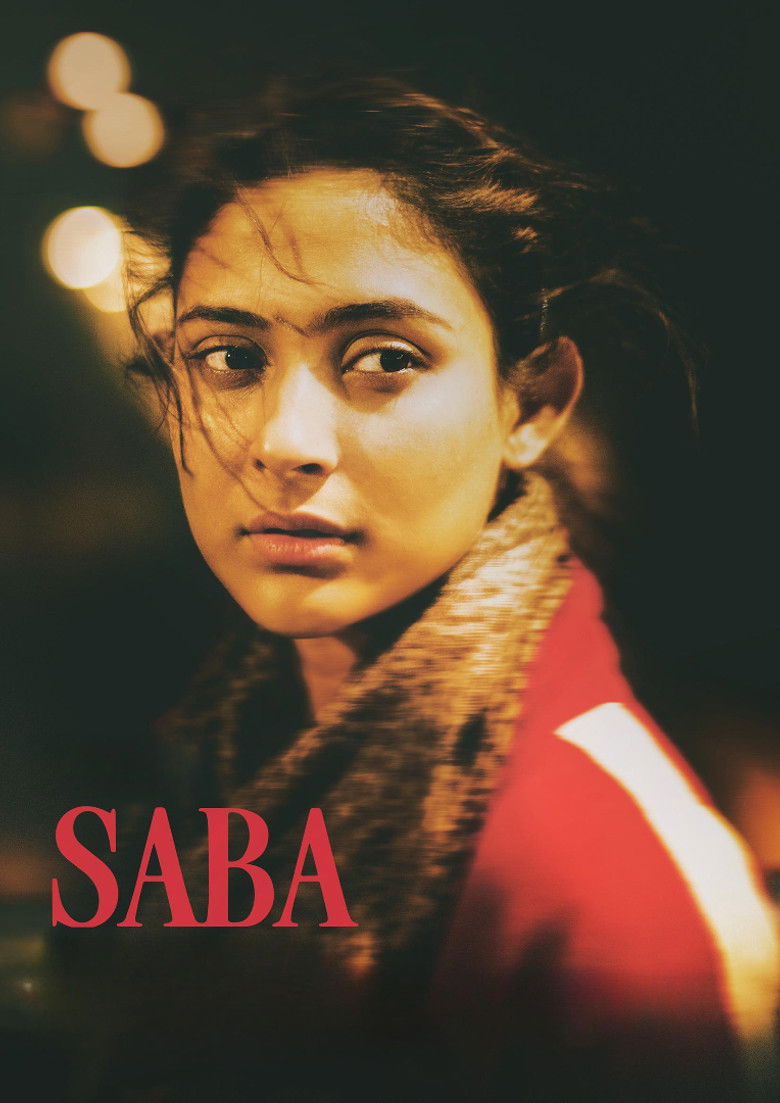
Saba
Care work and paid work do not fit into the same day and nobody comes to help. The chain began in 1959 with a fishing film in Urdu and ends sixty-five years later with a Dhaka film in Bengali — in between, a language founded a country.

