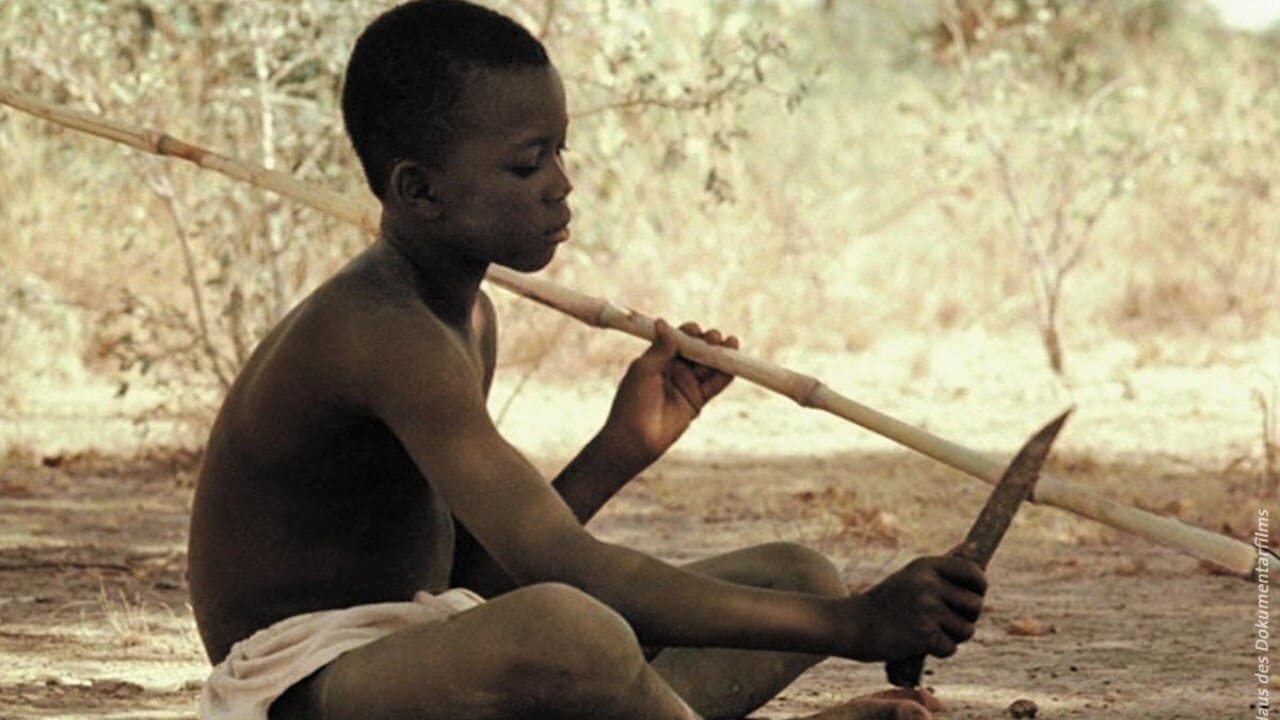
Country room
Burkina Faso
Africa's largest film festival has been held in this country since 1969, and every two years films arrive in Ouagadougou from across the continent. The Étalon d'Or has gone to more than seventeen countries — the host country has won it only twice. Burkina Faso became the continent's centre of cinema, and its own cinema holds twenty-five films.
How does a country build its own cinema while hosting everyone else's?
There are four stops in this room. The first is the founding and FESPACO: a festival set up after independence and a cinema formed around it. The second is the Ouédraogo generation — directors who reached Cannes at the end of the eighties, became known abroad, and still film in their own language. The third is the woman's voice: two directors, four films, and nobody at all in the founding period. The last is the present.
Read more
Nineteen of the twenty-five films in this room were made in Mooré, Dioula or Fulfulde.
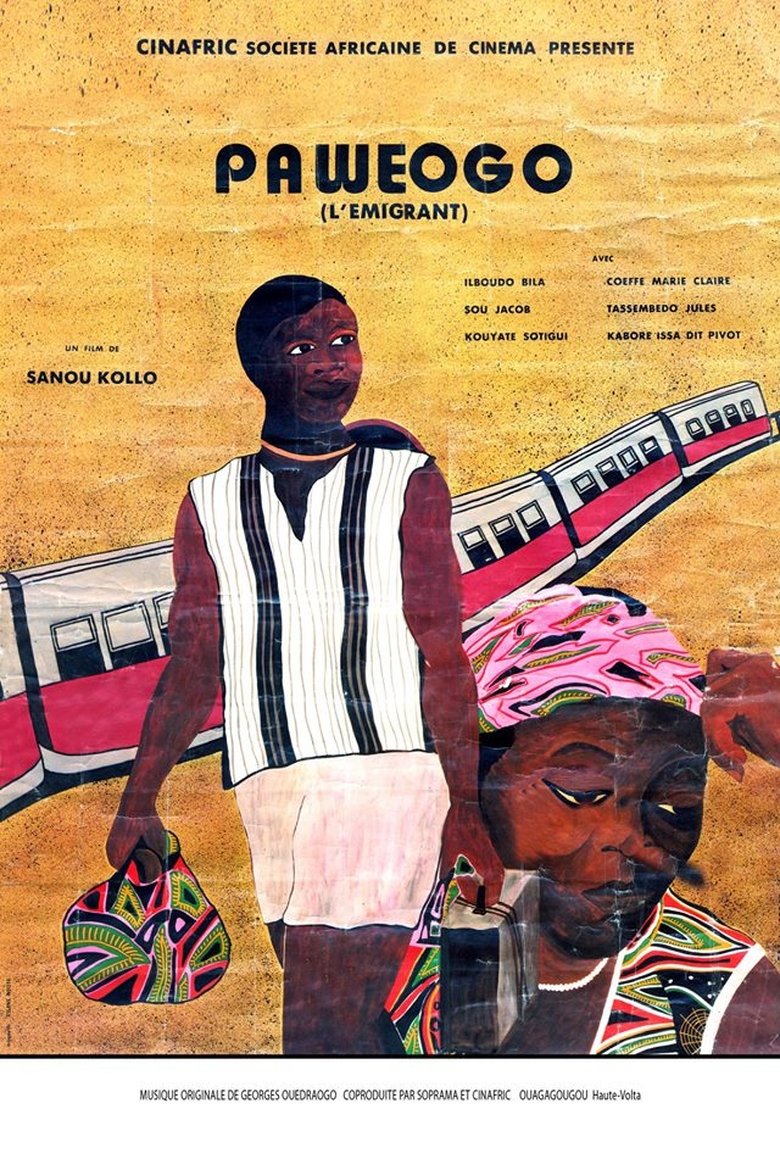
Paweogo
A young peasant sets out to work in Côte d'Ivoire and on the way escorts a runaway bride. One of the country's first films about migration, and in those years this was the most travelled road. The next year a boy who does not speak is found on the savannah.

God's Gift
Because his name is unknown they call him "God's gift", and his speech returns only through a tragedy. Kaboré filmed in Mooré and founded the country's cinema in its own language. Four years later a ten-year-old girl is caught between two generations.
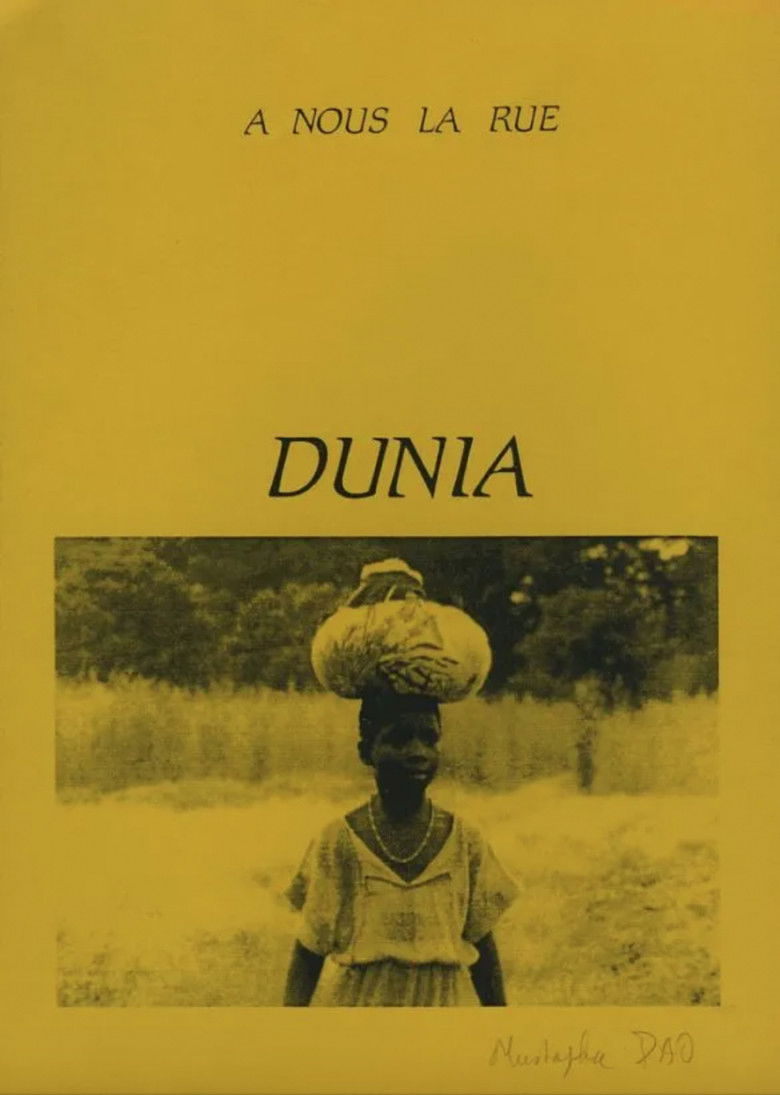
Dunia
A girl, her grandmother, and a house divided between tradition and the city. Yameogo made his first feature and became the third name of this generation. Two years later a boy becomes friends with the woman the village calls a witch.

Yaaba
Bidi carries water to the old woman and does not care what the village says. It won the critics' prize at Cannes, and Burkinabé cinema was seen abroad at this scale for the first time. The next year school-leavers chase scholarships and connections.
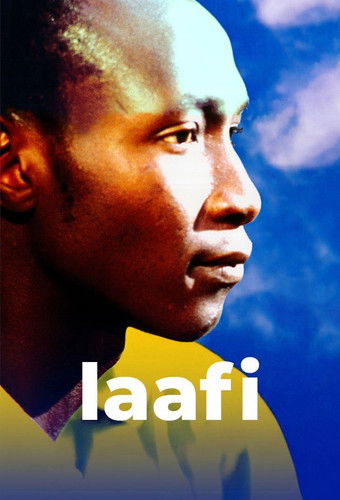
Laafi
Ministry corridors, scholarship lists, and doors that do not open. Thirty years after independence Yameogo showed that education was still a privilege. The same year a man returns from a long journey and finds his betrothed with his father.
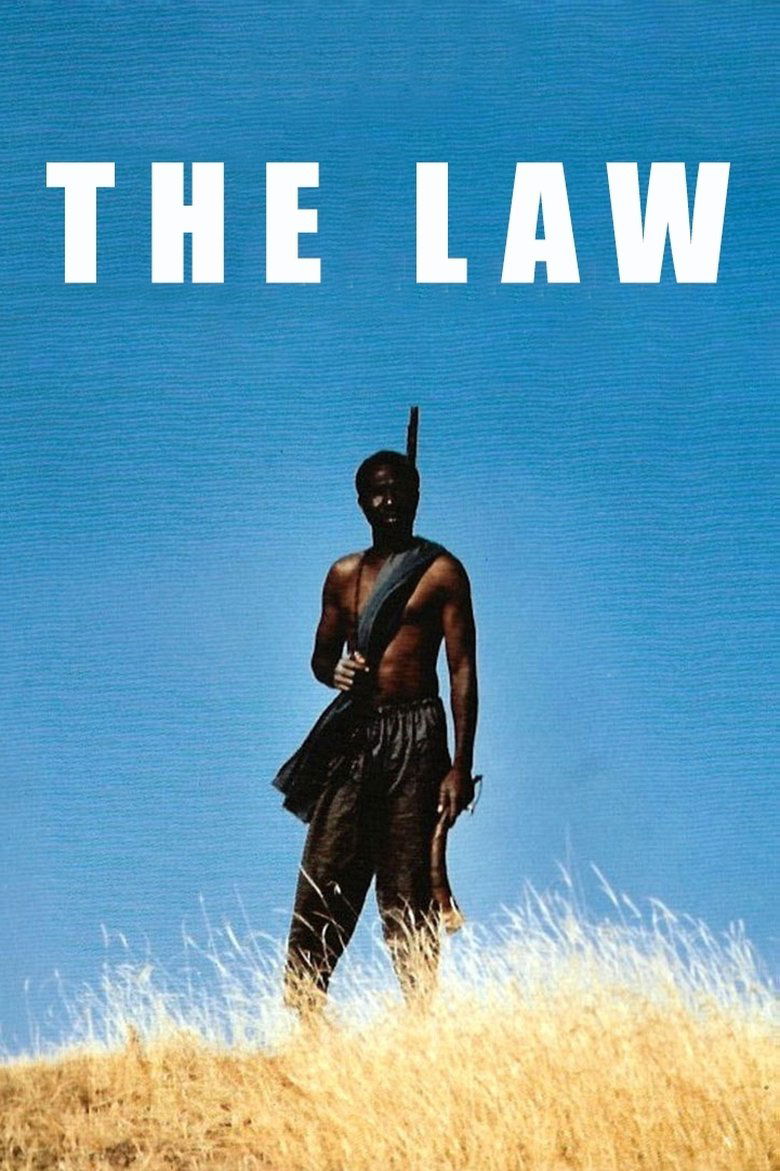
The Law
The village's law and what lies between two people collide, and neither steps back. It took the grand prize at Cannes and, the following year, the Étalon d'Or at FESPACO — the country's best-known film. Two years later a grandfather shows his grandson a tortoise.
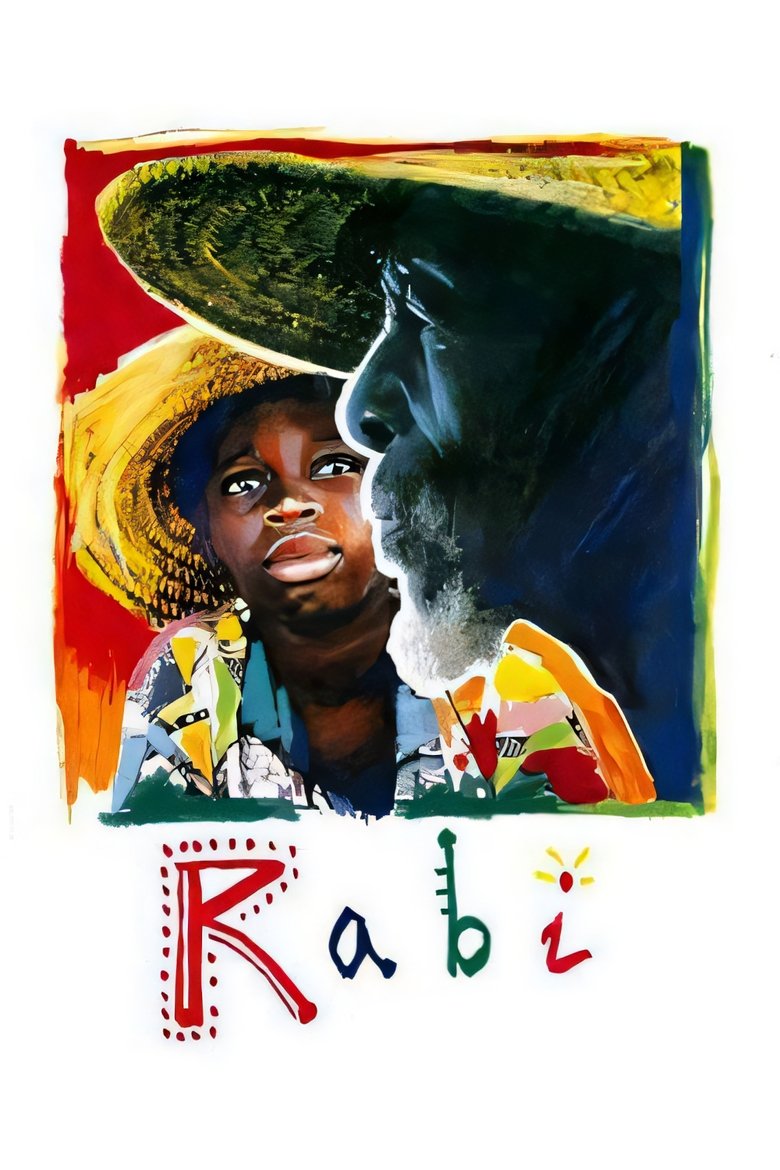
Rabi
A courtyard, three generations, and one season. Kaboré kept the children's film from becoming a moral and took the jury prize in Carthage. The next year an abandoned boy goes to the city to look for his identity.
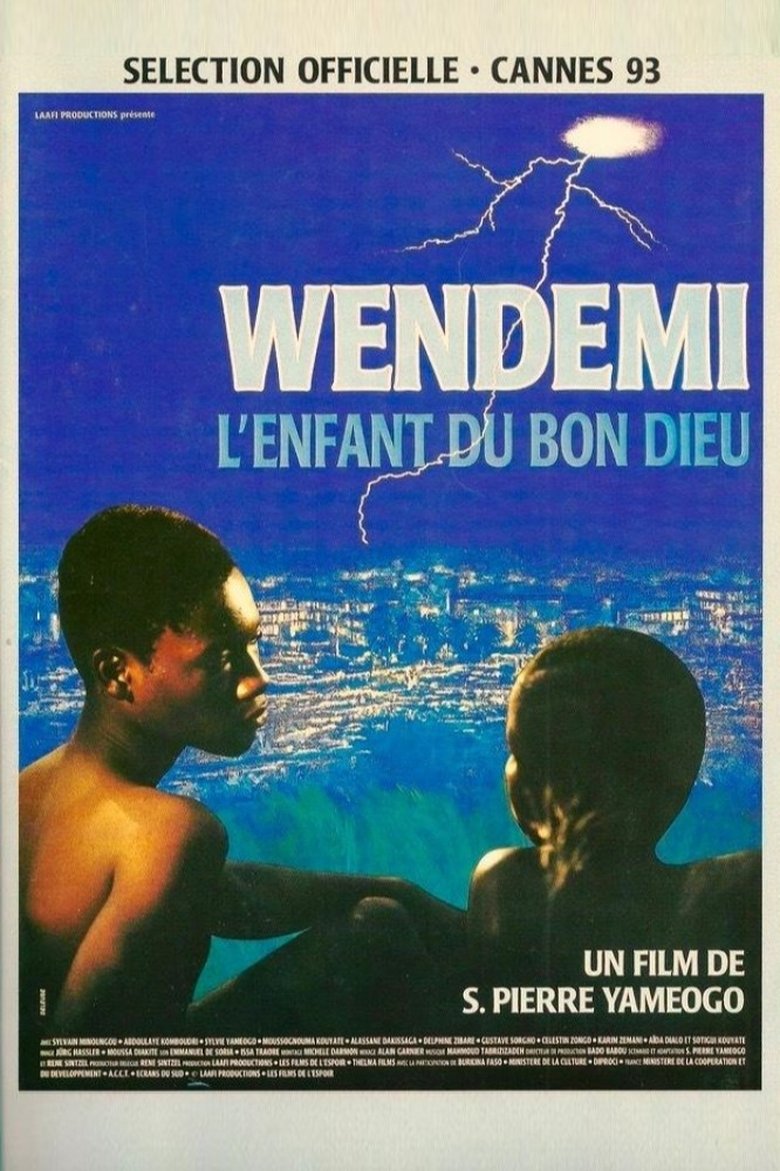
Wendemi
The city tells him not who he is but who he is not. This time Yameogo filmed the road from village to city as a loss. Four years later the boy from a film made fourteen years earlier has grown up.
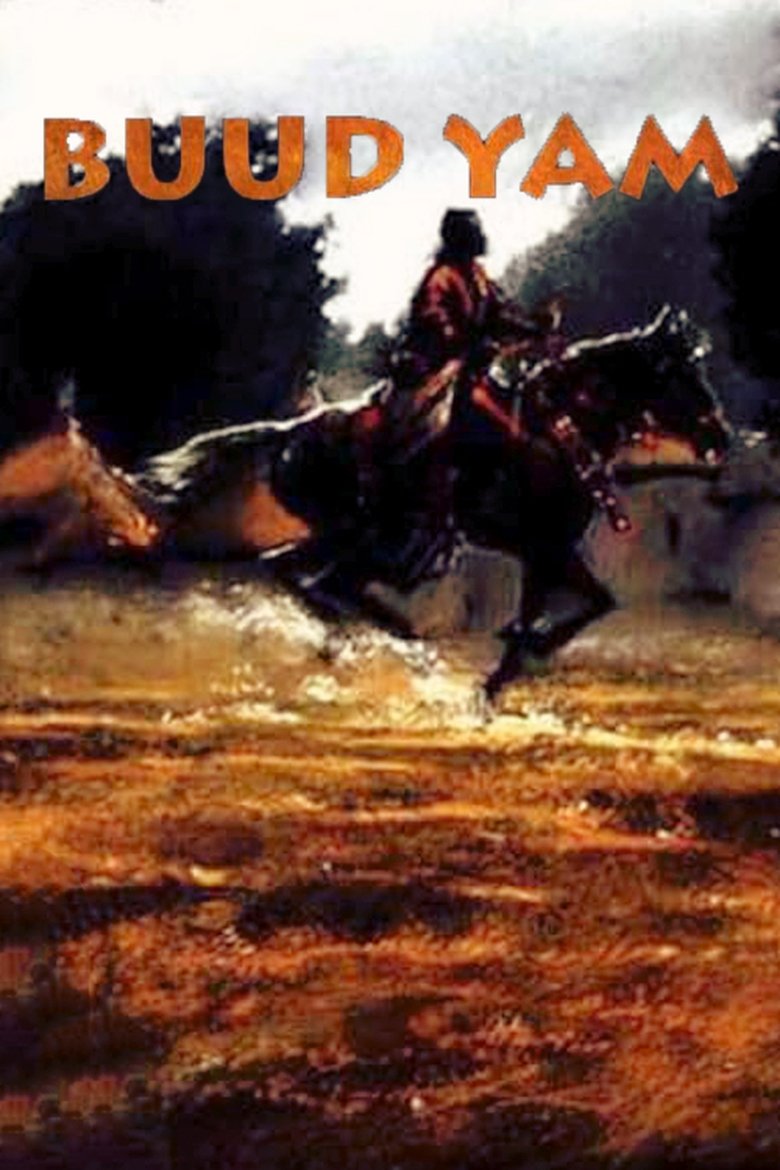
Buud Yam
The boy, now grown, crosses the savannah looking for a healer for his sister. It took the Étalon d'Or at FESPACO, and the host country won that award for the second and last time. The same year a woman buys condoms in town and returns to the village.
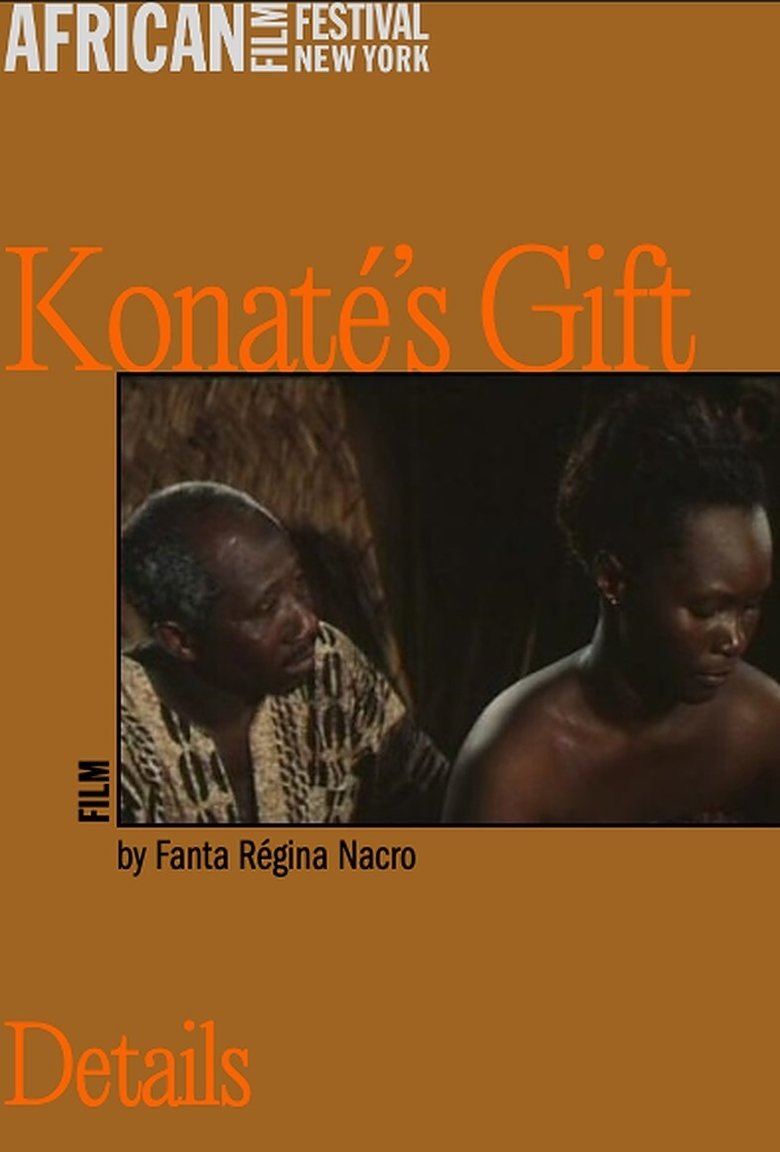
Konaté's Gift
Her husband refuses and the woman does not step back. Nacro brought a woman director's voice into this country's cinema — in the founding period there was no such voice at all. Seven years later the camera enters a poor quarter of the capital.

Ouaga Saga
One plan fails, they move to the next, and the day passes this way. Kouyaté showed poverty not as a story of suffering but as the method of staying afloat. The next year a woman is held responsible for children's deaths and flees the village.
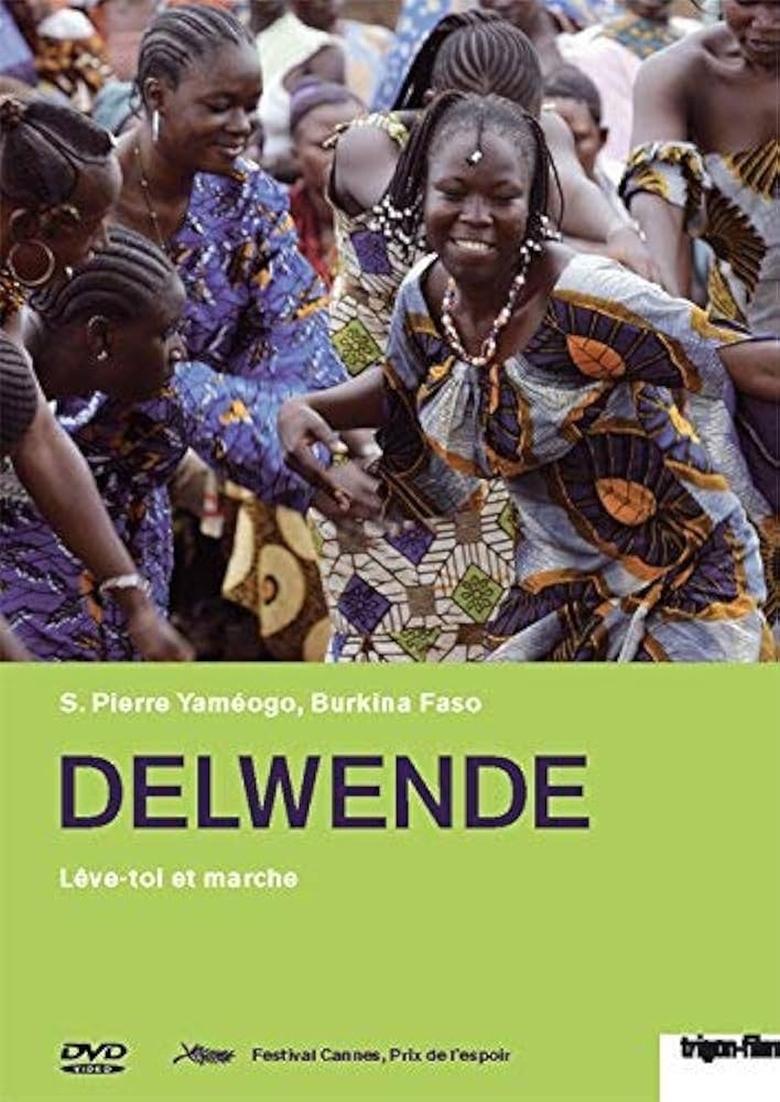
Delwende
The village declares her a "soul eater" and she finds herself in a shelter in Ouagadougou. Yameogo showed at Cannes that this accusation is a real and continuing practice. Twelve years later four women cross West Africa by bus.
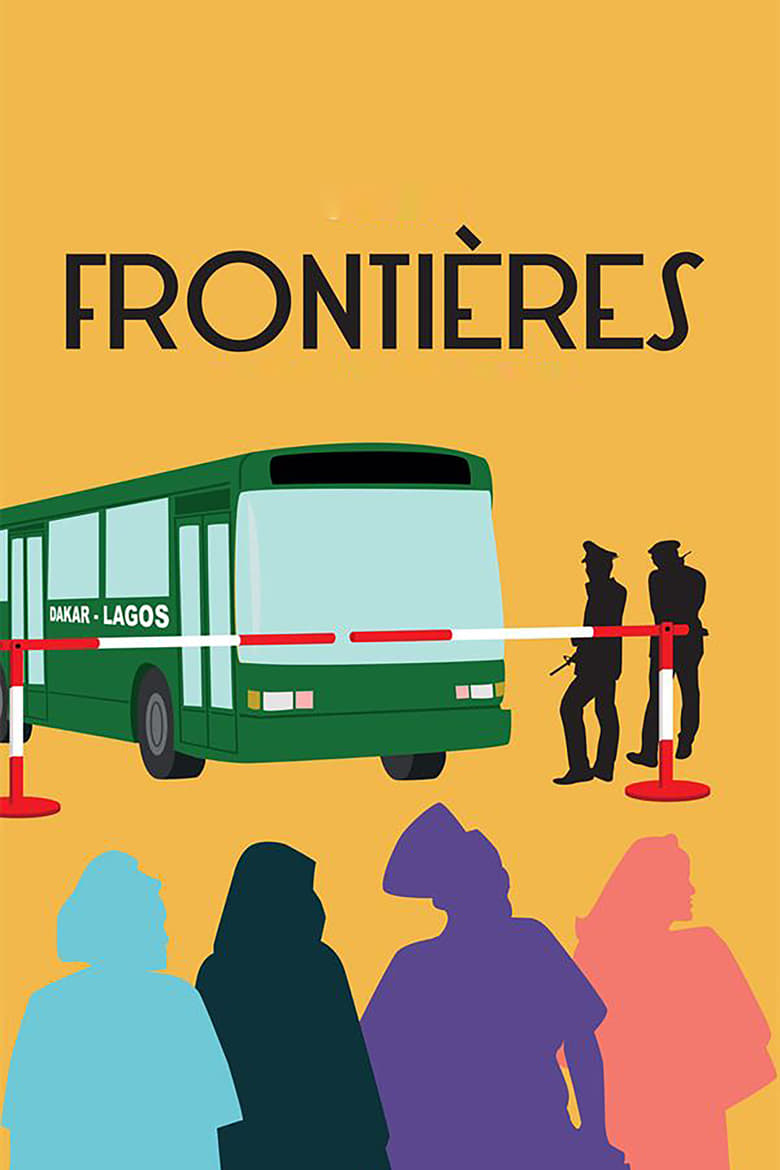
Borders
Four countries, one bus, and a price paid at every border. Apolline Traoré leaves the free-movement agreement on paper and shows what actually happens. The same year a lawyer is obliged to defend a warlord accused of war crimes.
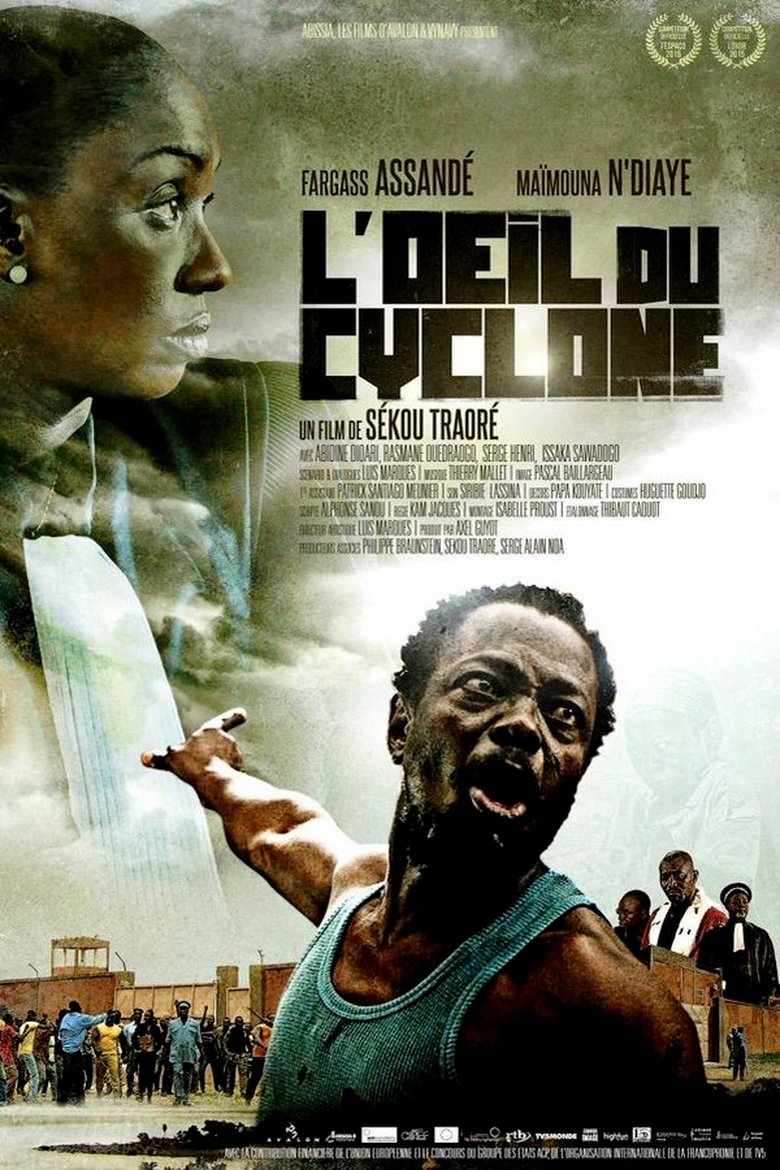
Eye of the Storm
A case, two sides, and a court in which nobody is innocent. Sékou Traoré fitted the question of child soldiers into a legal drama and did not deliver justice. Six years later a woman resists an armed group alone in the desert.
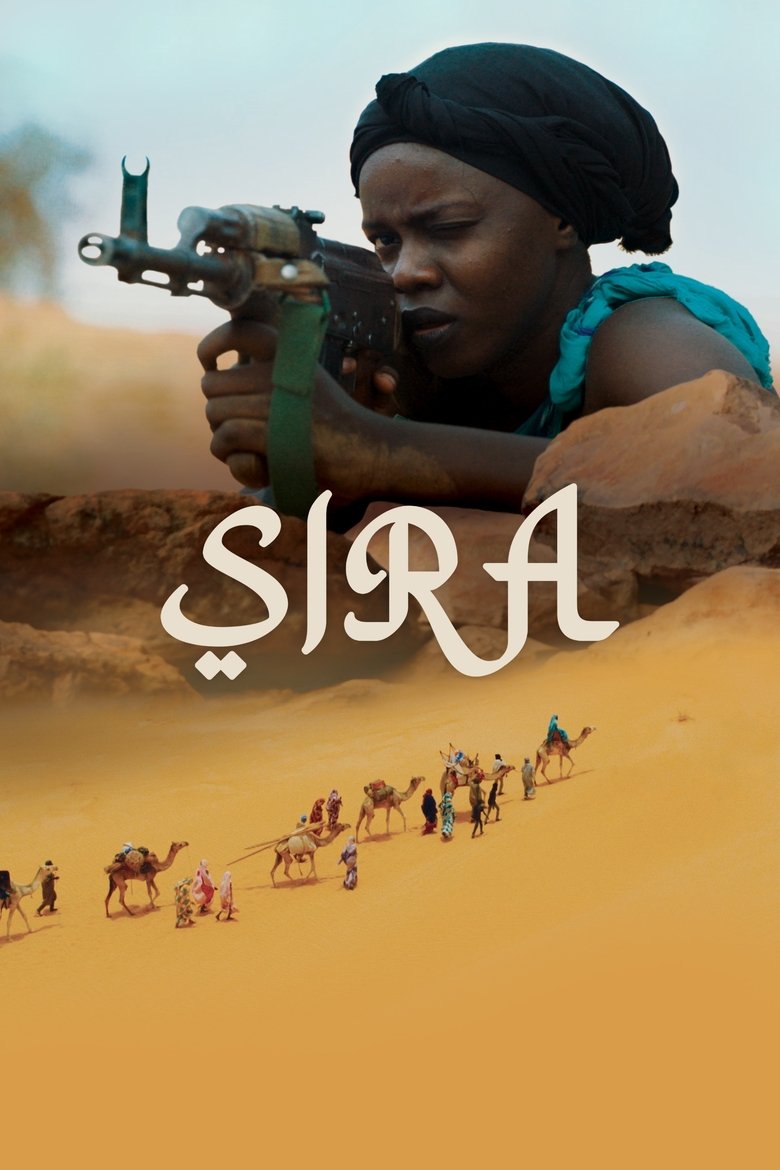
Sira
She escapes, remains in the desert, and nobody comes looking. It won the audience award in Berlin, and the conflict in the Sahel became this country's cinema's new subject. The next year a boy of sixteen goes a hundred metres down.
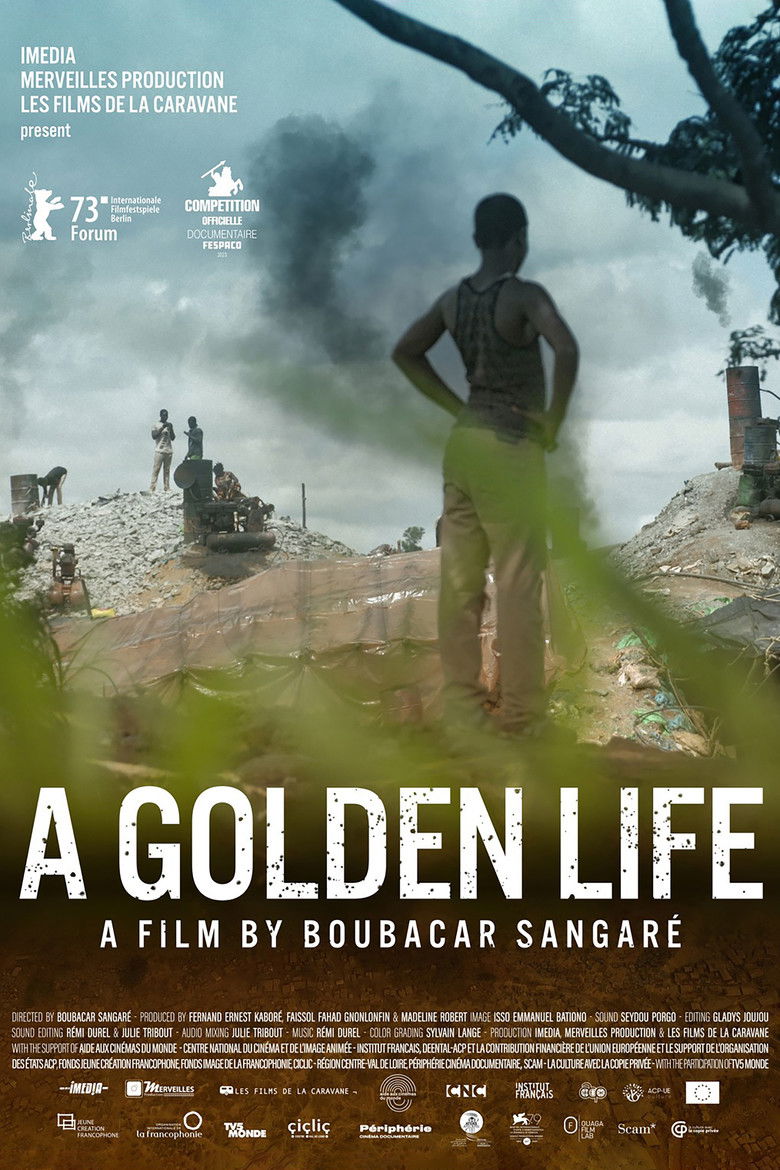
A Golden Life
A boy in an unlicensed gold mine and a camera going down with him. The chain began in 1982 with a road to Côte d'Ivoire and ends forty-two years later at a point where there is nowhere left to go but down.