Country room
China
The generations were numbered.
Why would a cinema put its own history in order?
Chinese cinema is the only one that numbers its generations.
The fifth generation opened to the world; the sixth filmed without permission.
The Beijing Film Academy closed in 1966 and for ten years nobody studied film.
It was the Cultural Revolution. Students were sent to the countryside, teachers were put to work, the studios stopped. When the school reopened in 1978, the young people who entered those classrooms had lost ten years — most had worked in the fields.
That class graduated in 1982 and came to be called the fifth generation.
The numbering comes from there. Not because the earlier ones had been counted, but because this generation wanted to separate itself from them.
Chen Kaige, Zhang Yimou and Tian Zhuangzhuang were in the same class. They graduated the same year, worked on each other's films, and within a decade introduced Chinese cinema to the world. Zhang Yimou took the Golden Bear in Berlin, Chen Kaige the Palme d'Or at Cannes.
Read more
Then the sixth generation arrived and rejected the fifth.
The fifth filmed history — the village, tradition, the red lantern. The sixth filmed the present: unemployment, migration, neighbourhoods being torn down. And they did not get state permission.
Jia Zhangke made his first three films illegally. Wang Bing recorded a nine-hour documentary on his own camera. These films were not shown in China and won prizes abroad.
Both have changed since. Jia now films with permission, Zhang Yimou makes large productions.
The numbering has stopped too. There is no seventh generation — perhaps the period in which the ordering was useful has ended.
The Chain

The Goddess
A prostitute in Shanghai puts her son through school. Ruan Lingyu played her; a year later she killed herself at twenty-four and hundreds of thousands came to her funeral.

Spring in a Small Town
Four people in a ruined house and a visitor who arrives. It was made a year before the 1949 revolution, then dismissed as bourgeois and forgotten. Rediscovered in the nineties, it was voted the best Chinese film ever made.

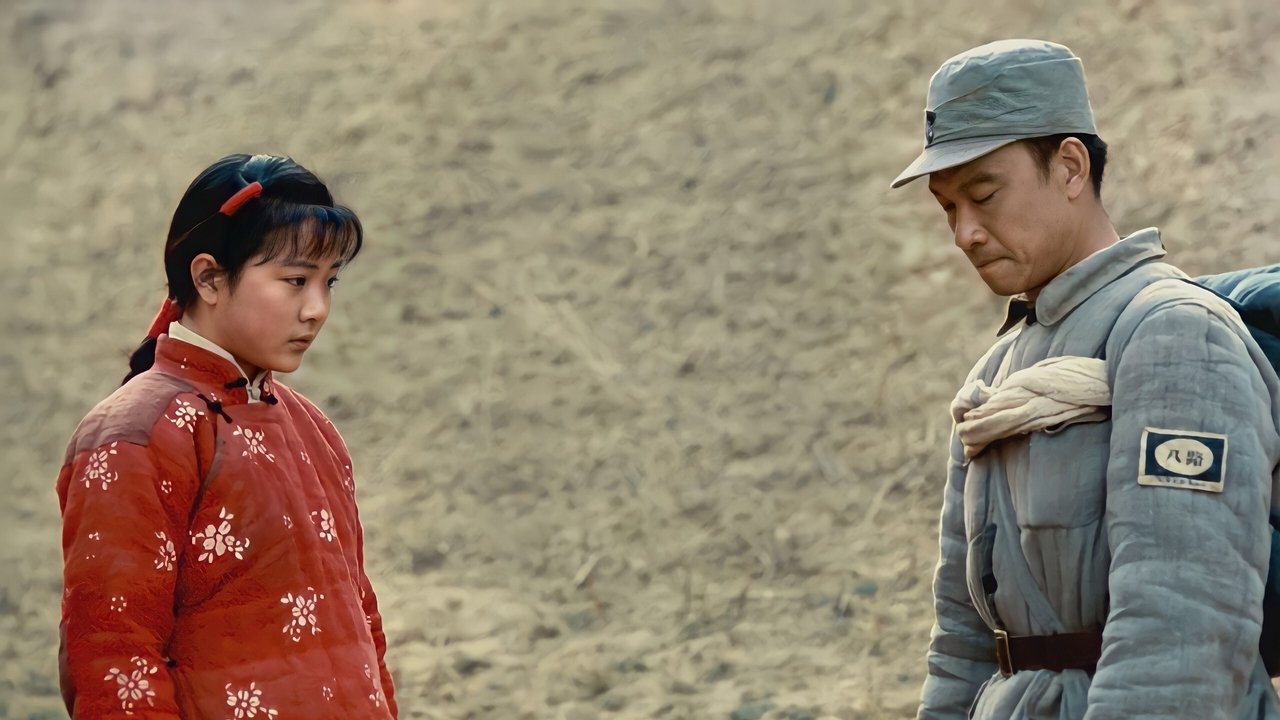
Yellow Earth
A soldier comes to a village to collect folk songs. The cinematographer was Zhang Yimou — it is taken as the first film of the fifth generation, and both men came out of it.

Red Sorghum
Zhang's first film as director and Gong Li's first film. It won the Golden Bear in Berlin — China's first major international award.
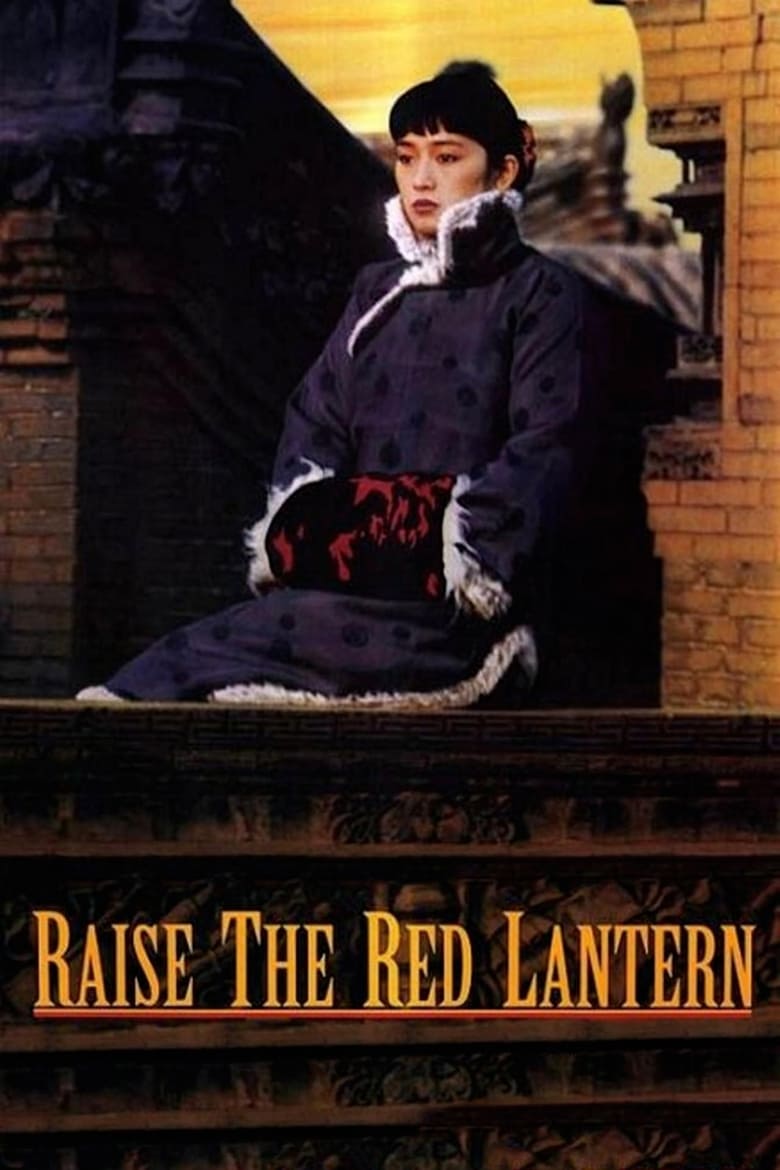
Raise the Red Lantern
Four wives in a mansion and, each evening, whose door the lantern will hang at. Zhang controls colour so tightly that every courtyard becomes a prison.

Farewell My Concubine
Fifty years, two opera performers, a revolution. It won the Palme d'Or at Cannes — China's only Palme. It was briefly banned in China after the award.

The Blue Kite
The Great Leap Forward and the Cultural Revolution through a child's eyes. Tian finished it without permission, the film was banned, and he was barred from directing for ten years.

To Live
Forty years of one family: gambling, war, revolution, famine. It won the jury prize at Cannes and was not permitted to screen in China. Zhang could not work for two years.

Xiao Wu
A pickpocket and a town that is changing. Jia made it without permission, with his own money, on 16 mm. The sixth generation begins here.

Platform
A theatre troupe falls apart over ten years, and China changes along with them. Jia uses no close-ups at all — the people are always distant and small.

Beijing Bicycle
A courier boy loses his bicycle and the boy who finds it will not give it back. Both need the same bicycle. It won the Silver Bear in Berlin.

West of the Tracks
Nine hours. An industrial district closing down and the people who work there. Wang Bing filmed alone, handheld, over two years.

Still Life
A town is being demolished for the Three Gorges Dam while two people look for what they have lost. It won the Golden Lion at Venice; at one point a building takes off like a rocket and nobody explains it.

Black Coal, Thin Ice
A policeman returns to a murder from five years earlier. It won the Golden Bear in Berlin and also did well at the Chinese box office — few films manage both.

Long Day's Journey Into Night
The second half of the film is a single shot lasting fifty-nine minutes — in 3D. The audience is told to put the glasses on at that moment.

An Elephant Sitting Still
Four hours, one day, four people. Hu Bo was twenty-nine and died shortly after finishing it. It is his only feature.
Directors in this room