Country room
Colombia
This country's cinema began not with a manifesto but with a joke. Two directors turned the camera on their own colleagues and played the crews selling poverty to Europe. Everything that followed was shot inside that suspicion: who has the right to look, where the image goes, and what the camera takes with it when it leaves a house.
The camera filming a country — who is it showing it to?
There are four stops in this room. The first opens with a group of friends in Cali mocking their own profession; they made a horror film, they made a fake documentary, and they took both seriously. The second is the nineties: a state fund was set up, the camera went down into the street, the actors were not professionals. The third is the years when the country's map opened — the Pacific coast, the Amazon, the Andean countryside, places not filmed until then. The last is the present.
Read more
In most of the films here the actors play themselves, and that is a matter of budget as much as of method.
1978 → 2022

The Vampires of Poverty
A crew looks for poor people in the streets of Cali, finds them, films them. Then the people they filmed come at the crew and the camera is caught inside the fight. The film is not a documentary but an enactment of documentarians — and this country's cinema opens with that joke. The same group, the same city, this time through genre.

Pure Blood
A wealthy patient and the blood that keeps him alive. Ospina attaches the horror not to the supernatural but to a supply chain, and where the blood comes from becomes the film's real subject. Mayolo films the same class this time inside its own house.

Bloody Flesh
A large family house, relatives, and what happens behind its doors. Mayolo fitted the gothic template onto the Cali bourgeoisie and the template sat better than expected. Out of Cali into the provinces, and from the joke into history.

A Man of Principle
He runs a cheese shop, is respected in town, and does other work in the evenings. Norden filmed political violence not as an event but as an occupation. That the town knew him, and went on knowing him, became the film's most uncomfortable part. The camera comes down from the town to Medellín and stops looking for actors.
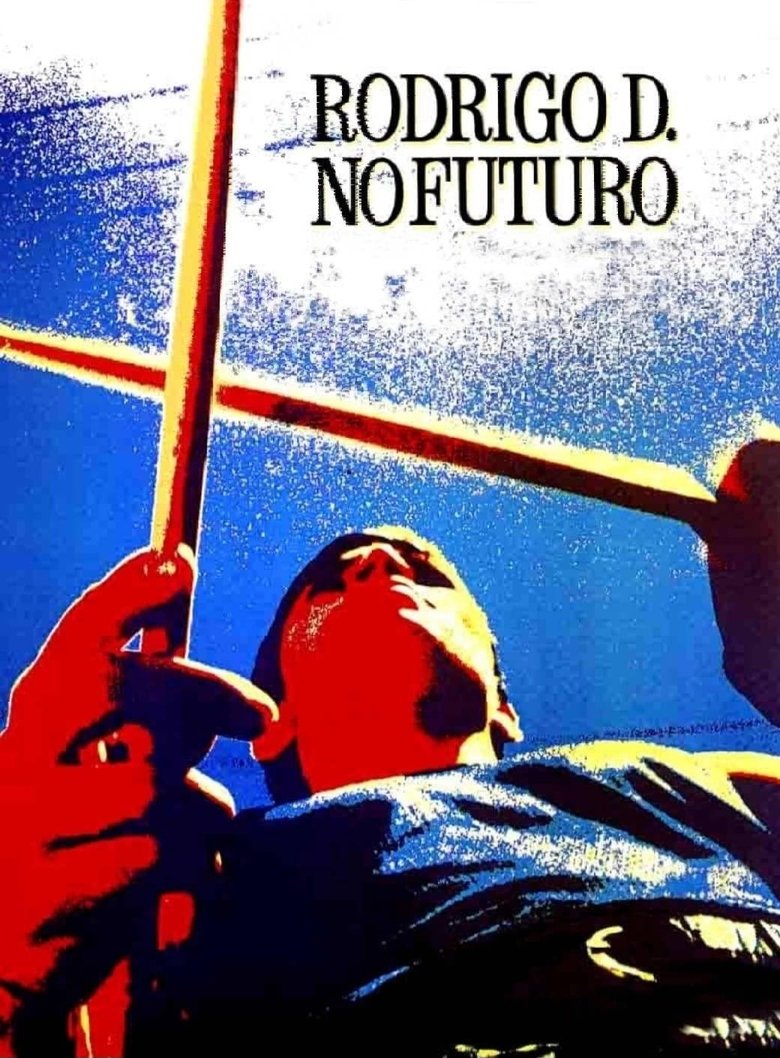
Rodrigo D. No Future
A drum kit, a neighbourhood and days that arrive nowhere. Gaviria assembled his cast from Medellín's hillside neighbourhoods, and the film's rhythm came from there too. The same year, another city, behind a closed door.

Confessing to Laura
One day in Bogotá the streets rise and the neighbours are shut inside their own flats. Osorio Gómez tells the country's largest political rupture through the sound coming in at the window. The closed flat this time becomes the means of a struggle.

The Strategy of the Snail
A tenement is being evicted and the tenants decide to dismantle the building rather than move out. Cabrera turned a property fight into a comedy, and the comedy came out more convincing than a courtroom. Gaviria returns to the same neighbourhoods eight years later.

The Rose Seller
Christmas night, children selling roses in the street, and a bunch that finds no buyer. Gaviria took the skeleton of a fairy tale and put his cast's real lives inside it. The tale here was not decoration but the only structure the film leaned on. What happens when a foreigner's camera films this country.

Maria Full of Grace
She swallows, boards the plane and sits without moving for hours. An American directed it, and this room keeps it for exactly that reason: the country's image had not been filmed this closely from outside before. And the camera goes to the Pacific coast for the first time.

Crab Trap
A stranger arrives at a coastal village, waits for a boat, and while he waits nothing happens. Ruiz Navia films the Pacific coast not as a scene of events but as a settlement running on its own clock. From the coast to the mountains, and from adults to children.

The Colors of the Mountain
A ball, a field, and the fact that nobody can walk where the ball landed. Arbeláez told the war without showing it; the children's game was enough on its own. A lake in the Andes, and someone displaced.

The Towrope
A ruined guesthouse at the water's edge and a woman trying to repair it. Vega filmed displacement not as a journey but as a state of waiting — fog, timber, and guests who do not come. The same year the camera returns to the Pacific, this time following a woman.

Chocó
She goes to the mine in the morning, comes home in the evening, and does not stop between the two jobs. Hendrix Hinestroza put an Afro-Colombian woman at the centre, one of the first features to do so. Until then the region had barely appeared in other films even as a background. The map's last gap: the river.

Embrace of the Serpent
Two journeys, two foreigners and the same guide on the same river. Guerra shot in black and white, turning the Amazon from a landscape into a surface of memory. From the river to the cane fields, and to the ash coming down from the sky.

Land and Shade
A man returning home after years, a sick son, and ash falling continuously from the air. Acevedo keeps the camera fixed inside the house; the fire outside we see only through the window. And this room's last film sets out again, again for a piece of land.

The Kings of the World
Five boys, a document, and a piece of land named on it. Mora takes them out of Medellín and walks them toward that land, and along the way nobody hands over what they are told is theirs. In this room's first film the camera played a crew selling poverty; in the last it plays nobody, it simply goes along with those walking.


