Country room
Cuba
ICAIC was founded in 1959, the first year of the revolution, and almost all Cuban cinema was made by a single state institute. Most of the films in this room carry its mark. Yet the same state pulled one of its own films from screens after four days in 1991 — the institute both built and censored, and this room stands on that double edge.
Can a state both build a cinema and censor it?
There are four stops in this room. The first is ICAIC and the revolution: the institute's opening years and the effort to turn cinema into a national language. The second is imperfect cinema — the unpolished, self-aware approach that Julio García Espinosa named in his 1969 text "For an Imperfect Cinema". The third is the special period: the nineties, when Soviet support was cut and production almost stopped. The last is the present.
Read more
The island where this cinema was made lies ninety miles from Florida, and most of the films in the room reckon in some way with that distance — staying, leaving, coming back.
1961 → 2014

El joven rebelde
A young peasant goes up to the mountains and joins the rebels. ICAIC's first fiction feature — in only its second year the institution had begun building a cinema. Four years later somebody makes a film without shooting any film at all.
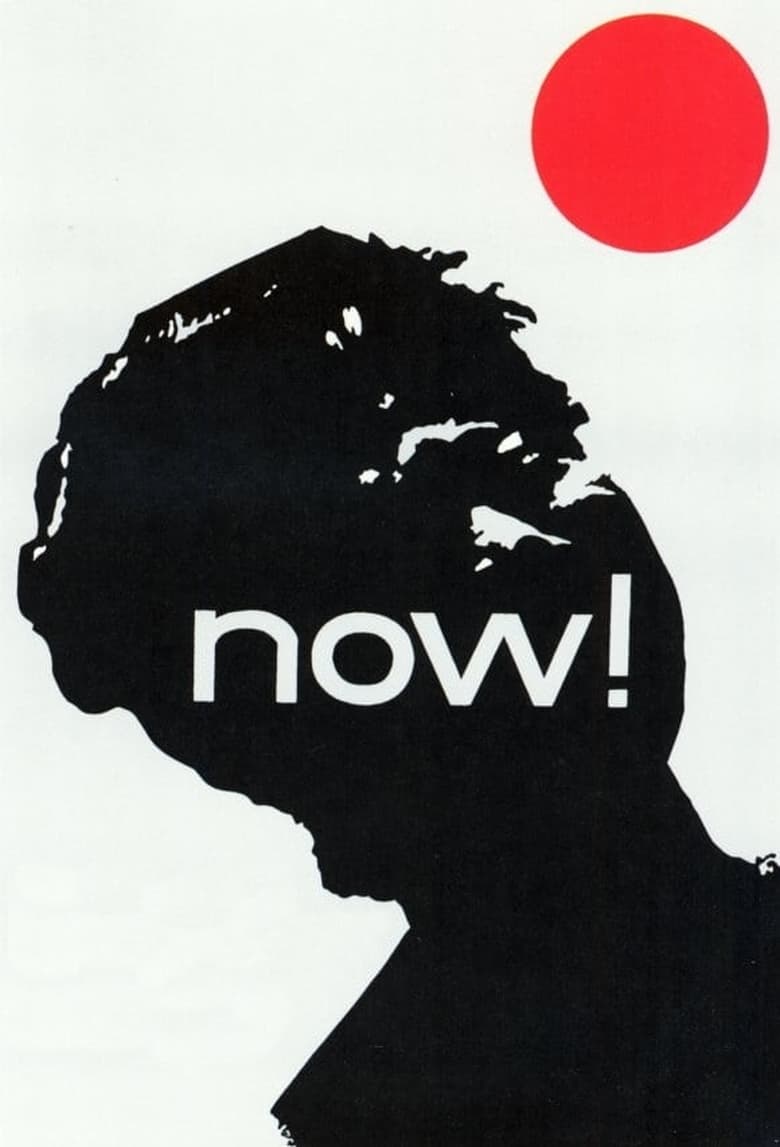
Now!
Morgue photographs, newsreel footage and a song. In five minutes Álvarez described racial violence in America, and he shot not a single frame. The next year a clerk dies and opening his grave requires a permit.

Death of a Bureaucrat
A worker buried with his labour card and a widow who needs it back. Alea made a critique of bureaucracy with state money, and the comic template carried it past the censors. The next year a peasant becomes in turn a bullfighter, a sacristan and a guerrilla.

The Adventures of Juan Quin Quin
The film breaks its own rules mid-scene and speaks to the audience. García Espinosa would write the theory of imperfect cinema two years later — here he made its application. The next year somebody stays in Havana and does not know why.

Memories of Underdevelopment
His family flees to Miami and Sergio watches the city from a balcony. Alea made a film about a man who neither believes in the revolution nor opposes it, and broke the fiction with newsreel. The same year three women from three separate centuries carry the same name.
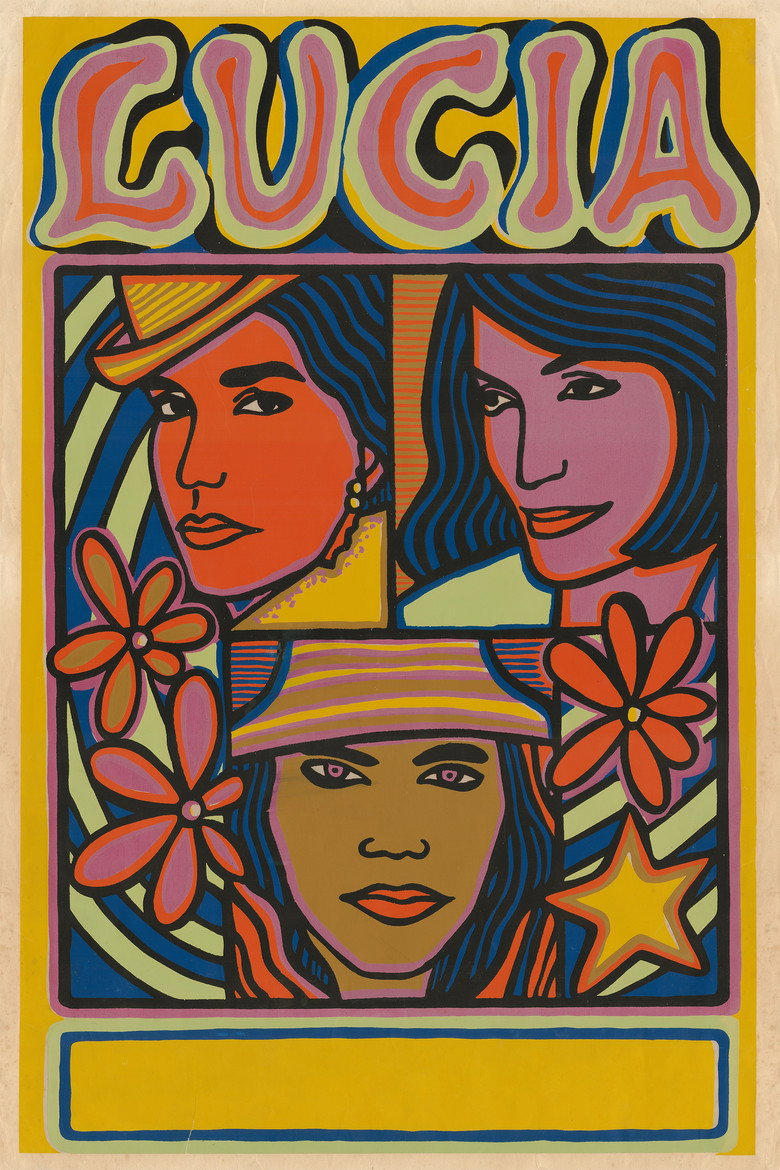
Lucía
The 1890s, the 1930s, the sixties — three parts, three visual languages, and the question of what the revolution did to women. It took the gold award in Moscow. The next year a historical uprising is filmed like a television report.

The First Charge of the Machete
The nineteenth century, peasants rising with machetes, and harsh contrast shot handheld. Gómez left the anachronism in deliberately and presented history as a current event. Seven years later a plantation owner seats twelve slaves at his table.
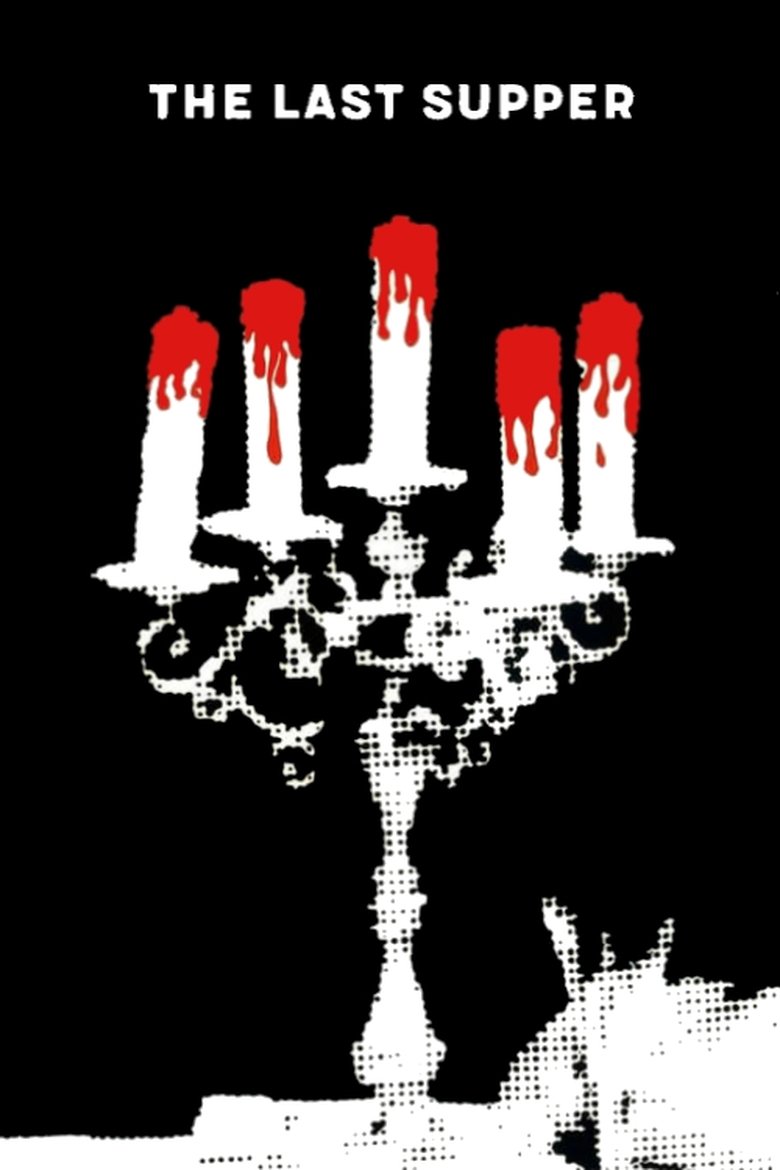
The Last Supper
The next morning the same slaves are sent to the field and a revolt breaks out. Alea showed how religion is used across one supper and turned the historical film into a reckoning. The next year a woman director mixes fiction with interview and dies before finishing the film.

One Way or Another
A worker, a teacher, and the difference of class between them. Sara Gómez died at thirty-one, Alea and García Espinosa completed the film, and this is how the only feature by this country's first woman director came to stand. Two years later a woman works in the factory and at home, and her husband asks her to give one up.

Portrait of Teresa
Teresa carries three jobs at once and gives up none. Vega asked where the rights the revolution gave women stop at home, and the film took an acting prize in Moscow. Four years later a director making a film about workers questions his own sincerity.

Up to a Certain Point
A director researching dock workers and the woman he meets there. Alea criticised his own profession — how far the intellectual is sincere when speaking about the worker. Four years later a clandestine press is working in a cellar.

Living Dangerously
The fifties, the Batista years, and normal life continuing on the floor above. Fernando Pérez took his first feature back to before the revolution and built clandestine work as a thriller. Four years later the Soviet Union dissolves and a film stays in cinemas for four days.

Alice in Wondertown
A town not on the map and something everybody there is hiding. The allegory stayed too plain, the film was pulled from cinemas, and it became the best-known case of censorship in Cuban cinema. Two years later a young communist approaches an artist in order to inform on him.

Strawberry and Chocolate
Two men talk in a flat, and that conversation asks whom the revolution left outside. It won the Silver Bear in Berlin and became Cuba's only Oscar nomination. Ten years later a film follows the day of ten Havanans without a word.

Suite Habana
A doctor sells shoes at night, a boy goes to school, an old woman sells peanuts. It was made without dialogue, and at the end each of their names and dreams is given in writing. Eleven years later the expulsion of one boy from school is argued over across the country.

Behavior
Cuba has submitted more than twenty films and only one has been nominated. Strawberry and Chocolate was nominated for international film in 1995 and did not win.


